
Table of Contents >> Show >> Hide
- What Makes a High Efficiency Washer Different?
- How Often Should You Clean a High Efficiency Washing Machine?
- Supplies You Need
- Step-by-Step: How to Clean a High Efficiency Washing Machine
- How to Prevent Odors in an HE Washing Machine
- Common Mistakes to Avoid
- Troubleshooting: Why Does My HE Washer Still Smell?
- Front-Load vs. Top-Load HE Washer Cleaning Tips
- A Simple Monthly HE Washer Cleaning Routine
- Personal Experience: What Actually Works in Real Life
- Conclusion
A high efficiency washing machine is a beautiful little paradox. It uses less water, spins like it is training for the Olympics, and can make laundry day easieruntil one day your “clean” clothes come out smelling like a damp basement wearing perfume. That musty odor is not your imagination, and no, the washer is not holding a grudge. Most of the time, the problem is residue: detergent, fabric softener, body soil, minerals from hard water, lint, and moisture hanging around where they should not.
Learning how to clean a high efficiency washing machine is not complicated, but it does require a slightly different approach from cleaning an old-school washer. HE washers use less water, which is great for utility bills and the planet, but it also means extra soap, grime, and moisture do not always get flushed away as aggressively. The result can be a sticky film inside the drum, a sour smell around the gasket, clogged dispenser trays, and a pump filter that quietly collects every hair tie, coin, and mystery object your household has ever owned.
The good news: you do not need a chemistry degree, a hazmat suit, or an emotional support sponge. With the right routine, you can keep your washer fresh, efficient, and ready to clean clothes instead of auditioning for a swamp documentary.
What Makes a High Efficiency Washer Different?
High efficiency washers, often labeled with the “HE” symbol, are designed to clean clothes using less water and energy than traditional washing machines. They come in front-load and top-load styles, and many rely on tumbling, spinning, sensors, and carefully controlled water levels rather than filling the entire tub like older machines.
That low-water design is the reason HE machines need high efficiency detergent. HE detergent is low-sudsing and quick-dispersing, which helps the washer rinse properly without creating a foam party inside the drum. Regular detergentor simply too much detergentcan leave behind residue. Over time, that residue becomes a buffet for mildew and odor-causing bacteria. It is not glamorous, but laundry rarely is.
How Often Should You Clean a High Efficiency Washing Machine?
For most homes, clean your HE washing machine about once a month or every 30 to 40 loads. If your household does a lot of laundry, washes athletic clothes, uses fabric softener, has hard water, or owns pets who believe every blanket is legally theirs, clean it more often.
Here is a practical maintenance schedule:
- After every load: Remove wet laundry promptly, wipe visible moisture, and leave the door or lid open.
- Weekly: Wipe the door, gasket, and detergent drawer area.
- Monthly: Run the washer’s clean cycle with an approved washing machine cleaner or bleach if your manual allows it.
- Every 1 to 3 months: Clean the detergent dispenser and, on many front-load machines, the drain pump filter.
- As needed: Treat odors, visible mildew, slow draining, or detergent buildup immediately.
Supplies You Need
Before you begin, gather a few simple cleaning tools. You probably already own most of them, possibly buried under the sink next to three almost-empty bottles of all-purpose cleaner.
- Microfiber cloths
- Soft-bristled brush or old toothbrush
- Washing machine cleaner tablet or powder
- Liquid chlorine bleach, only if approved by your washer manual
- Mild dish soap
- Small bowl or bucket
- Towels for catching water near the filter
- Rubber gloves, optional but helpful
Important safety note: Never mix bleach with vinegar, ammonia, or other cleaners. Mixing chemicals can create dangerous fumes. Also, check your owner’s manual before using bleach, vinegar, descalers, or any cleaner inside the machine. Your washer’s manual is not thrilling bedtime reading, but it is more useful than guessing.
Step-by-Step: How to Clean a High Efficiency Washing Machine
1. Empty the Washer Completely
Start with an empty drum. Remove clothes, lint, stray socks, and anything else hiding inside. Look carefully around the drum and seal. Front-load washers are especially talented at trapping small items inside the rubber gasket. If you find coins, bobby pins, toy parts, or a receipt from 2021, congratulationsyou have discovered the washer’s secret museum.
2. Run the Clean Washer Cycle
Most HE washers include a cycle called Clean Washer, Self Clean, Tub Clean, Basket Clean, or something similar. This cycle is designed to use hot water, extra agitation or tumbling, and a longer run time to remove residue from areas a normal wash cycle may not reach.
Place a washing machine cleaner tablet directly in the empty drum unless the product instructions say otherwise. Do not put the tablet in the detergent drawer. Then select the cleaning cycle and let it finish completely.
If your machine does not have a dedicated clean cycle, choose the hottest, longest cycle available. Some manufacturers allow liquid chlorine bleach instead of a washer cleaner. If so, add it only through the bleach dispenser or according to your manual. Do not add detergent during the cleaning cycle. The goal is to remove buildup, not invite more soap to the party.
3. Wipe the Door Glass or Lid
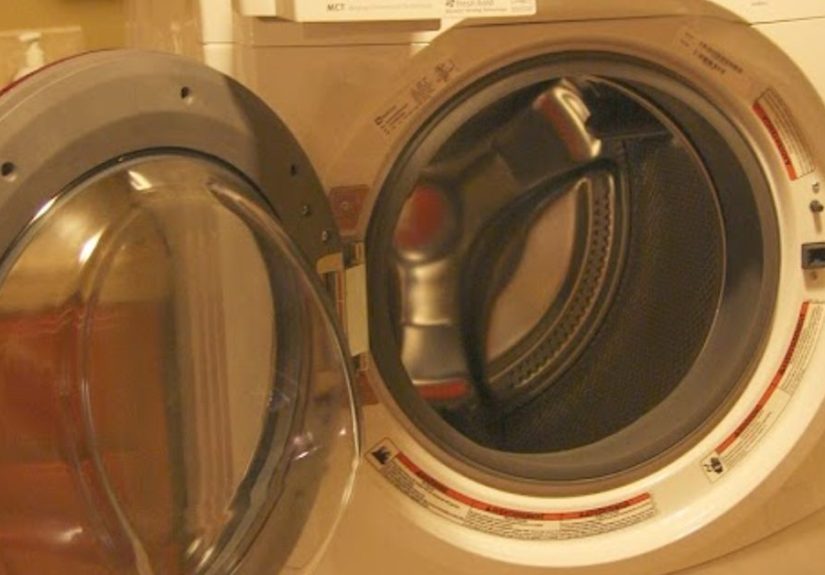
After the cycle ends, wipe the inside of the door glass, lid, and rim with a damp microfiber cloth. These areas often collect detergent splatter, lint, and mineral spots. On front-load washers, pay special attention to the lower part of the door where water tends to sit.
Dry everything with a clean cloth. Drying matters because moisture is the tiny villain in many washer odor stories. If water remains trapped, mildew has a much easier time settling in.
4. Clean the Rubber Gasket on Front-Load Washers
The rubber door gasket is one of the most important parts to clean. It keeps water inside the washer during a cycle, but its folds can also trap moisture, lint, pet hair, detergent residue, and forgotten treasures from pockets.
Gently pull back the folds of the gasket. Wipe inside with a damp cloth and mild soapy water. Use a soft brush for stubborn grime. If you see mildew spots, follow your washer manual’s instructions for a safe cleaning solution. Some manuals permit diluted bleach; others may recommend a washer cleaner or mild soap. Whatever you use, rinse the area with a clean damp cloth and dry it thoroughly.
Do not use abrasive pads or sharp tools on the gasket. A torn gasket can lead to leaks, and nobody wants a laundry room that suddenly becomes an indoor splash pad.
5. Remove and Wash the Detergent Dispenser
The detergent drawer is another buildup hotspot. Liquid detergent, pods that partially dissolve, fabric softener, scent beads, and bleach residue can leave sticky layers inside the dispenser. If the drawer is removable, pull it out according to your manual. Most drawers have a release tab.
Soak the drawer in warm water with a little dish soap for 10 to 15 minutes. Scrub the compartments with a soft brush, rinse well, and dry. Before replacing it, wipe inside the drawer cavity too. Look for clumps, slime, or blocked holes where water enters the dispenser.
If your washer has an automatic detergent dispenser, follow the manufacturer’s cleaning steps. These systems are convenient, but they still need maintenance to prevent thickened detergent or softener from clogging the works.
6. Clean the Drain Pump Filter
Many front-load HE washers have a drain pump filter, sometimes located behind a small access panel near the lower front of the machine. This filter catches lint, coins, hair, and small debris before they reach the pump. When it gets clogged, your washer may drain slowly, smell bad, stop mid-cycle, or display an error code.
Before opening the filter, place towels on the floor and keep a shallow pan nearby. Some water will probably come out. Open the access panel, drain the hose if your model has one, then slowly remove the filter. Clean off lint and debris, rinse the filter, and wipe inside the filter housing. Reinstall the filter securely.
Because designs vary widely, check your washer manual first. Some top-load HE washers do not have a user-accessible pump filter. In that case, do not start unscrewing things in a burst of DIY confidence. That is how “quick cleaning” becomes “calling a repair technician.”
7. Wipe the Exterior and Control Panel
Cleaning the outside of the washer may not affect odor inside the drum, but it keeps the appliance looking cared for. Use a damp microfiber cloth with mild soap to wipe the control panel, top, sides, and door. Avoid spraying cleaner directly onto electronic controls. Spray the cloth instead, then wipe.
Dry the exterior afterward. A clean washer exterior also makes it easier to spot leaks, rust, loose hoses, or detergent spills before they become bigger problems.
How to Prevent Odors in an HE Washing Machine
Use the Right Amount of HE Detergent
More detergent does not mean cleaner clothes. In an HE washer, too much detergent often means residue, odors, dull fabrics, and extra rinse cycles. Follow the detergent label and washer manual, then adjust for load size, soil level, and water hardness. For lightly soiled loads, you may need less than the cap suggests.
If your washer smells soapy or your clothes feel stiff, you may be using too much detergent. Try reducing the amount and running a rinse cycle. Your washer may thank you by smelling less like a science experiment.
Skip Heavy Fabric Softener Use
Fabric softener can coat fabrics, but it can also coat the inside of your washer. That coating traps lint, soil, and odor. If you love soft laundry, use softener sparingly, choose washer-safe products, or consider alternatives such as wool dryer balls in the dryer.
Leave the Door and Drawer Open
After each wash, leave the door or lid open so the drum can dry. On front-load washers, also leave the detergent drawer slightly open. Airflow is one of the easiest ways to reduce moisture and discourage mildew. Think of it as letting your washer take a tiny spa day after working hard.
Remove Wet Laundry Promptly
Wet clothes sitting in a closed washer can quickly develop a sour smell. Remove laundry as soon as the cycle ends. If you forget a load overnight, do not pretend it is fine. Rewash it with the appropriate detergent amount, and clean the washer if the odor lingers.
Run an Occasional Warm or Hot Cycle
Cold water is useful for saving energy and protecting certain fabrics, but if every load is cold, residue may build up more easily. When fabric care labels allow, run warm or hot cycles occasionally, especially for towels, bedding, cleaning cloths, and heavily soiled items.
Common Mistakes to Avoid
Using Regular Detergent in an HE Washer
Regular detergent can create too many suds in a high efficiency machine. Excess suds may interfere with tumbling, rinsing, sensors, and draining. If you accidentally use regular detergent once, run extra rinse and spin cycles. If it happens often, expect buildup and odors to arrive like unwanted guests.
Cleaning Only the Drum
The drum is important, but it is not the whole story. Gaskets, dispensers, filters, and door glass can hold grime even after a clean cycle. A complete cleaning routine handles all these areas.
Closing the Door Immediately After Washing
A closed, damp washer is a cozy little cave for mildew. Leave the door open when the machine is not in use, as long as it is safe for children and pets in your home.
Mixing Cleaning Products
Never combine bleach with vinegar or ammonia. Use one cleaning method at a time, rinse well, and follow product directions. Clean laundry is wonderful; toxic fumes are not.
Troubleshooting: Why Does My HE Washer Still Smell?
If your washer still smells after cleaning, look beyond the drum. Check the gasket folds, drain pump filter, detergent drawer, and drain hose area. Also consider your laundry habits. Too much detergent, frequent cold-water washing, heavy softener use, and leaving damp clothes inside can bring odors back quickly.
If the odor smells like sewage rather than mildew, the issue may involve plumbing, a dry trap, or a drain problem. If you notice leaking, standing water, repeated error codes, or a burning smell, stop using the machine and call a qualified appliance technician.
Front-Load vs. Top-Load HE Washer Cleaning Tips
Front-Load HE Washers
Front-load washers need extra attention around the door gasket and drain filter. Wipe the gasket after laundry days, leave the door ajar, and inspect the lower folds for trapped items. Clean the filter regularly if your model has one.
Top-Load HE Washers
Top-load HE washers may not have a front gasket, but they can still develop residue around the lid, rim, detergent dispenser, and tub. Run the clean cycle monthly, wipe under the lid, and avoid overloading. High efficiency top-loaders need space for clothes to move properly.
A Simple Monthly HE Washer Cleaning Routine
Here is a fast routine you can repeat every month:
- Empty the washer.
- Add a washer cleaner to the drum or bleach only if your manual allows it.
- Run the Clean Washer, Self Clean, or Tub Clean cycle.
- Wipe the drum, door, and gasket.
- Remove and rinse the detergent drawer.
- Clean the drain pump filter if needed.
- Leave the door and drawer open to dry.
This routine takes a little effort, but it is much easier than fighting persistent mildew, rewashing smelly towels, or explaining to guests why your laundry room smells like a wet cave with Wi-Fi.
Personal Experience: What Actually Works in Real Life
After dealing with a high efficiency washer that made freshly washed towels smell suspiciously “vintage,” I learned that cleaning the machine is only half the battle. The other half is changing daily habits. At first, I assumed the solution was simply running the cleaning cycle. So I dropped in a washer cleaner tablet, pressed the button, and proudly walked away like I had solved laundry forever. The washer smelled better for a few days, then the odor crept back in like a villain in a sequel nobody asked for.
The real turning point was cleaning the rubber gasket by hand. When I pulled back the folds, I found lint, gray residue, and enough pet hair to assemble a small emotional-support hamster. The clean cycle had helped the drum, but it had not magically wiped the hidden folds of the gasket. A microfiber cloth, warm soapy water, and a soft toothbrush made a bigger difference than expected. After drying the gasket carefully, the musty smell dropped dramatically.
The detergent drawer was another surprise. From the outside, it looked fine. Inside, it had sticky buildup from detergent and fabric softener. Once I removed the drawer and soaked it, I could see how much residue had been blocking the little water channels. Cleaning that drawer improved how the detergent rinsed into the machine, and it also reduced the sour smell near the front of the washer.
The biggest habit change was using less detergent. Like many people, I thought a little extra soap meant extra clean clothes. In an HE washer, it often means extra residue. I started using a smaller amount of HE detergent, especially for normal loads, and my clothes still came out clean. In fact, towels felt less stiff, and the washer did not develop that heavy perfume-plus-mildew smell.
Leaving the door open also helped. At first, it felt oddly unfinished, like leaving a cabinet open. But airflow made a noticeable difference. I also started leaving the detergent drawer cracked open after laundry. That tiny habit gave trapped moisture a way out, and it required exactly zero scrubbing, which is my favorite kind of maintenance.
Another practical lesson: clean the washer before it smells terrible. Waiting until the odor becomes obvious means buildup has already settled in. A monthly reminder works better than relying on your nose, because by the time your nose files a complaint, the washer has been plotting for weeks.
Finally, I learned not to ignore the filter. The first time I opened the drain pump filter, I found lint, hair, a small coin, and a button that had apparently left its shirt to pursue independence. Cleaning the filter helped the washer drain better and removed a hidden source of odor. Now I put towels down before opening it, because the filter area can release water with the comic timing of a prank show.
The best real-life routine is simple: use HE detergent, use less of it, remove wet clothes quickly, wipe the gasket, clean the dispenser, run the clean cycle monthly, and let the washer dry between loads. None of these steps are glamorous, but together they keep an HE washer smelling fresh and working properly. Laundry may never become exciting, but at least it does not have to smell like regret.
Conclusion
Cleaning a high efficiency washing machine is not just about making the appliance look nice. It helps prevent odors, protects washer performance, improves rinsing, and keeps your clothes smelling genuinely clean. Because HE washers use less water, they need the right detergent, regular airflow, and a consistent cleaning routine to prevent residue from building up.
Run a monthly clean cycle, wipe the gasket and door, wash the detergent dispenser, clean the filter when needed, and avoid detergent overload. These small habits can make a big difference. Your washer works hard, spins fast, and asks for very little in returnmostly a monthly bath and the chance to dry out like a civilized appliance.






 Close
Close