
Table of Contents >> Show >> Hide
- Why Install Fireplace Glass Doors?
- Before You Begin: Know Your Fireplace Type
- Tools and Materials You May Need
- Step 1: Measure the Fireplace Opening Carefully
- Step 2: Unpack and Inspect the Door Kit
- Step 3: Attach Handles, Glass Panels, and Riser Bar if Needed
- Step 4: Test-Fit the Frame in the Fireplace Opening
- Step 5: Mark Bracket or Clamp Locations
- Step 6: Install Brackets and Secure the Frame
- Step 7: Add Fireplace Door Insulation
- Step 8: Final Check, Cleaning, and Safe First Use
- Common Fireplace Glass Door Installation Mistakes
- Maintenance Tips After Installation
- When to Call a Professional
- Real-World Experience: What Homeowners Learn During Fireplace Glass Doors Installation
- Conclusion
Installing fireplace glass doors is one of those home upgrades that looks fancy, feels practical, and does not require you to become best friends with a demolition hammer. When done correctly, fireplace glass doors can help reduce drafts when the fireplace is not in use, improve the finished look of your hearth, and add a useful barrier between your living room and the mysterious little sparks that occasionally try to go sightseeing.
Still, this is not a “just eyeball it and hope the chimney gods approve” kind of project. A good installation starts with the right type of fireplace door, accurate measurements, proper fastening, and careful safety habits. Most standard surface-mount fireplace glass doors are designed for traditional masonry fireplaces, not factory-built or zero-clearance fireplaces. That distinction matters. A masonry fireplace is usually built with brick, block, stone, mortar, and a masonry chimney. A prefabricated fireplace typically has a metal firebox and metal chimney system, and it needs doors specifically approved for that model.
Below is a practical, homeowner-friendly guide to fireplace glass doors installation in 8 steps. Think of it as your calm, coffee-fueled helper standing nearby saying, “Measure twice, tighten once, and please do not set the instruction manual on fire.”
Why Install Fireplace Glass Doors?
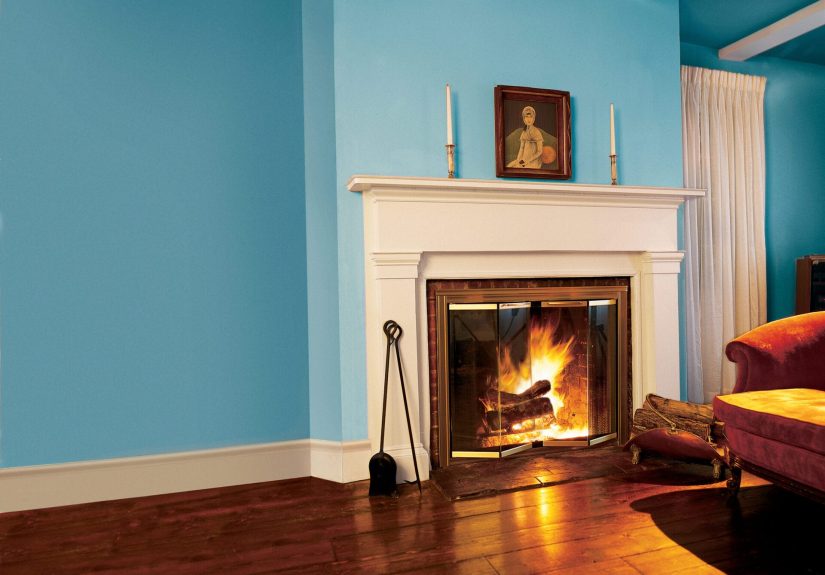
Fireplace glass doors are more than a decorative frame for your cozy winter masterpiece. They can help close off the firebox when the fireplace is not operating, which may reduce drafts and heat loss through the chimney. They also give the fireplace a cleaner, more finished appearance. If your hearth currently looks like a dark cave with a brick border, doors can make it look intentional instead of “we forgot to finish this corner of the house.”
Another big reason is safety. Glass doors and mesh screens can help contain sparks and embers. However, the word “help” is important. Fireplace doors do not replace smart fireplace habits. Most tempered-glass fireplace door sets should remain open while a fire is actively burning, with the mesh screen closed. The glass doors are usually closed only after the fire has died down and the fireplace has cooled enough according to the manufacturer’s instructions.
Before You Begin: Know Your Fireplace Type
Before buying anything shiny, confirm whether your fireplace is masonry or prefabricated. Many retail fireplace glass door kits are made for masonry fireplaces only. Installing the wrong door on a prefabricated fireplace can create overheating and safety problems. Look for a metal tag inside the firebox, check the owner’s manual, or contact the fireplace manufacturer if you are unsure.
You should also inspect the fireplace itself. Loose brick, cracked mortar, heavy creosote buildup, damaged firebrick, or a questionable chimney should be addressed before installation. A glass door will not magically turn a tired chimney into a safe one. If your fireplace looks like it has survived three wars and a raccoon convention, call a certified chimney professional first.
Tools and Materials You May Need
Most fireplace glass door kits include the frame, glass panels, handles, mounting brackets, screws, clamps, and fiberglass insulation. Depending on the product, you may need a Phillips screwdriver, drill or driver, masonry bit, socket wrench, pliers, tape measure, gloves, flashlight, pencil, and a soft blanket or cardboard surface to protect the finish while assembling the unit.
Read the manual before starting. Yes, the manual. That folded paper booklet that everyone treats like a restaurant napkin until something goes sideways. Fireplace door kits vary, and your manufacturer’s instructions always come first.
Step 1: Measure the Fireplace Opening Carefully
Accurate measuring is the foundation of a clean fireplace glass doors installation. Measure the width of the fireplace opening at the top and bottom. Then measure the height on the left and right sides. Fireplaces are not always perfectly square, especially older masonry fireplaces. A difference of even half an inch can affect the fit.
For surface-mount doors, the frame usually overlaps the fireplace opening. That means the door unit must be large enough to cover the opening but compatible with the manufacturer’s listed size range. Do not assume “medium” means “fits my fireplace because my fireplace feels emotionally medium-sized.” Use actual numbers.
Measuring example
If your opening is 35 inches wide at the top, 35.5 inches wide at the bottom, 27 inches high on the left, and 27.25 inches high on the right, choose a door set that covers that full range. If the manufacturer’s chart says the unit fits openings from 30 to 37 inches wide and 25.5 to 29.5 inches high, you may be in range. Still, check the product manual for overlap requirements, riser bar options, and hearth clearance.
Step 2: Unpack and Inspect the Door Kit
Lay a soft blanket, towel, or clean cardboard sheet on the floor. Carefully remove all parts from the box and place them where they will not be scratched. Lift the frame by the sides, not by the top rail or glass panels. Fireplace door finishes can scratch, bend, or chip if handled roughly.
Check that you have all hardware: handles, screws, nut plates, brackets, clamps, insulation strips, and any riser bar included with the kit. If parts are missing, pause and contact the manufacturer or retailer. Improvising fireplace hardware from the junk drawer is not charming DIY spirit; it is how a ten-minute shortcut becomes a weekend problem.
Step 3: Attach Handles, Glass Panels, and Riser Bar if Needed
Many fireplace glass door kits require light assembly before mounting. This may include attaching handles to the glass doors, installing glass panels into the frame, and adding a riser bar if your fireplace opening height requires it. Some kits include a two-inch riser bar to help cover taller openings, while shorter openings may not need it.
Follow the exact sequence in your product manual. Tighten screws firmly but do not over-tighten hardware attached to glass. Glass panels need secure support, not a wrestling match. If the manual says to install the top and bottom of one panel before moving to the next, do that. The manufacturer is not trying to make your afternoon more dramatic; the sequence helps the panels sit correctly.
Step 4: Test-Fit the Frame in the Fireplace Opening
With the fireplace completely cool, place the assembled door frame against or inside the fireplace opening as directed. Center it left to right and check that the frame sits level. If your hearth or brick face is uneven, take extra time here. A slightly crooked frame will bother you every time you walk past it, like a picture frame tilted by one degree in a hotel hallway.
Open and close the doors during the test fit. Make sure they swing freely and do not rub against the hearth, mantel, brick edge, or frame. If the doors bind now, they will not magically behave later after everything is tightened. Adjust before fastening.
Step 5: Mark Bracket or Clamp Locations
Most masonry fireplace glass doors use mounting brackets, lintel clamps, pressure clips, or similar hardware to secure the frame. With the frame positioned correctly, mark where the brackets or screws will go. A flashlight inside the firebox can make this much easier. Sooty black corners are not famous for visibility.
Some systems clamp to the lintel bar at the top of the fireplace opening. Others use side brackets or self-tapping screws into the firebox structure. If drilling is required, use the bit size recommended by the manufacturer and drill only where instructed. Never drill randomly into a prefabricated metal firebox unless the fireplace manufacturer specifically allows it.
Step 6: Install Brackets and Secure the Frame
Remove the frame if necessary, drill pilot holes if your door system calls for them, and install the brackets. Then reposition the frame and begin tightening the hardware. Work gradually, alternating sides so the frame stays centered and level. Do not fully tighten one side while the other side is still floating around like it has weekend plans.
The goal is a snug, stable fit without twisting the frame. A twisted frame can cause doors to rub, magnets to misalign, or gaps to appear around the surround. Use a level, check the reveal around the opening, and test the door movement as you tighten.
Step 7: Add Fireplace Door Insulation
Many fireplace glass door kits include fiberglass insulation strips. These strips are typically tucked into channels along the sides and top of the frame. The insulation helps close small gaps between the frame and masonry face, reducing drafts and improving the finished installation.
Wear gloves when handling fiberglass insulation. Tear or cut pieces to fit the channels, then gently press them into place. Do not pack insulation into areas where it interferes with moving parts, damper controls, or door operation. The insulation should seal gaps, not become a fluffy villain in the hinge mechanism.
Step 8: Final Check, Cleaning, and Safe First Use
Once the frame is secure and insulated, reinstall any glass panels or mesh screens removed during mounting. Open and close all doors. Confirm that handles are tight, screens move smoothly, and the frame feels stable. Wipe fingerprints from the glass with a cleaner approved for fireplace glass. Avoid harsh household cleaners unless the manufacturer allows them.
Before your first fire, review all safety instructions. Confirm the damper is open. Keep the glass doors open while starting and burning a wood fire unless your specific door system is rated and approved for closed-door burning. Keep the mesh screen closed while the fire is active, except when adding wood. Place the grate toward the back of the firebox, commonly at least several inches away from the screen or frame, according to the manual.
Common Fireplace Glass Door Installation Mistakes
Buying doors for the wrong fireplace type
This is the big one. Masonry and prefabricated fireplaces are not interchangeable. A door that fits the opening may still be unsafe if it is not approved for the fireplace type.
Measuring only once
Fireplaces can be uneven. Measure width and height in multiple places. Use the smallest and largest numbers to compare with the manufacturer’s sizing chart.
Skipping the dry fit
Always test-fit the frame before drilling, tightening, or insulating. This helps catch clearance problems early.
Over-tightening screws
Too much force can bend brackets, distort the frame, or stress glass hardware. Tighten securely, then test the door movement.
Closing glass doors during an active fire
Many tempered-glass fireplace doors are not designed to stay closed during active flames. Excessive heat can damage the frame or glass. Follow your manufacturer’s operating instructions every time.
Maintenance Tips After Installation
Clean the glass regularly to prevent soot from baking onto the surface. Inspect the frame, brackets, handles, and mesh screen at the beginning of each burning season. Replace worn gaskets or insulation if they become brittle, compressed, or loose. Schedule chimney inspection and cleaning as recommended, especially if you burn wood frequently.
Also keep the hearth area clear. Furniture, rugs, baskets, books, decorations, pet beds, and holiday items should stay safely away from the fireplace. A fireplace looks lovely with tasteful decor nearby, but “nearby” should not mean “touching the danger rectangle.”
When to Call a Professional
You can often install standard fireplace glass doors yourself if the fireplace is masonry, structurally sound, and compatible with the door kit. However, call a professional if your fireplace is prefabricated and you cannot identify the model, if the masonry is damaged, if the opening is irregular stone, if the chimney has not been inspected in years, or if you are uncomfortable drilling into masonry.
Professional installation is also wise for custom fireplace doors, older historic fireplaces, unusual arched openings, or high-end doors with tight tolerances. Spending a little more upfront can prevent poor fit, rattling doors, smoke issues, or a return-box situation that eats your Saturday.
Real-World Experience: What Homeowners Learn During Fireplace Glass Doors Installation
The first thing many homeowners learn during fireplace glass doors installation is that fireplaces are rarely as square as they look. From across the room, the opening may seem perfectly rectangular. Up close with a tape measure, it may reveal a half-inch difference between the left and right sides. This is especially common in older homes where brickwork has settled, mortar joints vary, or the original mason was clearly having an artistic day.
One useful experience-based tip is to take photos before and during installation. Photograph the empty fireplace, the product label, the hardware layout, and the bracket positions before tightening everything. These photos can help if you need customer support, replacement parts, or future maintenance. They also prevent the classic DIY moment where you stare at four similar screws and wonder which one offended the universe.
Another practical lesson: clean the firebox before installing the doors. Vacuum cold ash with an ash-rated vacuum, brush loose soot, and wipe the hearth surface. Installing a beautiful new frame over a messy firebox is like putting a tuxedo jacket over a muddy shirt. The doors will look better, fit cleaner, and be easier to adjust if the surrounding area is tidy.
Homeowners also discover that lighting matters. A small work light or headlamp inside the fireplace can save enormous frustration. The inside of a firebox is dark, dusty, and not designed for human comfort. Good lighting helps you see the lintel, bracket slots, screw holes, and frame alignment. It also helps you avoid dropping hardware into ash, which is basically a tiny scavenger hunt nobody requested.
During installation, patience beats force. If the frame will not sit flat, do not immediately reach for more pressure. Pull it back out and inspect the brick face, hearth edge, bracket angle, and insulation placement. A small piece of debris or a bracket set slightly off-angle can make the entire frame appear wrong. Most fit problems are solved by careful adjustment, not by tightening until your screwdriver files a complaint.
After installation, the biggest habit change is learning when to open and close the doors. Many people assume glass doors should stay closed during the entire fire because that seems logical. In reality, many common fireplace glass doors should remain open while flames are active, with the mesh screen closed to help catch sparks. The glass doors are generally closed when the fire is out or reduced to safe embers, depending on the manufacturer’s instructions. This one habit protects the glass, improves airflow, and helps the fireplace operate as intended.
Finally, homeowners often realize that fireplace doors change the room visually more than expected. A black, bronze, brushed steel, or cabinet-style frame can make an older fireplace look finished in a single afternoon. It is not quite a full remodel, but it gives the hearth a sharper outline and makes the room feel more intentional. In other words, fireplace glass doors are the rare DIY project that can improve safety, comfort, and style without requiring you to explain to your family why there is a hole in the wall.
Conclusion
Fireplace glass doors installation in 8 steps is a manageable DIY project when you start with the right door set, confirm fireplace compatibility, measure carefully, and follow the manufacturer’s directions. The process is straightforward: measure the opening, inspect the kit, assemble the hardware, test-fit the frame, mark the brackets, secure the unit, add insulation, and complete a final safety check.
The real secret is not speed. It is accuracy. A properly installed fireplace door should sit level, operate smoothly, seal reasonable gaps, and look like it belongs there. A rushed installation may rattle, rub, leak drafts, or create safety concerns. Take your time, respect the heat, and remember that the fireplace is one part cozy centerpiece and one part controlled indoor campfire. Treat it accordingly.




 Close
Close