
Table of Contents >> Show >> Hide
- What Makes Osteoarthritis Feel Worse?
- 1. Keep Moving With Low-Impact Exercise
- 2. Use Heat and Cold Therapy Like a Pro
- 3. Manage Weight With Joint-Friendly Nutrition
- 4. Protect Your Joints With Smart Tools and Better Body Mechanics
- 5. Try Mind-Body Remedies: Tai Chi, Yoga, Relaxation, and Better Sleep
- 6. Use Topical Relief and Self-Massage Carefully
- Home Remedies to Use With Caution
- When Home Remedies Are Not Enough
- Everyday Experiences: What Living With Osteoarthritis Remedies Can Look Like
- Conclusion
- SEO Tags
Osteoarthritis has a way of turning ordinary activities into suspiciously dramatic events. Standing up from the couch? Sound effects. Opening a jar? A full-body negotiation. Walking down stairs? Suddenly, every step deserves its own weather report. The good news is that osteoarthritis does not mean you have to surrender your favorite routines, your independence, or your ability to enjoy a normal day without treating your knees like antique furniture.
Osteoarthritis, often called OA, is the most common form of arthritis. It happens when joint tissues, especially cartilage, gradually wear down over time. This can lead to pain, stiffness, swelling, reduced flexibility, and that classic “I need a minute” feeling after sitting too long. While there is no magic home cure that rebuilds cartilage overnight, several evidence-informed home remedies can help reduce discomfort, support mobility, and make everyday movement less annoying.
The best approach is not one heroic remedy. It is a practical mix of movement, joint protection, healthy habits, and smart pain-relief strategies. Think of it as a toolbox, not a miracle potion. Below are six home remedies for osteoarthritis that can help you manage symptoms, move with more confidence, and keep your joints from filing a formal complaint.
Medical note: These home remedies are for general education and do not replace professional medical care. If you have severe pain, sudden swelling, redness, fever, joint deformity, new weakness, or symptoms that worsen quickly, talk with a healthcare professional.
What Makes Osteoarthritis Feel Worse?
Before choosing remedies, it helps to understand what tends to aggravate osteoarthritis. Many people notice more stiffness after long periods of rest, more pain after overdoing activity, and more swelling after repetitive stress. Weather changes, poor sleep, weight gain, old injuries, weak muscles, and unsupportive shoes can also contribute. In other words, OA is not just a “joint problem.” It is a whole-lifestyle puzzle, and unfortunately, the puzzle did not come with a picture on the box.
Home care works best when it addresses several factors at once: joint load, inflammation, muscle strength, flexibility, stress, and daily habits. The six remedies below are designed to do exactly that.
1. Keep Moving With Low-Impact Exercise
When joints hurt, exercise can sound about as appealing as assembling furniture without instructions. But gentle, consistent movement is one of the most important home remedies for osteoarthritis. Movement helps lubricate joints, strengthen the muscles that support them, reduce stiffness, improve balance, and protect long-term mobility.
Best exercises for osteoarthritis
Low-impact activities are usually easier on painful joints than running, jumping, or high-intensity workouts. Helpful options include walking, swimming, water aerobics, cycling, tai chi, gentle yoga, and light strength training. Water-based exercise is especially friendly for knee and hip osteoarthritis because buoyancy reduces pressure on weight-bearing joints while still allowing muscles to work.
A simple beginner routine might include a five-minute warm-up walk, gentle range-of-motion movements, and a few strengthening exercises such as seated leg raises, wall push-ups, or mini squats while holding a sturdy chair. The goal is not to become an Olympic athlete by Thursday. The goal is to move often enough that your joints remember they are part of a living body, not decorative hinges.
How to start safely
Start slowly, especially if you have been inactive. Try 10 minutes of gentle movement and build from there. Mild soreness after activity can be normal, but sharp pain, swelling that lasts, or pain that changes your walking pattern is a sign to back off and consult a clinician or physical therapist. A useful rule is “start low, go slow, stay consistent.” Your joints usually prefer steady friendship over surprise boot camp.
2. Use Heat and Cold Therapy Like a Pro
Heat and cold therapy are classic home remedies for osteoarthritis because they are simple, affordable, and easy to customize. Heat can relax tight muscles, improve circulation, and ease stiffness. Cold can numb sore areas and reduce swelling after activity.
When to use heat
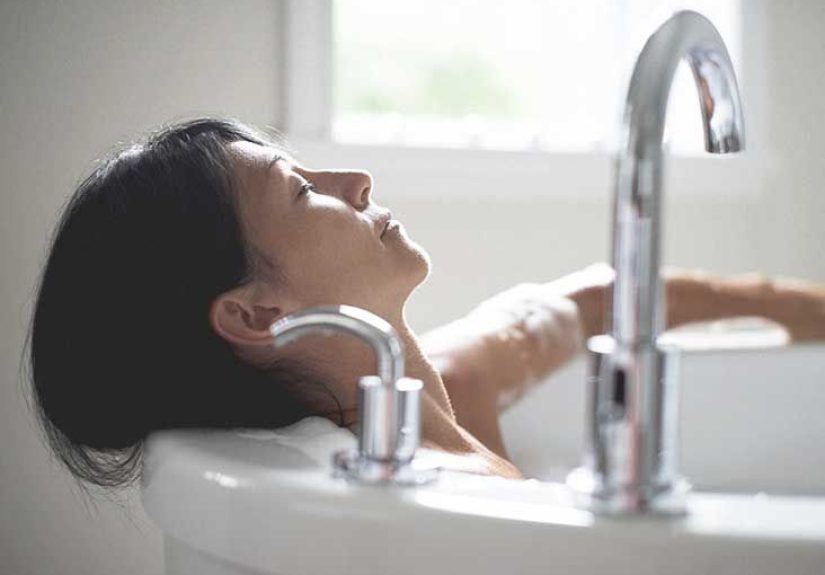
Use heat when your joints feel stiff, achy, or tight, especially in the morning or before exercise. A warm shower, heating pad, warm towel, or paraffin wax bath for hands may help loosen things up. Moist heat often feels especially soothing. Keep heat sessions around 15 to 20 minutes and avoid sleeping with a heating pad, because burns are not a wellness strategy.
When to use cold
Use cold when a joint feels swollen, warm, or irritated after activity. Wrap an ice pack or a bag of frozen vegetables in a towel and apply it for about 10 to 15 minutes. Never put ice directly on skin. If you have circulation problems, nerve damage, or reduced sensation, ask a healthcare professional before using cold therapy.
Many people use both: heat before movement and cold after activity. It is a bit like giving your joints a warm pep talk before the event and a cool-down speech afterward.
3. Manage Weight With Joint-Friendly Nutrition
Weight management is not about chasing a perfect number on a scale. For osteoarthritis, it is about reducing mechanical pressure on joints, especially the knees, hips, feet, and lower back. Even modest weight loss can make movement easier for some people with overweight or obesity. Less load means your joints do not have to work as hard with every step.
Eat for less stress on your joints
A joint-friendly eating pattern focuses on whole, nourishing foods rather than extreme dieting. Fill your plate with vegetables, fruits, beans, whole grains, nuts, seeds, lean proteins, and healthy fats such as olive oil. Fatty fish like salmon, sardines, and trout provide omega-3 fatty acids, which are often discussed for their role in supporting overall inflammatory balance. If fish is not your thing, walnuts, chia seeds, and flaxseeds can also help round out a healthy diet.
Limit highly processed snacks, sugary drinks, and oversized portions that can make weight management harder. This does not mean you must live on kale and moral superiority. It means building meals that support energy, muscle, and steady habits. A bowl with brown rice, grilled chicken or tofu, roasted vegetables, olive oil, herbs, and a squeeze of lemon is more useful than a “detox” drink that tastes like lawn clippings.
Small changes that actually stick
Try practical swaps: water instead of soda most days, fruit instead of candy after lunch, smaller plates at dinner, protein at breakfast, and vegetables added to meals you already enjoy. If weight loss is a goal, consider working with a registered dietitian, especially if you have diabetes, kidney disease, heart disease, or other medical conditions.
4. Protect Your Joints With Smart Tools and Better Body Mechanics
Joint protection is one of the most underrated home remedies for osteoarthritis. It does not sound flashy, but it can make a big difference. The idea is simple: reduce unnecessary strain so your joints can spend their energy on what matters.
Helpful assistive devices
For knee or hip osteoarthritis, a cane, walker, brace, shoe insert, or supportive footwear may improve stability and reduce pressure. For hand osteoarthritis, jar openers, large-handled utensils, zipper pulls, electric can openers, and ergonomic tools can make daily tasks less painful. These devices are not a sign of “giving up.” They are signs that you are smarter than a stubborn pickle jar.
When using a cane for knee or hip pain, it is commonly held in the hand opposite the painful leg. This can help shift weight and improve balance. However, proper fit matters. A physical therapist or occupational therapist can help you choose and use devices correctly.
Improve everyday movement
Make small changes around the house. Store frequently used items at waist level. Use both hands to lift heavier objects. Push items instead of carrying them when possible. Take breaks during repetitive tasks like gardening, cleaning, cooking, or typing. If stairs are painful, use the handrail and step slowly. If mornings are stiff, prepare essentials the night before so you are not wrestling with socks at 6:30 a.m. like it is a competitive sport.
5. Try Mind-Body Remedies: Tai Chi, Yoga, Relaxation, and Better Sleep
Osteoarthritis pain is physical, but stress, poor sleep, and tension can turn up the volume. Mind-body remedies may help by improving balance, flexibility, breathing, body awareness, and coping skills. Tai chi is especially popular for arthritis because it combines slow movement, controlled breathing, and balance training without aggressive impact.
Tai chi and gentle yoga
Tai chi can be done at home with beginner videos, community classes, or guided programs. Its slow, flowing movements are often easier on joints than fast exercise. Gentle yoga may also help some people improve flexibility and reduce stress, but it should be adapted for affected joints. Avoid poses that cause pain, deep twisting, long kneeling, or positions that overload wrists, knees, or hips.
Relaxation for pain control
Relaxation techniques do not erase osteoarthritis, but they can help reduce muscle guarding and stress-related pain sensitivity. Try deep breathing, guided imagery, progressive muscle relaxation, meditation, calming music, or a short evening stretch routine. Even five minutes can help. Your nervous system does not need a spa retreat in the mountains; sometimes it just needs you to stop clenching your jaw while reading emails.
Sleep matters more than people think
Pain can disrupt sleep, and poor sleep can make pain feel worse. Create a joint-friendly sleep setup with supportive pillows, a consistent bedtime, a dark room, and limited screen time before bed. If knee pain bothers you, a pillow between the knees may help side sleepers. If hip pain is the problem, experiment with mattress firmness and pillow support. Persistent sleep problems deserve medical attention, especially if pain wakes you nightly.
6. Use Topical Relief and Self-Massage Carefully
Topical treatments can be useful because they target the painful area without affecting the whole body as much as oral medication might. Options include over-the-counter topical NSAID gels, capsaicin creams, menthol rubs, and other pain-relief creams. Always read labels, follow directions, and ask a pharmacist or clinician if you take medications or have sensitive skin.
Capsaicin and topical gels
Capsaicin, derived from chili peppers, may help some people when applied regularly to painful joints. It can cause burning or stinging, especially at first, so wash your hands carefully after use and keep it away from your eyes. Topical NSAID gels may help with localized osteoarthritis pain, especially in joints close to the skin, such as knees and hands. Do not combine multiple medicated creams without professional guidance.
Self-massage for stiff muscles
Self-massage can relax tight muscles around sore joints and improve comfort. Use gentle pressure, not deep digging. Massage the muscles above and below the joint rather than pressing directly on swollen or tender areas. For hand osteoarthritis, warm your hands first, then gently massage the fingers, palms, and base of the thumb. For knees, massage the thigh and calf muscles to reduce tension around the joint.
If massage increases pain, causes bruising, or worsens swelling, stop. More pressure is not always better. Your joints are not pizza dough.
Home Remedies to Use With Caution
Some natural remedies for osteoarthritis are popular but less predictable. Glucosamine, chondroitin, turmeric, fish oil, collagen, and herbal products are widely discussed, but evidence varies, and supplements can interact with medications or affect bleeding risk, blood sugar, blood pressure, or surgery safety. “Natural” does not always mean harmless. Poison ivy is natural, and nobody invites it to dinner.
Before starting supplements, talk with a healthcare professional, especially if you take blood thinners, diabetes medication, heart medication, immune-suppressing drugs, or if you are pregnant, breastfeeding, or preparing for surgery. Also be cautious with extreme elimination diets, unproven arthritis “cleanses,” and expensive products promising cartilage regrowth. Osteoarthritis deserves real care, not marketing confetti.
When Home Remedies Are Not Enough
Home remedies can help many people manage mild to moderate symptoms, but they are not the whole treatment plan for everyone. See a healthcare professional if pain limits daily activities, you have frequent swelling, symptoms are getting worse, or over-the-counter strategies are no longer helping. A clinician may recommend physical therapy, imaging, medications, injections, braces, or other treatments depending on your joint, symptoms, and health history.
Seek prompt medical care for sudden severe joint pain, inability to bear weight, fever, redness, major swelling, injury, or a joint that feels hot and looks infected. Osteoarthritis is common, but not every painful joint is “just arthritis.”
Everyday Experiences: What Living With Osteoarthritis Remedies Can Look Like
Home remedies for osteoarthritis sound simple on paper, but real life is where they either work or quietly disappear under a pile of good intentions. The most successful approach is usually not dramatic. It is built from small routines that fit into the day without requiring a personality transplant.
Imagine someone with knee osteoarthritis who wakes up stiff every morning. Instead of jumping straight out of bed and regretting every life choice, they begin with two minutes of ankle circles, knee bends, and slow standing. Then they use a warm shower before breakfast. That tiny routine may not look impressive, but it can make the first hour of the day smoother. The win is not perfection. The win is getting downstairs without sounding like a haunted staircase.
Another common experience is learning that “rest” and “avoid all movement” are not the same thing. Many people with OA discover that sitting too long makes stiffness worse, while gentle activity keeps joints more cooperative. A person who works at a desk might set a timer to stand, stretch, or walk for three minutes every hour. This does not require gym clothes, inspirational music, or a dramatic social media post. It simply tells the joints, “Hello, we still live here.”
Food changes can also feel more realistic when they are not framed as punishment. Someone trying to reduce knee pain and manage weight might start by changing lunch: grilled chicken or beans, vegetables, whole grains, and water instead of fast food and soda most days. The goal is not to ban joy from the kitchen. It is to make the usual meals a little more joint-friendly. Over time, these small swaps can support energy, body weight, and overall health.
Joint protection often becomes a favorite remedy once people stop seeing tools as a last resort. A jar opener, supportive shoes, a shower chair, or a cane used on a painful day can preserve energy for better things, like gardening, walking the dog, shopping, cooking, or playing with grandchildren. There is no trophy for making life harder than necessary. If a ten-dollar gadget saves your thumb from a wrestling match with a pasta sauce lid, that gadget deserves applause.
Many people also learn the value of pacing. On a good day, it is tempting to clean the whole house, reorganize the garage, prune the shrubs, and then wonder why the knee has turned into a tiny volcano. Pacing means doing tasks in sections, taking breaks before pain spikes, and alternating heavy activities with lighter ones. It is not laziness. It is strategy.
Finally, the emotional side matters. Osteoarthritis can be frustrating because progress may be gradual. Some days feel better than others. A routine that works in spring may need adjustment in winter. The key is curiosity: Which activities help? Which shoes make symptoms worse? Does heat work better in the morning? Does cold help after errands? With time, people often build a personal OA playbook. It may not cure osteoarthritis, but it can make life feel less controlled by pain and more guided by smart choices.
Conclusion
Osteoarthritis can be stubborn, but home care gives you practical ways to push back. Low-impact exercise keeps joints moving and muscles strong. Heat and cold therapy can ease stiffness and swelling. Weight management and healthy eating reduce stress on weight-bearing joints. Assistive tools and better body mechanics protect painful areas during daily tasks. Mind-body practices support balance, relaxation, and coping. Topical treatments and gentle self-massage may offer extra comfort when used safely.
The best remedy is rarely one single trick. It is a realistic routine that you can repeat. Start with one or two changes, notice how your body responds, and build from there. Osteoarthritis may be part of your life, but it does not have to be the boss of the household.




 Close
Close