
Table of Contents >> Show >> Hide
- What Is Royal System Shelving?
- The Story Behind Poul Cadovius and the Royal System
- Why Royal System Shelving Still Feels Modern
- Materials, Finishes, and Design Details
- Royal System Shelving in Different Rooms
- How to Style Royal System Shelving
- Buying Vintage vs. Buying a New Royal System
- Installation Considerations Before You Buy
- Is Royal System Shelving Worth It?
- Care and Maintenance Tips
- Royal System Shelving Experience: What It Feels Like to Live With It
- Conclusion
Some furniture enters a room quietly. Royal System Shelving does the opposite: it floats in, clears the floor, organizes the chaos, and somehow makes your books look more intellectual than they were yesterday. Designed by Danish furniture designer Poul Cadovius in 1948, the Royal System is one of those rare storage ideas that feels both deeply mid-century and surprisingly modern. It is a shelving system, yes, but calling it “just shelves” is like calling a grand piano “a large wooden noise machine.” Technically true. Spiritually unacceptable.
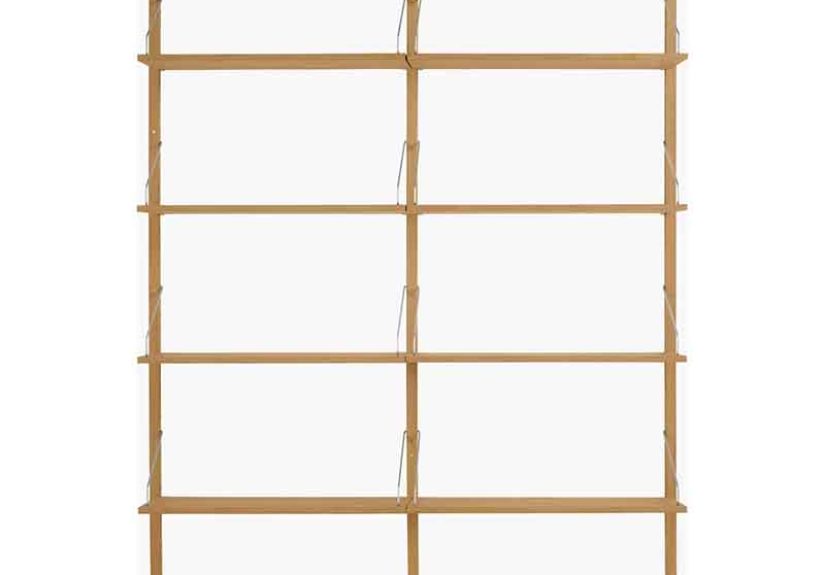
Royal System Shelving is a wall-mounted modular storage system built around rails, shelves, brackets, cabinets, drawers, and desk components. Its genius is simple: instead of letting heavy furniture hog floor space like an overconfident sofa, the system moves storage onto the wall. The result is lighter, airier, and far more flexible than a traditional bookcase. For small apartments, home offices, living rooms, dining areas, and stylish studios, that is not just design; that is spatial sorcery.
What Is Royal System Shelving?
Royal System Shelving is a modular wall shelving system originally created by Poul Cadovius, a Danish designer, manufacturer, and restless inventor known for practical elegance. The system uses vertical wooden rails mounted to the wall. Shelves, cabinets, drawers, and desk units then hang from those rails using metal brackets or hangers. Because the pieces can be arranged in multiple combinations, the system can work as a bookcase, media wall, home office, display shelf, entry storage station, or compact writing desk.
The design belongs to the broader world of Scandinavian modern furniture: clean lines, warm wood, minimal ornament, smart function, and that calm “I have my life together” energy that many homes desperately attempt to fake with baskets. Royal System does not need to shout. Its beauty comes from proportion, spacing, material, and usefulness.
The Story Behind Poul Cadovius and the Royal System
Poul Cadovius designed Royal System in 1948, at a time when many homes were still filled with bulky storage pieces. Cadovius saw a problem: people were living on the floor plane while the walls sat underused. His solution was bold for its time: lift furniture off the floor and let the wall carry the work.
This idea became one of the first major wall-mounted furniture systems and helped define modular storage for the mid-century modern era. In the 1950s and 1960s, Royal System became widely admired for its lightweight look and flexible configurations. It was produced in Denmark and licensed in many countries, becoming one of Danish furniture history’s major successes.
Cadovius was not merely a shelving man with a measuring tape and a dream. He was a prolific inventor associated with hundreds of patents and a range of furniture systems. Royal System, however, remains his signature contribution because it solved a real domestic problem with grace. It made storage feel architectural rather than clunky.
Why Royal System Shelving Still Feels Modern
It Saves Floor Space
The most obvious benefit is space. Because the system is wall-mounted, the floor remains open. This helps a room feel larger and easier to clean. Anyone who has ever tried to vacuum around a heavy bookcase knows the emotional complexity of dust bunnies. Royal System reduces that drama.
It Adapts as Your Life Changes
A traditional bookcase has one personality. Royal System has range. You can start with a simple one-bay shelving setup, then add cabinets, deeper shelves, drawers, or a desk element later. In a first apartment, it might hold books and a small lamp. In a grown-up home office, it can become a handsome work wall. In a living room, it can display ceramics, framed art, records, and the one design book you definitely bought for the cover.
It Balances Display and Hidden Storage
Open shelving is beautiful until it starts displaying charging cables, tax folders, and the mysterious key you refuse to throw away. Royal System handles this problem with cabinet modules and drawers. Open shelves can show books and decor, while closed storage hides the less photogenic parts of modern life.
Materials, Finishes, and Design Details
Modern Royal System configurations are commonly available in oak and walnut finishes, with metal hangers such as brass or stainless steel depending on the configuration. The system may include open shelves, sliding-door cabinets, drop-front desk cabinets, drawer units, rippled glass doors, and woven wood veneer cabinet fronts. These details matter because they allow the shelving to look warm, refined, and custom without becoming fussy.
Walnut gives the system a richer, darker, more classic mid-century mood. Oak feels lighter, casual, and airy, especially in bright rooms or Scandinavian-inspired interiors. Brass hangers add warmth and patina over time, while stainless steel gives the system a cleaner and more contemporary feel.
The cabinets are especially important. A drop-front cabinet can double as a small desk, which makes it useful in apartments, guest rooms, or multipurpose spaces. Drawer modules help corral office supplies, remotes, notebooks, and other daily clutter. Woven fronts add texture and a subtle handcrafted quality, while rippled glass creates visual interest without fully exposing what sits behind the doors. In other words, your clutter can wear a tuxedo.
Royal System Shelving in Different Rooms
Living Room
In a living room, Royal System Shelving can function as a media wall, display area, library, or elegant alternative to a bulky entertainment center. A two-bay or three-bay configuration can hold books, speakers, framed photos, plants, and decorative objects. Cabinets below or between shelves can hide electronics and cables. The best styling approach is to mix practical storage with breathing room. Do not cram every shelf as if it is preparing for a storage Olympics.
Home Office
Royal System is especially strong in a home office. A workspace configuration with a desk cabinet or writing surface can create a compact work zone without needing a large freestanding desk. Add shelves above for books, binders, and reference materials. Use drawers for pens, chargers, paper, and the emergency chocolate that every productive office deserves.
Bedroom
In a bedroom, the system can replace a dresser, vanity, or bedside storage wall. A narrow configuration can hold folded sweaters, perfume, books, jewelry trays, and small lamps. Because it mounts to the wall, it keeps the room feeling open, which is helpful in smaller bedrooms where every square inch behaves like premium real estate.
Entryway
An entryway Royal System setup can be both stylish and brutally practical. Use shelves for bags and baskets, a cabinet for keys and mail, and open space below for shoes or a bench. It creates a landing zone that says, “Welcome home,” rather than, “Please enjoy this pile of receipts.”
Dining Room
In a dining area, Royal System can act as a floating sideboard. Cabinets can hold linens, candles, serving pieces, and glassware. Open shelves can display ceramics, cookbooks, or bar accessories. It has the elegance of a built-in but the flexibility of a modular furniture system.
How to Style Royal System Shelving
The best Royal System styling begins with restraint. This system looks most beautiful when the negative space is allowed to participate. Start with books, then add objects with different heights and textures. Use a few sculptural pieces, framed art, bowls, plants, or a small lamp. Group items in odd numbers and vary vertical and horizontal stacks.
For a modern look, keep the palette simple: wood, white, black, brass, glass, and a few natural textures. For a warmer vintage look, add pottery, old books, record sleeves, woven baskets, and art prints. For a family home, mix attractive storage boxes with meaningful objects, because real life includes board games, batteries, and at least one drawer full of things nobody can identify.
Buying Vintage vs. Buying a New Royal System
One major question is whether to buy vintage Royal System Shelving or a newer production version. Vintage pieces have charm, patina, and collector appeal. They may include teak or rosewood finishes that are closely associated with mid-century Danish interiors. However, vintage systems can come with challenges: missing brackets, uneven rails, old wall hardware, damaged veneer, or pieces from different production eras that do not match perfectly.
A new Royal System configuration offers consistency, easier planning, and modern availability. Current versions from dk3 and North American retailers provide defined options, dimensions, and finishes. This can be the better route if you want a clean installation, a predictable configuration, or customer support during the ordering process.
Collectors may prefer vintage. Busy homeowners may prefer new. Perfectionists may prefer new. Treasure hunters with a van, patience, and a suspiciously large collection of Allen keys may enjoy vintage.
Installation Considerations Before You Buy
Royal System Shelving is wall-mounted, so installation matters. This is not the moment for heroic guessing. The rails must be securely attached to appropriate wall structure, and the weight of shelves, cabinets, books, and objects must be considered. Professional installation is often a smart choice, especially for larger configurations or walls with unusual construction.
Measure the wall carefully. Check ceiling height, outlet placement, baseboards, light switches, door swings, and nearby furniture. Decide whether the shelving should be centered on a wall, aligned with a sofa, or placed above a desk or credenza. Before drilling, map the entire layout on paper or with painter’s tape. Painter’s tape is cheaper than regret.
Also consider shelf depth. Shallow shelves are great for books and decor. Deeper components work better for records, office equipment, or larger storage. Cabinets add visual weight, so place them thoughtfully. Many successful configurations keep heavier cabinets lower and open shelves higher.
Is Royal System Shelving Worth It?
Royal System Shelving is not a bargain-bin storage solution. It is design furniture with history, craftsmanship, and long-term value. Whether it is worth it depends on your priorities. If you want quick, cheap storage for a garage, look elsewhere. If you want a beautiful modular system that can define a room, adapt over time, and hold both books and personality, Royal System makes a strong case.
Its value comes from more than materials. It brings architecture to a room. It makes storage feel intentional. It can turn a blank wall into a working library, office, or display zone. And because the design has already remained relevant for decades, it is less likely to feel dated after the next interior trend finishes tap dancing across social media.
Care and Maintenance Tips
To keep Royal System Shelving looking its best, dust shelves regularly with a soft cloth. Avoid harsh chemical cleaners, especially on wood veneer or natural finishes. Use coasters or trays under plants, ceramics, and drinks. Keep heavy items distributed evenly rather than loading one shelf like it is training for a powerlifting competition.
For brass hardware, expect some natural patina over time. Many people enjoy this warmer aged look. If you prefer a shinier appearance, use appropriate metal care products carefully and follow manufacturer guidance. For glass or rippled glass doors, clean gently with a microfiber cloth and a mild glass cleaner sprayed onto the cloth rather than directly onto the cabinet.
Royal System Shelving Experience: What It Feels Like to Live With It
Living with Royal System Shelving is different from living with a standard bookcase. The first thing you notice is the floor. Suddenly, there is more of it. The room breathes. The wall looks considered, and the space below the shelving becomes usable instead of blocked by furniture legs and dust. It is a small change with a surprisingly big psychological effect.
In a home office, the experience is especially satisfying. A Royal System workspace can keep essentials within reach without turning the desk into a paper swamp. Books sit above eye level, drawers hide small items, and the drop-front cabinet or desk surface gives you a focused place to work. It feels organized without being sterile. That balance is hard to achieve. Many office setups look either too chaotic or so minimal that you wonder whether actual work is legally allowed there.
In a living room, the system becomes part storage and part self-portrait. The shelves tell people what you read, where you travel, what objects you love, and whether you are the kind of person who alphabetizes books or simply hopes gravity understands the plan. Because the system is modular, you can edit it over time. Add a cabinet when life gets messier. Remove a shelf when you buy taller art. Rearrange objects when you need the room to feel fresh without repainting everything or making a dramatic announcement about “new beginnings.”
The most practical experience is cleaning. Because the system is off the floor, sweeping and vacuuming are easier. This sounds boring until you have lived with heavy furniture that traps dust like it is preserving evidence. Royal System makes maintenance feel simpler. It also encourages better organization because everything has a visible place. Open shelving has a way of gently shaming you into tidiness. Not aggressively. Just enough.
There is also a daily pleasure in the materials. Wood warms up a room in a way metal-only storage rarely does. Walnut can make a wall feel rich and established, while oak brings a softer, brighter energy. Cabinets with woven fronts add texture that catches light beautifully. Rippled glass gives just enough mystery to hide practical items while still feeling decorative.
The one experience to prepare for is planning. Royal System rewards careful decisions. Where should the cabinets go? How much open shelving do you need? Will the desk height feel comfortable? Are the rails positioned correctly? This is not furniture to buy casually at midnight because you saw one beautiful photo and suddenly believed you were Danish. Take measurements, plan the layout, and think about what you actually own.
Once installed, though, Royal System Shelving tends to feel less like a purchase and more like a permanent upgrade. It makes a room smarter. It makes storage calmer. It gives everyday objects a stage without letting clutter steal the microphone. That is the magic of the design: it is practical enough to use every day and beautiful enough to admire when you are doing absolutely nothing productive.
Conclusion
Royal System Shelving remains a design classic because it solves a problem that has never gone out of style: homes need storage, but nobody wants their rooms to feel heavy, crowded, or boring. Poul Cadovius answered that problem in 1948 with a wall-mounted modular system that still looks fresh today. Its rails, shelves, cabinets, drawers, and desk options allow homeowners to create custom-feeling storage without losing the lightness that makes Scandinavian design so beloved.
Whether used as a living room library, compact home office, dining room storage wall, or elegant entryway solution, Royal System Shelving offers flexibility, beauty, and long-term function. It is not just a place to put things. It is a way to make a room feel more open, organized, and intentional. And if it also makes your books look smarter, well, that is simply good design doing a little extra work.




 Close
Close