
Table of Contents >> Show >> Hide
- Why Dark Wall Colors Are Worth Considering
- 1. Test the Color in Real Light Before You Commit
- 2. Dark Paint Usually Needs More Coats
- 3. Primer Is Your Best Friend
- 4. Choose the Right Finish for the Room
- 5. Wall Prep Becomes More Important
- 6. Lighting Can Make or Break the Look
- 7. Dark Colors Can Work in Small Rooms
- 8. Balance Dark Walls With Contrast
- 9. Think About Trim, Ceiling, and Adjacent Rooms
- 10. Touch-Ups May Be Trickier
- Best Dark Paint Colors to Consider
- Common Mistakes to Avoid When Painting Walls Dark
- How Dark Walls Affect Mood and Style
- Experience-Based Tips: What Homeowners Learn After Painting Dark Walls
- Conclusion
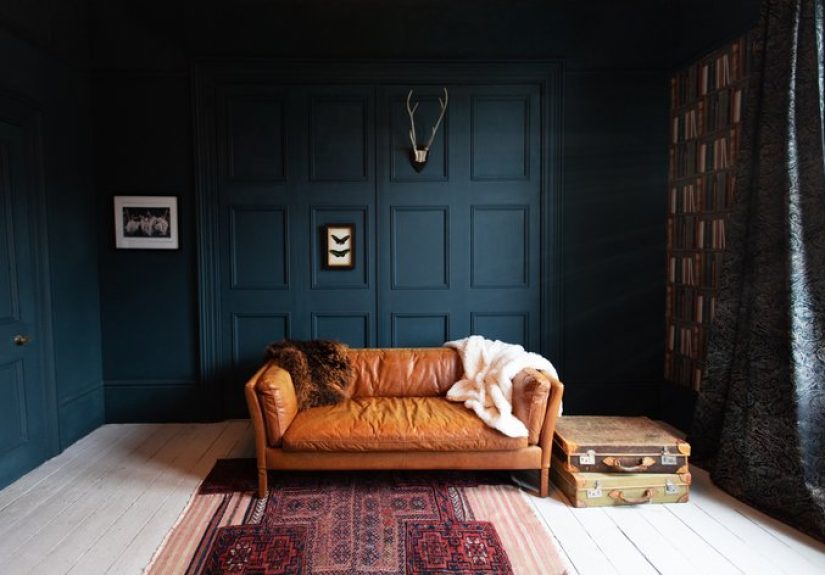
Painting your walls a dark color sounds simple until you are standing in the paint aisle, holding six nearly identical navy swatches, wondering whether your living room is about to become “moody and elegant” or “submarine with throw pillows.” The truth is that dark wall paint can be stunning. Charcoal, forest green, espresso brown, oxblood, aubergine, midnight blue, and soft black can make a room feel polished, cozy, cinematic, and expensive.
But dark paint is not the same as light paint wearing sunglasses. It behaves differently. It absorbs more light, reveals sloppy prep work, changes dramatically throughout the day, and may require more coats than your optimism originally budgeted for. That does not mean you should avoid it. It means you should approach it like a smart homeowner instead of a brave raccoon with a roller.
This guide breaks down the 10 things to know before painting your walls a dark color, inspired by practical home-improvement wisdom and professional painting advice. Whether you are refreshing a bedroom, transforming a dining room, upgrading a powder room, or giving your home office a serious “I close deals here” personality, these tips will help you get a result that looks intentional, not accidental.
Why Dark Wall Colors Are Worth Considering
Dark paint colors are popular because they create atmosphere instantly. A pale wall can feel fresh and open, but a deep color adds depth, contrast, and drama. Dark walls can make artwork pop, highlight architectural details, flatter warm wood tones, and turn ordinary rooms into memorable spaces.
They are especially effective in bedrooms, dining rooms, libraries, powder rooms, media rooms, and cozy sitting areas. A deep green bedroom can feel restful and grounded. A charcoal dining room can feel elegant and intimate. A navy office can make even a basic desk look like it belongs to someone who owns a fountain pen.
Still, the secret is planning. A successful dark wall color depends on lighting, finish, prep work, furniture, trim color, and the overall mood you want. Let’s get into the 10 things you should know before you open the can.
1. Test the Color in Real Light Before You Commit
Never choose a dark wall color based only on a tiny paint chip under store lighting. Paint stores are useful, but they are not your living room. A color that looks like sophisticated slate in the aisle may become gloomy blue, muddy purple, or “why is this wall angry?” once it is on your wall.
Dark paint colors shift strongly depending on natural light, artificial lighting, and surrounding surfaces. North-facing rooms often make colors feel cooler. South-facing rooms usually bring out warmth. Warm bulbs can pull out red, brown, or yellow undertones, while cooler bulbs can make navy, green, and charcoal feel sharper.
How to Sample Dark Paint Correctly
Buy peel-and-stick samples or paint large sample boards. Move them around the room and look at them in the morning, afternoon, evening, and at night with lamps on. Do not test only one wall. A dark color can look completely different beside a window than it does in a shadowy corner.
If the color still makes you smile after 48 hours, it is probably a contender. If you keep squinting at it like it owes you money, move on.
2. Dark Paint Usually Needs More Coats
Dark wall paint often needs at least two coats, and sometimes three, to look rich and even. Deep pigments can show roller marks, thin spots, and patchy coverage more clearly than lighter shades. This is especially true with dramatic colors like black, burgundy, navy, emerald, and chocolate brown.
Do not assume a “paint and primer in one” product means one magical coat will solve everything. High-quality paint helps, but dark color coverage still depends on surface condition, primer, application technique, and the previous wall color.
Plan for Extra Paint
Measure your room carefully and buy enough paint for multiple coats. It is better to have a little extra for touch-ups than to run out halfway through and discover the next gallon was mixed slightly differently. That is how walls develop personalities, and not in a charming way.
3. Primer Is Your Best Friend
Primer is not just an optional step for people who enjoy doing extra chores. When painting walls a dark color, primer can improve adhesion, create a more even base, reduce flashing, and help the final color appear truer. If your walls are patched, stained, glossy, new drywall, or currently painted a very different color, primer is especially important.
A tinted primer can be helpful when applying dark paint. Instead of starting from a bright white base, a gray or color-tinted primer gives the dark topcoat a head start. This can make the finish look deeper and more consistent.
When You Should Definitely Prime
Prime if you are covering white walls with black paint, painting over a glossy surface, hiding stains, dealing with repaired drywall, or changing from one intense color to another. Also prime if the wall has uneven patches from old picture hooks, scuffs, or previous touch-ups.
Skipping primer may save an hour today and cost you a weekend later. Primer is the quiet hero of dark wall painting. It does not get applause, but without it, the whole performance can fall apart.
4. Choose the Right Finish for the Room
Paint finish matters more with dark colors because sheen affects how light bounces off the wall. Flat and matte finishes create a soft, velvety look and can help hide minor wall imperfections. However, they are usually harder to clean, which may be a problem in hallways, kids’ rooms, kitchens, and bathrooms.
Eggshell and satin finishes are more washable and durable, making them practical choices for high-traffic spaces. Satin reflects a bit more light, which can add life to a dark color, but it can also reveal dents, roller marks, and wall flaws. Semi-gloss and high-gloss finishes are generally best saved for trim, doors, and special design moments because glossy dark walls can highlight every bump like a tiny museum exhibit.
Best Finish by Room
For bedrooms and formal living rooms, matte or eggshell often works beautifully. For hallways, family rooms, and dining rooms, eggshell or satin is usually safer. For bathrooms and kitchens, satin is often a practical choice because it handles moisture and cleaning better than flatter finishes.
5. Wall Prep Becomes More Important
Dark paint is dramatic, but it is also honest. It will not politely ignore nail holes, dents, rough patches, or old roller texture. In fact, deep colors can make imperfections more noticeable, especially when light hits the wall from the side.
Before painting, remove wall plates, fill holes, sand rough spots, wipe away dust, and clean grime from the surface. Pay special attention to areas around light switches, doorways, and furniture, where fingerprints and scuffs tend to gather.
The Prep Checklist
Start by clearing the room or moving furniture to the center and covering it. Remove curtains, wall art, outlet covers, and hardware. Fill holes with spackle, let it dry, sand smooth, and wipe the wall with a damp cloth. Tape trim carefully. Use drop cloths because dark paint on flooring is not “character”; it is evidence.
Good prep is not glamorous, but it is the difference between “custom designer room” and “weekend project with emotional complications.”
6. Lighting Can Make or Break the Look
Dark walls absorb more light than pale walls, so lighting is not an afterthought. It is part of the design. A dark room without enough lighting can feel flat and cave-like. A dark room with layered lighting can feel warm, luxurious, and deeply inviting.
Use a mix of overhead lighting, table lamps, floor lamps, sconces, picture lights, and accent lighting. The goal is not to blast the room like a grocery store freezer aisle. The goal is to create layers so the color has depth and the room remains functional.
Warm Bulbs Often Help
Warm white bulbs can make dark colors feel cozy, especially browns, greens, reds, and warm blacks. Cooler bulbs can work well with crisp charcoal, blue-black, or modern navy, but they may make some rooms feel stark. Test your paint color with the actual bulbs you plan to use.
7. Dark Colors Can Work in Small Rooms
One of the biggest myths about dark paint is that it should never be used in small rooms. Yes, dark colors can make walls feel closer if the room is poorly lit or cluttered. But in the right setting, dark paint can blur corners, create depth, and make a small room feel intentional rather than cramped.
Powder rooms, small bedrooms, dens, and reading nooks are great places to experiment. Because these spaces are already compact, a deep color can turn their size into a feature. The room stops apologizing for being small and starts acting mysterious.
Try Color Drenching
Color drenching means painting walls, trim, doors, and sometimes the ceiling in the same or similar dark color. This reduces contrast and can make a small room feel more cohesive. It works especially well in enclosed rooms, where the design does not have to compete with open sightlines into other spaces.
8. Balance Dark Walls With Contrast
Dark walls need balance. Without contrast, a room can feel heavy. With the right contrast, it becomes layered and beautiful. Think light upholstery, warm wood, brass hardware, white bedding, natural linen, cream curtains, colorful art, woven baskets, mirrors, glass lamps, or pale rugs.
The contrast does not have to be extreme. A charcoal wall with camel leather chairs and oak shelves can feel warm and grounded. A navy wall with white trim and brass lighting can feel crisp and classic. A deep green wall with botanical prints and walnut furniture can feel collected and natural.
Use Texture, Not Just Color
Texture keeps dark rooms from feeling flat. Add velvet, wool, linen, rattan, leather, wood grain, ceramic, stone, or metal. Dark paint gives these materials a rich backdrop. It is like stage lighting for your furniture, except the sofa does not have to sing.
9. Think About Trim, Ceiling, and Adjacent Rooms
When painting walls a dark color, do not stop your planning at the wall. Consider the trim, ceiling, doors, and nearby rooms. Bright white trim creates a crisp, traditional contrast. Matching trim creates a modern, enveloping effect. A soft off-white ceiling can keep the room from feeling too enclosed, while a dark ceiling can make the space feel dramatic and intimate.
Also think about how the dark room connects to the rest of your home. A black dining room beside a pale hallway can look stunning if the transition feels intentional. Repeating the dark color in accessories, artwork, or furniture elsewhere can help your home feel cohesive.
Do Not Forget the Ceiling
A white ceiling is safe, but it is not the only option. Painting the ceiling a lighter version of the wall color can soften the transition. Painting it the same dark color can create a cocoon effect. This works beautifully in bedrooms, libraries, and media rooms, but it may feel too intense in spaces where you need bright task lighting.
10. Touch-Ups May Be Trickier
Dark paint can be less forgiving when it comes to touch-ups. A small dab of paint may dry with a slightly different sheen or texture, especially if the original wall has aged, been cleaned, or was painted with a different roller. This can create a visible patch known as flashing.
To make future touch-ups easier, save leftover paint in a sealed, labeled container. Write down the brand, color name, color code, finish, room, and date. Also keep a note of the roller nap you used. If you need to touch up later, use the same application method whenever possible.
Sometimes Repainting the Whole Wall Is Better
If a mark is large or in a highly visible area, repainting from corner to corner may look better than touching up one spot. Dark walls are dramatic; unfortunately, they are also dramatic about repairs.
Best Dark Paint Colors to Consider
If you are ready to explore dark interior paint colors, start with classic families that are easier to decorate around. Navy blue works well in bedrooms, offices, dining rooms, and built-ins. Charcoal gray is versatile and modern. Deep green feels organic and calming. Chocolate brown is warm and sophisticated. Soft black creates drama without feeling harsh. Burgundy and plum add richness but require careful styling.
Look at undertones before choosing. A black paint may have blue, green, brown, or purple undertones. A navy can lean crisp and nautical or warm and smoky. A green can feel earthy, elegant, or oddly medical depending on the light. Undertones are sneaky little gremlins, so sample generously.
Common Mistakes to Avoid When Painting Walls Dark
Choosing the Color Too Quickly
Dark paint is a commitment. Do not choose it from a phone photo or a single swatch. Test it in the actual room and compare it with flooring, furniture, cabinets, curtains, and artwork.
Using Cheap Tools
Good brushes and rollers matter. Dark paint can show streaks and uneven texture, so invest in quality roller covers and an angled brush for cutting in. Cheap tools shed fibers, create lines, and generally behave like they were raised by wolves.
Forgetting About Ventilation
Open windows when possible and follow the paint manufacturer’s directions for drying and recoat times. Good ventilation helps the room dry properly and makes the process more comfortable.
Rushing the Second Coat
Let each coat dry according to the label before applying the next one. Painting too soon can cause dragging, uneven sheen, or poor coverage. Patience is cheaper than repainting.
How Dark Walls Affect Mood and Style
Dark colors often create a sense of intimacy. That makes them excellent for spaces where you want comfort, focus, or conversation. A dark bedroom can feel restful. A deep dining room can encourage guests to linger. A moody office can reduce visual clutter and help you concentrate.
But dark paint also communicates style. It says the room was designed on purpose. Even simple furniture can look more elevated against a rich backdrop. If your space feels bland, a dark color may be the fastest way to add personality without replacing everything you own.
Experience-Based Tips: What Homeowners Learn After Painting Dark Walls
The first experience many homeowners have with dark paint is surprise. The color usually looks more intense on four walls than it did on a sample card. This is normal. A paint chip is a suggestion; a painted room is a full conversation. That is why large samples matter so much. One homeowner may fall in love with a deep olive sample, paint the entire room, and then realize the color looks nearly black at night. Another may choose a charcoal that looks serious during the day and wonderfully cozy under warm lamps. The lesson is simple: dark paint has a daily personality schedule.
Another common lesson is that dark walls make you notice your lighting immediately. A room that seemed “fine” before may suddenly need better lamps, brighter bulbs, or a new fixture. This is not necessarily a problem. In fact, dark paint often encourages better decorating. Once the walls become rich and moody, a lonely ceiling light no longer feels like enough. Table lamps, wall sconces, and picture lights can make the room feel layered and finished. Think of lighting as jewelry for the room. Without it, the outfit may technically be complete, but nobody is inviting it to dinner.
People also learn that furniture placement matters. Dark walls can beautifully frame light furniture, but they can swallow dark furniture if there is no contrast. A black bookcase on a black wall can look chic if styled with books, ceramics, brass, or art. A black sofa against a black wall with no contrast may look like a furniture-shaped shadow. Add pale pillows, a patterned rug, wood tones, or metallic accents to create separation.
Touch-ups are another real-life surprise. Light walls often forgive small repairs. Dark walls remember everything. A shiny patch near a doorway or a dull spot behind a chair can stand out more than expected. The best habit is to keep leftover paint, use gentle cleaning methods, and repaint full wall sections when needed. It sounds inconvenient, but the payoff is a room that keeps its polished look.
Finally, many homeowners discover that dark walls are less scary once they live with them. What felt bold on day one often feels natural by week two. The room becomes cozier, artwork looks better, and everyday objects feel more intentional. Guests may even compliment the color, which is nice because you will still be emotionally recovering from taping the baseboards. The best experience-based advice is to start with a room where mood matters more than brightness, plan carefully, and trust your eye. Dark paint is not just a color choice; it is a design decision with a little drama, a little elegance, and a lot of personality.
Conclusion
Painting your walls a dark color can transform your home, but the best results come from preparation, patience, and smart design choices. Test samples in real light, use primer when needed, choose the right finish, prep your walls carefully, and plan your lighting before you judge the final look. Dark paint can make a small room feel cozy, a plain room feel luxurious, and a forgotten corner feel like it finally got invited to the party.
If you want a room with depth, style, and a bit of drama, dark wall paint is absolutely worth considering. Just do not rush the process. The difference between “designer-inspired” and “accidental dungeon” is usually a sample board, a good primer, and enough lamps.
Note: This article is written as original, publish-ready content based on real home painting and interior design best practices. No external source links or citation placeholders are included in the HTML body.



 Close
Close