
Table of Contents >> Show >> Hide
- What a Heat Recovery Ventilator Actually Does
- Inside the Box: The Key Parts of an HRV
- How Heat Recovery Works (Without the Two Air Streams Mixing)
- HRV vs. ERV: What’s the Difference?
- Why Tight Homes Need Mechanical Ventilation
- How HRVs Are Sized (and Why “More Air” Isn’t Always Better)
- Installation Styles: Fully Ducted vs. Tied Into Existing HVAC
- Cold-Climate Reality: Condensation, Frost, and Defrost Cycles
- Maintenance: The Not-So-Glamorous Part That Makes Everything Work
- Benefits You Can Actually Notice
- Common Misunderstandings (Let’s Clear the AirLiterally)
- Choosing an HRV: What to Look For
- Real-World Experiences: What Living With an HRV Is Like (About )
- Conclusion
Modern homes are built tighter than a new jar of peanut butterand that’s great for energy bills… until the air inside starts
feeling like it’s been “marinating” since Tuesday. A heat recovery ventilator (HRV) fixes that by bringing in fresh outdoor air
while sending stale indoor air out, without throwing your heating (or cooling) money straight into the yard.
In plain English: an HRV is a smart air-swapper. It ventilates your home for better indoor air quality, and it “recycles” heat
from the outgoing air to warm (or pre-cool) the incoming air. Your house gets fresh air; your HVAC system gets a lighter workload.
Everybody wins. Even your windowsbecause fewer mystery moisture streaks.
What a Heat Recovery Ventilator Actually Does
An HRV is a type of balanced ventilation system. That means it moves about the same amount of air in and out. It isn’t just
exhausting air (like a bath fan) or only supplying air (like a fresh-air intake). It does both at the same time, in a controlled way.
The three big jobs of an HRV
- Ventilate: Remove stale, pollutant-filled indoor air and replace it with outdoor air.
- Recover heat: Transfer heat from the outgoing airstream to the incoming airstream (in winter), or the reverse (in summer).
- Protect comfort: Reduce drafts and temperature shock from raw outdoor air entering the living space.
This is especially helpful in newer, tighter homes where natural “leakage ventilation” is low. Tight building envelopes are great for
energy efficiency, but they also mean indoor pollutants (cooking fumes, cleaning chemicals, pet dander, humidity, and that one
“mystery smell” you swear wasn’t you) can build up without consistent ventilation.
Inside the Box: The Key Parts of an HRV
Most residential HRVs have the same core ingredientskind of like pancakes, but with fewer weekend arguments and more ductwork.
1) Two fans (one in, one out)
One fan pulls fresh outdoor air into the unit. The other fan pushes stale indoor air out. Balanced airflow matters:
if the system is unbalanced, you can create unwanted pressure differences that pull air from attics, crawlspaces, or garages
(aka places you definitely don’t want “bonus air” from).
2) A heat-exchanger core
This is the HRV’s secret sauce. The core is usually a fixed-plate heat exchanger made of thin channels (often plastic or aluminum).
The incoming and outgoing air streams pass through separate pathways that touch closely enough to transfer heat, but (ideally)
do not mix.
3) Filters
HRVs typically have filters on the incoming (and sometimes outgoing) airstreams to protect the core and reduce dust and debris.
Some systems can be paired with better filtration strategies depending on the home and local air conditions.
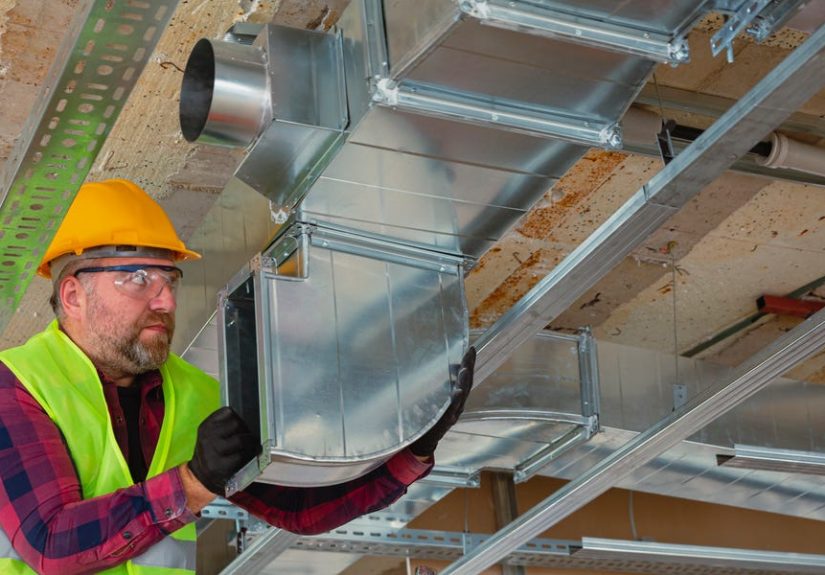
4) Ducts and grilles
Many setups exhaust air from high-moisture or odor areas (bathrooms, laundry rooms) and supply fresh air to bedrooms and living
areas. The goal is a gentle, steady flow that refreshes the whole home.
5) Controls and “boost mode”
Controls may include timers, wall switches, humidity sensors, or smart controls. “Boost” is handy when someone takes a steamy
shower or you’re searing salmon like you’re competing on a cooking show.
6) Condensate drain (often)
In cold weather, moisture in the exhaust air can condense inside the unit. Many HRVs need a drain line to carry away that
condensation safely.
How Heat Recovery Works (Without the Two Air Streams Mixing)
Picture two highways separated by a wall: cars in each direction don’t cross over, but heat can pass through the barrier.
That’s basically what happens inside an HRV core.
Winter example: “Keep the heat you paid for”
Warm indoor air is exhausted out. Cold outdoor air is brought in. As they pass through the core, heat transfers from the
warmer exhaust air to the colder incoming air. The result: incoming air enters the home closer to indoor temperature,
reducing how hard your heating system has to work.
Summer example: “Pre-cool the incoming air”
In air-conditioned homes, the cooler indoor exhaust air can help reduce the heat load of hot incoming air. You still get
ventilation, but with less penalty to comfort.
About “effectiveness” (why HRVs aren’t magic, but they are clever)
HRVs are often described by heat recovery effectivenesshow much of the temperature difference they can recover under test
conditions. High-performance units can recover a large portion of the sensible heat that would otherwise be lost with ventilation.
Real-world performance depends on climate, airflow rates, duct design, filter condition, and whether the system is balanced.
HRV vs. ERV: What’s the Difference?
The HRV’s close cousin is the energy recovery ventilator (ERV). Here’s the simplest distinction:
- HRV: Transfers heat (sensible energy). Moisture does not intentionally transfer.
- ERV: Transfers heat and some moisture (total energy/enthalpy), helping manage indoor humidity.
In general, HRVs are often favored in colder, drier climates where you want fresh air without adding moisture from outdoors.
ERVs are commonly used in humid regions where bringing in outdoor air can raise indoor humidity and increase the burden on air
conditioning. The “best” choice depends on climate, indoor moisture sources, and comfort goals.
Why Tight Homes Need Mechanical Ventilation
Older homes “breathed” through cracks and gapssometimes too much, sometimes too little, and never on a schedule. Newer homes,
high-performance retrofits, and well-sealed remodels can reduce uncontrolled air leakage dramatically.
That’s good for energy efficiency, but it also means you can’t rely on random drafts to remove indoor pollutants. A whole-house
ventilation approachoften guided by residential ventilation standards and local codehelps ensure a consistent supply of outdoor air.
An HRV provides that ventilation with less heating/cooling energy loss than a simple exhaust-only strategy.
How HRVs Are Sized (and Why “More Air” Isn’t Always Better)
A proper ventilation rate is a balancing act: too low and pollutants build up; too high and you waste energy and risk comfort issues
(like dry winter air or extra humidity in summer).
A common sizing approach
Many pros size whole-house ventilation using methods aligned with widely used residential ventilation guidance. A commonly referenced
formula for required continuous ventilation (in cubic feet per minute, CFM) is:
Ventilation rate ≈ 0.03 × floor area (ft²) + 7.5 × (bedrooms + 1)
Quick example
For a 2,000 ft², 3-bedroom home:
0.03 × 2,000 = 60
7.5 × (3 + 1) = 30
Total ≈ 90 CFM
Real sizing can include adjustments for infiltration, local requirements, intermittent operation, and specific equipment performance.
Translation: the “right” number isn’t a vibeit’s math plus building science.
Installation Styles: Fully Ducted vs. Tied Into Existing HVAC
HRVs can be installed in different ways depending on the home, budget, and existing duct layout:
Option A: Fully ducted (dedicated supply and exhaust)
This is the most controlled approach. The HRV has its own ducts delivering fresh air to living spaces and removing stale air from
bathrooms, laundry rooms, and sometimes kitchens (note: it does not replace a proper range hood).
Option B: Partially integrated with forced-air HVAC
Some systems connect to parts of the existing HVAC ductwork so the furnace/air handler helps distribute fresh air. This can reduce
ducting complexity, but design matterspoor integration can cause uneven distribution, extra fan energy, or mixing issues.
Keep it quiet (and comfortable)
Good installations focus on sound attenuation, smart grille placement, and airflow balancing. A well-installed HRV should be
more “quiet background helper” than “small airport terminal.”
Cold-Climate Reality: Condensation, Frost, and Defrost Cycles
In winter, warm indoor exhaust air meets cold surfaces inside the heat exchanger. Water vapor can condense, and if it’s cold enough,
that condensation can freeze. That’s why many HRVs include frost-control strategies.
Common frost-control approaches
- Intermittent defrost: Temporarily reduces or pauses intake to warm the core using exhaust air.
- Recirculation/defrost mode: Recirculates indoor air through the core for a short period.
- Preheater (in some climates): Slightly warms incoming outdoor air to reduce freeze risk.
If you live where winter feels personal, defrost performance and condensate drainage aren’t “bonus features”they’re essential.
Maintenance: The Not-So-Glamorous Part That Makes Everything Work
HRVs are wonderfully low drama… as long as you don’t ignore them like an unread group chat.
A neglected system can lose efficiency, move less air, and increase noise.
Maintenance checklist
- Clean or replace filters: Frequency depends on pets, dust, and outdoor conditions.
- Inspect the core: Some cores can be removed and gently cleaned per manufacturer instructions.
- Check the condensate drain: Make sure it’s clear and properly sloped/trapped if required.
- Verify outdoor hoods: Keep intake/exhaust hoods clear of leaves, lint, and snow.
- Confirm airflow balance: Especially after renovations, duct changes, or equipment service.
Pro tip: if your “fresh air” starts smelling suspiciously like your attic, it’s time to call a qualified HVAC pro and
re-check the installation and balance.
Benefits You Can Actually Notice
People often talk about HRVs in technical terms, but the perks show up in everyday life:
- Less stuffy air: Bedrooms feel fresher overnight, especially with doors closed.
- Better moisture control: Less window condensation and fewer “why is the mirror still foggy?” moments.
- Odor reduction: Cooking smells and musty notes clear out faster (your nose will file a formal complaint if not).
- Energy savings vs. basic ventilation: The home gets ventilation with reduced heating/cooling penalties.
- More consistent comfort: Incoming air is tempered, so the house feels less drafty.
Common Misunderstandings (Let’s Clear the AirLiterally)
“An HRV is an air purifier.”
Not exactly. HRVs provide ventilation and typically have filters to protect the equipment and reduce particulates, but they’re not
designed as high-efficiency particulate scrubbers. You can combine ventilation with improved filtration strategies when needed,
but don’t expect an HRV alone to solve every air-quality issue.
“If I have bathroom fans, I don’t need an HRV.”
Bath fans are great for spot exhaust, but they don’t provide balanced, whole-house fresh air distribution. An HRV is a
whole-house strategy, not a single-room fix.
“More ventilation is always better.”
Too much ventilation can over-dry a home in winter or bring in excess humidity in summer. It can also raise energy use.
Right-sizing and smart controls matter.
Choosing an HRV: What to Look For
When shopping or specifying a system, focus on performance and fit, not just brand hype.
Practical selection factors
- Climate fit: HRV vs. ERV considerations based on humidity and temperature extremes.
- Efficiency ratings: Heat recovery performance and fan energy use both matter.
- Noise: Look for quiet operation and plan for sound attenuation in duct design.
- Frost control: Especially important in cold climates.
- Serviceability: Easy filter access and core maintenance encourages real-world upkeep.
- Commissioning: A system is only as good as its airflow balance and installation quality.
Real-World Experiences: What Living With an HRV Is Like (About )
If you ask homeowners what changes after installing a heat recovery ventilator, most won’t start with “enthalpy” or “counterflow core.”
They’ll start with the little daily stuffbecause that’s where ventilation actually shows up.
One of the first things people notice is the morning air. Bedrooms can feel less stale after a night with the door closed.
That “closed-room” smell fades faster, and the house feels more evenly refreshed. It’s not a blast of outdoor air like opening a window
on a windy day; it’s subtlermore like the home quietly stopped hoarding yesterday’s air.
In colder regions, a common “aha” moment is window condensation. Many homeowners report less fogging on glass and fewer
puddles on sills once the HRV is running consistently and the airflow is balanced. That doesn’t mean an HRV is a magic moisture eraser
(you still need good insulation, air sealing, and proper bathroom/kitchen exhaust), but steady ventilation can help keep indoor humidity
from drifting into the “tropical greenhouse” zone in winter.
Installers and building pros often talk about the “quiet success” of a good system: when it’s done right, you don’t think about it much.
A well-designed duct layout, proper balancing, and a little sound attenuation can mean the HRV runs in the background without turning
your hallway into a flute. When it’s done poorly, however, people notice immediatelywhistling grilles, drafts, or rooms that feel like
the fresh air is only visiting certain zip codes of the house. That’s why commissioning (measuring and balancing the airflow) is a big deal.
Another real-world theme is cooking recovery. Even with a good range hood, smells can lingerespecially in open-plan homes.
People often use boost mode during and after cooking and notice odors clearing faster. The HRV won’t replace local exhaust (grease and
combustion byproducts should be captured at the source), but it can help the whole home reset after “taco night meets seared garlic.”
Maintenance experiences are where the “set it and forget it” myth goes to retire. Folks who keep up with filter cleaning tend to have
smoother performancebetter airflow, less noise, and fewer surprises. Those who ignore filters sometimes discover the HRV has been
working overtime to move air through what is basically a dust sweater. The good news: filters are usually easy to access, and a simple
recurring reminder can save you from a mid-winter “why is the system louder?” mystery.
Finally, there’s the seasonal learning curve. Some homeowners tweak settings as weather changesrunning a steadier low speed in winter
and relying on smart boost triggers in summer, or vice versa, depending on comfort and humidity. The takeaway from many lived-in homes is
consistent: the best HRV is the one you actually use correctlybalanced, maintained, and matched to your climate and lifestyle.
When that happens, the home feels fresher, comfort improves, and ventilation stops being a tradeoff between air quality and energy bills.







 Close
Close