
Table of Contents >> Show >> Hide
- What Is Zucchini, Exactly?
- Zucchini Nutrition: What You’re Actually Eating
- Health Benefits of Zucchini (Realistic, Not Magical)
- 1) It helps you eat fewer calories without feeling deprived
- 2) It supports digestive comfort (especially when you keep it simple)
- 3) It contributes antioxidants that support overall wellness
- 4) It fits well into heart-healthy eating patterns
- 5) It’s a smart pick for lower-carb meals
- A quick safety note: bitter zucchini should be a hard no
- How to Choose Zucchini at the Store (or From Your Neighbor’s Porch)
- How to Store Zucchini So It Doesn’t Turn Into a Science Experiment
- How to Cook Zucchini Without Making It Soggy
- Zucchini Recipes and Ideas (From Basic to “Wait, This Is Zucchini?”)
- Zucchini FAQs
- Conclusion: Zucchini Is the MVP of “Easy Healthy”
- Real-Life Zucchini Experiences and Lessons (The 500-Word Add-On)
Zucchini is the overachiever of the produce aisle: it’s mild, adaptable, low-calorie, and somehow always shows up when your neighbor “accidentally” grew
47 pounds of it in their backyard. Whether you’re turning it into zoodles, tucking it into muffins, or sautéing it until it’s golden and a little smug,
zucchini is one of those ingredients that makes healthy eating feel suspiciously easy.
In this guide, we’ll dig into zucchini nutrition, what it can (and can’t) do for your health, how to shop and store it so it doesn’t become “sad
squash soup” in the crisper drawer, and plenty of recipe ideas that go way beyond “slice it and hope for the best.”
What Is Zucchini, Exactly?
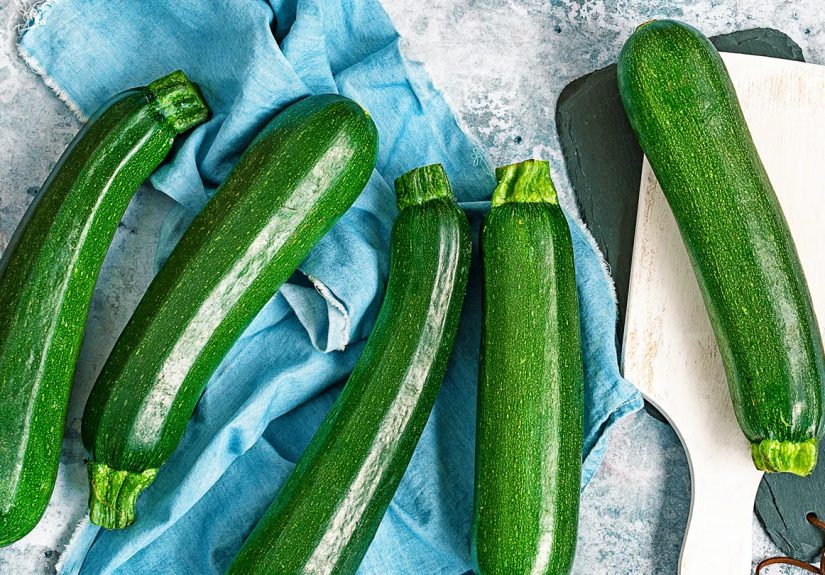
Zucchini (botanically Cucurbita pepo) is a type of summer squashmeaning it’s harvested while still tender and thin-skinned. Unlike winter squash
(think butternut), it’s meant to be eaten fresh, quickly, and enthusiastically. It has a mild, slightly sweet flavor and a high water content, which is
great for hydration but also explains why it can go from “perfectly sautéed” to “squash puddle” if you overcook it.
Is zucchini a fruit or a vegetable?
Botanically, zucchini is a fruit because it develops from the flower and contains seeds. In the kitchen, it behaves like a vegetable, and that’s what
most of us call itbecause saying “pass the sautéed fruit” is how you lose invitations to potlucks.
Zucchini Nutrition: What You’re Actually Eating
Zucchini is famous for being low in calories and easy to fit into lots of eating styles. One cup of raw, sliced zucchini is around 21 calories,
with roughly 4 grams of carbs and about 1 gram of fiberdepending on exact size and variety. It also provides vitamin C,
potassium, and small amounts of several B vitamins and minerals. In other words: it’s a “nutrient helper,” not a heavy hitter like beans or salmonbut it
pulls its weight with volume, hydration, and versatility.
Key nutrients you’ll find in zucchini
- Water: Zucchini is famously water-rich (often cited around the mid-90% range), which helps add bulk and hydration to meals.
- Vitamin C: Supports immune function and helps with collagen formation.
- Potassium: Important for fluid balance and healthy blood pressure patterns.
- Fiber: A modest amount, but still useful for digestion and fullness.
- Carotenoids (like lutein and zeaxanthin): Naturally occurring antioxidants found in many colorful produce foods.
Practical takeaway: zucchini won’t “replace” nutrient-dense foods, but it does make it easier to eat more produce, build satisfying portions, and
keep meals light without feeling like you’re eating air.
Health Benefits of Zucchini (Realistic, Not Magical)
1) It helps you eat fewer calories without feeling deprived
Because zucchini is low in calories but high in volume and water, it’s a classic “add more to your plate” food. You can bulk up pasta sauces, stir-fries,
soups, and taco fillings with chopped zucchini and end up with a bigger serving for fewer calories. This is also why zoodles became a thingspiralized
zucchini can dramatically reduce the calorie density of a bowl compared with wheat pasta.
2) It supports digestive comfort (especially when you keep it simple)
Zucchini offers water plus a bit of fiber, which can support regularity. It’s also fairly gentle compared with some high-fiber vegetables. If your stomach
is sensitive, zucchini is often an easier “starter veggie” than, say, a massive kale salad that fights back.
3) It contributes antioxidants that support overall wellness
Zucchini contains antioxidants such as vitamin C and carotenoids. These compounds help protect cells from oxidative stress. That doesn’t mean zucchini is a
superhero cape for your immune systembut it’s part of the “eat the rainbow” strategy that supports long-term health.
4) It fits well into heart-healthy eating patterns
Heart-healthy diets tend to emphasize vegetables, fiber, and potassium-rich foods. Zucchini checks all three boxes (even if the fiber is modest). Pair it
with other heart-smart staplesbeans, olive oil, fish, nuts, whole grainsand it becomes a reliable teammate.
5) It’s a smart pick for lower-carb meals
With relatively few carbs per cup, zucchini can be used to swap or stretch higher-carb ingredients. Zoodles, zucchini “lasagna” layers, and chopped zucchini
in rice dishes are popular options when people want lighter meals without losing texture and volume.
A quick safety note: bitter zucchini should be a hard no
Zucchini is generally very safe, but if a zucchini tastes unusually bitter, don’t try to “cook the bitterness out.” Rarely, zucchini and
other gourds can contain high levels of natural compounds called cucurbitacins, which can cause significant stomach upset. The simple rule: if it tastes
intensely bitter, spit it out and toss it.
How to Choose Zucchini at the Store (or From Your Neighbor’s Porch)
Look for:
- Small to medium size: Typically more tender and less seedy than giant “baseball bat” zucchini.
- Glossy skin: Dull or wrinkled skin can mean it’s drying out.
- Firmness: It should feel solid, not squishy.
- Minimal blemishes: A few scuffs are fine, but avoid deep cuts or soft spots.
What about big zucchini?
Huge zucchini isn’t “bad”it’s just different. The flesh can be spongier and the seeds larger. It’s often better for shredding (hello, zucchini bread),
stuffing, or blending into soups rather than quick sautéing.
How to Store Zucchini So It Doesn’t Turn Into a Science Experiment
Zucchini likes the refrigerator. For best texture, store it unwashed in the crisper drawer and wash it right before cooking. Many
extension resources recommend using it within about a week for best quality, because it can soften and wrinkle with longer storage.
Can you freeze zucchini?
Yesespecially if you have a garden or you got “blessed” with more zucchini than one household can reasonably process. Freezing is best for future cooking
(soups, sauces, baked goods), not for crisp raw salads.
- For slices/chunks: Blanch briefly, cool, dry well, freeze on a sheet pan, then bag.
- For shredded zucchini: Shred, lightly squeeze excess water, portion into bags, and freeze.
How to Cook Zucchini Without Making It Soggy
The main zucchini challenge is water. The main zucchini victory is learning how to control itlike you’re negotiating peace between “tender” and “mushy.”
Winning techniques
- High heat + space: Sauté or roast at higher heat so moisture evaporates quickly.
- Don’t overcrowd the pan: Crowding = steaming. Steaming = soggy sadness.
- Salt strategically: Salt draws water out. If you need zucchini to stay firm, salt at the end. If you want it to soften, salt earlier.
- Use it raw sometimes: Thin ribbons in salads, quick pickles, or crunchy snack sticks bypass the sog problem entirely.
Flavor friends that love zucchini
Zucchini is mild, so it’s basically a flavor sponge with good manners. It pairs especially well with garlic, lemon, parmesan, basil, mint, dill, smoked
paprika, cumin, feta, tomato, and anything that comes with the words “brown butter.”
Zucchini Recipes and Ideas (From Basic to “Wait, This Is Zucchini?”)
Below are reliable, crowd-pleasing ways to use zucchiniwhether you’ve got one lonely squash or a full kitchen counter of them.
Fast and simple (weeknight mode)
- Garlic-parmesan sauté: High heat, olive oil, sliced zucchini, garlic at the end, parmesan off heat, lemon zest if you’re feeling fancy.
- Sheet-pan roast: Chunked zucchini + cherry tomatoes + red onion + olive oil + Italian seasoning. Roast hot until edges caramelize.
- Quick stir-fry add-in: Toss in near the end so it stays crisp-tender; finish with soy sauce, ginger, and sesame.
Low-carb swaps that actually taste good
- Zoodles (zucchini noodles): Sauté briefly or serve raw with warm sauce so they don’t weep water like a sad soap opera character.
- Zucchini “lasagna” layers: Use thin slices in place of some noodles; pair with a thicker sauce to avoid watery casserole.
- Stuffed zucchini boats: Scoop slightly, fill with turkey taco meat or lentils + salsa, bake, top with cheese or avocado.
Comfort food energy
- Zucchini fritters: Shred, salt, squeeze dry, mix with egg + flour + scallions, pan-fry, serve with yogurt-dill sauce.
- Creamy zucchini soup: Sauté onion + garlic, add zucchini and broth, simmer, blend; finish with lemon and herbs.
- Zucchini gratin: Thin slices, a little cream or milk, garlic, cheese, bake until bubbly and golden.
Baking (aka: the stealth zucchini operation)
Shredded zucchini disappears into batters while adding moisture. That’s why zucchini bread is a classicespecially when your garden is producing zucchini
like it’s trying to win a trophy.
- Zucchini bread or muffins: Add cinnamon, walnuts, or chocolate chips. (Both can be true.)
- Chocolate zucchini cake: Zucchini adds moisture; cocoa steals the spotlight. Everybody wins.
- Breakfast pancakes: Fold in finely shredded zucchini with lemon zest for a not-too-sweet version.
Unexpected but excellent
- Zucchini ribbon salad: Use a peeler, toss with lemon, olive oil, shaved parmesan, toasted almonds.
- Pickled zucchini: Quick pickle slices with vinegar, sugar, salt, mustard seed, and dill.
- Grilled zucchini: Long slices, oil, salt, grill marks, finish with balsamic or chimichurri.
Zucchini FAQs
Do you eat zucchini skin?
Yeszucchini skin is edible and contains some of the vegetable’s nutrients. Just wash it well before eating or cooking.
Is raw zucchini safe?
For most people, yes. Raw zucchini works great in salads and snacks. If you’re sensitive to raw produce, start with small portions or cook it lightly.
Why is my zucchini watery?
High water content plus low heat (or overcrowded pans) leads to watery zucchini. Use higher heat, don’t crowd the pan, and avoid overcooking.
Can zucchini cause stomach issues?
Most people tolerate zucchini well. Large servings of any high-water, higher-fiber produce can cause gas or discomfort in sensitive individuals. Also,
avoid zucchini that tastes intensely bitter.
Conclusion: Zucchini Is the MVP of “Easy Healthy”
Zucchini doesn’t need to shout to be useful. It’s low in calories, easy to cook, and flexible enough to play a role in everything from salads to soups to
baked goods. Add it to your regular rotation if you want meals that feel bigger, lighter, and more vegetable-forwardwithout committing to a life of plain
steamed broccoli and regret.
Real-Life Zucchini Experiences and Lessons (The 500-Word Add-On)
If you’ve ever had a summer where zucchini shows up everywhere, you already know the “zucchini experience” is less of a recipe and more of a lifestyle.
Gardeners talk about it like a friendly invasion: one day you have a few blossoms, the next day you have zucchini the size of a toddler’s forearm and a
mysterious second bag on your porch that you didn’t order. That’s why zucchini becomes a seasonal skilllearning what to do with it quickly, and learning
which cooking methods make it shine instead of slump.
A common home-cook moment: you slice zucchini, toss it in a pan, and feel proud for exactly two minutesuntil liquid floods the skillet and everything
starts steaming. The fix is simple, but it’s a lightbulb moment when you see it work: higher heat, more space, less stirring. Once you treat zucchini like
something that needs a little browning and breathing room, it turns from “soft green side dish” into something with real flavor. Roasting is another
popular turning point. People who think they “don’t like zucchini” often change their minds when they taste roasted zucchini with browned edges, garlic,
and a squeeze of lemon.
Then there’s the “zoodle era” experience. A lot of people try zucchini noodles expecting pastaand that’s where disappointment begins. Zoodles aren’t pasta;
they’re zucchini wearing pasta’s outfit. The win is learning how to use them the way they want to be used: lightly warmed, briefly sautéed, or tossed with
a hot sauce right before serving. When you stop trying to make them chewy like spaghetti and let them be crisp-tender, they become refreshing and
satisfyingespecially with bold toppings like pesto, marinara, or a spicy peanut sauce.
Baking is another real-world discovery. Plenty of folks swear they were “converted” by zucchini bread: the kind that’s moist, cinnamon-scented, and somehow
makes vegetables feel like dessert. The trick most experienced bakers learn is moisture control. Zucchini can vary wildly in water content, so many people
gently squeeze shredded zucchini in a towel before mixing it into batterespecially if their loaf has ever come out gummy in the middle. And if you’re
feeding skeptical eaters, chocolate chips have a remarkable ability to make zucchini “disappear” in the best possible way.
Finally, there’s the freezer lesson. People often learn the hard way that you can’t freeze zucchini and expect it to behave like freshafter thawing, it
softens and releases water. But once you match frozen zucchini to the right jobs (soups, sauces, muffins, casseroles), it becomes a smart way to reduce
waste and keep summer produce on hand year-round. The overall “zucchini experience” is really about flexibility: using it raw when you want crunch, cooking
it hot and fast when you want browning, and shredding or freezing it when you want long-term convenience.




 Close
Close