
Table of Contents >> Show >> Hide
- Why Dish Gardens Work So Well Indoors
- Before You Start: Three Rules That Save Most Dish Gardens
- 10 Dish Garden Ideas That Will Bring the Outdoors In
- 1. The Tiny Desert Bowl
- 2. The Bonsai-Inspired Mini Landscape
- 3. The Rosette Succulent Garden
- 4. The Indoor Jungle Dish
- 5. The Mug-and-Bowl Collection
- 6. The Moss-and-Fern Forest Floor
- 7. The Tabletop Water Garden
- 8. The Colorful Succulent Spillover
- 9. The Kitchen Herb Dish Garden
- 10. The Low-Light Leafy Bowl
- How to Keep Your Dish Garden Alive
- Final Thoughts
- Extra Notes From Real-Life Dish Garden Experience
Sometimes you want the calming charm of a garden without the muddy shoes, mosquito diplomacy, or the emotional roller coaster of checking whether your basil survived last night. That is where a dish garden shines. A dish garden is a miniature planted arrangement, usually built in a shallow container, that brings the mood of the outdoors onto a table, shelf, desk, or windowsill. It is part decor, part gardening project, and part proof that tiny things can have a ridiculous amount of personality.
The best dish gardens do more than look cute. They create a scene. A bowl of echeverias can feel like a tiny desert at golden hour. A mossy arrangement with a fern and a smooth stone can look like a forest floor after rain. A cluster of tropical foliage can turn one dull corner into something that feels just a little more alive. That is the magic: dish gardens are not just containers of plants. They are indoor landscapes with better manners than a full backyard.
If you have been curious about making one, the good news is that you do not need a greenhouse, a giant budget, or a degree in botanical wizardry. You just need a container, a few compatible plants, and a basic understanding of what those plants actually want. Below, you will find 10 dish garden ideas that work beautifully indoors, plus practical advice on how to keep them thriving instead of slowly turning into a very expensive still life.
Why Dish Gardens Work So Well Indoors
Dish gardens are ideal for indoor spaces because they combine the beauty of several plants in one compact footprint. Instead of scattering tiny pots all over a room like a trail of green breadcrumbs, you can create one arrangement that feels intentional and styled. They are also flexible. You can go sleek and modern with succulents in a low ceramic bowl, soft and woodland-inspired with moss and ferns, or bright and playful with tropical foliage in colorful containers.
They also solve a design problem many homes have: empty flat surfaces that need life, texture, and shape. A dish garden adds color, movement, and an organic focal point without demanding much square footage. Apartment dwellers love them. Desk workers love them. Anyone who has ever stared at a beige shelf and thought, “You know what this needs? Less sadness,” tends to love them too.
Before You Start: Three Rules That Save Most Dish Gardens
Choose Plants With Similar Needs
This is the big one. Do not group a cactus that wants bright light and dry soil with a fern that prefers moisture and humidity unless your goal is to create a tiny botanical custody battle. Successful dish gardens pair plants that like the same light, watering routine, and general environment. Succulents belong with succulents. Moisture-loving tropicals belong with other tropicals. Moss wants a different lifestyle than aloe, and honestly, it deserves one.
Respect Drainage
A beautiful container is great. A beautiful container with drainage is better. Roots need oxygen as much as they need water, and standing moisture is the fastest route to rot. If you use a decorative bowl without a drainage hole, water very sparingly and treat the arrangement more like a styled planter than a carefree one. Also, despite the old advice that still floats around like a bad rumor, gravel at the bottom of a pot is not a magical drainage solution. Good potting mix and proper drainage matter more than a pebble costume party.
Match the Garden to the Light You Actually Have
Not the light you wish you had. Not the light that exists in a Pinterest loft with 14 windows and no neighbors. The light in your real home. Bright, indirect light suits many tropical dish gardens. Direct sun works better for cacti and many succulents. Low-light corners can still support certain plants, but the selection changes. If your room is dim, a grow light can do a lot of heavy lifting and save you from watching a once-cute arrangement become a stretched, pale cry for help.
10 Dish Garden Ideas That Will Bring the Outdoors In
1. The Tiny Desert Bowl
If you love clean lines and low drama, a desert-style dish garden is the obvious winner. Use a shallow bowl and combine small cacti with compact succulents such as echeveria, haworthia, sedum, or hens-and-chicks. Add a few stones, a piece of driftwood, or a thin topdressing of gravel for a polished finish. The look is sculptural, modern, and excellent for anyone who wants greenery with a side of architecture.
This idea works best in a bright window, ideally with several hours of strong light. The visual charm comes from mixing forms: round cactus, rosette succulent, upright spiky texture, and one soft trailing plant. Just keep spacing in mind. Cramping them together may look full on day one, but it can reduce airflow and make maintenance annoying. A tiny desert should look intentional, not like rush-hour traffic in plant form.
2. The Bonsai-Inspired Mini Landscape
This style turns a dish garden into a tiny scene rather than a cluster of plants. Start with a small ficus or other bonsai-friendly focal plant, then add low greenery such as spike moss to mimic a grassy ground layer. A curved branch, a smooth stone, or a simple patch of exposed soil can help create the illusion of scale. Suddenly you do not just have a container. You have a miniature landscape that looks like it belongs in a very peaceful dream sequence.
This kind of arrangement works beautifully on a coffee table or entry console because it draws the eye upward and outward. It feels elegant, calm, and slightly meditative. Pruning is part of the look, so plan to keep the centerpiece plant tidy. Think of it as a haircut with artistic intent.
3. The Rosette Succulent Garden
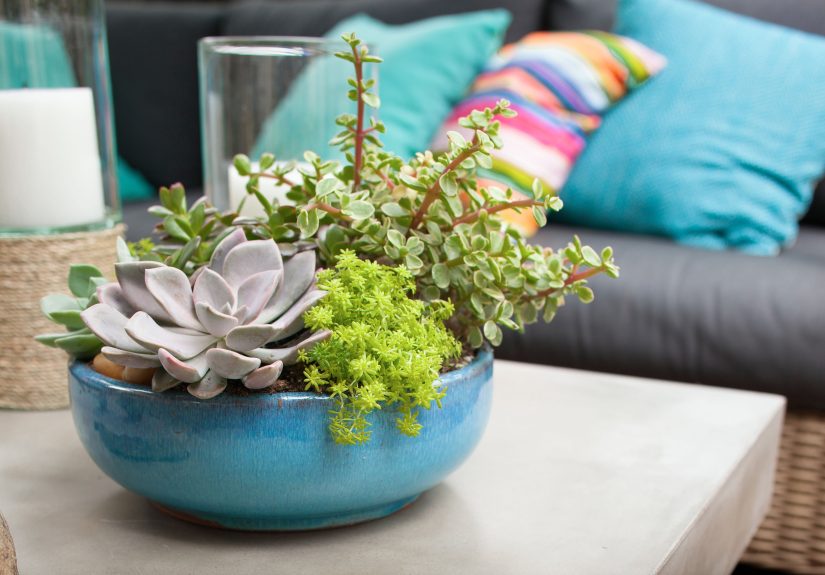
Rosette-shaped plants are one of the easiest ways to make a dish garden look fancy without trying too hard. Echeverias, small agaves, bromeliads, and similar forms naturally resemble flowers from above, which makes the entire arrangement look layered and intentional. Mix larger rosettes with smaller ones and vary leaf color from green to dusty blue to pink-edged purple for extra visual depth.
This design is especially pretty on a low table where you can enjoy the overhead view. It is a top-down garden, almost like living floral design, except the “flowers” are far less needy and considerably less likely to wilt in protest.
4. The Indoor Jungle Dish
Want something lush, moody, and a little dramatic? Build a tropical jungle arrangement. Combine plants with bold foliage, such as rex begonia, calathea, fittonia, peperomia, and a trailing inch plant or pothos. Use a slightly mounded planting style so the center has more height and the edges soften outward. The result feels abundant and full, like a rainforest shrank itself for apartment living.
This is a strong choice for bright, indirect light and homes that are not bone-dry. The secret here is contrast. Pair velvety leaves with glossy ones. Mix rounded forms with pointed foliage. Add one trailing plant for movement. Suddenly your shelf looks like it has a passport.
5. The Mug-and-Bowl Collection
Not every dish garden has to live in one big container. One of the most charming ideas is creating a collection of small planted bowls, mugs, or low dishes that read as one styled grouping. Use similar colors or materials so the set feels cohesive, then vary the plant choices to create visual rhythm. You might pair polka dot plant, baby peperomia, small fern, and compact philodendron in separate pieces clustered together on a tray.
This works especially well if you love flexibility. You can rotate individual planters, swap one out if a plant needs rescuing, and redesign the arrangement without rebuilding the entire thing. It is basically modular interior gardening, which sounds serious but is actually just a fun excuse to use that cute ceramic bowl you bought for no reason.
6. The Moss-and-Fern Forest Floor
If your taste leans woodland rather than desert, a moss garden is a beautiful answer. Use sheet moss or cushion moss as the main groundcover, then add one or two small ferns, a piece of bark or driftwood, and perhaps a pine cone or smooth stone. The effect is quiet, soft, and calming. It feels like a shady path in the woods somehow wandered into your living room and decided to stay.
This style is wonderful for shallow containers because moss does not need deep soil. It also suits people who love texture over color. Keep it away from harsh direct sun and maintain consistent moisture. If the succulent bowl is the stylish minimalist cousin, the moss garden is the person who owns three cardigans and knows the best place to hear birds at dawn.
7. The Tabletop Water Garden
Yes, a dish garden can include water. A miniature water garden in a shallow vessel creates a serene, reflective focal point that feels surprisingly luxurious indoors. Use water-loving plants suited to small containers and keep the design simple. Floating greenery, a few smooth stones, and open water can be more effective than trying to turn the bowl into a crowded swamp.
This idea works best when treated as a decor piece you maintain regularly. Refresh the water often, keep the vessel clean, and place it where it can be admired up close. The visual effect is calm and spa-like. The sound effect is nothing, but somehow it still feels peaceful.
8. The Colorful Succulent Spillover
If you want a dish garden with movement, build one around a spiller. Start with a colorful focal succulent such as echeveria, then add a fine-textured trailing plant like sedum, string of pearls, or burro’s tail so part of the arrangement drapes over the edge. That spill softens the container and makes the whole design feel more alive.
This is one of the easiest ways to make a dish garden look professionally styled. Upright, mounded, and trailing forms create balance. It is the same decorating principle designers use with bigger container gardens, just miniaturized and much cuter.
9. The Kitchen Herb Dish Garden
For a practical twist, create a compact herb dish garden for the kitchen. Choose smaller, compatible herbs such as thyme, chives, oregano, or dwarf basil, and plant them in a wide container near strong light. The arrangement smells good, looks cheerful, and gives you something useful to snip while cooking. Suddenly pasta night becomes a little more cinematic.
The important thing is not to force wildly different herbs into one container without considering their needs. Some herbs want more moisture than others, and some outgrow tiny dishes quickly. Keep the planting simple, harvest often, and replant when necessary. A kitchen herb dish garden should feel fresh and functional, not like a survival reality show for oregano.
10. The Low-Light Leafy Bowl
Not every home has a sun-drenched window, and that is fine. A leafy, low-light-friendly arrangement can still look rich and stylish. Consider plants like pothos, peperomia, nerve plant, spider plant, bird’s nest fern, or calathea, depending on your humidity and space. Focus on foliage patterns instead of flowers: stripes, dots, gloss, ripple, and variegation can create plenty of interest.
This kind of dish garden is ideal for offices, bookshelves, bedrooms, and corners where strong sun never really shows up. Just remember that “low light” does not mean “no light.” Plants are resilient, not magical. Give them decent ambient light, rotate the container occasionally, and help them out with a grow light if the room feels more cave than conservatory.
How to Keep Your Dish Garden Alive
Once your arrangement is planted, the goal is simple: do not love it to death. Overwatering is the classic mistake, especially with shallow containers. Check soil moisture before watering, and pay attention to the plant group you chose. Succulent gardens should dry more thoroughly between waterings. Tropical foliage gardens usually prefer slightly even moisture. Moss gardens need regular misting or light moisture. Enclosed terrariums need the lightest hand of all.
Trim dead leaves, rotate the arrangement for even growth, and watch for crowding as plants mature. Some dish gardens are permanent for a while; others are better treated as seasonal or evolving displays. There is no shame in refreshing one. In fact, that is part of the fun. Think of a dish garden as living decor. It is allowed to change. That is one of the reasons it feels so alive in the first place.
Final Thoughts
The best dish garden ideas do not just copy nature. They reinterpret it for real homes, real schedules, and real people who may or may not remember to water things on time. Whether you love a tiny desert, a leafy tropical mix, a mossy woodland scene, or a practical bowl of herbs, a dish garden offers a simple way to bring the outdoors in without needing a yard, a patio, or endless free time.
Start with one container. Pick plants that actually like each other. Give them the right light. Then let the arrangement do what all good greenery does: soften the room, lift the mood, and quietly make everything feel a bit less artificial. It turns out you do not need acres of land to create a garden mood. Sometimes a shallow bowl and a little imagination do the job just fine.
Extra Notes From Real-Life Dish Garden Experience
One of the most interesting things about dish gardens is how differently they behave in actual homes compared with how they look on day one. A freshly planted arrangement is neat, balanced, and suspiciously well-behaved. Two weeks later, you start seeing personalities. The trailing plant makes a dramatic move toward the nearest light source. The moss decides it wants a bit more moisture. The succulent in the back suddenly becomes the main character. That is when dish gardening becomes less about arranging and more about observing.
People often assume the smallest gardens are the easiest, but that is only half true. Small containers are convenient and stylish, yet they also react faster to changes. Soil dries quicker. Overwatering shows up sooner. A hot windowsill can turn “pleasantly sunny” into “tiny plant sauna” by afternoon. In real life, the most successful dish gardens are usually the ones built with restraint. Fewer plants. Better spacing. More realistic expectations. The prettiest bowl in the room still needs common sense.
Another experience many indoor gardeners share is that dish gardens teach you to notice your home more carefully. You start paying attention to where the afternoon sun lands, which shelf stays cool, and which room becomes dry when the heat or air conditioner runs. A dish garden can make you more observant because the plants respond quickly. It is like having a gentle, leafy feedback system. The succulents tell you when the spot is too dim. The tropicals tell you when the air feels dry. The moss tells you, very politely, that it would like some attention today and not next Tuesday.
There is also something unexpectedly emotional about these miniature landscapes. A desert bowl feels calm and spare. A fern-and-moss dish feels quiet and reflective. A mixed tropical garden feels lively and a little wild. That mood matters. People do not always realize they are decorating with feeling as much as with foliage, but they are. A dish garden on a desk can make work feel less sterile. One on a kitchen table can soften a rushed morning. One near the entry can make coming home feel warmer before you even put your keys down.
Experience also proves that not every dish garden is meant to last forever in exactly the same form. Some are long-term arrangements. Others are more like living centerpieces that evolve over time. That is not failure. That is gardening. Plants grow, lean, stretch, fill in, and occasionally demand a redesign. Some gardeners discover they enjoy the refresh process just as much as the original planting. Swapping one plant, trimming another, or changing the topdressing can make the whole arrangement feel new again without starting from scratch.
Perhaps the best lesson dish gardens offer is this: beauty does not have to be huge to feel meaningful. A tiny scene in a low bowl can change the tone of an entire room. It can invite you to pause, look closely, and notice details you would otherwise miss. In a world full of giant screens, endless noise, and more plastic storage bins than anyone emotionally needs, there is something deeply satisfying about tending a miniature indoor landscape. It is small, yes, but it never feels insignificant.







 Close
Close