Table of Contents >> Show >> Hide
- Why Italian Flatware Feels Different (Even When It’s “Just Stainless Steel”)
- What to Look For When Buying Italian-Designed Flatware
- 10 Easy Pieces: Italian-Designed Flatware
- 1) Alessi Nuovo Milano (Ettore Sottsass)
- 2) Alessi Dry (Achille Castiglioni)
- 3) Alessi Itsumo (Naoto Fukasawa)
- 4) Alessi Mami (Stefano Giovannoni)
- 5) Mepra Dolce Vita
- 6) Mepra Fantasia (Color + Resin Handles)
- 7) Mepra Roma
- 8) Sambonet Taste (60-Piece Set)
- 9) Sambonet Linea Q (5-Piece Place Setting)
- 10) Casa Bugatti Riviera (PVD + Statement Finish)
- How to Build a Flatware Set Without Overbuying (or Regretting Everything)
- Care Tips: Keep Italian Flatware Looking Sharp
- Real-Life Experiences: From the Italian Flatware Front Lines
- Conclusion: Your Table, But Make It Italian
Because if you’re going to eat leftover pasta standing over the sink, you might as well do it with a fork that looks like it belongs in a museum gift shop.
Italian design has a talent for making everyday objects feel a little more… intentional. A scooter becomes a lifestyle. A lamp becomes a conversation.
And flatware? Flatware becomes the subtle flex you didn’t know your table needed.
This guide is built for real life: weeknight salads, “we should host more” dinner parties, dishwasher drama, and that one friend who always notices
the details (and will absolutely compliment your spoons). We’ll cover what makes Italian-designed flatware special, how to shop without getting lost in
stainless-steel math, and ten easy picks that bring Italian style to the tablewithout requiring you to learn how to pronounce “monobloc” with confidence.
Why Italian Flatware Feels Different (Even When It’s “Just Stainless Steel”)
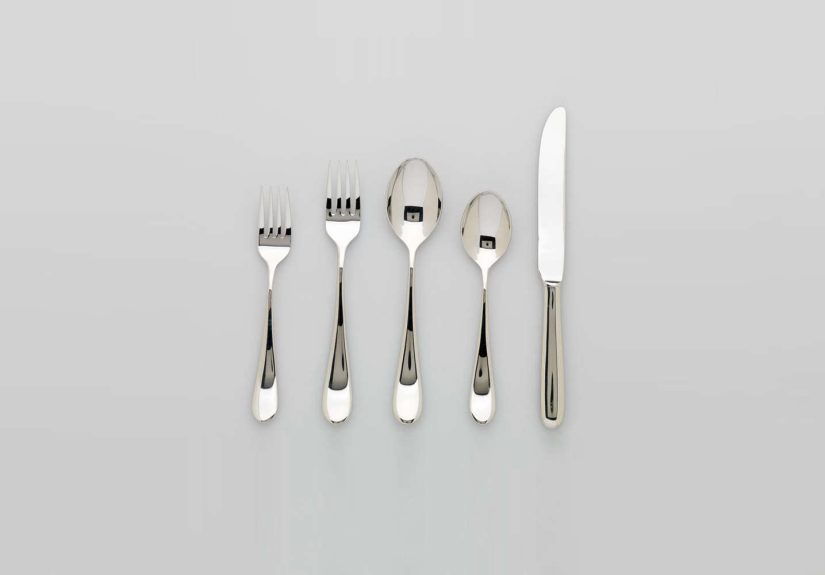
Great flatware is a tiny piece of industrial design you hold several times a day. Italian-designed flatware tends to nail the parts you actually feel:
the balance point, the curve of the spoon bowl, the smoothness of the handle edges, and the way the knife sits in your hand.
It’s also deeply visual. Italian brands often treat flatware like architecture in miniatureclean lines, thoughtful proportions, and finishes that look
sharp next to everything from rustic stoneware to glossy porcelain.
The end result: utensils that don’t just “match your dishes,” but make your whole place setting look more composedlike your table has its life together,
even if you do not.
What to Look For When Buying Italian-Designed Flatware
1) Start with the steel: 18/10 vs. 18/0 (and why the numbers matter)
You’ll often see “18/10” stamped or listed in product details. That usually signals premium stainless steel with added nickel for better shine and
corrosion resistanceideal for everyday use and frequent dishwashing. Lower-nickel options like 18/0 can still be perfectly usable, but they’re more
likely to show spots, dull faster, or feel lighter depending on the set’s build.
2) Weight and balance beat “piece count” every time
A 65-piece set sounds impressive until you realize you hate how the forks feel. Look for “heavy-gauge,” “forged,” “substantial,” or specific weights.
Heavier isn’t always better, but good balance is non-negotiable. The utensil should feel steady, not top-heavy or awkwardly long.
3) Finish affects maintenance (and your sanity)
- Mirror polished: bright, classic, shows fingerprints and water spots more.
- Satin/brushed: hides smudges, feels modern, can show fine scratches over time (but so does real life).
- PVD coatings (gold/black/champagne tones): durable when done well, but treat them nicelymild detergent, lower heat, and no harsh abrasives.
4) Consider your “table personality”
Minimalist? Go sleek and linear. Romantic? Soft curves and rounded handles. Maximalist? Give me color, resin handles, and a spoon that looks like it has
a point of view.
5) Dishwasher reality check
Many high-quality sets are dishwasher safebut how you run the dishwasher matters. Avoid nesting spoons and forks (they’ll come out like they took a
nap together and refused to get clean). And keep knives from clattering blade-to-blade or sitting in standing water post-cycle.
10 Easy Pieces: Italian-Designed Flatware
Below are ten Italian-designed picks that cover a range of looksfrom museum-level modern to colorful “my table is fun” energy.
Think of them as your flatware wardrobe: the crisp white tee, the party jacket, the sleek sneakers, and the statement sunglasses.
1) Alessi Nuovo Milano (Ettore Sottsass)
If flatware could be “effortlessly iconic,” this would be it. Nuovo Milano has that unmistakable Italian modernism: clean lines, confident curves,
and a presence that feels special without being fussy. It’s designed to look great on a formal table but still feels comfortable for a Tuesday-night
bowl of soup.
- Best for: design lovers, registry gifts, and anyone who believes the table deserves good typography.
- Vibe: modern classic with “gallery opening” energy.
2) Alessi Dry (Achille Castiglioni)
Dry is a masterclass in contrast: a polished working end paired with a more understated handle finish (depending on the piece). The silhouette is crisp
and architecturallike it has opinions about lighting temperature and will absolutely judge your overhead fixture.
- Best for: modern tables, minimalist dishware, and people who like clean edges.
- Vibe: Italian design studio, but make it dinner.
3) Alessi Itsumo (Naoto Fukasawa)
Smooth, quiet, and beautifully proportioned, Itsumo is for anyone who wants their flatware to feel calm in the hand. The shapes are restrainedno
dramajust excellent daily usability. It also layers well with different plates and glassware because it doesn’t fight for attention.
- Best for: everyday use that still feels elevated.
- Vibe: minimalist, soft-spoken, always put together.
4) Alessi Mami (Stefano Giovannoni)
Mami leans a little warmer and rounderstill modern, but friendlier. It’s the flatware equivalent of a well-made sweater: comfortable, flattering, and
just polished enough that people assume you’re better at hosting than you actually are.
- Best for: families, comfort-first eaters, and softer table aesthetics.
- Vibe: modern comfort with Italian charm.
5) Mepra Dolce Vita
The name alone is a promise: “the sweet life,” but for forks. Dolce Vita tends to be heavier-gauge and thoughtfully proportionedsubstantial without
feeling bulky. It’s a smart pick if you want premium everyday flatware with that “nice restaurant at home” feel.
- Best for: people who care about weight and balance, plus anyone building a long-term set.
- Vibe: sleek elegancedressy, but not stiff.
6) Mepra Fantasia (Color + Resin Handles)
Fantasia is where Italian design gets playful. You get the shine of steel with colorful resin handles that pop against neutral plates. It’s also a
surprisingly practical way to make a table look styled: color instantly reads “intentional,” even if the menu is mostly “things we had.”
- Best for: anyone bored by plain silver, casual entertainers, and people who want their table to feel alive.
- Vibe: chic trattoria meets modern color theory.
7) Mepra Roma
Roma is a clean, streamlined optionan easy daily driver with a more classic-modern profile. It’s the kind of set that disappears in the best way:
it works with everything and never feels “wrong” on the table.
- Best for: mixing with patterned dinnerware, growing families, and anyone who wants versatility.
- Vibe: polished simplicity.
8) Sambonet Taste (60-Piece Set)
Taste is a modern, clean, minimalist set that’s built for people who actually use their flatwareoften. A bigger set like this is great if you host,
have a large household, or simply want to stop playing “where did all the teaspoons go?” every week.
- Best for: entertainers, big families, and anyone who wants uniformity across place settings.
- Vibe: modern hospitalitysimple, sharp, ready for company.
9) Sambonet Linea Q (5-Piece Place Setting)
Linea Q is the easy-to-style minimalist: straight lines, straightforward forms, and a “goes with anything” attitude. It’s also a good option if you’re
building a set graduallystarting with a few place settings and expanding as needed.
- Best for: first apartments, modern registries, and mixing with other serving pieces.
- Vibe: clean lines, no clutter, no regrets.
10) Casa Bugatti Riviera (PVD + Statement Finish)
Riviera is for when you want your flatware to feel like jewelrysleek silhouettes, fashion-forward finishes, and unmistakable presence.
A good PVD finish can be durable and gorgeous, but it also asks you to treat it like a nice coat: you can wear it often, just don’t drag it through a
sandstorm and call it “patina.”
- Best for: special occasions, modern glam tables, and anyone who believes black and gold belong everywhere.
- Vibe: contemporary Italian glamour with a practical backbone.
How to Build a Flatware Set Without Overbuying (or Regretting Everything)
Choose a “core” set, then add personality
A smart approach: pick one neutral everyday set (your core) and then add one “personality” set for weekends, holidays, or just because life is short.
Example: a minimalist Alessi or Sambonet set for daily use, plus colorful Mepra Fantasia for brunches and summer dinners.
Don’t forget the pieces you actually use
Many people run out of teaspoons first (coffee, yogurt, desserts, small bites). If you drink a lot of coffee or eat a lot of ice cream (no judgment),
consider extra teaspoons, dessert forks, and serving pieces early.
Yes, your dishwasher can make or break the experience
Even premium flatware can spot or dull faster if it’s left damp in the machine, piled in a heap, or washed with harsh detergents. The simplest upgrade
isn’t a new setit’s better habits: separate pieces, avoid nesting, and unload promptly.
Care Tips: Keep Italian Flatware Looking Sharp
- Rinse off acidic or salty residues (tomato sauce and salty brines can be clingy roommates).
- Avoid long soaks in salty waterespecially for knives and coated finishes.
- Skip abrasive scrubbers for mirror-polished pieces and PVD finishes.
- Dry if you’re pickytowel-drying helps prevent water spots on polished steel.
- Restore shine with gentle cleaning methods if you get discoloration or stubborn residue.
Real-Life Experiences: From the Italian Flatware Front Lines
The first thing you notice when you switch to Italian-designed flatware isn’t the shineit’s the feel. There’s a small, satisfying moment when
you pick up a fork and your hand goes, “Oh. This is… nice.” It’s like upgrading from a free pen to a pen that writes smoothly on the first try.
Suddenly you’re aware of tiny details you used to ignore: the way the handle edges land against your fingers, the balance when you lift a bite,
whether the spoon bowl feels roomy or weirdly shallow.
Then comes the surprise: flatware changes the mood of the table faster than almost anything else. Same plates, same food, same “we forgot to buy candles”
situationbut swap in a set with clean, confident lines and everything looks more intentional. Minimalist pieces (think sleek Italian modern profiles)
make a table feel calm and edited, even if the menu is “rotisserie chicken and a salad that’s mostly croutons.” On the flip side, a colorful resin-handled
set practically does the hosting for you. Put those bright handles next to plain white dishes and the whole setup reads like you planned itwhen in reality
you just refused to eat with dull forks anymore.
The biggest real-life lesson is that “dishwasher safe” and “dishwasher proof in chaotic households” are cousins, not twins. If you toss everything into
the utensil basket like a metal mosh pit, you’ll get more water spots, more micro-scratches, and the occasional mystery smear that makes you squint at
your spoon like it betrayed you. When you take ten extra seconds to separate pieces and avoid nesting, you get a noticeably better clean. It’s annoying
that such a small thing matters, but it’s also weirdly satisfyinglike you cracked a domestic code.
Hosting with Italian flatware is its own small joy. People notice. Not in a “whoa, you bought fancy forks” waymore like a subtle compliment that lands
as “your home feels good.” The utensils feel purposeful. They match the vibe whether you’re serving pasta in a big bowl family-style or plating a
semi-serious dinner that you’ll pretend was effortless. And there’s a fun side effect: you start thinking about the parts of a meal you used to treat as
background. Coffee spoons become a decision. Dessert forks become a tiny luxury. The table becomes a place you actually want to linger.
Most importantly, Italian-designed flatware isn’t about being precious. The best sets are built to be useddaily, joyfully, without fear. They just
happen to make even ordinary meals feel a bit more like an occasion. And if your fork can’t do that, what is it even doing with its life?
Conclusion: Your Table, But Make It Italian
Italian-designed flatware is one of those upgrades that quietly improves your everyday life. The best sets combine good materials, great ergonomics,
and a design point of viewso your utensils feel comfortable, look beautiful, and hold up to real-world use.
Start with a core set that matches your daily routine (weight, finish, and comfort first), then add a second “fun” option if you want personality.
Whether you go minimalist Alessi, substantial Mepra, or statement Bugatti, the win is the same: you’ll actually enjoy picking up your fork.