
Table of Contents >> Show >> Hide
- 1) Match the Plant to the Light You Actually Have (Not the Light You Wish You Had)
- 2) Water Based on Soil MoistureNot Your Calendar
- 3) Make Drainage Non-Negotiable (Root Rot Loves a Sealed Pot)
- 4) Choose the Right Potting Mix (Because Dirt From Outside Is Not a Personality Trait)
- 5) Respect Temperature Swings and Drafts (Plants Hate Surprise Weather)
- 6) Boost Humidity the Smart Way (Misting Is Not a Long-Term Plan)
- 7) Fertilize During GrowthAnd Ease Off When Growth Slows
- 8) Repot With Intention (Not Just Because You’re in a “New Pot Era”)
- 9) Clean Leaves, Rotate Plants, and Skip Leaf Shine (Your Plant Is Not a Waxed Car)
- 10) Scout for Pests Early, Quarantine New Plants, and Keep Pets in Mind
- Quick Troubleshooting: Common Houseplant Problems (and the Best First Move)
- Conclusion: Your Plants Want Consistency More Than Perfection
- Real-World Experiences: 5 Lessons Plant Parents Learn the Hard Way (So You Don’t Have To)
- 1) The “I Watered It More Because It Looked Sad” Spiral
- 2) The Window Seat Shuffle (AKA: Plants React to Moving Like Cats Do)
- 3) The Fungus Gnat Mystery (It’s Usually Moisture, Not a Curse)
- 4) The Repotting Glow-Up (Fresh Mix Can Be the Reset Button)
- 5) The Pet Safety Wake-Up Call (Because Curiosity Is Furry)
Houseplants are basically tiny, leafy roommates: they don’t pay rent, they take up window space,
and they silently judge your life choices by wilting at the worst possible moment (usually when guests arrive).
The good news? Most “mysterious” plant problems come down to a few fixable basics: light, water, airflow, and
the occasional reality check on what your plant actually is.
This guide shares 10 indoor plant care tips that work for beginners and seasoned plant parents alike.
You’ll get practical, science-backed strategies, real-world examples, and troubleshooting cuesso you can grow
happy, healthy houseplants without turning your living room into a plant hospital.
1) Match the Plant to the Light You Actually Have (Not the Light You Wish You Had)
Light is the #1 make-or-break factor in houseplant care. Water and fertilizer can’t “make up” for
low light, and too much direct sun can crisp leaves faster than a forgotten slice of toast.
A quick, practical light check
- Bright indirect light: Near a window, but not in harsh sunbeams. Great for monstera, philodendron, pothos.
- Direct light: Sun hits the plant for hours. Great for many succulents and cacti (and some herbs).
- Low light: Farther from windows or in shaded rooms. Choose tolerant plants like ZZ plant or snake plant.
Specific example: A pothos can handle medium-to-lower light, but it’ll grow slower and with smaller leaves.
A jade plant in that same spot will sulk, stretch, and drop leaves. That’s not “bad luck”it’s a lighting mismatch.
If winter turns your home into a dim cave, a simple grow light can help. Think of it as a “sun subscription” for your plants.
2) Water Based on Soil MoistureNot Your Calendar
If indoor plant care had a villain, it would be “Watering Sunday because it’s Sunday.” Overwatering is less about
the amount of water and more about watering too often, keeping roots soggy and low on oxygen.
The most useful habit: check before you pour
- For many houseplants, test the potting mix with your finger: if the top inch or two feels dry, it’s usually time to water.
- For succulents and cacti, wait longerlet the mix dry more thoroughly between waterings.
- In winter, most plants use less water because growth slows and light is weaker.
How to water well: When it’s time, water thoroughly until excess drains out the bottom, then empty the saucer.
This helps ensure roots get moisture evenly and reduces salt buildup from fertilizers and tap water.
Specific example: A peace lily will often “tell you” it’s thirsty by drooping slightly, then perking up after watering.
A snake plant won’t complain until it’s already annoyedso the soil-check habit matters even more.
3) Make Drainage Non-Negotiable (Root Rot Loves a Sealed Pot)
Healthy roots need a balance of water and air. If your pot has no drainage hole, excess water has nowhere to go,
and the potting mix can stay wet long enough to invite root rot.
Two easy ways to avoid the “swamp pot” problem
- Use a pot with a drainage hole and a saucer.
- Use a nursery pot inside a decorative cachepot (the pretty outer pot). Water at the sink, let it drain, then return it.
Also: skip the old “add gravel to the bottom” myth. It doesn’t improve drainage the way people hope. A better move is using
the right potting mix and a pot with proper drainage.
4) Choose the Right Potting Mix (Because Dirt From Outside Is Not a Personality Trait)
Many indoor plants struggle because the potting mix holds too much water (or turns into a brick). Most houseplants do best
in a light, well-aerated mix designed for containers.
Match the mix to the plant
- Tropical foliage plants (monstera, philodendron): prefer a chunky, airy mix that drains well.
- Succulents/cacti: need a fast-draining mix that dries quickly.
- Moisture-lovers (many ferns): like consistent moisture but still need airflow around roots.
Specific example: If fungus gnats keep showing up, it’s often a sign the surface stays wet too long.
Improving airflow, letting the top layer dry a bit more, and using a better-draining mix can make a big difference.
5) Respect Temperature Swings and Drafts (Plants Hate Surprise Weather)
Many common houseplants feel best in typical indoor temperatures, but they don’t love sudden blasts of hot or cold air.
Drafty winter windows, heat vents, and radiators can dry foliage and stress the plant.
Easy placement wins
- Keep plants away from direct airflow from heating/cooling vents.
- In winter, move cold-sensitive plants a few inches back from icy windows at night.
- Don’t crowd leaves against freezing glass (they can get damaged).
Specific example: If your ficus drops leaves after you moved it, it may be responding to a new draft, different light,
or a change in humidity. Plants are dramatic, but usually predictable once you spot the trigger.
6) Boost Humidity the Smart Way (Misting Is Not a Long-Term Plan)
Indoor airespecially during heating seasoncan get dry. Some plants (like many ferns and certain prayer plants) are extra sensitive.
While misting looks productive, it often doesn’t raise humidity for long in a normal home.
Methods that actually help
- Use a humidifier near humidity-loving plants.
- Group plants together to create a slightly more humid microclimate.
- Pebble trays can add a small bump in humidity around small plants, but results are usually modest in most rooms.
Specific example: If spider mites keep appearing, check humidity and watering habits.
Those pests often thrive in warm, dry conditionsso raising humidity and improving plant vigor can reduce repeat issues.
7) Fertilize During GrowthAnd Ease Off When Growth Slows
Fertilizer is helpful, but it’s not a magic potion. Plants need light to use nutrients. If light is low (often in winter),
heavy feeding can backfire and contribute to salt buildup or stressed roots.
A simple feeding approach
- Feed more during active growth (often spring and summer).
- Feed lessor not at allwhen growth slows (often fall and winter), depending on the plant and conditions.
- Use a complete, balanced fertilizer for foliage plants; flowering plants often benefit from different nutrient ratios.
Pro tip: If you’re watering thoroughly until it drains, you’re also helping flush accumulated saltsanother reason
“a little sip” watering can cause long-term problems.
8) Repot With Intention (Not Just Because You’re in a “New Pot Era”)
Repotting refreshes potting mix, gives roots room, and can improve water movement through the container. But upsizing too much can
keep soil wet longer than the plant can handle, increasing the risk of root issues.
Signs your plant may need repotting
- Roots are circling tightly or growing out of drainage holes.
- The plant dries out unusually fast between waterings.
- Growth is slow and leaves are getting smaller (when other conditions are decent).
- Salt crust on the soil surface or potting mix that looks compacted and tired.
Best timing
Many plants handle repotting best during active growth (often spring/early summer). If you must repot in winter,
be extra careful with watering afterward since growth and drying rates can be slower.
9) Clean Leaves, Rotate Plants, and Skip Leaf Shine (Your Plant Is Not a Waxed Car)
Dust on leaves reduces the light a plant can usebasically putting your plant in sunglasses indoors.
A quick leaf-cleaning routine improves photosynthesis and helps you catch pests early.
How to do it gently
- Wipe sturdy leaves with a damp, soft cloth.
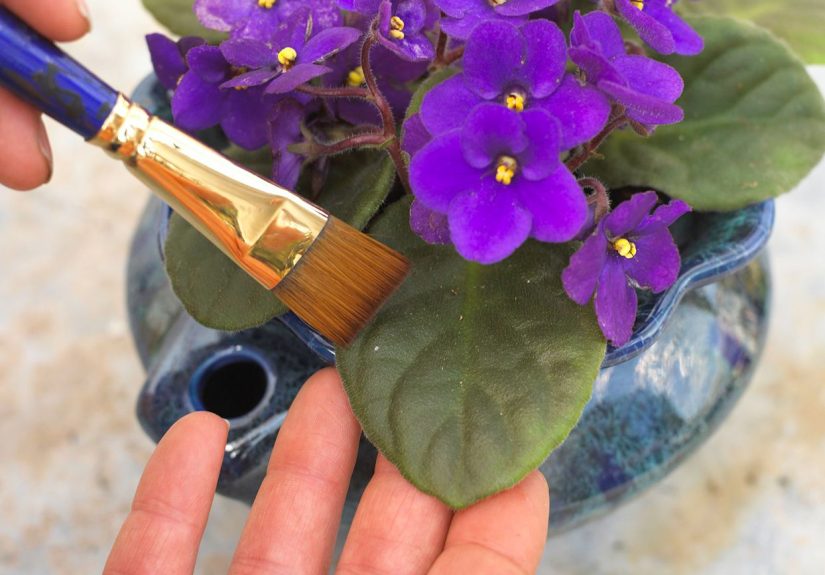
- Use a soft brush for fuzzy leaves (like African violets) instead of a wet wipe.
- Rinse small plants in the sink with lukewarm water if the plant tolerates it.
Rotate plants every week or two for more even growth, especially near windows. And avoid leaf-shine products:
they can attract dust and interfere with normal leaf function.
10) Scout for Pests Early, Quarantine New Plants, and Keep Pets in Mind
Indoor plants don’t get rained on, wind-blown, or visited by outdoor predatorsso small pest problems can escalate fast.
The best strategy is boring but effective: inspect regularly.
What to look for (weekly takes 2 minutes)
- Check undersides of leaves and leaf joints for tiny insects or webbing.
- Look for sticky residue, speckling, or distorted new growth.
- Watch for fungus gnats (tiny flies near the soil), often linked to consistently wet potting mix.
Quarantine is your secret weapon
New plants can bring hitchhikers. Keeping a new plant separate for a couple of weeks (and inspecting it closely)
can prevent an all-houseplant outbreak. It’s like checking luggage after a tripexcept the luggage is alive and photosynthesizes.
Pet safety matters
If you have cats or dogs, double-check whether a plant is toxic before it joins your home jungle.
Some popular houseplants can be dangerous if chewed. When in doubt, place questionable plants out of reach or choose pet-safer options.
Quick Troubleshooting: Common Houseplant Problems (and the Best First Move)
- Yellow leaves: Often overwatering, poor drainage, or low light. Check soil moisture and drainage first.
- Brown crispy edges: Dry air, inconsistent watering, or too much sun. Check humidity and window exposure.
- Wilting: Could be underwatering or overwatering (yes, both). Feel the soildon’t guess.
- Moldy soil surface: Too wet and not enough airflow. Let the top layer dry more and improve ventilation.
- Leggy growth: Not enough light. Move closer to a window or add a grow light.
When diagnosing issues, change one thing at a time. Plants don’t love “new light + new pot + new fertilizer + surprise pruning”
all in the same week. That’s not self-care; that’s an identity crisis.
Conclusion: Your Plants Want Consistency More Than Perfection
Thriving happy, healthy houseplants comes down to a few repeatable habits:
match plants to your light, water by soil feel (not the calendar), prioritize drainage, and keep an eye on humidity and pests.
Add a little seasonal awarenessless water and fertilizer in low-light months, more support during growthand you’ve got a routine
that works for almost any indoor plant collection.
And remember: a plant that’s “easy” isn’t one that never has problemsit’s one that communicates clearly and forgives you when life gets busy.
Choose the plants that match your home and your schedule, and you’ll both be happier roommates.
Real-World Experiences: 5 Lessons Plant Parents Learn the Hard Way (So You Don’t Have To)
If you’ve ever stared at a droopy plant and whispered, “What do you want from me?”congrats, you’re officially in the club.
These are common experiences many indoor gardeners run into, and they’re often the turning point from “random plant chaos”
to confident indoor plant care.
1) The “I Watered It More Because It Looked Sad” Spiral
A classic scenario: leaves start yellowing or drooping, so you water more out of concern. But if the real issue is
soggy roots, extra water makes it worse. Many people only realize this after checking the pot and discovering the mix
is still wet days later. The fix usually starts with drainage, a soil check habit, and letting the plant dry to the right level.
Once you see how often “sad” actually means “too wet,” your plant survival rate climbs fast.
2) The Window Seat Shuffle (AKA: Plants React to Moving Like Cats Do)
People often move plants for decoratingthen wonder why the plant “randomly” drops leaves. What changed wasn’t just the view;
it was light intensity, airflow, and temperature swings. A plant that was happy a few feet back from a window can scorch if placed
directly in sun, or stall if moved to a darker corner. Many plant parents learn to adjust slowly: move plants in stages,
rotate for even growth, and keep them away from vents. Your plant will stop acting like it just got a new manager at work.
3) The Fungus Gnat Mystery (It’s Usually Moisture, Not a Curse)
Fungus gnats feel personal, like the universe is testing you. In reality, they’re often a signal that the potting mix stays wet too long.
Many people notice gnats after watering frequently or using a heavier mix. The “aha” moment comes when they let the top layer dry a bit more,
improve airflow, and use simple monitoring (like sticky traps). Over time, the gnat population drops because you’ve made the soil surface
less inviting. It’s less about fighting nature and more about changing the conditions.
4) The Repotting Glow-Up (Fresh Mix Can Be the Reset Button)
Plant parents often delay repotting because it seems intimidatinguntil they slide a rootbound plant out and see roots circling like spaghetti.
After repotting into fresh mix (and a slightly larger pot), the plant often starts growing again, watering becomes more predictable,
and leaves look better. The key lesson people learn: repotting isn’t about “a bigger home” forever; it’s about healthier roots and better
water movement. Done at the right time and size, it’s one of the fastest ways to upgrade plant health.
5) The Pet Safety Wake-Up Call (Because Curiosity Is Furry)
Many households only think about toxicity after a curious nibble. That moment usually changes how people choose and place plants:
checking toxicity before buying, using hanging planters for risky plants, or picking pet-friendlier options for floor-level greenery.
This is one of those experiences that turns “plant shopping” into “plant planning”and it makes your home safer while keeping your indoor
jungle dream alive.
The big takeaway from all these experiences is comforting: most plant problems aren’t mysteries. They’re patterns.
Once you learn to read light, feel soil moisture, and notice early pest signals, you stop guessingand your plants stop panicking.





 Close
Close