
Table of Contents >> Show >> Hide
- Why Mythical Things Sometimes Turn Out to Be Real
- 1. Troy: The Legendary City That Was Not Just a Poem
- 2. The Amazons: Warrior Women with a Real Historical Core
- 3. The Kraken: A Sea Monster with Tentacles in Reality
- 4. Sea Serpents: The Oarfish and the Long Shadow of the Ocean
- 5. Unicorns: Less Sparkly Horse, More Prehistoric Rhino
- 6. Cyclops: One-Eyed Giants and Misread Elephant Skulls
- 7. Hobbits: Tiny Ancient Humans on Flores
- 8. Dragons: Not Fire-Breathing, But Still Real Enough to Respect
- 9. The Roc: A Giant Bird with a Real Fossil Echo
- 10. Dire Wolves: Fantasy Beasts That Walked the Ice Age
- What These Real Myths Teach Us
- Extra Experience Section: Living with the Wonder of Real Myths
- Conclusion
Human beings have always had a flair for dramatic storytelling. Give us a strange bone, a shadow in the ocean, or a city half-buried under a hill, and we will add a monster, a curse, and possibly a hero with suspiciously perfect hair. Yet history has a funny habit of winking back at mythology. Some legendary places, creatures, and people were not completely imaginary. They were exaggerated, misunderstood, renamed, or wrapped in poetic glitter until reality looked like it had wandered into a fantasy novel without checking the dress code.
This article explores 10 mythical things that actually existed in one form or another. No, we have not found a fire-breathing dragon hoarding gold under a mountain. That would be excellent for tourism but terrible for insurance premiums. What we do have are real cities, real fossils, real animals, and real archaeological discoveries that show how myths often begin with a spark of truth. From Troy to the Kraken, from Amazon warriors to real-life “hobbits,” these stories prove that the line between legend and reality is sometimes less like a wall and more like a foggy museum hallway.
Why Mythical Things Sometimes Turn Out to Be Real
Before we begin our tour of ancient weirdness, it helps to understand how myths are born. Ancient people did not have carbon dating, DNA analysis, deep-sea cameras, satellite mapping, or that one friend who ruins every ghost story by saying, “Actually, that was probably mold.” They interpreted the world using the tools they had: observation, imagination, oral tradition, religion, and cultural memory.
A fossil skull might become a monster. A deep-sea animal might become a sailor’s nightmare. A powerful city might become the stage for an immortal epic. A society with women warriors might become the Amazons of Greek legend. Myths are not always falsehoods; sometimes they are memories wearing theatrical costumes.
1. Troy: The Legendary City That Was Not Just a Poem
The Myth
Troy is one of the most famous cities in mythology, thanks largely to Homer’s Iliad. The story includes a long war, heroic fighters, divine meddling, tragic romance, and the most suspicious wooden horse in military history. For centuries, many people treated Troy as a poetic invention rather than a real place.
The Reality
Archaeology changed the conversation. Excavations at Hisarlik in modern-day Turkey revealed layers of ancient settlements, showing that a major fortified city existed in the region associated with Troy. The site was occupied, destroyed, rebuilt, and reoccupied over thousands of years. While the exact events of the Trojan War remain debated, the city itself was real.
The lesson is important: the myth may not be a newspaper report, but it may preserve a cultural memory of conflict, trade, power, and destruction in the Late Bronze Age. Troy proves that mythology can grow from a real historical root, then bloom into a very dramatic literary tree.
2. The Amazons: Warrior Women with a Real Historical Core
The Myth
In Greek mythology, the Amazons were fierce women warriors who rode horses, used bows, fought heroes, and generally refused to sit politely in the background. They appeared in stories involving Heracles, Achilles, and other legendary figures. Ancient Greek art often portrayed them as exotic, dangerous, and thrillingly different from ordinary Greek expectations of women.
The Reality
Modern archaeology has found strong evidence that real nomadic women from Scythian and related steppe cultures fought, rode horses, hunted, and were buried with weapons. Graves discovered across parts of Eurasia have revealed women buried with arrowheads, knives, horse gear, and signs of active riding lifestyles.
This does not mean every detail of the Amazon myth was historically accurate. There is no proof of a perfectly isolated all-female kingdom with mythic queens doing heroic paperwork. But the idea of horse-riding women warriors was not pure fantasy. Greek storytellers likely encountered reports of steppe cultures where women could participate in combat and hunting, then transformed those accounts into unforgettable myth.
3. The Kraken: A Sea Monster with Tentacles in Reality
The Myth
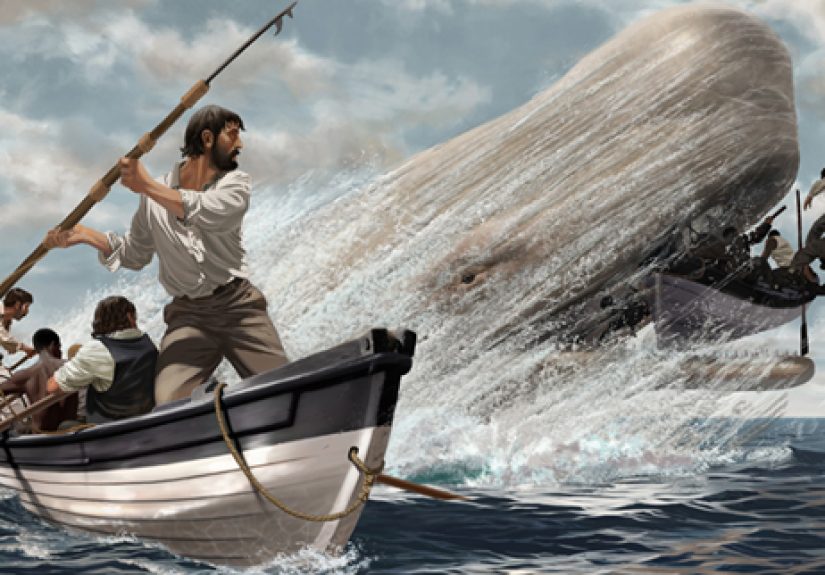
The Kraken was a terrifying sea monster said to rise from the deep, wrap its arms around ships, and drag sailors into the ocean. In old maritime legends, it was enormous, mysterious, and exactly the sort of creature you would not want to meet after a long voyage and a questionable lunch.
The Reality
The real world has something close enough to explain the panic: the giant squid. This deep-sea animal can reach astonishing lengths and was once known mostly from carcasses, beaks, and tentacles that washed ashore or appeared in fishermen’s nets. For centuries, sailors had only fragments and sightings to work with. Naturally, “large squid seen briefly in horrible weather” became “ship-sinking tentacle demon.” Storytelling: 1. Calm scientific measurement: 0.
Today, giant squid are scientifically documented animals. They do not appear to be dedicated ship assassins, which is polite of them, but they are still among the most mysterious and impressive creatures in the ocean. The Kraken reminds us that the deep sea is excellent at producing animals that look like they were designed by a medieval illustrator after too much coffee.
4. Sea Serpents: The Oarfish and the Long Shadow of the Ocean
The Myth
Sea serpent stories appear in many cultures. Sailors described long, snake-like creatures moving through the waves, sometimes with crests, glowing bodies, or unnatural size. Since most people historically saw only the surface of the ocean, anything long, silver, and unexpected could become legendary very quickly.
The Reality
One likely inspiration is the giant oarfish. This deep-sea fish has a long, ribbon-like body and can reach impressive lengths. Because it usually lives far below the surface, people rarely see it alive. When oarfish appear near shore or wash up on beaches, they look strange enough to make even a modern smartphone user briefly consider moving inland.
Oarfish do not attack ships, breathe curses, or predict disasters in any reliable scientific way. But visually, they are perfect candidates for sea serpent legends. Long body? Check. Rare appearance? Check. Oceanic mystery? Check. Face that looks like it knows a secret? Absolutely.
5. Unicorns: Less Sparkly Horse, More Prehistoric Rhino
The Myth
The unicorn is usually imagined as a graceful white horse with a single horn, magical powers, and a personality suitable for motivational posters. In medieval bestiaries and later fantasy, unicorns became symbols of purity, rarity, and wonder.
The Reality
Nature did not produce the exact fairy-tale unicorn, but it did produce animals that may have helped fuel the idea. One famous example is Elasmotherium sibiricum, often nicknamed the Siberian unicorn. It was an extinct rhinoceros-like animal that lived in Eurasia and survived much later than scientists once thought, possibly overlapping in time with modern humans.
There is also the narwhal, whose long spiral tusk was historically traded and sometimes presented as a unicorn horn. Between one-horned rhino-like mammals, tusked whales, antelopes seen in profile, and generous human imagination, the unicorn had plenty of real-world ingredients. The final recipe simply added elegance, magic, and a mane worthy of a shampoo commercial.
6. Cyclops: One-Eyed Giants and Misread Elephant Skulls
The Myth
The Cyclops is one of Greek mythology’s most memorable monsters: a giant with a single eye in the middle of its forehead. The most famous example is Polyphemus from Homer’s Odyssey, who had the misfortune of meeting Odysseus, a man whose survival strategy was basically “lie creatively and run.”
The Reality
One popular explanation connects Cyclops legends to fossil skulls of extinct elephants. Elephant skulls have a large central nasal opening where the trunk attaches. To someone unfamiliar with elephant anatomy, especially someone looking at a huge fossil skull, that opening might resemble a single giant eye socket.
This theory is not proof that every Cyclops story came from elephant fossils, but it is a powerful example of how ancient people may have interpreted prehistoric remains. Fossils do not come with labels. When people find a giant skull with a strange hole in the center, the imagination is going to clock in for overtime.
7. Hobbits: Tiny Ancient Humans on Flores
The Myth
Modern readers know hobbits from fantasy literature: small human-like people who enjoy comfort, food, and avoiding adventures until adventures barge through the front door. But the word “hobbit” also became a nickname for a real ancient human relative.
The Reality
Homo floresiensis was discovered on the Indonesian island of Flores. This small-bodied hominin stood roughly around three feet tall and lived tens of thousands of years ago. Fossils and stone tools show that this was not a fairy-tale village but a real branch of the human story.
The discovery shocked scientists because it challenged tidy assumptions about human evolution. Here was a small-brained, small-bodied human relative living on an island, apparently adapted to its environment. The “hobbit” nickname is informal, but the fossils are real. No evidence has been found for second breakfast, though we should not rule out enthusiasm for snacks on emotional grounds.
8. Dragons: Not Fire-Breathing, But Still Real Enough to Respect
The Myth
Dragons appear across the world in many forms. Some breathe fire, some guard treasure, some control water, and some appear in stories as wise beings rather than villains. The classic Western dragon is a giant reptilian creature with claws, scales, wings, and a serious public relations problem.
The Reality
Real animals likely helped inspire dragon legends: large snakes, crocodiles, monitor lizards, fossil bones, and dinosaur remains. The most famous living “dragon” is the Komodo dragon, the largest living lizard in the world. It is powerful, venomous, heavily built, and looks prehistoric enough to make a fantasy artist whisper, “Finally, someone understands the assignment.”
Komodo dragons do not fly or breathe fire, but they are apex predators in their island ecosystems. Their size, bite, sense of smell, and ancient-looking body plan make them a natural fit for dragon comparisons. If mythology is reality plus exaggeration, the Komodo dragon is reality politely refusing to be boring.
9. The Roc: A Giant Bird with a Real Fossil Echo
The Myth
The Roc, or Rukh, was a gigantic bird from Middle Eastern and South Asian storytelling traditions. In some tales, it was large enough to carry off elephants. That is the kind of bird that makes you rethink outdoor dining.
The Reality
One real-world candidate behind Roc stories is the elephant bird of Madagascar, especially Aepyornis and related giant flightless birds. These birds could not fly and did not carry elephants anywhere, which is a major disappointment for fantasy logistics. But they were enormous, and their eggs were spectacularly large.
Travelers’ tales about giant eggs and huge birds could easily grow into stories of a sky-darkening monster. A massive flightless bird became, through rumor and distance, a flying giant strong enough to lift the impossible. The Roc shows how geography can amplify myth: by the time a story travels across seas and languages, even a grounded bird may learn to fly.
10. Dire Wolves: Fantasy Beasts That Walked the Ice Age
The Myth
Dire wolves are now famous in fantasy fiction, where they appear as oversized, noble, intimidating wolf companions. The name sounds invented for maximum dramatic effect, as if regular wolves held a meeting and decided they needed a more metal cousin.
The Reality
Dire wolves were real Ice Age predators. Fossils have been found across the Americas, with especially rich remains at La Brea Tar Pits in Los Angeles. They were not simply modern gray wolves with bigger attitudes; research has shown they were a distinct ancient canid lineage.
They went extinct near the end of the last Ice Age, likely as ecosystems changed and many large prey animals disappeared. The dire wolf’s modern fantasy reputation is dramatic, but the animal itself was already impressive. It hunted in ancient landscapes filled with mammoths, saber-toothed cats, giant ground sloths, and enough prehistoric drama to make any nature documentary narrator clear his throat.
What These Real Myths Teach Us
The fascinating part of these mythical things is not just that some were “real.” It is that reality and imagination worked together. Ancient people observed the world carefully, but they interpreted it through the stories, fears, and symbols available to them. A giant squid became a monster. A fossil skull became a one-eyed giant. A real city became a stage where gods and heroes wrestled with fate.
Modern science does not destroy mythology. In many cases, it makes mythology even more interesting. Knowing that Troy was a real ancient city does not make the Iliad less powerful. Knowing that Scythian women rode and fought does not make the Amazons less exciting. Knowing that the Kraken may have roots in giant squid sightings does not make the ocean feel smaller. If anything, it makes the world feel stranger, deeper, and more alive.
The best myths survive because they are flexible. They absorb facts, fears, memories, and misunderstandings. They explain the unknown in a way people can remember. Today, we have laboratories and museums, but we still tell stories about monsters, lost worlds, and impossible creatures. The difference is that now we can sometimes walk into a museum and meet the fossil that started the rumor.
Extra Experience Section: Living with the Wonder of Real Myths
There is a special kind of excitement that happens when a myth stops being “just a story” and starts becoming something you can place on a map, examine in a fossil case, or connect to a living animal. Reading about Troy is interesting; realizing that archaeologists dug through real layers of ancient settlement makes the story feel closer. Suddenly the legendary city is not floating in a golden cloud of poetry. It is sitting in the soil, surrounded by pottery fragments, walls, tools, and the quiet evidence of people who woke up, worked, argued, traded, cooked meals, and worried about tomorrow.
The same feeling appears in natural history museums. A child can stand in front of a fossil skull and see a monster. An adult can read the label and see an extinct animal. The magic happens when both reactions exist at the same time. A dwarf elephant skull can explain a Cyclops legend, but it can also remind us how easy it is to misread the past when we do not know what we are looking at. That is not stupidity; it is humanity. We are pattern-finding creatures. Sometimes we find science. Sometimes we find monsters. Often, we find both and sort them out later.
Ocean myths create another kind of experience. Anyone who has stood beside the sea at night understands why sailors believed in monsters. The ocean does not need much help being dramatic. It is dark, loud, enormous, and full of animals that look like rough drafts for alien life. When an oarfish washes ashore or a giant squid appears on camera, the old sea serpent stories suddenly feel less silly. The monster may not be supernatural, but the awe is real. The deep ocean remains one of Earth’s best hiding places, and it has no obligation to make its creatures look reasonable.
There is also a personal lesson in these stories: do not laugh too quickly at old legends. Some are purely symbolic. Some are moral lessons. Some are entertainment. But some are distorted memories of real encounters. The people who told stories about giant birds, one-horned beasts, warrior women, or tentacled sea monsters were not always inventing nonsense. They were trying to explain rare evidence with limited information.
That is why “mythical things that actually existed” remains such a compelling topic. It lets us enjoy wonder without abandoning truth. It invites curiosity rather than cynicism. The world is not less magical because we can study it. A real giant squid is better than a fake Kraken because it actually lives in the ocean. A real ancient city is better than a purely imaginary one because people truly walked there. A real fossil is better than a rumor because it lets the past speak, even if it speaks in bone, stone, and silence.
Conclusion
The world has always been stranger than it first appears. Myths are not simply mistakes from the past; they are cultural time capsules filled with observation, fear, humor, symbolism, and sometimes surprisingly accurate clues. Troy existed. Women warriors rode across the steppe. Giant squid haunt the deep. Oarfish look like sea serpents. Prehistoric rhinos may have helped feed unicorn legends. Ancient human relatives really did live on Flores. Komodo dragons still stalk Indonesian islands. Elephant birds left behind eggs big enough to inspire giants. Dire wolves once hunted across Ice Age landscapes.
So the next time someone says, “That’s just a myth,” it may be worth asking one more question: what part of the myth was real enough to survive?







 Close
Close