
Table of Contents >> Show >> Hide
- 1. Declutter First, Then Organize What You Actually Use
- 2. Take Full Advantage of Vertical Space
- 3. Add Pull-Outs, Roll-Outs, and Hidden Helpers
- 4. Turn Your Walls into a Storage Workhorse
- 5. Divide and Conquer Drawers and Cabinets
- 6. Use the Inside of Doors (Everywhere)
- 7. Corral Countertop Clutter with Smart Organizers
- 8. Create Zones Like a Professional Kitchen
- 9. Sneak in Multipurpose Furniture and Portable Storage
- 10. Use Clear Containers and Labels to Keep It All Under Control
- Real-Life Experiences: Living With a Tiny Kitchen (and Staying Sane)
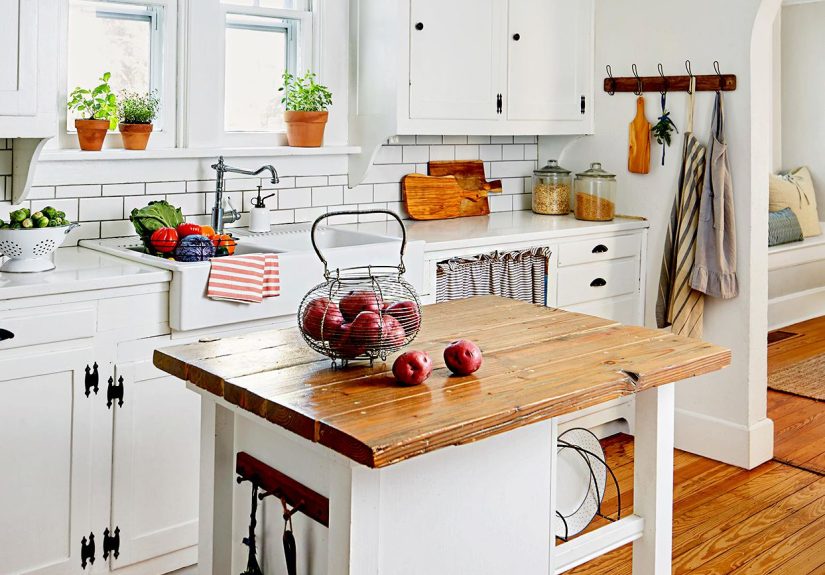
If your kitchen is so small that opening the fridge means closing the dishwasher, welcome to the club. Tiny kitchens are everywherecity apartments, older homes, even brand-new builds that think “cozy” is a personality trait. The good news? With the right small-kitchen storage ideas, you can turn that cramped corner into a surprisingly efficient (and even stylish) cooking zone.
Home design pros agree that the secret to maximizing a small kitchen is less about buying more stuff and more about using every inch with intentionvertical walls, awkward corners, the inside of cabinet doors, even the sides of your fridge. Below are 10 smart, realistic storage strategies you can start using this weekendno full remodel required, no magic wand necessary.
1. Declutter First, Then Organize What You Actually Use
Before you add a single shelf, bin, or pegboard, you need to confront the hard truth: no storage system can fix a kitchen overflowing with things you never use. Organizing experts and major lifestyle outlets all say the same thingdecluttering is step one, not an optional extra.
How to Declutter Smart in a Small Kitchen
- Start with duplicates. Do you really need four spatulas and three colanders?
- Be brutal with gadgets. If an appliance only does one super-specific job (looking at you, strawberry huller) and you use it once a year, it’s a candidate for donation.
- Right-size your dishes. Keep everyday plates, bowls, and glasses close at hand; move extras and seasonal pieces to another closet, basement, or garage shelf.
Once you’ve edited down to what you truly use and love, every single thing should earn its spot with a defined “home.” That’s when the real small-kitchen storage magic begins.
2. Take Full Advantage of Vertical Space
In tiny kitchens, the walls are your best friends. Designers increasingly recommend extending cabinets to the ceiling or adding tall shelving to capture that often wasted upper zone.
Vertical Storage Ideas That Actually Work
- Go ceiling-height with cabinets. Use uppermost shelves for seldom-used items like holiday platters, big stockpots, or backup bulk ingredients.
- Install open shelves. A slim stack of shelves above a coffee maker, microwave, or trash can turns dead wall space into a mini pantry for jars, mugs, or cookbooks.
- Try a tall, narrow pantry cabinet. Many small-kitchen pros love a slim pull-out pantry or larder squeezed between the fridge and wall.
If you’re worried about the space feeling closed in, keep upper storage lightthink white or pale wood, glass doors, or open shelves with edited, color-coordinated items.
3. Add Pull-Outs, Roll-Outs, and Hidden Helpers
Pull-out storage is like a secret level in a video game: invisible at first glance, but unbelievably satisfying once you unlock it. Roll-out shelves and sliding organizers turn dark, deep cabinets into fully usable, easy-access zones.
High-Impact Pull-Out Solutions
- Pull-out pantry. A tall, narrow pull-out for canned goods, spices, and baking supplies packs a lot into a tiny footprint.
- Under-sink sliding racks. Two-tier pull-out organizers tame cleaning supplies and prevent the “lean and dig” under-sink shuffle.
- Roll-out shelves for pots and pans. No more crouching on the floor and digging to the back of the cabinetslide the whole shelf toward you instead.
If a custom install isn’t in the budget, many home and kitchen brands sell retrofit pull-out systems that fit inside existing cabinets with just a few screws and basic tools.
4. Turn Your Walls into a Storage Workhorse
Julia Child famously used a pegboard wall to hang her cookware, and that idea is still a small-kitchen MVP. When floor and cabinet space are limited, walls become your open canvas.
Wall Storage Ideas for Small Kitchens
- Pegboard system. Hang pots, pans, colanders, cutting boards, oven mitts, and even measuring cups. Rearrange hooks as your needs change.
- Magnetic knife strip. Free up counter space by ditching the big knife block and mounting a strip near your prep zone.
- Rail with hooks. A simple metal bar with S-hooks can hold mugs, utensils, small pans, or even baskets for produce.
Just keep visual clutter in mind: group items by color or function and don’t feel obligated to hang every last thing in the open.
5. Divide and Conquer Drawers and Cabinets
Small kitchens don’t just need more storagethey need smarter storage. Drawer dividers and cabinet organizers make every inch do more work. Lifestyle and home brands consistently highlight drawer organizers, flatware trays, and vertical dividers as game-changing tools for small spaces.
Smart Ways to Divide Space
- Vertical dividers for trays and baking sheets. Store cookie sheets, cutting boards, and muffin tins upright like files instead of stacked in a teetering pile.
- Tiered cutlery organizers. Compact cutlery trays that stack utensils on angled layers can triple the useful space in a single drawer.
- Adjustable drawer inserts. Use them to create tight zones for spatulas, whisks, and measuring spoons instead of one big “everything” drawer.
Think of your drawers and cabinets as tiny neighborhoods; dividers create streets so traffic (aka your stuff) can actually flow.
6. Use the Inside of Doors (Everywhere)
The back of your cabinet and pantry doors is prime real estate that often sits empty. Many small-kitchen storage guides recommend turning these surfaces into slim but powerful organizing zones.
Door-Back Storage Ideas
- Shallow spice racks. Mount narrow racks or rails inside pantry doors to keep spices visible and easy to grab.
- Over-the-door baskets. Perfect for foil, parchment, wraps, cleaning cloths, or snack bags.
- Hook strips. Add adhesive or screw-in hooks inside doors for pot lids, small cutting boards, oven mitts, or measuring cups.
Just make sure door-mounted storage doesn’t crash into interior shelves when you close the doormeasure first, mount second.
7. Corral Countertop Clutter with Smart Organizers
If your counters are covered in soaps, sponges, and random jars, your kitchen will always feel smaller than it actually is. Instead of outlawing everything from the counters, use compact organizers that give these items a defined, tidy landing spot.
Small Organizers with Big Impact
- Sink caddies. A slim sponge and soap caddy with built-in drainage keeps the area around your sink dry and clutter-free.
- Lazy Susans. A small turntable in a corner can hold oils, vinegars, salt, and pepperspin to find what you need without knocking things over.
- Small trays. Group everyday items like coffee canisters, sugar, and mugs on a tray so they read as a single, intentional “station” instead of scattered clutter.
The rule of thumb: if it lives on the counter, it should either stand tall (to take up less surface area) or live in a container that makes it easy to move and clean around.
8. Create Zones Like a Professional Kitchen
Restaurant kitchens function in tight quarters every day, and their secret is zoning: every area has a job. Adapting that mindset to a small home kitchen helps you decide what belongs where and which storage tools you really need.
Zone Ideas for a Compact Kitchen
- Prep zone. Cutting boards, knives, mixing bowls, and frequently used utensils.
- Cooking zone. Pots, pans, spatulas, oils, and seasonings near the stove.
- Cleaning zone. Trash, recycling, dishwasher, sponges, and dish soap by the sink.
- Beverage or breakfast zone. Mugs, coffee/tea supplies, toaster, or cereal bowls in one area.
Once you define your zones, your storage decisions become easier: if something doesn’t belong to that zone’s “job,” it either movesor it goes.
9. Sneak in Multipurpose Furniture and Portable Storage
Sometimes the best small-kitchen storage ideas don’t look like kitchen storage at all. A bench with hidden storage, a slim bookcase, or a rolling cart can add shelves, drawers, and surfaces without needing built-in cabinetry.
Furniture That Works Overtime
- Rolling cart or island. Use it for prep space, microwave storage, or a coffee bar by day; roll it out of the way when guests arrive.
- Storage bench. A bench with interior storage turns a tiny eating nook into a spot for extra placemats, small appliances, or bulk pantry items.
- Bookcase as pantry. A closed or fluted-door bookcase can hide pantry goods while looking more like decor than “kitchen storage.”
This approach is especially helpful in open-plan apartments where your “kitchen” is basically one wall of the living room.
10. Use Clear Containers and Labels to Keep It All Under Control
Once you’ve maximized every inch, the final piece is maintenance. Clear bins, jars, and labels keep small spaces from sliding back into chaos by making it obvious where everything goesand when you’re running low.
Contain and Label Like a Pro
- Clear stackable bins. Use them in the fridge, freezer, and pantry so you can see what’s inside at a glance.
- Matching food storage containers. Transferring pasta, rice, and snacks into uniform containers makes shelves neater and easier to organize.
- Simple labels. A label maker or chalk marker helps everyone in the household put things back in the right spotespecially in shared apartments.
Think of labels as tiny traffic signs for your kitchen: they keep things running smoothly, even on busy nights.
Real-Life Experiences: Living With a Tiny Kitchen (and Staying Sane)
Advice is great, but nothing tests a storage idea like real life in a small kitchen. Picture a galley kitchen where two people can’t pass each other without performing a sideways shimmy, and every cabinet shelf is only one cereal box deep. That’s the kind of space where good storage isn’t “nice to have”it’s survival gear.
One of the biggest turning points in many small kitchens is realizing the fridge side can do more than hold random takeout menus. Adding a narrow magnetic shelf for spices and oil turned that dead zone into a mini “flavor station.” Suddenly, everyday seasonings weren’t lost at the back of the cabinetthey were front and center, easy to grab while stirring something on the stove. That small upgrade made cooking actually feel smoother, not just prettier.
Another game changer is the humble pegboard. At first, hanging pots and pans on the wall can feel like you’re living inside a restaurant, but once you stop digging around in a drawer for the right lid, you’re sold. Over time, you naturally edit what stays on the board: your most-used skillet, a favorite saucepan, the colander that earns its keep every week. Everything else either finds a less prime homeor quietly exits your life.
Drawer organizers also pull more than their weight. Many people discover they’ve been living with chaotic “junk drawers” simply because no one defined what actually belongs there. After dropping in adjustable dividers and a compact, layered cutlery tray, that same drawer can suddenly hold forks, spoons, knives, food clips, and even chopsticks without feeling like a black hole. The bonus? Opening the drawer feels weirdly satisfyinglike your kitchen finally got the memo to chill.
Then there’s the emotional side of small-kitchen living. A cluttered kitchen often makes you feel like you’re failing at adulthood every time you walk in. But once you declutter and create zones, the whole space becomes calmer. You know where your cutting board is. Your coffee setup is always ready. The dish sponge has a designated home instead of slumping sadly in the sink. Cooking stops being a fight for space and becomes a simple series of steps again.
Many people also find that thinking vertically changes how they shop. When you know exactly how much pantry space you have, you’re less likely to impulse-buy jumbo packs you can’t store. You stop keeping three open boxes of crackers and start finishing what you already have. That saves money, reduces food waste, and keeps shelves from overflowing.
Of course, small kitchens will still have their momentsyou’ll bang an elbow on a cabinet door, or you’ll realize mid-dinner that your only countertop is fully occupied by drying dishes. But with pull-outs, pegboards, clear containers, and intentional zones in place, you’re fighting with your kitchen, not against it. The space may be small, but you’ll know exactly where everything goes, how to move around, and how to reset it in just a few minutes.
In the end, maximizing a tiny kitchen isn’t about achieving Pinterest perfection. It’s about making everyday life easier: quickly grabbing what you need, putting things away without a struggle, and actually wanting to cook in the space you have. When your storage works, your kitchenhowever smallstarts to feel surprisingly big.





 Close
Close