Table of Contents >> Show >> Hide
- 1. Start with the Right Type of Rose
- 2. Choose a Large Pot with Excellent Drainage
- 3. Use High-Quality Potting Mix, Not Garden Soil
- 4. Give Your Rose a Sunny Spot
- 5. Plant It Properly from Day One
- 6. Water Deeply and Consistently
- 7. Feed Regularly, Because Roses Are Hungry Plants
- 8. Deadhead and Prune for More Blooms
- 9. Keep Airflow High and Disease Pressure Low
- 10. Refresh the Soil and Repot When Needed
- 11. Protect Potted Roses in Winter
- Common Mistakes to Avoid with Roses in Pots
- Why Growing Roses in Pots Is Worth It
- Experience-Based Lessons Gardeners Learn After Growing Roses in Pots
- Conclusion
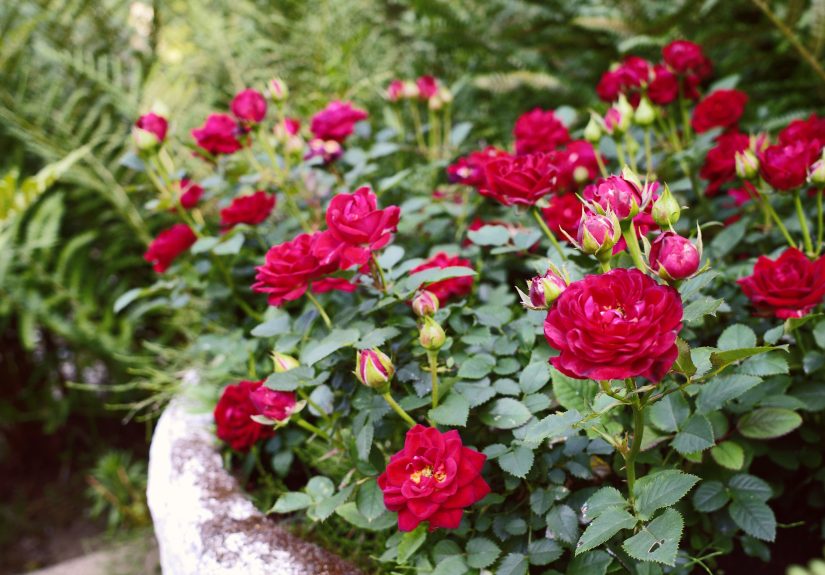
Growing roses in pots is one of those gardening ideas that sounds either wonderfully romantic or mildly unhinged, depending on how many plants you already own. The good news is that container-grown roses are absolutely doable. In fact, they can thrive on patios, balconies, porches, rooftops, and sunny corners where in-ground gardening is not an option. The trick is not magic. The trick is giving roses what they always wanted: sun, room for roots, consistent moisture, solid nutrition, and a little protection from your well-meaning mistakes.
If you have ever fallen for a gorgeous rose at the garden center and thought, “Surely this will be easy,” welcome to the club. Roses can be generous bloomers in containers, but they are not fans of cramped roots, soggy soil, or the gardening equivalent of ghosting. If you water them once, ignore them for six days, then apologize with extra fertilizer, they will respond like tiny floral drama queens. Fair enough.
This guide breaks down 11 essential tips for growing roses in pots so your plants stay healthy, bloom well, and make your outdoor space look suspiciously expensive.
1. Start with the Right Type of Rose
Not every rose is equally suited to container life. If you want the easiest path to success, choose compact varieties such as miniature roses, patio roses, polyanthas, and smaller floribundas. These tend to stay manageable in size and adapt better to restricted root space.
Best container-friendly choices
Look for terms like miniature, patio, compact shrub, or dwarf floribunda. Some smaller climbing roses can also work in large containers if you provide a support structure. On the other hand, giant climbers and very vigorous landscape roses often outgrow containers fast and become high-maintenance tenants.
A smart rule is simple: the smaller and bushier the mature plant, the easier it usually is to grow in a pot. If the plant tag sounds like it wants to become a seven-foot monster, believe it.
2. Choose a Large Pot with Excellent Drainage
When growing roses in pots, bigger is better. Roses have deep root systems, and small containers dry out quickly, heat up fast, and create unnecessary stress. A generously sized container gives the roots room to develop and gives you a better moisture buffer during hot weather.
What kind of pot works best?
Choose a pot with at least one large drainage hole, though several are even better. For many shrub and floribunda roses, a container around 18 inches wide is a solid starting point. Miniatures can live in smaller pots, while larger roses may need much more space. Materials such as resin, glazed ceramic, or wood help reduce rapid drying compared with thin terracotta in very hot climates.
Do not add rocks in the bottom of the pot “for drainage.” That old gardening myth refuses to retire. What roses actually need is a container that drains freely and a potting mix that does not stay waterlogged.
3. Use High-Quality Potting Mix, Not Garden Soil
If there is one shortcut to skip, it is this one. Never fill a rose container with ordinary garden soil. It compacts too easily, drains poorly in a pot, and can turn into a heavy, suffocating mess around the roots.
Instead, use a premium potting mix designed for containers. A rose-friendly mix should hold moisture without becoming swampy. Many gardeners improve bagged potting mix by blending in compost for extra organic matter. The goal is a loose, airy, nutrient-rich medium that drains well and still holds enough water for daily life in a pot.
What to look for in potting mix
Look for mixes labeled for containers, especially those containing ingredients such as composted bark, coir, peat, or perlite. Fresh potting mix also reduces the chances of old pathogens or exhausted media causing trouble right from the start.
4. Give Your Rose a Sunny Spot
Roses are not shade enthusiasts. Most need at least six hours of direct sun a day, and more is often better for strong blooming. Morning sun is especially helpful because it dries dew and moisture from the foliage earlier in the day, which can reduce disease pressure.
For patios and balconies, pay attention to reflected heat from walls and railings. In cooler climates, that extra warmth can be helpful. In very hot regions, a little light afternoon shade may reduce stress, especially for dark-colored containers that absorb heat.
If your rose is producing lots of leaves but very few flowers, weak light is one of the first suspects. Roses do not believe in performing under bad lighting. Honestly, relatable.
5. Plant It Properly from Day One
Good planting sets the tone for everything that follows. Start by watering the rose in its nursery pot before transplanting. Fill your new container partway with potting mix, position the plant so the root ball sits at the right level, then backfill gently around it.
The crown of the plant should sit at about the same depth it was growing before. Do not bury the rose too deeply in the container, and do not leave the root ball sticking awkwardly above the soil line like it changed its mind halfway through the move.
After planting
Water thoroughly until water runs from the drainage holes. This settles the mix around the roots and eliminates air pockets. Add a little more mix if the soil level drops too much after watering. A thin layer of mulch on top can also help conserve moisture and moderate temperature swings.
6. Water Deeply and Consistently
This is where many container roses either thrive or file a formal complaint. Roses in pots dry out faster than roses in the ground, especially in summer, in windy weather, or on paved surfaces that radiate heat. That means your watering routine matters a lot.
Water deeply so the entire root zone gets moisture. Shallow splashes are not enough. The aim is moist soil, not soggy soil. Let the top inch or two of the potting mix guide you. If it feels dry, it is probably time to water. During hot spells, some container roses may need water daily. In milder weather, much less often.
Watering mistakes to avoid
Avoid wetting the foliage late in the day, since lingering moisture can encourage disease. Try to water the soil, not the leaves. Also avoid the feast-or-famine cycle: bone dry one day, flood the next. That pattern stresses roots and can affect blooming.
If you forget to water once and your rose gives you a dramatic wilt, do not panic. Water thoroughly, place the pot out of harsh late-day heat if possible, and give it time. Roses can forgive. They just prefer not to make it a habit.
7. Feed Regularly, Because Roses Are Hungry Plants
Roses are not subtle feeders. In containers, nutrients wash out faster with repeated watering, so a steady feeding plan is important. A rose that blooms repeatedly all season is doing a lot of work, and it appreciates a full pantry.
Use a balanced rose fertilizer or a controlled-release fertilizer formulated for flowering shrubs. Many gardeners begin feeding when new growth starts in spring and continue through the active growing season according to label directions. In hot climates or with frequent watering, some roses benefit from light supplemental feeding.
How to fertilize wisely
Always water before and after applying fertilizer unless the product directions say otherwise. Never dump extra fertilizer into the pot because you feel guilty for neglect. Roses do not interpret that as love. They interpret it as root burn.
Late in the season, ease up on feeding so the plant can slow down before cold weather arrives. Tender new growth heading into frost is a bad bargain.
8. Deadhead and Prune for More Blooms
If you want a container rose to keep blooming, deadheading is your friend. Removing spent flowers encourages the plant to direct energy into fresh growth and more buds rather than seed production. It also keeps the plant looking tidy instead of vaguely exhausted.
Cut back to a healthy outward-facing leaf set when removing faded blooms. Use clean, sharp pruners. For seasonal pruning, remove dead, damaged, crossing, or weak stems. The exact pruning style depends on the rose type, but the core goal stays the same: improve shape, airflow, and vigor.
When to prune
In many climates, the main structural pruning happens in late winter or early spring, just as new growth is about to begin. During the growing season, lighter touch-up pruning is usually enough for potted roses.
9. Keep Airflow High and Disease Pressure Low
Roses have a reputation for attracting trouble, but many problems are easier to manage when you stay ahead of them. Good airflow is one of the cheapest forms of prevention. Do not cram pots so close together that the foliage stays damp and crowded.
Black spot, powdery mildew, and other fungal issues are more likely when leaves remain wet for long periods. That is one reason morning sun and careful watering matter so much. It is also why you should remove fallen leaves and old plant debris from the soil surface.
Simple rose health habits
Check the plant regularly for yellowing leaves, black spots, distorted new growth, or insect clusters. Catching problems early is much easier than staging a late-season rescue mission. Also, choose disease-resistant varieties whenever possible. A rose bred for toughness saves a lot of future headaches.
10. Refresh the Soil and Repot When Needed
Even a happy rose will not want to live forever in the same tired potting mix. Over time, container soil breaks down, compacts, and loses structure. Roots can also circle the pot and become crowded, which leads to reduced vigor and fewer flowers.
Repotting every couple of years is often a smart move. You can either shift the rose into a slightly larger container or refresh the soil in the same pot if you are keeping the plant at a controlled size. Some experienced growers also do light root pruning when necessary.
Signs it is time to repot
If water runs straight through the pot, roots are visible at the bottom, blooms have declined, or the plant seems to dry out at record speed, the rose may be root-bound or the mix may be exhausted. Fresh soil and a bit more elbow room can make a dramatic difference.
11. Protect Potted Roses in Winter
Winter is where container gardening gets real. In the ground, roots are insulated by the surrounding soil. In a pot, roots are more exposed to temperature swings, especially in cold climates. A rose that is perfectly hardy in your zone in the ground may need extra protection in a container.
In regions with freezing winters, options include moving the pot to an unheated garage or shed, burying the pot in a sheltered location, or insulating the container well. The goal is to keep the roots cold enough to stay dormant but protected from repeated freeze-thaw damage.
Cold-weather basics
Do not bring dormant roses into a warm living room for the winter. That turns dormancy into confusion. Also, do not let the potting mix become desert-dry. Even dormant roses need occasional moisture. Think of winter care as quiet maintenance, not active growth mode.
Common Mistakes to Avoid with Roses in Pots
Most container rose problems come from a short list of issues: too little sun, too small a pot, poor drainage, inconsistent watering, exhausted soil, or choosing a rose that was simply too vigorous for the space. If your plant is struggling, review those basics before assuming roses are impossible.
Another common mistake is over-loving the plant. Too much fertilizer, too much watering, too much fussing, and too many products can create more trouble than they solve. Healthy rose care is usually steady and boring. Which, in gardening, is often a compliment.
Why Growing Roses in Pots Is Worth It
Container roses bring flexibility that in-ground roses cannot match. You can move them to show off peak bloom, place fragrance near a seating area, protect special varieties more easily, and garden successfully even if all you have is a sunny balcony. They also let you experiment with color combinations and styles without digging up half the yard.
And when a rose thrives in a pot, it feels oddly heroic. It is a classic flower doing glamorous things in a very limited apartment. That is basically the botanical version of good life management.
Experience-Based Lessons Gardeners Learn After Growing Roses in Pots
The longer people grow roses in containers, the more they realize that success usually comes from observation, not perfection. One of the first practical lessons is that the pot itself changes everything. A rose in a dark container on a hot patio may need water far more often than the same variety in a lighter pot on a breezy porch. Two roses can sit ten feet apart and behave like they live in different zip codes. Experienced growers learn to stop following generic schedules and start reading the plant, the pot, and the weather together.
Another common lesson is that healthy container roses rarely come from heroic rescue efforts. They come from small, boring habits done consistently. Gardeners who get the best blooms tend to check the soil often, remove spent flowers regularly, clean up fallen leaves, and stay ahead of stress before it becomes damage. It is less “grand garden gesture” and more “quiet floral housekeeping.” Not glamorous, but wildly effective.
Many growers also discover that bigger containers save time. At first, a smaller pot seems convenient, lighter, and cheaper. Then July arrives, the soil dries out at lightning speed, and the plant begins negotiating with gravity by noon. A larger pot buffers heat, holds moisture longer, and gives roots the stability they need. That upgrade often feels like the moment container rose growing becomes easier instead of harder.
There is also a strong emotional lesson in choosing the right rose for the right space. New gardeners are often tempted by dramatic varieties with huge blooms and ambitious growth habits. Experienced gardeners eventually become very fond of compact, repeat-flowering, disease-resistant roses that do not require constant intervention. The flashy diva may still be beautiful, but the sturdy repeat bloomer that flowers for months with minimal drama usually wins long-term loyalty.
One especially useful insight is that container roses teach patience. After transplanting, a rose may pause before taking off. That does not always mean something is wrong. Roots need time to settle, especially after being moved from a nursery pot into a larger home. Gardeners who resist the urge to overcorrect with extra fertilizer, repeated repositioning, or daily soil poking often get better results. Sometimes the rose just needs a minute.
Perhaps the most rewarding experience is how personal potted roses can feel. Because they live near doors, decks, chairs, windows, and walkways, you notice them more. You catch the first bud faster. You smell the blooms while carrying coffee outside. You spot a yellow leaf before it becomes a problem. Over time, the plant becomes less like a decoration and more like a familiar presence in your daily routine. That closeness is part of why so many gardeners become fiercely attached to their container roses. They are not just plants in pots. They are little seasonal companions with thorns, opinions, and excellent flowers.
Conclusion
If you want beautiful roses in a small-space garden, containers are not a compromise. They are a smart strategy. Start with the right variety, choose a roomy pot, use quality potting mix, give the plant abundant sun, water deeply, feed regularly, and stay attentive to pruning and seasonal care. Add winter protection when needed, and your roses can reward you with color, fragrance, and repeat blooms that make your patio feel like a destination instead of just the place where the grill lives.
In other words, growing roses in pots is not hard once you stop treating it like a mystery and start treating it like a system. A very pretty, slightly thorny, surprisingly rewarding system.