
Table of Contents >> Show >> Hide
- What Is an Industrial Belt?
- 11 Simple Ways to Style an Industrial Belt
- 1. Wear It With Straight-Leg Jeans and a White T-Shirt
- 2. Use It to Cinch an Oversized Blazer
- 3. Pair It With Cargo Pants for Full Utility Energy
- 4. Style It Over a Shirt Dress
- 5. Let the Belt Hang With Wide-Leg Trousers
- 6. Add It to a Monochrome Outfit
- 7. Wear It With Denim-on-Denim
- 8. Wrap It Over a Long Coat or Trench
- 9. Mix It With Feminine Pieces
- 10. Try the Double-Belt Look
- 11. Use It as a Non-Waist Accessory
- How to Choose the Right Industrial Belt
- Common Styling Mistakes to Avoid
- Industrial Belt Outfit Ideas by Occasion
- Real-Life Experience: What Styling an Industrial Belt Actually Teaches You
- Conclusion
An industrial belt is not shy. It does not whisper, “Maybe I belong here.” It walks into the outfit, grabs a coffee, moves the furniture around, and somehow makes your jeans, dress, blazer, or oversized shirt look more intentional. Whether you own the famous long webbed style popularized by streetwear, a utility-inspired canvas belt, or a hardware-heavy statement belt, the goal is the same: make it look styled, not accidentally borrowed from a construction site.
The good news? You do not need a runway budget or a mysterious fashion-editor gene to pull it off. The industrial belt works because it blends function, attitude, and proportion. It can sharpen a loose silhouette, add contrast to minimal outfits, bring streetwear energy to basics, and make a simple look feel like it has a plot. Below are 11 simple ways to style an industrial belt with real-life outfit examples, practical tips, and just enough humor to keep your closet from taking itself too seriously.
What Is an Industrial Belt?
An industrial belt is usually a long, durable belt inspired by workwear, utility gear, safety straps, cargo styling, and military or webbing details. Many versions feature canvas or nylon material, bold lettering, metal buckles, D-rings, clip closures, extra length, or a hanging strap. The best-known fashion example is the Off-White Industrial Belt, associated with Virgil Abloh’s streetwear-meets-luxury approach. But the idea has expanded far beyond one brand: today, “industrial belt” can describe any belt that brings utilitarian structure and statement hardware into everyday style.
Unlike a classic leather dress belt, an industrial belt is meant to be noticed. It is casual, graphic, and expressive. That does not mean it has to be loud every time. Styled well, it can look clean, modern, sporty, edgy, or even surprisingly polished.
11 Simple Ways to Style an Industrial Belt
1. Wear It With Straight-Leg Jeans and a White T-Shirt
Start with the outfit that almost never fails: straight-leg jeans, a crisp white T-shirt, and sneakers or boots. Add an industrial belt and suddenly the outfit looks styled instead of “I found clean laundry.” The belt creates a focal point at the waist and breaks up the simplicity of the look.
For a streetwear feel, let the belt tail hang naturally from the buckle. If the belt is extra long, loop the end once through a belt loop or let it drop along the side seam. Keep the rest of the outfit clean so the belt can do its job without competing with five other main characters.
Style tip: A yellow, orange, black, or logo-heavy industrial belt works best with medium-wash denim, black jeans, or faded vintage blue jeans. Add a boxy tee for a relaxed fit or a tucked slim tee for a sharper waistline.
2. Use It to Cinch an Oversized Blazer
An oversized blazer can look powerful, chic, and slightly intimidating in the best way. But sometimes it can also look like you are wearing your dad’s emergency office jacket. An industrial belt fixes that by pulling the shape in at the waist and creating structure.
Try a black blazer over a fitted tank, bike shorts, slim trousers, or a slip dress. Wrap the industrial belt over the blazer and fasten it at your natural waist. This contrast between tailored fabric and utilitarian hardware gives the outfit an editorial edge without requiring you to stand against a concrete wall and look moody.
Style tip: If your blazer is thick, choose a wider industrial belt with a strong buckle. If your blazer is lightweight, a narrower webbed belt will look more balanced.
3. Pair It With Cargo Pants for Full Utility Energy
Cargo pants and an industrial belt are natural friends. They both speak the language of pockets, movement, and “yes, I could carry snacks, keys, and possibly a small flashlight.” The trick is to avoid turning the look into a costume. Keep one part polished.
Pair khaki, olive, black, or gray cargo pants with a fitted ribbed tank, cropped tee, button-down shirt, or clean sweatshirt. Add the belt through the loops and let the extra length hang to one side. Finish with sneakers, combat boots, or loafers depending on your mood.
Style tip: Balance bulky cargo pants with a simpler top. If both your top and pants are oversized, use the industrial belt to create a visible waist or break point.
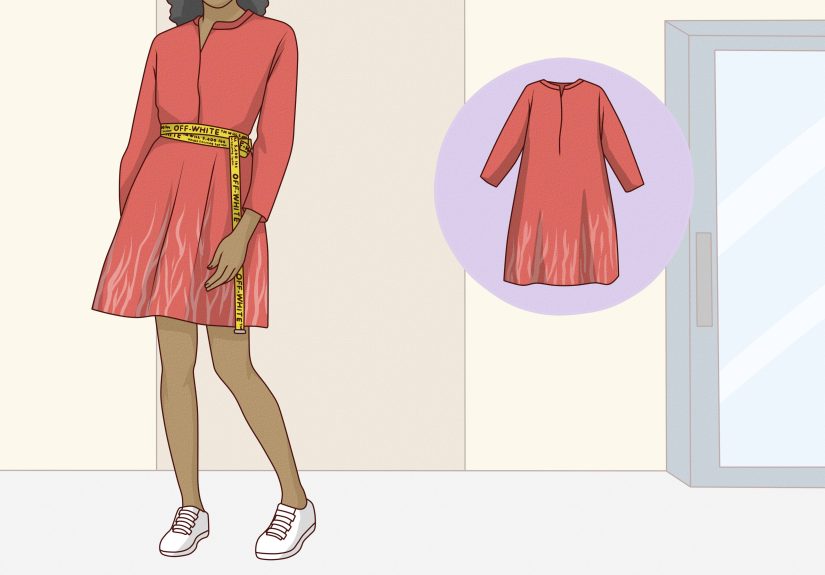
4. Style It Over a Shirt Dress
A shirt dress is one of the easiest pieces to upgrade with an industrial belt. On its own, it can look breezy and minimal. With a utility belt, it becomes sharper, more modern, and less “I borrowed a large button-down and hoped for the best.”
Choose a white, denim, khaki, black, or striped shirt dress. Button it neatly, roll the sleeves, then cinch the belt at the waist. A belt with metal hardware adds contrast to cotton or linen fabrics. Wear the outfit with ankle boots, flat sandals, platform sneakers, or loafers.
Style tip: For a relaxed weekend look, leave a few lower buttons open and pair the dress with biker shorts underneath. The belt keeps the outfit from looking too loose.
5. Let the Belt Hang With Wide-Leg Trousers
Wide-leg trousers are elegant, but they can sometimes feel too formal. An industrial belt makes them cooler and more casual while still keeping the outfit intentional. Think of it as the difference between “office meeting” and “creative director who owns excellent coffee mugs.”
Try black, gray, navy, beige, or cream wide-leg trousers with a tucked T-shirt, fitted knit top, or crisp button-down. Thread the belt through the loops and allow the end to hang. The vertical line of the hanging strap adds movement and visual interest.
Style tip: If your trousers are pleated or tailored, choose an industrial belt in black, gray, navy, or tonal beige for a more refined look. Bright belts create stronger streetwear contrast.
6. Add It to a Monochrome Outfit
Monochrome dressing is stylish because it looks calm, expensive, and suspiciously well-planned. An industrial belt adds a useful interruption. It can either match the outfit for texture or contrast it for drama.
For an all-black outfit, try a black industrial belt with silver hardware for a sleek urban look. For all-white or cream outfits, a tan, olive, or yellow belt can create a bold break. For gray outfits, black or neon-accented belts feel modern without shouting too loudly.
Style tip: If your belt is bright, keep shoes simple. If your belt is neutral, you can play with chunkier sneakers, boots, or a statement bag.
7. Wear It With Denim-on-Denim
Denim-on-denim is back often enough that it may as well pay rent. An industrial belt helps separate the top and bottom, which is especially helpful when your denim shirt and jeans are close in color.
Try a denim jacket or chambray shirt tucked into jeans, then add an industrial belt in black, yellow, white, orange, or olive. The belt works as a divider, making the double-denim outfit look deliberate rather than accidental. Add boots for a rugged feel or sneakers for a street-style finish.
Style tip: If your denim pieces are different washes, choose a belt that picks up one of the darker tones. If they are the same wash, go for contrast.
8. Wrap It Over a Long Coat or Trench
Belting outerwear is one of the simplest ways to make a coat feel new. A trench coat already comes with a belt, yes, but swapping it for an industrial belt gives it a sharper, more urban personality. Suddenly your coat is not just protecting you from wind; it is making decisions.
Wrap the belt over a trench, wool coat, long denim coat, or utility jacket. Keep the buckle slightly off-center for a relaxed look. This works especially well with beige trenches, black coats, olive jackets, and oversized outerwear.
Style tip: Make sure the belt is long enough to fit comfortably over the coat. If it pulls too tightly, the outfit will look strained instead of styled.
9. Mix It With Feminine Pieces
The industrial belt looks especially good when paired with something soft. The contrast is what makes the outfit interesting. Try it with a slip dress, pleated skirt, floral dress, lace top, satin midi skirt, or puff-sleeve blouse.
The belt adds edge and prevents delicate pieces from feeling too sweet. A black industrial belt over a floral dress with boots is a classic high-low mix. A neutral utility belt with a satin skirt and tank top creates a more subtle contrast.
Style tip: Keep jewelry minimal when the belt has big hardware. Let the buckle and strap act like the outfit’s main accessory.
10. Try the Double-Belt Look
Layering belts sounds chaotic until you see it done well. The key is to pair one practical belt with one decorative belt. For example, wear a slim leather belt through your pants loops, then layer a longer industrial belt slightly lower on the hips. Or wear two industrial-style belts in different widths but similar colors.
This look works best with simple outfits: a tank and trousers, a fitted dress, a blazer and jeans, or a plain tee with wide-leg pants. The double-belt effect adds runway energy without requiring runway-level balance.
Style tip: Keep the colors related. Black plus gray, beige plus olive, brown plus tan, or black plus silver are easier to style than three loud colors fighting in a tiny waist-area boxing ring.
11. Use It as a Non-Waist Accessory
An industrial belt does not always have to live at the waist. Depending on the length and flexibility, it can be styled across the body, attached to a bag, wrapped around a jacket, or worn loosely over the hips. Some street-style looks even use long belts almost like straps or graphic accessories.
For a practical version, loop the belt around a tote handle for a utility detail. For a bolder outfit, wear it diagonally across a plain oversized tee or hoodie. This styling choice is best for casual events, concerts, creative settings, or days when your outfit wants to do a little yelling.
Style tip: If wearing the belt crossbody, make sure it sits comfortably and does not restrict movement. Fashion is fun, but breathing remains a classic.
How to Choose the Right Industrial Belt
Consider Length
Industrial belts are often longer than traditional belts. That extra length is part of the look, but too much can become awkward. A belt tail that hangs around the hip or upper thigh usually looks intentional. A belt tail near the ankle may look like you are being slowly defeated by an accessory.
Choose the Right Width
Wider belts make a stronger statement and work well with oversized clothing, outerwear, cargo pants, and denim. Narrower utility belts are easier to wear with dresses, trousers, and softer outfits. If you are new to the style, start with a medium-width black or neutral belt.
Pay Attention to Hardware
Silver hardware feels cool and industrial. Black hardware looks minimal and modern. Gold hardware can make the belt feel more fashion-forward. Match the hardware to your jewelry, bag details, or shoe buckles when you want a cleaner outfit.
Think About Color
Black, navy, gray, olive, tan, and cream are easiest to style. Yellow, orange, red, neon green, and logo-heavy versions are more expressive. Bright belts work best when the rest of the outfit is simple, neutral, or deliberately sporty.
Common Styling Mistakes to Avoid
Overloading the Outfit
An industrial belt already brings texture, hardware, and attitude. If you add huge sneakers, a loud bag, oversized sunglasses, layered chains, cargo pants, a graphic hoodie, and a hat, the outfit may start filing paperwork to become a parade. Choose one or two statement pieces and let the belt be one of them.
Ignoring Proportion
If your outfit is very oversized, use the belt to define shape. If your outfit is fitted, let the belt sit lower or choose a slimmer version. Proportion matters more than rules.
Using It for Formal Dress Codes
An industrial belt can look amazing with smart-casual outfits, but it is usually not the best choice for black-tie events, conservative offices, or traditional suits. For formal occasions, a classic leather belt or no belt at all is usually cleaner.
Industrial Belt Outfit Ideas by Occasion
Casual Weekend
Wear relaxed jeans, a white tee, a black industrial belt, and low-top sneakers. Add a denim jacket or bomber jacket if you need a layer.
Creative Office
Pair wide-leg trousers with a tucked knit top, oversized blazer, and a tonal industrial belt. Keep the belt neutral and the buckle clean.
Date Night
Try a slip skirt, fitted tank, cropped jacket, and a black industrial belt. Add boots or sleek heels for contrast.
Concert or Streetwear Look
Wear cargo pants, a cropped hoodie or oversized tee, a bold industrial belt, and chunky sneakers. Let the belt tail hang for movement.
Travel Outfit
Choose comfortable trousers, a soft tee, utility jacket, and an adjustable webbed belt. Just remember that complicated metal hardware can be annoying at security checkpoints. Stylish? Yes. Airport-friendly? Sometimes dramatic.
Real-Life Experience: What Styling an Industrial Belt Actually Teaches You
The first time you style an industrial belt, you may feel like it is wearing you instead of the other way around. That is normal. The belt has presence. It has opinions. It probably has better posture than most of us before coffee. But after a few outfits, you start to understand why people like it so much: it can make old clothes feel new without requiring a full closet rebuild.
One of the easiest lessons is that basics become stronger. A plain T-shirt and jeans can look forgettable, but add an industrial belt and the outfit suddenly has a visual center. It says, “I meant to do this.” That small shift matters. Many people think style requires complicated layering or expensive pieces, but often it comes from one strong accessory placed well.
Another useful experience is learning how proportion changes everything. With oversized shirts, the belt creates shape. With wide-leg pants, it adds definition. With dresses, it creates contrast. With coats, it gives structure. Once you see how a belt can control the silhouette, you start looking at clothing differently. Loose pieces stop feeling sloppy and start feeling adjustable.
The industrial belt also teaches restraint. Because it is bold, you quickly learn when to stop adding extras. If the belt has a large buckle, bright color, or long hanging strap, the rest of the outfit often looks better when it stays simple. This is not boring; it is balance. A black tee, tailored pants, and one bold belt can look more stylish than five trendy items stacked together like a fashion sandwich nobody ordered.
Comfort is another real factor. Not every industrial belt works with every outfit. Some are stiff. Some are very long. Some have buckles that feel bulky when sitting. Before wearing one for a long day, test it at home. Sit down, walk around, raise your arms, and make sure the belt is not doing anything weird. A good outfit should survive real life, not just a mirror selfie.
Color confidence grows with practice. Many people start with a black industrial belt because it is easy. Then they try olive, beige, or gray. Eventually, a yellow or orange belt starts looking less scary and more like a fun styling tool. The secret is to repeat the color somewhere small: sneakers, stitching, a graphic tee, sunglasses, or bag detail. That makes the belt feel connected instead of random.
Finally, styling an industrial belt reminds you that fashion can be playful. It does not have to be perfect. You can wear it through loops one day, over a blazer the next, and around a coat later. You can tuck the tail, let it hang, knot it, layer it, or keep it minimal. The best outfits come from experimenting, editing, and occasionally laughing when something looks ridiculous. That is part of the process. Even great style has bloopers.
The biggest takeaway is simple: an industrial belt is not just a belt. It is a styling tool. It adds shape, attitude, contrast, and personality. When you learn how to use it, your wardrobe gets more flexible, your basics get more interesting, and your outfits start looking less accidental. Not bad for something that technically still holds up pants.
Conclusion
Styling an industrial belt is easier than it looks. Start with simple outfits, use the belt to define shape, and let its utility-inspired details add character. It works with denim, cargos, dresses, blazers, coats, wide-leg trousers, and monochrome looks because it brings contrast and intention. The key is balance: let the belt be bold, but do not make every piece in the outfit compete for applause.
Whether you prefer a subtle black webbed belt or a bright statement version with a long hanging strap, the industrial belt can refresh your wardrobe in practical, affordable, and creative ways. Wear it with confidence, adjust the proportions, and remember: if your belt looks like it could secure cargo and upgrade your outfit at the same time, you are probably doing it right.




 Close
Close