
Table of Contents >> Show >> Hide
- How to think about birth control before choosing a method
- 15 methods to avoid pregnancy
- Which methods are most effective?
- How to choose the right birth control method
- Common mistakes people make when trying to avoid pregnancy
- Real-world experiences people often report with these methods
- Final thoughts
If preventing pregnancy had a group project, it would be called contraception. The good news is that modern birth control gives people more choices than ever before. The less-fun news? Every option comes with trade-offs involving convenience, hormones, side effects, cost, and how much room there is for human forgetfulness. And, as history keeps proving, human forgetfulness deserves its own zip code.
This guide breaks down 15 birth control methods in plain American English, with a focus on how they work, what makes them helpful, and where they may fall short. Some methods are “set it and mostly forget it.” Others demand a better memory than most people have before coffee. A few also help reduce the risk of sexually transmitted infections (STIs), which matters because preventing pregnancy and protecting sexual health are not always the same job.
If you want the headline before the headlines: long-acting reversible contraception, such as IUDs and implants, tends to be among the most effective because there is less room for user error. Short-acting methods like pills, patches, and rings can work very well too, but only if used consistently. Barrier methods remain important, especially condoms, because they add STI protection. And emergency contraception is the backup singer you hope never needs a solo, but you are very glad exists.
How to think about birth control before choosing a method
Before diving into the list, it helps to ask a few practical questions. Do you want a hormone-free option? Do you want something reversible? Are you trying to avoid a daily routine? Do you also need STI protection? Are you okay with a clinic visit, or do you want something available over the counter? Your answers can narrow the field fast.
Another useful rule is this: the “best” birth control is not the one that sounds impressive in a brochure. It is the one you can actually use correctly and consistently. A theoretically perfect method that sits in a drawer, or a pill pack that misses three days in a row, is not doing much heroic work.
15 methods to avoid pregnancy
1. External condoms
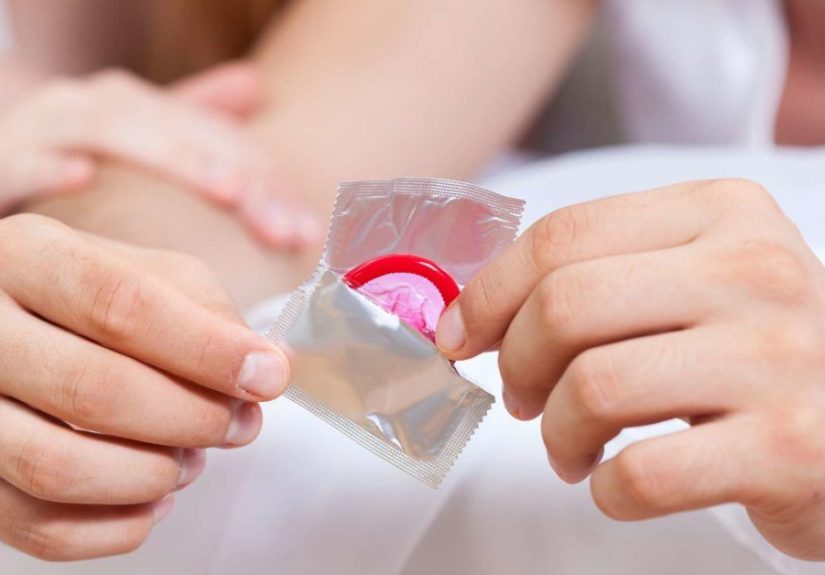
External condoms are one of the most familiar contraception options, and for good reason. They are easy to find, do not require hormones, and can help reduce the risk of pregnancy and many STIs. That dual-purpose role makes them stand out in a crowded field.
The catch is consistency. Condoms work best when used correctly every time. For many people, they are smartest as either a primary method or part of a “dual protection” strategy, such as using condoms plus the pill or an IUD.
2. Internal condoms
Internal condoms are inserted before sex and offer another hormone-free barrier option. They can also help reduce STI risk, which makes them more than just a pregnancy-prevention tool. Some people like that they can be inserted ahead of time instead of requiring a last-second scramble worthy of a game-show timer.
They may take practice, and not everyone finds them as widely available as external condoms, but they remain a valid choice for people who want more control over barrier protection.
3. Combination birth control pills
The combination pill contains estrogen and progestin. It mainly works by stopping ovulation and also changes cervical mucus and the uterine lining. In real life, the pill can be highly effective, but only when taken consistently. Translation: it is excellent for organized people and less excellent for people who use “I forgot” as a recurring personality trait.
Many users also choose the pill for side benefits, such as lighter periods, less cramping, or cycle predictability. Still, it is not ideal for everyone, especially those who have medical reasons to avoid estrogen.
4. Progestin-only pills
The mini-pill is a good alternative for people who cannot or do not want to use estrogen. It can be a practical option during breastfeeding and in other situations where a clinician recommends avoiding combination hormonal methods.
The downside is timing. Progestin-only pills often require more precise daily use than combination pills. If your schedule is chaotic enough to make your calendar nervous, this may not be your easiest method.
5. The patch
The birth control patch releases hormones through the skin and is replaced on a weekly schedule. For people who want hormonal birth control without a daily pill, the patch offers a nice middle ground between convenience and control.
Its biggest advantage is simplicity. Weekly is easier than daily for many users. Still, it contains estrogen, so it is not right for everyone, and remembering the weekly change still matters.
6. The vaginal ring
The vaginal ring is a flexible hormonal method used on a monthly cycle. Compared with daily pills, it can feel refreshingly low-maintenance. Compared with an IUD or implant, it still requires regular attention, but less often.
Many people like the balance: effective, reversible, and more private than some other methods. Like the patch and combination pill, it usually includes estrogen, so medical history matters here too.
7. The shot
The birth control shot is given every three months. It appeals to people who want something effective without daily or weekly upkeep. If your ideal birth control plan is “I do not want to think about this very often,” the shot enters the chat with confidence.
Possible downsides include changes in bleeding patterns and delayed return to fertility after stopping. Some users love the freedom; others dislike the unpredictability. This is one of those methods where personal experience really shapes satisfaction.
8. The implant
The implant is a tiny rod placed under the skin of the arm by a healthcare professional. It is one of the most effective reversible options available and can last for years. It is often chosen by people who want strong pregnancy prevention without a daily routine, monthly refill, or constant mental load.
Its popularity makes sense. Once inserted, it keeps working in the background like a very responsible assistant who never misses a meeting. Some users do experience irregular bleeding, so counseling beforehand matters.
9. Hormonal IUDs
Hormonal IUDs are placed in the uterus by a clinician and can last for several years depending on the type. They are among the most effective reversible methods and often make periods lighter. For some users, that benefit alone earns a standing ovation.
Because they require almost no ongoing action, they remove the most common problem in contraception: user error. The main hurdle is that insertion requires a medical visit and may not be everyone’s first idea of a relaxing afternoon.
10. Copper IUD
The copper IUD is the hormone-free superstar of long-acting contraception. It works by creating an environment that interferes with sperm and can prevent fertilization. It also lasts for years and requires no daily upkeep.
This option is especially attractive for people who want very effective birth control without hormones. Some users may notice heavier periods or more cramping, especially early on, but for others, the trade-off is worth it.
11. Diaphragm
A diaphragm is a barrier method placed over the cervix, usually with spermicide. It is reusable and hormone-free, which can be appealing if you want a non-hormonal method without committing to a device that stays in the body long term.
However, it takes planning. It is not the type of method that loves spontaneity. A diaphragm is more realistic for users who do not mind prep and want a clinician-guided option with a lower-tech feel.
12. Cervical cap
The cervical cap is another barrier method that covers the cervix. Like the diaphragm, it works best with spermicide and requires correct placement. It may appeal to people seeking a hormone-free option that is used only when needed.
Its effectiveness can vary, and it is generally less popular than condoms, pills, IUDs, or implants. Still, it remains part of the birth control menu, and sometimes the less-famous options are exactly what fits a specific person’s needs.
13. Fertility awareness methods
Fertility awareness methods involve tracking the menstrual cycle and identifying fertile days using calendar patterns, cervical mucus changes, basal body temperature, or a combination of signs. These methods are hormone-free and can help users better understand their cycles.
But they require dedication, careful tracking, and a willingness to avoid sex or use another method on fertile days. In other words, fertility awareness is less “guess and hope” and more “data analyst with a thermometer.” It can work, but only when done carefully and consistently.
14. Withdrawal
Withdrawal, also called the pull-out method, aims to keep semen away from the vagina. It is widely known, widely used, and widely overestimated. It is certainly better than doing absolutely nothing, but it is far less reliable than many other methods.
The biggest problem is timing and self-control under pressure. Those are not always humanity’s finest talents. Withdrawal also does not protect against STIs, which is why it is usually best viewed as a backup layer rather than a gold-standard plan.
15. Emergency contraception
Emergency contraception is not meant to replace routine birth control, but it is an important method for preventing pregnancy after unprotected sex or birth control failure. Depending on the method, it works best the sooner it is used. A copper IUD can also be used as emergency contraception and is especially effective when placed promptly.
This option matters because real life is messy. Condoms break. Pills get missed. Timing goes sideways. Emergency contraception is the safety net, not the daily tightrope.
Which methods are most effective?
In everyday use, methods that remove user error tend to perform best. Implants and IUDs are among the strongest options because once they are in place, there is little left to remember. Pills, patches, rings, diaphragms, and fertility-awareness methods can still work well, but they ask more from the user. And whenever a method asks more from the user, real life usually answers with, “I did my best.”
If STI protection is important, condoms deserve a starring role. Most birth control methods prevent pregnancy but do not protect against infections. That is why many clinicians recommend dual protection: condoms plus a more effective pregnancy-prevention method.
How to choose the right birth control method
The right contraception option depends on your age, health history, lifestyle, pregnancy plans, tolerance for hormones, and comfort with medical procedures. Someone who wants years of protection may lean toward an implant or IUD. Someone who wants a non-hormonal method may prefer condoms, a copper IUD, or barrier methods. Someone who wants cycle control may prefer a hormonal method. Someone who never wants to remember a daily pill again may dramatically fling the pill pack into a drawer and ask about long-acting contraception.
It is also worth thinking about reversibility. Some methods stop working quickly once you stop using them. Others may delay the return of regular fertility. That does not make them bad options; it just means the timeline matters.
Common mistakes people make when trying to avoid pregnancy
One common mistake is assuming all methods are equally effective. They are not. Another is relying on a method that does not fit a person’s routine. A daily pill is not “simple” if you forget it every third day. Another big one is confusing pregnancy prevention with STI prevention. Condoms help with both. Most other methods do not.
People also sometimes use emergency contraception as if it were a long-term strategy. It is not. It is a backup option, not a routine plan. And finally, many people underestimate how helpful a quick conversation with a healthcare professional can be. Birth control counseling is not glamorous, but it can save a lot of stress, money, and panic-googling at 1:12 a.m.
Real-world experiences people often report with these methods
In real life, birth control decisions are rarely made in a vacuum. People choose methods because of schedules, side effects, budgets, relationships, health conditions, and sometimes because they are simply tired of needing a reminder app for everything from vitamins to adulthood itself. Below are common experience patterns people often describe when choosing among the 15 methods above.
Many first-time users start with condoms because they are easy to buy, familiar, and do not involve hormones. People often say condoms feel practical and reassuring, especially when STI prevention matters. At the same time, some couples report that relying on condoms alone can feel stressful if they are worried about breakage, slippage, or inconsistent use. That is one reason dual protection becomes popular: condoms for STI protection, paired with another method for better pregnancy prevention.
Pill users frequently report loving the predictability when the routine clicks. They may appreciate lighter periods, less cramping, and the feeling of having a method they can start or stop relatively easily. But many also admit that daily adherence is harder than it sounds. Vacations, exams, night shifts, long workdays, and plain old forgetfulness can turn a good method into a frustrating one. Quite a few people move from the pill to the patch, ring, implant, or IUD not because the pill is bad, but because their calendar keeps winning the argument.
Users of the shot often describe it as freeing because it removes the daily burden of remembering. For busy people, that can feel like a small miracle. On the other hand, some report frustration with irregular bleeding or the waiting game after stopping the method and hoping their cycles return quickly. The method is convenient, but convenience and cycle predictability do not always arrive holding hands.
Implant and IUD users often talk about relief. After insertion, many say they barely think about contraception anymore, which is exactly the point. Hormonal IUD users commonly like lighter periods, while copper IUD users often appreciate having a hormone-free option that still provides excellent protection. At the same time, not everyone loves the first few months. Some describe spotting, cramping, or an adjustment period. Still, many say the long-term convenience outweighs the early learning curve.
People who choose fertility awareness often describe it as empowering because it helps them understand their cycles in detail. They may enjoy the hormone-free approach and the body literacy it encourages. But they also tend to be honest about the workload. Tracking signs every day, interpreting changes correctly, and adjusting behavior during fertile days requires real commitment. It is not impossible; it just rewards consistency and punishes wishful thinking.
Those who rely on withdrawal often say it feels simple, free, and available. Then, in the same breath, many admit it can feel nerve-racking because it depends so heavily on timing and control. It is one of the most commonly used methods partly because it is accessible, but many users eventually pair it with condoms or switch to something more dependable for peace of mind.
Emergency contraception stories often begin with an “uh-oh” moment: a broken condom, a forgotten prescription refill, or a missed pill streak that suddenly feels less theoretical. People often describe enormous relief after using it, but also say they wish they had a stronger regular plan in place. In that sense, emergency contraception often becomes a turning point, pushing someone from reactive contraception to intentional contraception.
The biggest theme across all experiences is not perfection. It is fit. The method that works best is usually the one that matches a person’s life, values, and tolerance for hassle. Birth control is not about finding a universally perfect option. It is about finding the option that you will actually use, trust, and stick with when life gets noisy.
Final thoughts
There is no single best answer to pregnancy prevention. There is only the best answer for a specific person at a specific time. The strongest method on paper may not be the one that fits your health history, budget, comfort level, or daily routine. That is why good contraception is less about chasing a trendy option and more about choosing a realistic one.
If you want one practical takeaway, let it be this: methods that reduce user error tend to prevent pregnancy more effectively, and condoms remain especially valuable because they also help protect against STIs. A well-matched method can reduce stress, improve confidence, and make reproductive planning a lot less chaotic. And that, frankly, is a beautiful thing.







 Close
Close