
Table of Contents >> Show >> Hide
- Before You Start: Kitchen-Smart Rules for Window Treatments
- 16 DIY Kitchen Window Treatments That Block Sun and Add Style
- 1. Painted Roller Shade (the “brand-new shade” illusion)
- 2. Fabric-Wrapped Roller Shade (soft, tailored, secretly easy)
- 3. No-Sew Café Curtains on a Tension Rod (privacy without the cave vibes)
- 4. Trimmed Café Curtains (pompoms, tassels, and instant charm)
- 5. Two-Tier “Adjustable Coverage” Curtains (sun where you need it, light where you want it)
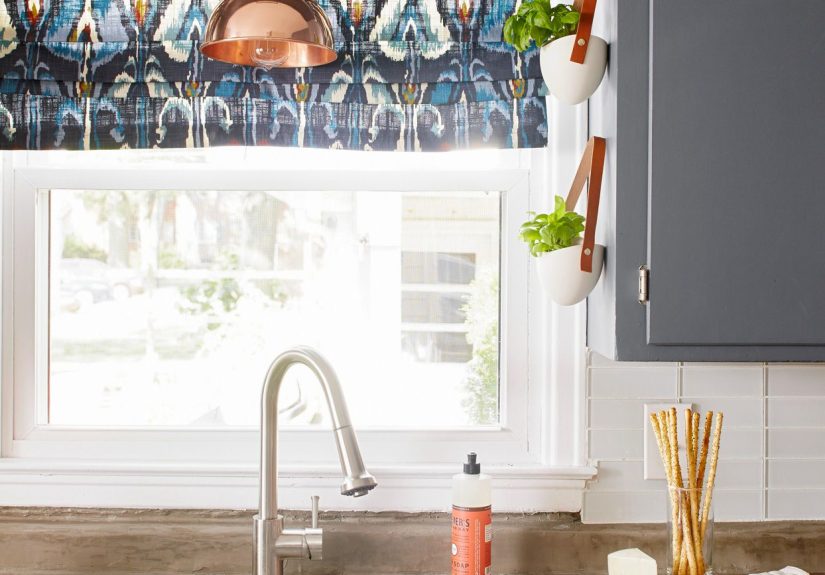
- 6. Classic DIY Roman Shade (structured, cozy, and very “I know what I’m doing”)
- 7. No-Sew Faux Roman Shade From Mini Blinds (the makeover queen)
- 8. Bamboo or Woven Wood Shade + DIY Privacy Liner (warm texture, cooler kitchen)
- 9. “No-Screw” Bamboo Shade Mount (hello, rentals and fragile tile)
- 10. DIY Solar Screen Insert (a removable heat-and-glare bouncer)
- 11. Peel-and-Stick Heat-Control Window Film (sunglasses for your kitchen)
- 12. Decorative Privacy Film (pretty patterns that also calm the sun)
- 13. DIY Blackout Liner Upgrade (make any curtain a sun-blocker)
- 14. Top-Down/Bottom-Up Lookalike (privacy + light control, DIY-style)
- 15. Fabric Cornice or Box Valance (hides hardware, blocks top glare)
- 16. Easy DIY Interior Shutters (classic style, serious shade)
- Make Any DIY Treatment Block More Sun (Without Making Your Kitchen Dark)
- Conclusion
- Extra: Real-World Experiences & Lessons (About )
Kitchens get the best light… and the most aggressive light. The kind that turns your countertop into a
skillet at 4 p.m., fades your dish towels into “vintage sadness,” and makes you squint while you’re just
trying to rinse spinach like a peaceful person.
The good news: you don’t need custom drapes and a second mortgage to tame the sun. With a few smart DIY
window treatmentsshades, curtains, films, and a couple sneaky “why didn’t I do this sooner?” hacksyou
can block glare, cut heat, and still keep your kitchen looking like a place where good things happen.
Before You Start: Kitchen-Smart Rules for Window Treatments
- Prioritize wipeability: kitchens have steam, grease, and mysterious splatters that appear overnight.
- Control light in layers: a soft filter for daytime + a stronger block for peak sun is the dream combo.
- Mind the location: over-sink windows need water-friendly materials; near the stove needs heat-safe spacing.
- Go cordless when possible: it’s cleaner-looking and safer in homes with kids or pets.
- Measure like you mean it: the best-looking DIY is the one that fits like it was born there.
16 DIY Kitchen Window Treatments That Block Sun and Add Style
1. Painted Roller Shade (the “brand-new shade” illusion)
If you have a plain roller shade, you can upgrade it with paint: crisp stripes, a subtle stencil, or a
faux-linen look using a dry-brush technique. It blocks sun exactly like your old shadejust with a glow-up.
Pro tip: seal it so it can handle kitchen humidity and occasional splatter-adjacent life.
2. Fabric-Wrapped Roller Shade (soft, tailored, secretly easy)
Wrap a basic roller shade with pretty fabric using spray adhesive or fabric glue. Choose a light-filtering
fabric for glow, or add a blackout liner behind it for serious sun-blocking. It’s the easiest way to get a
“custom” look without learning advanced sewing or bargaining with a workroom.
3. No-Sew Café Curtains on a Tension Rod (privacy without the cave vibes)
Café curtains cover the lower half of the window, so you keep sunlight up top while blocking glare at eye level
especially helpful over a sink. Use hem tape + an iron for a clean finish, then hang with a tension rod for a
renter-friendly win. Cotton and linen look classic and launder well.
4. Trimmed Café Curtains (pompoms, tassels, and instant charm)
Start with plain café curtains and add tassel trim or pom-pom trim along the hem. It’s a small detail that makes
the whole kitchen feel styled. For more sun-blocking, choose a slightly heavier weave or add a simple lining panel.
Your window gets dressed up; your eyeballs get a break.
5. Two-Tier “Adjustable Coverage” Curtains (sun where you need it, light where you want it)
Make two short panelsone for the bottom, one for the topso you can cover only the side that gets blasted at
certain hours. This is great for east- or west-facing windows where sun hits like it’s personally offended by your comfort.
Mix patterns carefully (one bold, one quiet) for a designer-ish balance.
6. Classic DIY Roman Shade (structured, cozy, and very “I know what I’m doing”)
Roman shades are a kitchen MVP: tidy folds, strong light control, and tons of fabric options. DIY versions often
use dowels for structure and lining for more opacity. Pick a washable fabric, add a light-blocking lining if needed,
and you’ve got a polished treatment that doesn’t flap around every time someone opens the back door.
7. No-Sew Faux Roman Shade From Mini Blinds (the makeover queen)
This hack turns inexpensive mini blinds into a fabric-front shade. You keep the working mechanism but hide the
“office break room” look with fabric. Add a blackout liner layer if you’re dealing with intense afternoon sun.
It’s especially good for small kitchen windows where you want fabric style without full-curtain bulk.
8. Bamboo or Woven Wood Shade + DIY Privacy Liner (warm texture, cooler kitchen)
Bamboo/woven shades add instant warmth, but they can be a little see-through. The fix: attach a privacy liner
(or even a light-blocking liner) on the back. The texture stays; the harsh sun gets filtered. It’s a great match
for farmhouse, coastal, and “my kitchen has plants” aesthetics.
9. “No-Screw” Bamboo Shade Mount (hello, rentals and fragile tile)
If drilling is a no-go, use strong adhesive hooks, mounting tape, or clever tie-on methods (depending on your window frame)
to hang a lightweight shade. Keep it modest in size and weight, and choose hardware rated for the load. Bonus:
you can take it down fast for cleaning or seasonal swaps.
10. DIY Solar Screen Insert (a removable heat-and-glare bouncer)
Make a lightweight frame (like a screen frame kit) and stretch solar screen fabric across it, then press-fit it
inside the window opening. This cuts glare and heat while preserving daytime visibility better than heavy curtains.
It’s ideal for windows that turn your kitchen into a bright, shiny stage set every afternoon.
11. Peel-and-Stick Heat-Control Window Film (sunglasses for your kitchen)
Heat-control or reflective film reduces glare and can lower solar heat gain. DIY installation is mostly about
patience: clean glass, a soapy water mist, careful smoothing, and trimming with a tiny margin at the edges.
Choose the film look you can live with, because your window is about to have an opinion.
12. Decorative Privacy Film (pretty patterns that also calm the sun)
Frosted or patterned films are perfect for kitchens where you want light but not full visibility (hello, neighbor
with the telescope-level curiosity). While not all decorative films are heat-control films, they do soften harsh
light and reduce glareplus they add texture without fabric collecting cooking odors.
13. DIY Blackout Liner Upgrade (make any curtain a sun-blocker)
Love your curtains but hate the glare? Add a blackout lining panel to the backeither sewn in, clipped on, or
attached with curtain liner rings/hooks. This is the simplest way to turn “cute but useless at 5 p.m.” into
“cute and functional.” It also helps protect fabrics from fading.
14. Top-Down/Bottom-Up Lookalike (privacy + light control, DIY-style)
The real top-down/bottom-up shades are amazing, but you can mimic the effect with layered treatments:
a light-filtering shade plus café curtains. Drop the shade for glare, keep the café curtain for privacy, and still
let daylight in above. It’s a “choose your own sunlight adventure” setup.
15. Fabric Cornice or Box Valance (hides hardware, blocks top glare)
A cornice (a structured box at the top of the window) adds a finished look and can block that annoying strip of
light that sneaks in above a shade. Wrap plywood or foam insulation board with batting and fabric, then mount it
securely. It’s especially great when you want your kitchen to look taller and more pulled together.
16. Easy DIY Interior Shutters (classic style, serious shade)
For a high-impact look, build simple shutter panels from thin wood or MDF and mount them with hingesor make
removable panels that latch in place. Paint them crisp white for a traditional vibe or go bold for modern drama.
Shutters block sun hard, look intentional, and hold up well in busy kitchens when sealed properly.
Make Any DIY Treatment Block More Sun (Without Making Your Kitchen Dark)
Use the right mount
If light leaks around the edges, consider an outside mount that overlaps the window frame.
A little extra coverage can make a big difference for glare and heat. Inside mounts look sleek, but outside mounts
often block sun betterespecially for windows with shallow frames or tricky trim.
Layer for “bright, not blinding”
A smart combo is film + fabric or shade + café curtain. Film knocks down glare,
then fabric adds softness and style. If you cook a lot during peak sun hours, you’ll appreciate having a “light-filter”
mode and a “nope, not today, sun” mode.
Choose materials that behave in kitchens
Look for washable fabrics, moisture-resistant shades, and finishes you can wipe. If your window is near the sink,
avoid anything that stays damp. If it’s near the stove, keep fabric far enough away to avoid heat and grease buildup.
Kitchens are gorgeous… and also basically weather systems.
Quick safety note
Cordless options are typically the safest choice in homes with children and pets. If you do use cords, keep them
inaccessible and secured. (No one wants “window treatment” to mean “unexpected hazard.”)
Conclusion
Blocking kitchen sun doesn’t require a full renovation or fancy custom drapery. With the right DIY window treatment,
you can keep the room bright and welcomingwithout the glare, heat, or fading. Whether you love the softness of café
curtains, the clean lines of a Roman shade, the practicality of solar screens, or the sleek simplicity of window film,
you’ve got options that look great and work hard.
Extra: Real-World Experiences & Lessons (About )
Here’s what DIYers tend to learn after doing a couple of kitchen window projects (sometimes the hard way, sometimes
the “why is there adhesive on my elbow?” way).
First, measurement confidence is earned. People often measure once, cut, and then discover their window
is slightly out of squarebecause houses are like that. A common workaround is building in “forgiveness”: add a bit of
extra width to curtain panels so you can gather them nicely, or choose an outside mount for shades so you’re not trying
to win a precision contest against crooked trim. If you’re doing film, you’ll feel this tootiny misalignments show up
as visible edges when sunlight hits.
Second, kitchen light changes all day. Many people set up a treatment based on how the window looks in the
morning, then get surprised by the late-afternoon glare that hits like a spotlight. A lot of homeowners end up loving
layered solutions for this reason: film to reduce glare overall, then a shade or café curtain to handle the “sun has
entered its villain era” hour. It’s not overcomplicated; it’s adaptable.
Third, fabric choice matters more than you think. In kitchens, the best-looking fabric isn’t always the
best-living fabric. DIYers often report that lightweight linen looks amazing but can show splatter or steam spots if it
hangs too close to the sink. A practical compromise is using a washable cotton-linen blend or adding a liner that takes
the brunt of the sun and mess. And if you cook frequently, you may prefer shades (woven wood with a liner, cellular, or a
roller shade) because they don’t swing into your workspace.
Fourth, adhesives are heroesuntil they aren’t. For no-sew projects, hem tape is a lifesaver; it’s clean,
predictable, and easy to redo. But heavy-duty glue and double-sided tapes vary wildly by surface, humidity, and how much
your kitchen behaves like a tropical rainforest. DIYers who get the best results usually test adhesives on a small area
first, especially on painted trim or rental-friendly setups where removal matters.
Fifth, the “finished” look is often a top edge problem. People nail the curtain or shade, then notice the
hardware looks busy or light leaks from above. Adding a simple valance, a small cornice, or even a cleaner rod setup
can make the entire window feel intentional. This is the moment where a DIY goes from “I made a thing” to “I upgraded
my kitchen.”
Finally, expect a little iteration. Many DIYers start with one window (usually the worst offender) and refine the plan:
tweak the fabric weight, add a liner, switch to a tension rod, or adjust the hanging height. That’s normal. Window
treatments aren’t just decorationthey’re daily-use equipment. When your kitchen feels cooler, calmer, and less like
it’s auditioning to be a greenhouse, you’ll know you nailed it.






 Close
Close