
Table of Contents >> Show >> Hide
- What Makes a Food Collagen Boosting?
- 18 Foods With Collagen Boosting Benefits
- 1. Bone Broth
- 2. Chicken
- 3. Turkey
- 4. Fish With Skin
- 5. Shellfish
- 6. Eggs
- 7. Lean Beef
- 8. Greek Yogurt
- 9. Cottage Cheese
- 10. Beans and Lentils
- 11. Soy Foods
- 12. Citrus Fruits
- 13. Strawberries and Other Berries
- 14. Kiwi
- 15. Bell Peppers
- 16. Broccoli and Brussels Sprouts
- 17. Leafy Greens
- 18. Nuts and Seeds
- How to Build a Collagen Boosting Plate
- Foods and Habits That May Work Against Collagen
- Do You Need Collagen Supplements?
- Experience-Based Tips: How These 18 Foods Fit Into Real Life
- Conclusion
Collagen is the body’s built-in scaffolding. It helps give structure to skin, tendons, ligaments, cartilage, bones, blood vessels, and connective tissue. In beauty marketing, collagen is often treated like fairy dust with a subscription plan. In real life, your body makes collagen by using protein building blocks, especially amino acids, plus key helpers such as vitamin C, zinc, copper, and overall good nutrition.
That means collagen-friendly eating is not about chasing one miracle food. It is about building meals that give your body the raw materials it needs. Think protein for the bricks, vitamin C for the construction crew, and minerals like zinc and copper for the tools. Add enough sleep, hydration, sun protection, and a little patience, and suddenly your “collagen routine” looks less like a luxury serum shelf and more like a very respectable grocery cart.
Below are 18 foods with collagen boosting benefits, including foods that naturally contain collagen and foods that help your body produce it. Some are animal-based, some are plant-based, and most are easy to work into normal American meals without turning dinner into a science experiment.
What Makes a Food Collagen Boosting?
A food can support collagen in two main ways. First, it may contain collagen directly, which happens naturally in animal connective tissue, bones, skin, cartilage, and certain cuts of meat or fish. Second, it may provide nutrients your body needs to make collagen, such as amino acids from protein, vitamin C from fruits and vegetables, and minerals like zinc and copper from seafood, legumes, nuts, seeds, and whole grains.
The important thing to remember is that your body does not simply send chicken skin directly to your cheeks or bone broth straight to your knees. Digestion breaks proteins down into smaller amino acids and peptides. Your body then decides where those materials are needed. So, while collagen foods can be useful, they work best as part of a balanced diet, not as a one-bowl fountain of youth.
18 Foods With Collagen Boosting Benefits
1. Bone Broth
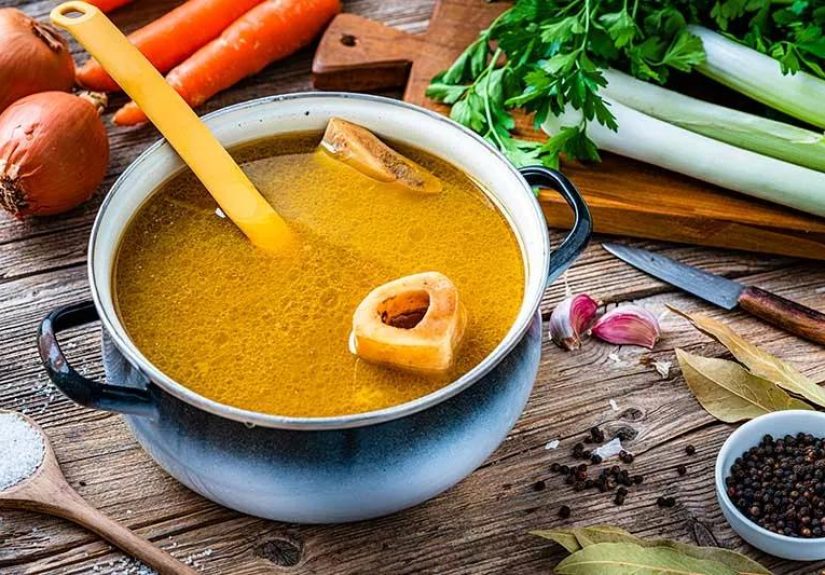
Bone broth is probably the celebrity of collagen foods. It is made by simmering bones and connective tissue from chicken, beef, turkey, or fish. This process can release gelatin, a cooked form of collagen, into the liquid. Bone broth may also provide small amounts of minerals, depending on the ingredients and cooking method.
Use it as a base for soups, stews, rice, or sauces. Choose lower-sodium versions when possible, because collagen support should not come with a salt ambush.
2. Chicken
Chicken is a practical collagen-supporting food because it provides high-quality protein and collagen-rich connective tissues, especially around the skin, cartilage, and joints. You do not need to eat a pile of wings every day. A roasted chicken, chicken soup, or slow-cooked chicken thighs can all fit into a balanced routine.
For a lighter option, pair chicken with vitamin C-rich vegetables such as bell peppers, broccoli, or a squeeze of lemon. That combination gives your body both amino acids and collagen-supporting nutrients.
3. Turkey
Turkey offers lean protein, amino acids, and connective tissue when prepared with bones or skin. It is especially useful for people who want a collagen-friendly protein but prefer something milder than beef or seafood.
Turkey soup made with bones, vegetables, herbs, and a little citrus at the end is a smart comfort meal. It tastes cozy, supports protein intake, and does not require pretending that salad alone can fix every problem.
4. Fish With Skin
Fish contains protein, and the skin, bones, and scales are natural sources of marine collagen. Salmon, sardines, mackerel, and trout can be especially helpful choices because they also provide omega-3 fatty acids, which support overall skin and heart health.
Try crispy salmon skin, canned sardines with bones, or fish soup. If fish skin makes you nervous, start small. It is not a personality test; it is just dinner.
5. Shellfish
Shellfish such as oysters, crab, shrimp, and mussels do not just bring protein to the table. Oysters are especially known for zinc, a mineral involved in normal wound healing and tissue maintenance. Copper, found in some shellfish, also plays a role in connective tissue formation.
Because shellfish can be a common allergen, people with allergies should avoid it. For everyone else, occasional shellfish can be a nutrient-dense addition to a collagen-conscious diet.
6. Eggs
Eggs do not contain collagen in the same way bone broth does, but they provide high-quality protein and amino acids your body can use. Egg whites are often mentioned for proline, one of the amino acids involved in collagen structure.
Breakfast idea: eggs with sautéed spinach and tomatoes. It is simple, protein-rich, and much more useful than buying a “collagen glow” snack bar that tastes like vanilla cardboard.
7. Lean Beef
Beef contains protein, and tougher cuts such as chuck, brisket, shank, and pot roast contain more connective tissue than very tender cuts. Slow cooking helps soften these cuts and can make them more enjoyable.
That said, moderation matters. Choose leaner portions, balance beef meals with vegetables, and avoid turning collagen support into an excuse for eating steak like it is a competitive sport.
8. Greek Yogurt
Greek yogurt supports collagen production by providing protein. It does not contain collagen itself, but it helps supply amino acids your body can use for repair and maintenance. It also pairs beautifully with vitamin C-rich fruit.
A bowl of plain Greek yogurt with strawberries, kiwi, and a sprinkle of pumpkin seeds gives you protein, vitamin C, zinc, and texture. It is basically a collagen-supporting breakfast wearing a brunch outfit.
9. Cottage Cheese
Cottage cheese is another protein-rich dairy food that can support your body’s collagen-making process. It is convenient, affordable, and easy to combine with both sweet and savory ingredients.
Try cottage cheese with berries, peaches, tomatoes, cucumbers, or whole-grain toast. Choose lower-sodium varieties if you are watching salt intake.
10. Beans and Lentils
Beans, lentils, chickpeas, and split peas are plant-based collagen supporters because they provide protein, zinc, copper, fiber, and other nutrients. They are especially useful for people who eat little or no meat.
Pair beans with vitamin C-rich foods to get more nutritional teamwork. Think black bean tacos with salsa, lentil soup with tomatoes, or chickpea salad with lemon dressing.
11. Soy Foods
Tofu, tempeh, edamame, and soy milk provide plant protein. Soy foods are helpful because collagen production depends on having enough amino acids available, and soy is one of the more complete plant protein options.
Tempeh stir-fried with broccoli and bell peppers is a strong collagen-supporting meal. It brings protein, vitamin C, and minerals together without needing a supplement scoop or a complicated wellness ritual.
12. Citrus Fruits
Oranges, grapefruit, lemons, limes, and tangerines are rich in vitamin C, one of the most important nutrients for collagen synthesis. Vitamin C helps the body form and stabilize collagen, which is why it belongs in any serious collagen-friendly food list.
Add citrus to water, salads, marinades, yogurt bowls, or fish dishes. A squeeze of lemon over protein is small but mighty, like a tiny nutrition assistant wearing a yellow jacket.
13. Strawberries and Other Berries
Strawberries, raspberries, blueberries, and blackberries provide vitamin C and antioxidants. Strawberries are particularly vitamin C-rich and easy to add to breakfast, smoothies, salads, or snacks.
Berries also bring color and flavor, which matters because a healthy eating plan you actually enjoy is more powerful than a “perfect” diet you abandon by Wednesday.
14. Kiwi
Kiwi is a small fruit with a surprisingly big vitamin C personality. It also provides fiber and a bright tart-sweet flavor that works well with yogurt, oatmeal, smoothies, and fruit salads.
Two sliced kiwis with Greek yogurt can make a quick collagen-supporting snack. The yogurt contributes protein, and the kiwi brings vitamin C. It is a good example of food synergy without needing a whiteboard.
15. Bell Peppers
Bell peppers, especially red, yellow, and orange peppers, are excellent sources of vitamin C. They are also crunchy, colorful, and easy to add to meals. If citrus fruits are the obvious vitamin C stars, bell peppers are the underrated backup singers who can absolutely carry the chorus.
Use them raw with hummus, roasted with chicken, sliced into fajitas, or chopped into omelets. Pairing bell peppers with protein is a smart move for collagen production.
16. Broccoli and Brussels Sprouts
Broccoli and Brussels sprouts provide vitamin C, fiber, and plant compounds that support overall health. They are useful collagen-friendly vegetables because they help fill the vitamin C side of the equation.
Roast Brussels sprouts until crisp, steam broccoli lightly, or toss either vegetable into grain bowls. Just do not boil them into sadness. Vegetables deserve dignity.
17. Leafy Greens
Spinach, kale, collard greens, Swiss chard, and romaine lettuce contribute vitamin C, folate, carotenoids, and other plant nutrients. Leafy greens are not collagen foods directly, but they support the nutritional environment your body needs to maintain healthy tissues.
Use leafy greens in smoothies, salads, soups, omelets, wraps, or pasta dishes. Pair them with eggs, beans, fish, chicken, or tofu for a more complete collagen-supporting meal.
18. Nuts and Seeds
Pumpkin seeds, sesame seeds, sunflower seeds, cashews, almonds, and chia seeds can provide minerals such as zinc and copper, along with healthy fats and plant protein. They are small, but nutritionally they are not here to play around.
Sprinkle seeds over yogurt, oatmeal, salads, roasted vegetables, or soups. Add nut butter to smoothies or whole-grain toast. These simple upgrades help round out meals with collagen-supporting minerals.
How to Build a Collagen Boosting Plate
The easiest way to eat for collagen support is to combine three categories: protein, vitamin C-rich produce, and mineral-rich add-ons. For example, grilled salmon with broccoli and pumpkin seeds gives you protein, vitamin C, zinc, and healthy fats. A tofu bowl with bell peppers, edamame, spinach, and sesame seeds does the same in a plant-forward way.
Here are a few practical meal combinations:
- Breakfast: Greek yogurt with strawberries, kiwi, and pumpkin seeds.
- Lunch: Chicken salad with leafy greens, bell peppers, citrus dressing, and sunflower seeds.
- Dinner: Salmon with roasted Brussels sprouts and lentils.
- Snack: Cottage cheese with berries or hummus with red pepper strips.
- Soup night: Turkey bone broth soup with beans, tomatoes, and kale.
The goal is consistency, not perfection. A collagen-friendly diet is built from repeatable meals, not one heroic smoothie that contains twelve ingredients and requires emotional recovery afterward.
Foods and Habits That May Work Against Collagen
Supporting collagen is not only about what you add. It is also about what you avoid overdoing. Diets consistently high in added sugar may contribute to processes that affect skin structure over time. Heavy alcohol intake, smoking, poor sleep, and too much unprotected sun exposure can also work against healthy collagen maintenance.
This does not mean you can never eat dessert. It means collagen support is a long game. A balanced routine beats panic-eating oranges after a weekend of sunscreen neglect. Your skin, joints, and connective tissues appreciate steady care more than dramatic apologies.
Do You Need Collagen Supplements?
Collagen supplements may be useful for some adults, but they are not required for everyone. The evidence is still developing, and many studies are small or focused on specific supplement types. Food-first collagen support remains a smart foundation because whole foods provide protein, vitamin C, zinc, copper, antioxidants, fiber, and other nutrients that supplements may not offer.
If you are pregnant, nursing, managing a medical condition, taking medications, allergic to fish, shellfish, eggs, or beef, or considering high-dose supplements, talk with a qualified healthcare professional. Collagen products can come from marine, bovine, porcine, or chicken sources, and quality varies widely.
Experience-Based Tips: How These 18 Foods Fit Into Real Life
In real kitchens, collagen boosting benefits are less about perfection and more about habits that survive busy mornings, picky appetites, grocery budgets, and the occasional “I forgot vegetables exist” kind of week. The best approach is to make collagen-supporting foods feel normal, not like a wellness challenge filmed in soft lighting.
One useful experience is to start with breakfast. A protein-rich morning meal can make the entire day easier. Greek yogurt with strawberries and kiwi takes about two minutes, requires no cooking, and checks several boxes: protein for amino acids, vitamin C from fruit, and optional zinc from pumpkin seeds. It also feels like a real breakfast, not punishment in a bowl. Cottage cheese works the same way if you prefer a thicker, more savory base. Add tomatoes, black pepper, and whole-grain toast, and suddenly breakfast has gone from “whatever is near the fridge” to “quietly impressive.”
Lunch is where many people lose the plot, usually somewhere between a rushed sandwich and leftover fries. A simple collagen-friendly lunch formula is protein plus colorful produce plus crunch. Chicken with leafy greens and bell peppers works. Tuna or salmon with citrus dressing works. Lentils with tomatoes, spinach, and sesame seeds work. The magic is not in one ingredient; it is in the combination. When vitamin C-rich foods appear beside protein foods, the meal becomes more useful for collagen production.
Dinner is the easiest place to use collagen-containing foods without making them weird. Bone-in chicken soup, turkey chili with beans, slow-cooked beef stew, salmon with crispy skin, or sardines on toast can all support collagen intake or production. Slow cooking tougher cuts of meat is especially practical because it softens connective tissue and creates rich flavor. Bone broth can also be used to cook rice, quinoa, or soup instead of plain water. It is a small swap, but small swaps are the quiet overachievers of nutrition.
For plant-based eaters, the experience is slightly different but still very doable. Since plants do not contain collagen, the focus shifts to helping the body make its own. Soy foods, beans, lentils, chickpeas, nuts, seeds, citrus fruits, bell peppers, berries, kiwi, broccoli, and leafy greens become the main team. A tofu stir-fry with broccoli and red peppers, a lentil bowl with lemon dressing, or edamame with sesame seeds can be just as intentional as a bowl of bone broth.
Another practical lesson: texture matters. Some collagen-rich foods, like fish skin, sardines, or bone broth, can be a hard sell at first. Do not force it. Try salmon skin crisped in a pan, sardines mashed with lemon and herbs, or bone broth blended into soup where it supports flavor without announcing itself. Healthy eating should not feel like a dare.
The final experience is patience. Collagen support is not like flipping a switch. It is more like watering a plant: boring in the moment, impressive over time. A week of citrus and chicken will not erase years of sun exposure or poor sleep, but months of balanced meals, good protein intake, colorful produce, hydration, movement, and sun protection can support healthier skin and connective tissue. That is the real benefit of these 18 foods. They do not promise magic. They offer momentum.
Conclusion
Collagen is important, but the best collagen boosting foods are not mysterious. They are everyday foods that provide collagen directly or help your body produce it naturally. Bone broth, chicken, turkey, fish, shellfish, eggs, beef, yogurt, cottage cheese, beans, soy foods, citrus, berries, kiwi, bell peppers, broccoli, leafy greens, nuts, and seeds all earn a place on the list for good reasons.
The smartest strategy is to combine protein-rich foods with vitamin C-rich produce and mineral-rich add-ons. That way, your meals support collagen from multiple angles. No gimmicks, no glittery promises, and no need to whisper affirmations to a smoothie. Just balanced meals, steady habits, and a grocery list that knows what it is doing.
Note: This article is for general educational purposes only and is not medical advice. People with allergies, medical conditions, or special dietary needs should consult a qualified healthcare professional before making major diet or supplement changes.







 Close
Close