Table of Contents >> Show >> Hide
- What Does 20/20 Vision Mean?
- Is 20/20 Vision the Same as Perfect Vision?
- Effects of 20/20 Vision on Daily Life
- How 20/20 Vision Is Diagnosed
- Common Vision Scores and What They Mean
- Causes of Less Than 20/20 Vision
- Can You Improve Vision to 20/20?
- How to Maintain Healthy Vision
- When to See an Eye Doctor
- Myths About 20/20 Vision
- Experience Section: Real-Life Lessons About 20/20 Vision
- Conclusion
“You have 20/20 vision.” For many people, that sentence sounds like a gold medal, a superhero origin story, and a free pass to ignore eye exams for the next decade. But here is the plot twist: 20/20 vision does not mean your eyes are perfect. It simply means you can see clearly at a standard distance compared with the average person. Nice? Absolutely. Magical? Not quite.
Understanding 20/20 vision matters because eyesight affects school, work, driving, sports, reading, screen time, and everyday safety. Clear distance vision helps you recognize road signs, follow a presentation, spot a friend across the room, and avoid mistaking a laundry basket for the family dog at 2 a.m. Still, healthy vision is bigger than one number on an eye chart.
This guide explains what 20/20 vision really means, how doctors diagnose it, what it does and does not say about eye health, and how to maintain strong vision habits for the long run.
What Does 20/20 Vision Mean?
20/20 vision is a measurement of visual acuity, which means the sharpness or clarity of your eyesight at a distance. The first number, 20, refers to the distance between you and the eye chart: 20 feet. The second number describes what a person with standard vision can see from that same distance.
So, if you have 20/20 vision, you can see at 20 feet what a person with normal distance vision is expected to see at 20 feet. If your vision is 20/40, you need to stand 20 feet away to see what a person with standard vision can see from 40 feet away. In plain English: 20/40 means distance details may look blurrier than they should.
But 20/20 is not the ceiling. Some people have sharper-than-average visual acuity, such as 20/15 or even 20/10. That means they can see details from 20 feet away that many people would need to move closer to see. Yes, some people really do seem to have built-in high-definition mode.
Is 20/20 Vision the Same as Perfect Vision?
No. This is one of the biggest misunderstandings about eyesight. 20/20 vision only measures how clearly you see at a distance. It does not fully measure how healthy your eyes are or how well your visual system works overall.
A person can read the 20/20 line on an eye chart and still have issues with eye pressure, retinal health, peripheral vision, dry eyes, focusing ability, color vision, or eye coordination. Think of 20/20 vision like a car’s speedometer. It tells you one important thing, but it does not tell you whether the brakes, engine, tires, and headlights are all in great shape.
20/20 Vision Does Not Measure Everything
Visual acuity is important, but it is only one part of eye health. A complete eye exam may also evaluate:
- Peripheral vision, or side vision
- Eye pressure, which can help screen for glaucoma risk
- Eye movement and coordination
- How the pupils respond to light
- The retina and optic nerve
- Near vision and focusing ability
- Signs of eye disease or general health conditions
That is why someone can “see fine” and still need an eye exam. Many eye conditions develop quietly at first, without dramatic warning signs. Your eyes are polite like thatsometimes too polite.
Effects of 20/20 Vision on Daily Life
Having 20/20 vision can make everyday activities easier and more comfortable, especially tasks that depend on distance clarity. It can help with driving, reading boards or screens from across a room, watching live events, playing sports, and recognizing faces from a distance.
For children and teens, clear distance vision may support classroom learning because students often need to read from whiteboards, screens, posters, and demonstrations. For adults, it can improve confidence while driving, working, exercising, and navigating unfamiliar spaces.
Driving and Safety
Distance clarity matters when reading road signs, judging traffic, noticing pedestrians, and reacting quickly. Even mild blur can make night driving harder, especially when glare from headlights enters the party uninvited. People who struggle with distance vision may squint, lean forward, or avoid driving at night.
School, Work, and Screens
20/20 distance vision does not automatically mean screens will feel comfortable. Digital eye strain can happen even when distance vision is normal. Long screen sessions may cause tired eyes, dryness, headaches, or trouble shifting focus from near to far. Your eyeballs were not designed to stare at glowing rectangles for ten straight hours, no matter how convincing your favorite app may be.
Sports and Performance
Clear distance vision helps with activities such as basketball, soccer, tennis, baseball, and cycling. However, sports vision also depends on depth perception, tracking, contrast sensitivity, reaction time, and peripheral awareness. A person with 20/20 acuity may still need help with visual coordination or protective eyewear.
How 20/20 Vision Is Diagnosed
Eye care professionals diagnose visual acuity using a vision test. The classic method is the Snellen eye chart, which displays rows of letters that get smaller as you move down the chart. In modern clinics, the chart may appear on a wall, printed card, mirror system, or digital screen.
The Visual Acuity Test
During a visual acuity test, you usually stand or sit 20 feet from the chart. One eye is covered while the other reads the smallest line possible. Then the process is repeated with the other eye. The provider may test both eyes together as well.
For young children or people who cannot read letters, special charts may use pictures, symbols, or a tumbling “E” shape. The goal is the same: find the smallest detail a person can identify accurately from a set distance.
Refraction Testing
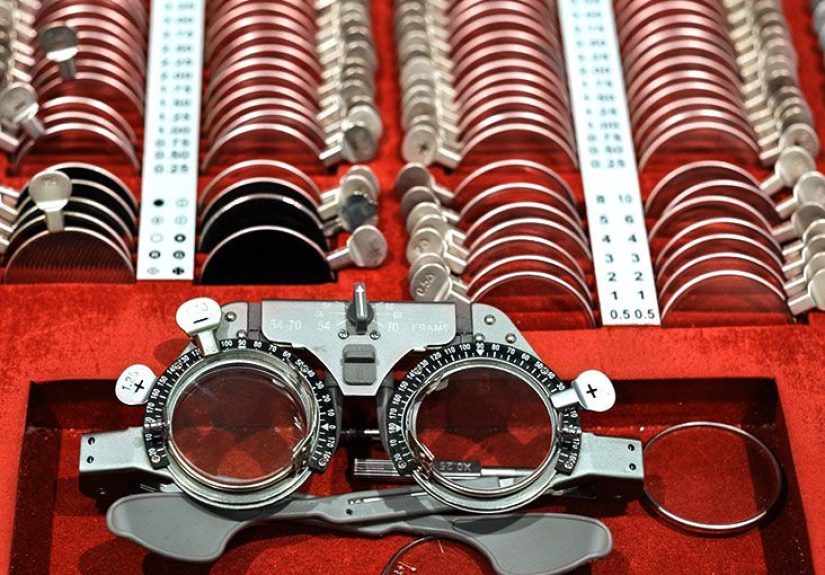
If the eye chart shows blurry vision, an eye doctor may perform a refraction test. This is the familiar “Which is better, one or two?” moment. The provider places different lenses in front of your eyes to determine whether glasses or contact lenses can sharpen vision.
Refraction helps diagnose common refractive errors, including nearsightedness, farsightedness, and astigmatism. These conditions happen when the eye does not bend light exactly onto the retina, causing blur at certain distances.
Comprehensive Eye Exam
A comprehensive eye exam goes beyond reading letters. It may include eye pressure checks, pupil response testing, eye muscle testing, retinal examination, and sometimes dilation. Dilation uses special drops to widen the pupils so the doctor can better examine the retina and optic nerve at the back of the eye.
This matters because some eye diseases can begin quietly. A person may pass a basic vision screening but still have early signs of a condition that needs monitoring or treatment. In short, the eye chart is importantbut it is not the entire detective squad.
Common Vision Scores and What They Mean
Vision scores can look confusing at first, but the pattern is simple once you understand the fraction.
- 20/20 vision: Standard distance visual acuity.
- 20/15 vision: Sharper than standard; you can see at 20 feet what many people see at 15 feet.
- 20/40 vision: You see at 20 feet what a person with standard vision sees at 40 feet.
- 20/80 vision: Distance vision is significantly reduced compared with standard vision.
Visual acuity scores should always be interpreted by an eye care professional. The number alone does not explain the cause of blur, whether correction is needed, or whether an eye health condition is involved.
Causes of Less Than 20/20 Vision
Not having 20/20 vision is common, and it does not mean anything is “wrong” with you as a person. Eyes come in different shapes and focusing patterns, just like people come with different hair textures, heights, and opinions about pineapple on pizza.
Nearsightedness
Nearsightedness, also called myopia, makes distant objects look blurry while close objects may remain clear. It often develops during childhood or the teen years and can change as the eyes grow.
Farsightedness
Farsightedness, or hyperopia, may make close-up tasks harder, although some people can compensate for it when they are younger. It can contribute to eye strain, headaches, or difficulty with reading.
Astigmatism
Astigmatism occurs when the cornea or lens has an irregular curve. It can blur or distort vision at both near and far distances. Glasses, contact lenses, or certain procedures may help correct it.
Presbyopia
Presbyopia is the age-related loss of near focusing ability. It usually becomes noticeable in adulthood, often when people start holding menus, books, or phone screens farther away. The classic presbyopia pose is “arms extended, eyebrows concerned.”
Eye Disease or Injury
Blurred vision can also come from cataracts, glaucoma, diabetic eye disease, macular degeneration, corneal problems, infections, injuries, or inflammation. Sudden vision changes should be taken seriously and checked promptly.
Can You Improve Vision to 20/20?
Many people can achieve 20/20 vision with glasses, contact lenses, or refractive surgery, depending on the cause of blur and overall eye health. Corrective lenses do not “weaken” the eyes. They simply focus light more accurately so the retina receives a clearer image.
Eye exercises may help with certain eye coordination or focusing problems when recommended by a professional, but they do not usually reverse common refractive errors like myopia or astigmatism. Be cautious with miracle claims promising perfect eyesight in seven days. If it sounds like a magic spell, it probably belongs in a fantasy novel, not your health plan.
How to Maintain Healthy Vision
Maintaining vision is not about chasing perfection. It is about protecting your eyes, catching problems early, and building habits that support long-term eye health.
Get Regular Eye Exams
Regular eye exams help detect vision changes and eye diseases early. How often you need an exam depends on your age, symptoms, medical history, family history, and whether you wear glasses or contact lenses. People with diabetes, high blood pressure, a family history of eye disease, or previous eye problems may need more frequent exams.
Use Corrective Lenses Properly
If you need glasses or contacts, wear them as directed. An outdated prescription can cause squinting, headaches, and unnecessary strain. For contact lens users, hygiene is essential. Wash and dry your hands before handling lenses, avoid water exposure, follow replacement schedules, and do not sleep in lenses unless your eye care provider specifically says it is safe for your lens type and eye condition.
Protect Your Eyes From UV Light
Sunglasses are not just a fashion accessory for people who want to look mysterious at the grocery store. Quality sunglasses that block UVA and UVB rays can help protect the eyes from ultraviolet exposure. A wide-brimmed hat adds extra protection outdoors.
Take Screen Breaks
For digital eye comfort, many eye care professionals recommend the 20-20-20 habit: every 20 minutes, look at something about 20 feet away for about 20 seconds. This helps relax focusing muscles and reminds you to blink. Blinking is shockingly easy to forget when you are deep in a video, game, spreadsheet, or “just one more episode” situation.
Eat for Eye Health
A balanced diet supports the eyes as part of whole-body health. Leafy greens, colorful fruits and vegetables, fish rich in omega-3 fatty acids, beans, nuts, and adequate hydration can all fit into an eye-friendly lifestyle. No single food guarantees 20/20 vision, but healthy eating gives your eyes useful nutrients.
Manage Health Conditions
Conditions like diabetes and high blood pressure can affect the eyes. Managing blood sugar, blood pressure, cholesterol, and overall health can reduce the risk of vision complications. Your eyes are connected to the rest of your body, not floating in a separate VIP section.
Wear Protective Eyewear
Use safety glasses or goggles when doing yard work, home repairs, lab activities, sports, or anything that could send dust, chemicals, or flying objects toward your face. Eye injuries can happen quickly, and protective eyewear is much easier than explaining to a doctor that “the bungee cord had other plans.”
When to See an Eye Doctor
Schedule an eye exam if you notice blurred vision, frequent squinting, headaches after reading, trouble seeing at night, double vision, eye pain, redness, flashes of light, new floaters, or sudden vision loss. Sudden changes, pain, or signs of injury deserve urgent medical attention.
Children may not always say they cannot see clearly. Signs can include sitting too close to screens, avoiding reading, covering one eye, tilting the head, losing place while reading, or struggling in school. Adults may notice difficulty reading street signs, computer fatigue, or needing brighter light for near tasks.
Myths About 20/20 Vision
Myth 1: 20/20 Means Perfect Eyes
False. It means standard distance clarity, not complete eye health.
Myth 2: If You See Clearly, You Do Not Need Eye Exams
False. Some eye conditions have few or no early symptoms. Comprehensive exams can catch issues before they become obvious.
Myth 3: Wearing Glasses Makes Eyes Worse
False. Glasses correct focus. They do not damage your eyes or make them lazy.
Myth 4: Carrots Can Give Everyone 20/20 Vision
Carrots contain vitamin A, which supports eye health, but they cannot correct nearsightedness, farsightedness, or astigmatism. Bugs Bunny may approve, but science is slightly less dramatic.
Experience Section: Real-Life Lessons About 20/20 Vision
One of the most useful experiences related to 20/20 vision is realizing how easy it is to confuse “I can see” with “my eyes are completely healthy.” Many people only book an eye exam after something becomes annoying: road signs look fuzzy, night driving feels stressful, headaches appear after screen time, or the classroom board suddenly looks like abstract art. The surprise often comes when the eye doctor says the problem is simple, common, and correctable.
For example, someone may think they have normal vision because they can read their phone perfectly. Then they sit at the back of a classroom or meeting room and discover that distant text is blurry. That can be a sign of myopia. Another person may see far away just fine but feel tired after reading. That could involve farsightedness, focusing strain, dry eyes, or screen-related fatigue. In both cases, the lesson is the same: vision is not one-size-fits-all.
Another common experience is the first pair of glasses moment. People often describe it as suddenly switching from standard definition to ultra-high definition. Leaves on trees have edges. Street signs stop looking like puzzles. The moon becomes a moon again instead of a glowing tortilla. This experience can be funny, but it also shows how gradually vision changes can sneak up on us.
Contact lens wearers often learn a different lesson: convenience requires responsibility. Contacts can provide clear vision without frames, which is great for sports, photos, and rainy days. But poor contact lens habits can irritate the eyes or increase infection risk. Sleeping in contacts, swimming with them, rinsing them with water, or stretching replacement schedules may seem harmless until redness, pain, or light sensitivity appears. The best contact lens routine is boring in the best possible way: clean hands, clean case, fresh solution, proper replacement, and regular checkups.
Screen-heavy lifestyles also teach people that 20/20 vision does not guarantee comfort. A student, gamer, designer, writer, or office worker may pass a distance vision test and still deal with dry, tired eyes after long digital sessions. That does not mean their eyes are “bad.” It may mean they need better lighting, more blinking, screen breaks, adjusted display settings, or an exam to check focusing and dryness.
Parents often notice vision changes in children before children can explain them. A child may move closer to the TV, avoid reading, rub their eyes, or complain that schoolwork is hard. Sometimes the issue is not motivationit is blur. A simple eye exam can make learning less frustrating. For teens, vision changes can also affect sports, driving readiness, and confidence.
The biggest practical lesson is this: 20/20 vision is useful, but it is not a lifetime guarantee. Vision can change with age, habits, health conditions, injuries, medications, and family history. Maintaining eye health is a long game. The winning strategy is regular exams, protective habits, healthy routines, and paying attention when your eyes send signals.
In everyday life, good vision care is not complicated. Wear the prescription you need. Do not ignore sudden changes. Give your eyes breaks from screens. Protect them from sun and injury. Treat contact lenses like medical devices, not bathroom-counter decorations. And remember that seeing well today is wonderfulbut caring for your eyes helps you keep seeing well tomorrow.
Conclusion
20/20 vision means standard distance visual acuity, not flawless eyesight. It is an important measurement, but it cannot tell the whole story of eye health. A person with 20/20 vision may still need regular eye exams, healthy screen habits, UV protection, safe contact lens care, and monitoring for eye disease.
The best approach is simple: respect the number, but do not worship it. Clear vision is valuable, yet comprehensive eye care is what helps protect your sight for the future. Your eyes do a lot for you every single day. Give them the care they deserveand maybe a break from the screen once in a while.