
Table of Contents >> Show >> Hide
- Why a Kitchen Accent Wall Works So Well
- 20 Kitchen Accent Wall Ideas That Actually Make a Difference
- 1. Go Moody With a Deep Paint Color
- 2. Install a Full-Height Tile Wall
- 3. Use Slab Stone for a Luxe Statement
- 4. Try a Vertical Subway Tile Layout
- 5. Make It Fun With Geometric Tile
- 6. Add Beadboard for Cottage Charm
- 7. Warm Things Up With Wood Slats
- 8. Put Wallpaper in the Right Spot
- 9. Let Brick Bring the Soul
- 10. Choose a Limewash or Plaster Finish
- 11. Embrace a Green Accent Wall
- 12. Paint One Wall Black for Contrast
- 13. Go Earthy With Terracotta or Clay Tile
- 14. Add Glossy Tile for Light Reflection
- 15. Create a Plate Wall or Curated Art Wall
- 16. Use a Hand-Painted or Mural-Style Feature Wall
- 17. Try a Two-Tone Color-Block Wall
- 18. Highlight Open Shelving With a Bold Backdrop
- 19. Add a Peg Rail or Decorative Wall Storage
- 20. Use Peel-and-Stick Materials for a Renter-Friendly Upgrade
- How to Choose the Right Accent Wall for Your Kitchen
- Mistakes to Avoid
- What Living With a Kitchen Accent Wall Actually Feels Like
- Final Thoughts
Your kitchen works hard. It deals with heat, splatters, crumbs, midnight snack raids, and that one cabinet door everyone pretends is “fine” even though it squeaks like a haunted violin. So if any room deserves a little drama, personality, and polish, it’s this one.
A well-designed kitchen accent wall can wake up a bland layout, add warmth to an all-white space, and make everyday cooking feel a bit more intentional. The best part? You do not need a full remodel to make a serious visual impact. Sometimes all it takes is one wall with a strong point of view and a little backbone.
From bold paint and handcrafted tile to wood slats, wallpaper, plaster, and stone, these kitchen accent wall ideas prove that a single surface can change the entire mood of the room. Whether your style leans modern farmhouse, cozy cottage, sleek contemporary, or somewhere between “Pinterest board” and “I just want it to look expensive,” there’s an idea here with your name on it.
Why a Kitchen Accent Wall Works So Well
An accent wall gives the eye a place to land. In kitchens filled with cabinets, counters, appliances, and open shelving, that sense of focus matters. It can also help balance materials, introduce contrast, highlight a dining nook, or make a practical zone feel more elevated. In other words, it’s the design equivalent of good lighting and a great haircut: instantly noticeable, surprisingly powerful.
20 Kitchen Accent Wall Ideas That Actually Make a Difference
1. Go Moody With a Deep Paint Color
A rich navy, forest green, charcoal, or deep aubergine can transform a kitchen from ordinary to memorable. This works especially well in kitchens with white cabinets, natural oak finishes, or brass hardware. A moody accent wall adds depth without making the entire room feel heavy. Use it behind a breakfast nook, a coffee station, or an open wall that needs some personality.
2. Install a Full-Height Tile Wall
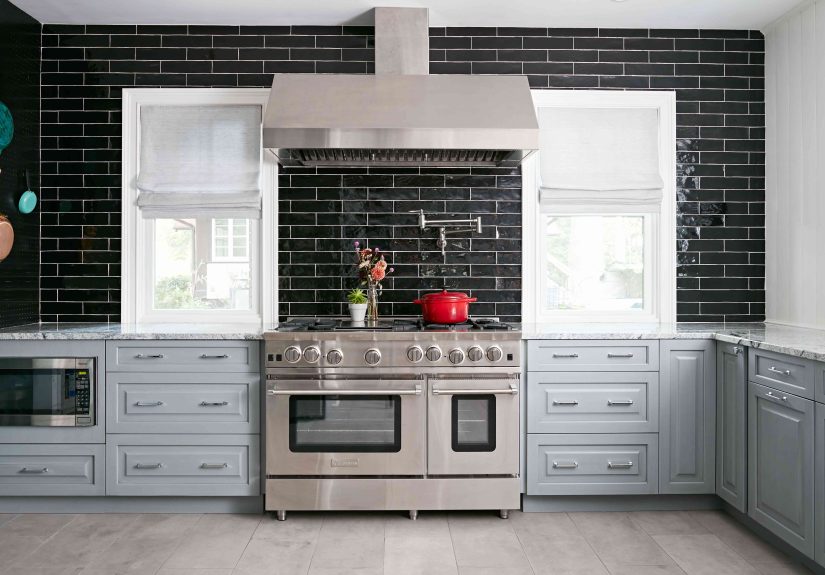
Why stop a backsplash halfway when you can let it rise to the occasion? A full-height tile wall behind the range or sink creates a clean, intentional statement. It also adds texture, shine, and durability in the places that need it most. Vertical stacks, handmade-look tile, or softly reflective finishes can take the look from practical to striking.
3. Use Slab Stone for a Luxe Statement
If you want elegance without visual clutter, a slab stone accent wall is tough to beat. Extending marble, quartz, or another stone from the countertop up the wall creates a seamless effect that feels expensive in the best possible way. It is especially stunning in modern or minimalist kitchens where fewer, better materials do all the talking.
4. Try a Vertical Subway Tile Layout
Classic subway tile is great, but turning it vertically gives it a fresh twist. A stacked vertical layout draws the eye upward, which can make smaller kitchens feel taller and more architectural. It is familiar enough to feel timeless and different enough to feel styled instead of standard.
5. Make It Fun With Geometric Tile
If your kitchen is craving energy, geometric tile delivers. Hexagons, diamonds, scallops, and star patterns add movement and create a genuine focal point. Pair this kind of accent wall with simple cabinetry so the wall gets its moment without competing with everything else in the room.
6. Add Beadboard for Cottage Charm
Beadboard has a tidy, welcoming look that fits farmhouse, coastal, and cottage kitchens beautifully. Painted in soft white, sage, dusty blue, or warm greige, it gives a plain wall texture without overwhelming the room. It is especially nice in breakfast corners or on walls that need warmth but not too much fuss.
7. Warm Things Up With Wood Slats
Wood instantly softens a kitchen, especially if you have sleek cabinets, stone counters, or a lot of stainless steel. A vertical slat wall adds rhythm and warmth while keeping the design clean. Choose light oak for a Scandinavian feel, medium walnut for richness, or a rustic finish if you want something more relaxed.
8. Put Wallpaper in the Right Spot
Yes, wallpaper can work in a kitchen when it is used thoughtfully. The trick is placement. Try it on a wall away from the main splash zone, like a breakfast nook, pantry wall, or dining area connected to the kitchen. Botanical prints, subtle stripes, or vintage-inspired patterns can bring softness and character to a room full of hard surfaces.
9. Let Brick Bring the Soul
Exposed brick is basically the kitchen version of saying, “Oh, this old thing?” Whether it is original brick or a high-quality veneer, it adds texture, age, and natural variation that paint alone cannot match. It works especially well in industrial, rustic, traditional, and transitional kitchens.
10. Choose a Limewash or Plaster Finish
For subtle drama, a plaster-style or limewash accent wall gives you movement without a busy pattern. The finish shifts softly with the light and adds an artisanal feel that works beautifully with wood cabinets, stone counters, and earthy palettes. Think of it as texture for people who do not want obvious texture.
11. Embrace a Green Accent Wall
Green remains one of the smartest kitchen colors because it feels fresh, grounded, and flexible. Olive, sage, moss, and dark green all play well with brass, black, white, and wood tones. A green accent wall can make the kitchen feel more connected to the outdoors, even if your view is mostly driveway and recycling bins.
12. Paint One Wall Black for Contrast
A black accent wall can look incredibly sophisticated in the kitchen, especially when balanced with lighter cabinets, open shelves, or warm metals. Matte black feels modern and graphic, while softer off-black shades feel cozy and dramatic. This is a strong choice if you want contrast without introducing a lot of color.
13. Go Earthy With Terracotta or Clay Tile
Terracotta tones bring warmth, history, and a slightly Mediterranean feel to a kitchen. Used as an accent wall or oversized backsplash, clay-colored tile can make a white kitchen feel less sterile and a wood kitchen feel even richer. It is warm without being loud and stylish without trying too hard.
14. Add Glossy Tile for Light Reflection
Glossy or reflective tile can bounce light around the room, making the kitchen feel brighter and more open. This is especially helpful in small kitchens or spaces that do not get much natural light. A glossy accent wall also adds a polished finish that feels crisp and fresh.
15. Create a Plate Wall or Curated Art Wall
Accent walls do not always have to be made of building materials. A thoughtful arrangement of framed art, vintage signs, cutting boards, or decorative plates can add life to a blank kitchen wall. Just keep the display above major splash zones so your accent wall does not become an accidental science project.
16. Use a Hand-Painted or Mural-Style Feature Wall
If you want a kitchen that feels personal, a mural-style wall can be incredible. It could be a soft landscape, a botanical design, a geometric painted pattern, or even a modern abstract composition. The key is scale. Big shapes often work better than fussy details in a busy room.
17. Try a Two-Tone Color-Block Wall
Color-blocking is a smart choice if you want something modern and affordable. Divide the wall horizontally or vertically using two complementary shades, or pair paint with trim for added dimension. This works well in contemporary kitchens where you want an accent wall that feels intentional but not overly decorative.
18. Highlight Open Shelving With a Bold Backdrop
If you have open shelves, the wall behind them is prime accent real estate. Paint it a contrasting shade, tile it, or use a textured finish so everything displayed in front of it looks more layered and styled. It turns everyday dishes and glassware into part of the design story.
19. Add a Peg Rail or Decorative Wall Storage
Functional walls can still be beautiful. A painted accent wall with a peg rail, hanging baskets, or a rail system for utensils and linens adds charm and utility at the same time. This is especially useful in smaller kitchens where every square inch needs to earn its keep.
20. Use Peel-and-Stick Materials for a Renter-Friendly Upgrade
If you cannot commit to tile, stone, or permanent paneling, peel-and-stick wallpaper or backsplash materials can still make a strong impact. Today’s options look better than ever and can be surprisingly stylish when chosen carefully. They are ideal for apartments, budget makeovers, or homeowners who like the freedom to change things up later.
How to Choose the Right Accent Wall for Your Kitchen
Pick the Wall That Already Wants Attention
The best accent wall usually exists where your eye naturally goes: behind the range, around a breakfast nook, behind open shelving, or at the far end of the kitchen. Do not force a focal point where one does not belong.
Balance Boldness With Function
In working zones, choose materials that can handle heat, splashes, and easy cleanup. Tile, slab stone, and durable paint finishes are usually safer bets than delicate or highly textured surfaces right behind the stove or sink.
Consider Contrast
Accent walls work best when they create enough visual difference to be noticed. If your counters are dark, a lighter wall treatment may stand out more. If your cabinets are pale, a deeper accent may bring the room into balance.
Mind the Maintenance
Beautiful is lovely. Beautiful and washable is better. Grout-heavy tile, uneven surfaces, and untreated wood may need more upkeep in messy kitchens. If you cook often, choose materials you will still love after tomato sauce, coffee, and the occasional enthusiastic frying session.
Mistakes to Avoid
Do not choose an accent wall just because it is trendy. It should still relate to your cabinets, counters, flooring, and overall home style. Avoid using too many competing textures in one room, and do not forget lighting. Even the prettiest accent wall can fall flat if it sits in permanent shadow like a gorgeous actor cast as “tree number three.”
What Living With a Kitchen Accent Wall Actually Feels Like
Here is the part design articles do not always mention: a kitchen accent wall changes more than the way the room looks. It changes the way the room feels when you use it every day. A kitchen can be perfectly functional and still feel uninspired. Then one wall gets painted deep green, tiled in a handmade finish, or dressed in warm oak slats, and suddenly the room has a pulse.
People often notice it first thing in the morning. Coffee tastes marginally more sophisticated. Toast seems to pop with greater confidence. The kitchen no longer feels like a checkpoint on the way to the rest of the house. It feels like a place you actually want to be. That is the sneaky power of a good accent wall: it creates mood without demanding constant attention.
In real life, the best kitchen accent walls also become quiet problem-solvers. A dark wall can make basic white cabinets feel intentional. A full-height tile wall can make an awkward cooking area feel polished. Wallpaper in a breakfast nook can visually separate a dining corner from the work zone without adding physical dividers. Texture can help a new kitchen feel less sterile, while color can help an older one feel newly awake.
There is also a strong emotional side to it. Homeowners who choose earthy plaster, wood, or muted green often describe their kitchens as calmer and warmer. Those who go for glossy tile, marble, or bold black tend to say the room feels sharper and more elevated. In both cases, the wall becomes part of the personality of the home. It tells guests something before anyone even sits down: this kitchen was thought about.
Another common experience is that one change inspires better styling everywhere else. Once the wall looks great, people start editing the counters, upgrading lighting, organizing shelves, and finally removing that random pile of mail that has apparently achieved legal residency by the fruit bowl. The accent wall becomes the standard that pulls the rest of the room together.
There are practical lessons too. Families with busy kitchens often end up happiest when they choose durable surfaces in high-use areas and save delicate materials for lower-traffic walls. People who love the look of wood learn quickly that sealing matters. Those who install textured tile realize beauty and grout maintenance are in a long-term relationship. And renters who try peel-and-stick options often discover that a temporary update can still make a very real emotional difference.
Perhaps the most satisfying part is longevity. A well-chosen accent wall does not feel like a gimmick after three weeks. It keeps paying off in small moments: while making lunches, washing dishes, hosting friends, or sneaking into the kitchen for a cookie you absolutely did not need but fully deserved. It makes the room feel finished. Not perfect, not precious, just alive.
That is why kitchen accent walls remain such a smart design move. They are not just decorative extras. They are atmosphere-builders, style anchors, and sometimes the exact nudge a kitchen needs to go from serviceable to special. And honestly, if one wall can do all that while looking fantastic, it has earned its place.
Final Thoughts
The right kitchen accent wall can make your space feel brighter, warmer, bolder, calmer, or simply more like you. Whether you choose paint, tile, stone, wood, wallpaper, or a curated display, the goal is the same: bring life to the room without overcomplicating it. Start with the wall that naturally draws attention, choose a material that fits how you actually live, and let that one strong design decision do a lot of heavy lifting.
Because in a room built for daily life, a little beauty goes a very long way.





 Close
Close