
Table of Contents >> Show >> Hide
- 1) The Sculptural Freestanding Oval (a.k.a. “The Bathroom Statue”)
- 2) The Painted Clawfoot That Refuses to Be Ignored
- 3) The Japanese Soaking Tub for Maximum Relaxation, Minimum Footprint
- 4) The Stone Resin Tub That Looks Like It Was Carved From a Boulder
- 5) The Copper Tub That Makes the Whole Bathroom Look Expensive
- 6) The Sleek Rectangular Tub for a Clean Architectural Look
- 7) The Slipper Tub for Vintage Romance (Without the Frills)
- 8) The Matte Black Tub for Instant Mood
- 9) The Sunken Tub for a “Resort Suite” Effect
- 10) The Tub in a Window Nook (Because Natural Light Is Free Luxury)
- 11) The Bateau Tub for Old-World Elegance
- 12) The Concrete-Look Tub for a Modern Industrial Statement
- 13) The Double-Ended Soaking Tub for Shared Spa Nights
- 14) The Tub-on-a-Plinth (A Simple Trick That Reads Custom)
- 15) The Two-Tone Tub for Subtle Drama
- 16) The Statement Surround Wall (Because the Tub Deserves a Backdrop)
- 17) The Wet Room Tub (All the Luxury, Less Visual Clutter)
- 18) The Cast Iron Classic for Heat Retention and Timeless Style
- 19) The “Tub With a View” Moment (Even If the View Is Just Trees)
- 20) The Unexpected Material: Wood, Brass, or High-Design Composite
- Before You Commit: A Few Practical Details That Save Regret
- Real-World Experiences: What People Learn After Living With a Statement Tub (Extra Notes)
- Conclusion
If your bathroom feels like it’s missing a “main character,” odds are it’s the bathtub. A statement bathtub isn’t just a place to soakit’s a design move. It’s the
difference between “nice bathroom” and “wait… is this a boutique hotel?” Whether you’re remodeling a primary suite, upgrading a guest bath, or turning a basic builder-grade
setup into a spa-like retreat, the right tub can do a shocking amount of heavy lifting (sometimes literallymore on that in a minute).
Below are 20 standout bathtub ideasmaterials, shapes, layouts, and styling tricksthat designers and homeowners keep coming back to. You’ll also get practical tips for
plumbing, spacing, and making the tub look intentional instead of like it wandered in and stayed.
1) The Sculptural Freestanding Oval (a.k.a. “The Bathroom Statue”)
The classic modern statement: a freestanding oval tub centered like it belongs in a gallery. This look works because the silhouette is soft, balanced, and easy to pair with
almost any stylefrom minimalist to transitional. Keep it from feeling generic by choosing a tub with a slightly higher backrest or a thinner rim for a crisp, tailored edge.
Make it pop
- Place it under a window (frosted if privacy is questionable).
- Use a floor-mounted tub filler for an “architect-designed” vibe.
- Add a small side table instead of a bulky caddy.
2) The Painted Clawfoot That Refuses to Be Ignored
A clawfoot tub already brings vintage charm. Painting the exteriordeep navy, forest green, warm terracotta, or even glossy blackturns it into a true focal point. Pair it
with unlacquered brass or polished nickel for a look that feels collected over time (not bought in one frantic weekend).
Make it feel elevated (not themed)
- Skip novelty décor; let the tub be the drama.
- Use classic tile (subway, marble, or penny) as a calm backdrop.
- Echo the tub color in one small detail (a hand towel, art, or a vase).
3) The Japanese Soaking Tub for Maximum Relaxation, Minimum Footprint
A Japanese soaking tub (often called an ofuro) is deeper and typically more compactgreat for smaller bathrooms where you still want a spa moment. It’s designed for a
sitting soak, so the experience feels immersive without requiring a football-field-size bathroom.
Best for
- Small bathrooms or tight layouts
- People who prefer hot, deep soaks over lounging stretches
- Minimalist, serene design styles
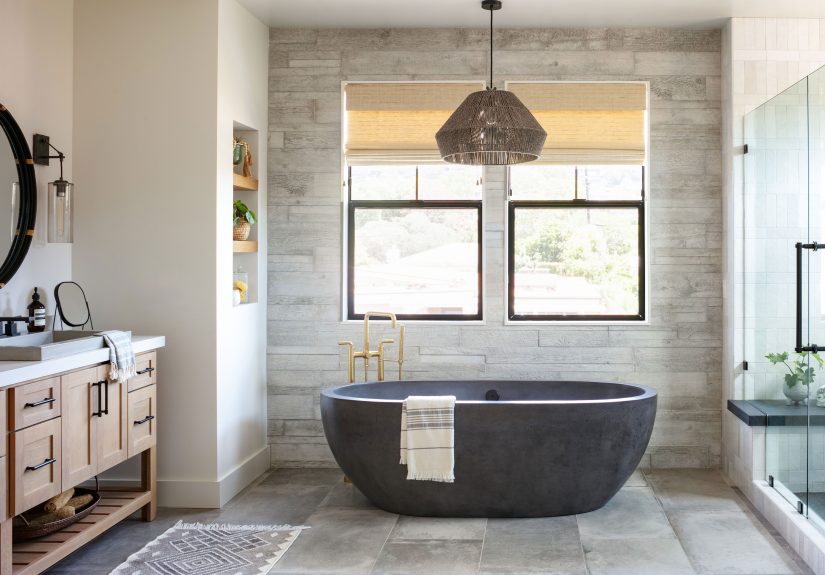
4) The Stone Resin Tub That Looks Like It Was Carved From a Boulder
Stone resin tubs are popular for good reason: they can look like natural stone, feel substantial, and keep a clean modern line. The finish often reads as matte and
tactilelike a river rock, but chic. If you love a spa bathroom aesthetic, this is the tub equivalent of lighting a candle and instantly becoming a calmer person.
Design tip
Pair a stone-look tub with warm wood (oak vanity, teak stool) so the bathroom doesn’t tilt cold or sterile. Texture is your best friend here.
5) The Copper Tub That Makes the Whole Bathroom Look Expensive
Copper tubs are showstopperswarm, reflective, and unapologetically bold. They’re especially striking in rustic-luxe bathrooms (think reclaimed wood beams and stone tile),
but they also work in modern spaces as a single warm accent. Bonus: copper can develop a living patina over time, so it gets better with agelike a good leather jacket, but
for soaking.
Keep it balanced
- Use simple wall tile and minimal décor.
- Choose fixtures that complement (brass) or contrast (matte black) intentionally.
6) The Sleek Rectangular Tub for a Clean Architectural Look
A rectangular freestanding tub reads modern and structuredperfect for bathrooms with sharp lines, large-format tile, and streamlined cabinetry. It’s also a great match for
contemporary wet rooms where the tub shares space with a walk-in shower.
Styling move
Add a single oversized piece of art above the tub. One big statement beats five tiny frames that look like they’re afraid of commitment.
7) The Slipper Tub for Vintage Romance (Without the Frills)
A slipper tub has one end raised (or both ends raised in a double slipper), which makes it more comfortable for leaning back. It’s elegant, slightly old-world, and pairs
beautifully with classic finishes like marble, beadboard, or soft plaster walls.
Where it shines
- Traditional or transitional bathrooms
- Spaces with wainscoting, picture-frame molding, or soft wallpaper
8) The Matte Black Tub for Instant Mood
A black tub is bold, graphic, and surprisingly versatile. It can read modern, industrial, or even glamorous depending on the finishes around it. The trick is lighting:
black absorbs light, so plan for layered lightingoverhead + sconces + a dimmable option.
Pro tip
Use a lighter floor (pale stone, warm beige tile) to keep the room from feeling like a stylish caveunless that’s your dream, in which case… carry on.
9) The Sunken Tub for a “Resort Suite” Effect
A sunken (or partially sunken) tub feels luxurious because it’s integrated into the architecture. This idea works best when planned early in a remodel because it can affect
framing, waterproofing, and access panels. Done right, it feels like stepping into a private spa.
Design checklist
- Plan safe, comfortable steps (not slippery “ankle traps”).
- Use durable surround materials (stone, porcelain slab, or sealed tile).
- Include easy-to-reach storage for towels and bath essentials.
10) The Tub in a Window Nook (Because Natural Light Is Free Luxury)
Placing a tub in a niche or window alcove makes it look intentional and custom. It also creates a natural “framing” effectlike your tub is starring in its own
architectural portrait. Add a ledge for candles, plants, or the book you swear you’ll read (but won’t).
Privacy note
Frosted film, textured glass, or well-placed landscaping can keep your relaxation time from becoming a neighborhood event.
11) The Bateau Tub for Old-World Elegance
A bateau tub has a boat-like shape with high curved sides. It feels classic and substantial, and it looks incredible with traditional fixtures and warm-toned materials.
Think: a historic home refresh or a bathroom that leans European and layered.
Pair with
- Marble-look tile, checkerboard floors, or heritage-inspired patterns
- Polished nickel or brass fixtures
12) The Concrete-Look Tub for a Modern Industrial Statement
Concrete or concrete-look tubs bring a raw, architectural texture. They can be visually heavy (in a good way), so balance them with warmthwood, soft textiles, and gentle
lighting. In the right room, it’s the design equivalent of wearing a crisp blazer with sneakers: intentional and cool.
Keep it practical
Make sure you’re comfortable with maintenance requirements and that the floor structure can handle the load if the tub is truly heavyweight.
13) The Double-Ended Soaking Tub for Shared Spa Nights
Double-ended tubs have symmetrical slopes on both sides, making them comfortable for lounging either direction. They look especially good centered under a statement light
fixturechandelier, pendant, or sculptural ceiling mount.
Layout tip
Symmetry is your friend: matching sconces, balanced wall art, and even spacing around the tub makes the room feel intentional and calm.
14) The Tub-on-a-Plinth (A Simple Trick That Reads Custom)
Raise the tub slightly on a platform (plinth) and suddenly it looks like a built-in feature. This works particularly well when you want a freestanding silhouette but also
need a bit more visual “stage presence.” A tiled plinth can also tie the tub to the rest of the room.
Do it right
- Use a non-slip surface for any step areas.
- Plan access for plumbing and maintenance.
- Keep edges crisp for a clean, modern look.
15) The Two-Tone Tub for Subtle Drama
Not ready for a neon bathtub (understandable)? Try a two-tone approach: white interior with a colored or dark exterior. It adds depth without overwhelming the space.
Two-tone also plays well with mixed metalslike brass plus black accentsso your bathroom doesn’t feel matchy-matchy in the boring way.
16) The Statement Surround Wall (Because the Tub Deserves a Backdrop)
Sometimes the “statement bathtub” moment is really tub + wall together. Add a dramatic tile wall behind a simple tub and you get instant wow. Think: zellige tile with
imperfect shine, a bold stone slab, or patterned encaustic-style porcelain.
Backdrop ideas
- Floor-to-ceiling tile behind the tub only
- Arched niche with tile inside
- Vertical stacked tile for height and modern texture
17) The Wet Room Tub (All the Luxury, Less Visual Clutter)
A wet room combines the tub and shower in one waterproof zoneoften with a glass panel or partial wall. It looks streamlined and high-end, and it can be especially smart
when space is limited. This approach also makes cleaning easier because everything is designed to handle water.
Key planning point
Work with a pro on waterproofing and slope-to-drain. Wet rooms are gorgeous, but they’re not the place for “I watched two videos; I’m basically a contractor now.”
18) The Cast Iron Classic for Heat Retention and Timeless Style
Enameled cast iron tubs are beloved for durability and heat retention. They’re also heavyso you’ll want to think about floor support, especially upstairs. In return, you
get a tub that can look timeless for decades and feel substantial in a way lightweight tubs can’t always mimic.
Best aesthetic matches
- Traditional bathrooms with vintage-inspired fixtures
- Modern farmhouse spaces with warm woods and classic tile
- Transitional designs that mix old and new
19) The “Tub With a View” Moment (Even If the View Is Just Trees)
Place the tub where you can see something calming: backyard greenery, sky, a courtyard, or even a well-lit interior garden. When you make the tub part of the viewline,
it becomes a destination, not just a fixture. If your only view is your neighbor’s recycling bins, consider a new window strategy.
Lighting tip
Add dimmable sconces near the tub to create evening ambience that doesn’t rely on a single overhead light blasting “interrogation room” energy.
20) The Unexpected Material: Wood, Brass, or High-Design Composite
Want a tub that people will talk about? Go unusual. Wood tubs (often cedar) can feel lodge-luxe and warm. Brass or specialty metal finishes can lean glamorous. High-design
composites can come in sculptural shapes that look like modern art. These tubs are the “statement necklace” of the bathroomexcept you can’t lose them in a drawer.
Make it cohesive
- Repeat the material somewhere else (a wood stool, brass mirror frame, or matching hardware).
- Keep the rest of the palette calmer so the tub stays the star.
Before You Commit: A Few Practical Details That Save Regret
Give the tub breathing room
Freestanding tubs look best when there’s space around them for cleaning and visual balance. If the tub is jammed against a wall like it’s in time-out, it won’t read as a
luxury feature.
Plan plumbing early
Floor-mounted fillers, drain placement, and access panels are easier (and cheaper) to plan before tile goes in. A “we’ll figure it out later” approach is how budgets
develop trust issues.
Think about weight
Some tub materials can be very heavy, and the weight increases substantially when filled with water and a person. If you’re installing upstairs, discuss floor structure
with a contractor so your spa dream doesn’t become a structural surprise.
Real-World Experiences: What People Learn After Living With a Statement Tub (Extra Notes)
If you scroll enough bathtub inspiration, everything looks effortlesslike the tub floated in on a cloud of eucalyptus steam and perfect lighting. Real life is still
beautiful, but it comes with a few lessons that homeowners and designers mention again and again once the renovation dust settles.
First: placement matters more than most people expect. A tub can be gorgeous, but if you can’t comfortably reach the faucet, towel hook, or bath storage, the daily
experience gets annoying fast. Many homeowners say they wish they had tested “reach zones” by standing in the proposed tub area and pretending to grab a towel, turn on the
water, or set down a drink. It sounds sillyuntil you’re wet, relaxed, and suddenly doing yoga just to reach the bath oil.
Second: lighting is the secret ingredient. People often focus on tile and fixtures and forget that the tub will look totally different in the evening. A single overhead
light can make a luxury freestanding tub feel stark. The best feedback tends to come from bathrooms that use layers: soft sconces, a dimmable overhead, and maybe even an
accent light that grazes a textured wall. It’s the difference between “spa” and “airport restroom,” and nobody is trying to soak in Terminal B.
Third: material choice affects the actual soaking experience. Some folks love lightweight acrylic because it’s easier to install, easier on the budget, and easy to keep
clean. Others fall hard for cast iron or stone resin because the tub feels substantial and can hold warmth longer. The common takeaway is to decide what matters most:
aesthetics, heat retention, maintenance, or installation complexity. A copper tub might be a showstopper, but if you don’t want to think about patina, you may prefer a
simpler finish. Meanwhile, matte surfaces look incredible in photos, but they can highlight mineral deposits if your water is hardso many homeowners add a water softener
or keep a gentle cleaner handy.
Fourth: “statement” doesn’t have to mean “massive.” People with smaller bathrooms often report their favorite upgrades weren’t giant tubsthey were smarter tubs. A Japanese
soaking tub or a compact freestanding model can feel more luxurious than a too-large tub that crowds the room. When the layout flows, the whole space feels calmer. And
calm is the point.
Fifth: styling is what makes the tub look intentional every daynot just for the reveal photo. The most livable statement-tub bathrooms usually include a small landing
zone: a slim stool, a built-in ledge, or a small table for a candle, a towel, and whatever you’re reading (or pretending you’re reading). People also mention that one
strong décor moment beats a dozen tiny ones. A single art piece, a beautiful plant, or a sculptural pendant can do more than lots of little accessories that collect dust
and look cluttered.
Finally: plan for cleaning, because reality doesn’t care about Pinterest. Freestanding tubs are easier to clean around when you actually have access around them. Built-in
tubs can look sleek, but grout lines and corners mean more scrubbing unless you choose large slabs or keep the surround design simple. Homeowners who love their tubs long
term often say the “best” bathtub wasn’t just the prettiestit was the one that fit their routine, their space, and their willingness to maintain it.
In other words: pick the tub that makes you happy, then design the room so it stays happy with you. A statement bathtub should feel like a reward, not a chore with really
nice curves.





 Close
Close