
Table of Contents >> Show >> Hide
- Before You Clean a Geode: Identify What You’re Working With
- Supplies You May Need
- Way 1: Clean Geodes With a Dry Brush
- Way 2: Wash Geodes With Mild Soap and Water
- Way 3: Remove Iron Stains From Geodes
- How to Dry and Display Clean Geodes
- Common Mistakes When Cleaning Geodes
- Which Cleaning Method Should You Choose?
- Personal Experience: What Cleaning Geodes Teaches You
- Conclusion
Geodes are nature’s version of a surprise party: plain and crusty on the outside, sparkling and dramatic on the inside. But after a geode has spent a few million years in dirt, clay, iron-rich soil, or somebody’s forgotten rock bucket, it may need a little cleaning before it earns a spot on your shelf. The trick is knowing how to clean geodes without scratching the crystals, dulling the sparkle, or accidentally turning a beautiful specimen into a science-fair disaster.
The good news? Most common geodes contain quartz, chalcedony, agate, or amethyst, which are relatively durable minerals. The less good news? Some geodes also contain calcite, celestite, fragile druzy crystals, loose matrix, or mineral coatings that do not appreciate harsh chemicals. In other words, cleaning geodes is not about attacking them with every product under the sink. It is about starting gently, observing carefully, and only escalating when the dirt refuses to leave politely.
This guide covers three practical ways to clean geodes: dry cleaning, washing with mild soap and water, and removing stubborn iron stains. Each method has a purpose, a best-use situation, and a few safety rules that should not be ignored unless you enjoy learning geology the hard way.
Before You Clean a Geode: Identify What You’re Working With
Before you reach for a brush, bowl, or cleaner, take a close look at your geode. A geode is typically a hollow or partially hollow rock lined with crystals or mineral bands. Many have quartz crystals inside, often over a layer of agate or chalcedony. Others may contain amethyst, calcite, goethite, hematite, or other minerals. That mineral mix matters because different materials react differently to water, acids, heat, and scrubbing.
Quartz-based geodes are usually more forgiving. Calcite-based geodes are more delicate and can react badly to acidic cleaners such as vinegar, oxalic acid, or stronger mineral acids. Dyed geodes, which are common in gift shops, can bleed color if soaked too long. Very fragile geodes with tiny needle-like crystals or crumbly matrix should be cleaned with the lightest possible touch.
Use this quick inspection checklist before cleaning:
- Look at the crystals: Are they glassy and hard like quartz, or soft-looking and waxy?
- Check for loose pieces: If crystals wiggle, avoid soaking and heavy brushing.
- Notice orange or brown stains: These are often iron oxide stains and may need special treatment.
- Check for artificial dye: Bright neon blue, hot pink, or intense purple may be dyed and should not be soaked aggressively.
- Test first: Always clean a small hidden area before treating the entire geode.
Supplies You May Need
You do not need a professional lapidary workshop to clean most geodes. In fact, the best tools are usually simple and gentle. A geode does not need a spa day with industrial chemicals when a soft toothbrush can do the job.
- Soft-bristle toothbrush or small nylon brush
- Wooden toothpicks or bamboo skewers
- Microfiber cloth
- Warm water
- Mild dish soap
- Plastic bowl or bucket
- Rubber or nitrile gloves
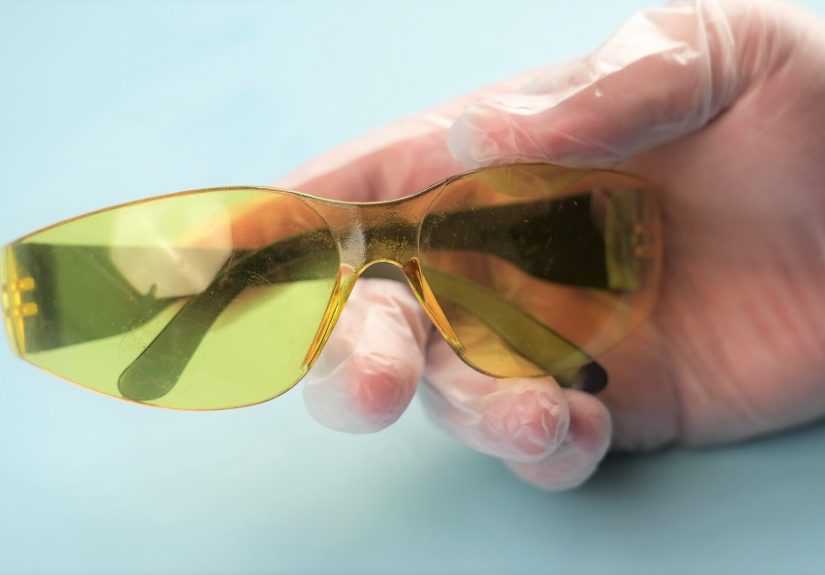
- Eye protection for chemical cleaning
- Iron-removal cleaner, used only when appropriate
- Paper towels or a drying rack
Avoid wire brushes, metal picks, abrasive powders, bleach mixtures, and mystery cleaning cocktails. If the bottle has a warning label that makes you nervous, your geode probably feels the same way.
Way 1: Clean Geodes With a Dry Brush
The safest way to clean geodes is also the simplest: dry brushing. This method removes loose dirt, dust, clay crumbs, and debris without exposing the stone to water or chemicals. It is ideal for delicate geodes, display specimens, dyed pieces, and crystals that look fragile.
Best For
- Light dust and loose dirt
- Fragile crystal interiors
- Dyed decorative geodes
- Specimens you are unsure about
- Geodes with crumbly matrix or loose crystals
Step-by-Step Instructions
- Place the geode on a towel. This prevents rolling, sliding, and dramatic table-to-floor tragedies.
- Use a soft dry brush. Brush the outside first, then move gently into the crystal cavity.
- Work from top to bottom. Let dust fall away naturally instead of pushing it deeper into tiny crystal pockets.
- Use a wooden toothpick for tight spaces. Never use metal picks on crystal faces because they can scratch or chip delicate points.
- Wipe the outer shell. A dry microfiber cloth can remove fine dust from the exterior.
- Inspect under good light. If the geode looks clean enough, stop. Over-cleaning is a very real hobbyist temptation.
Helpful Tip
If the dust is stubborn, lightly dampen the brush rather than soaking the geode. This gives you more cleaning power while keeping moisture under control. For fragile pieces, less water means less risk.
Way 2: Wash Geodes With Mild Soap and Water
If dry brushing does not remove clay, soil, or sticky grime, the next step is a mild soap-and-water wash. This is the most useful method for field-collected geodes, garden-store finds, and specimens that look like they spent the weekend wrestling a mud puddle.
Warm water softens clay and dirt, while mild dish soap helps loosen oils and surface grime. The key word is mild. You are cleaning a mineral specimen, not degreasing a barbecue grill.
Best For
- Muddy geodes
- Outdoor-collected specimens
- Quartz, agate, and chalcedony geodes
- General household dust and grime
- Geodes without loose or water-sensitive minerals
Step-by-Step Instructions
- Rinse briefly with lukewarm water. Avoid sudden temperature changes, especially with larger geodes, because cracks can expand.
- Mix mild dish soap with warm water. Use only a few drops of soap in a bowl or bucket.
- Soak for 10 to 20 minutes. For heavy clay, you can soak longer, but check the geode regularly.
- Brush gently. Use a soft toothbrush to clean the outer shell and crystal-lined interior. Let the bristles do the work.
- Clean crevices carefully. Use wooden toothpicks or bamboo skewers for compacted dirt between crystals.
- Rinse thoroughly. Soap residue can dry as a dull film, especially on tiny druzy crystals.
- Dry slowly. Set the geode on a towel or rack and let it air-dry completely before storing or displaying it.
What Not to Do
Do not boil geodes. Do not put them in the dishwasher. Do not use a pressure washer unless your goal is to create geode gravel. High heat and strong water pressure can damage crystals, loosen matrix, and turn small fractures into bigger problems.
Can You Use Vinegar?
Vinegar is often suggested for cleaning rocks, but it is not a universal geode cleaner. Vinegar is acidic and can react with calcite or other carbonate minerals. If your geode contains calcite crystals, vinegar may dull, etch, or damage them. For unknown specimens, skip vinegar and stay with mild soap and water.
Way 3: Remove Iron Stains From Geodes
Orange, yellow, reddish-brown, or rusty patches on geodes are often caused by iron oxides such as hematite or goethite. These stains can cling to quartz crystals and make a sparkling geode look like it was stored in a toolbox. When brushing and soap do not work, an iron-removal treatment may help.
This method is more advanced than the first two. It requires patience, ventilation, gloves, eye protection, and common sense. If your geode is valuable, rare, sentimental, or mineralogically complicated, consult a mineral club, lapidary professional, or experienced collector before using chemicals.
Best For
- Quartz geodes with rusty orange or brown staining
- Agate or chalcedony geodes with iron discoloration
- Stains that remain after soap-and-water cleaning
- Durable specimens with no obvious calcite or delicate minerals
Important Safety Rules
- Wear gloves and eye protection.
- Work in a well-ventilated area.
- Use plastic or glass containers, not metal containers.
- Never mix cleaning chemicals, especially bleach with acids or commercial removers.
- Keep cleaners away from children, pets, food surfaces, and kitchen sinks used for cooking.
- Read and follow the product label before using any commercial rust remover.
Using a Commercial Iron Remover
For many hobbyists, a commercial iron-removal product is the most accessible option. These products are designed to reduce or dissolve iron staining and are often used by mineral collectors on quartz specimens. However, they are not safe for every mineral. Always test first.
- Clean the geode first. Remove loose dirt with brushing and mild soap before treating stains.
- Prepare the solution according to the label. Do not guess the concentration. Chemistry rewards accuracy and punishes optimism.
- Soak the stained area. Use a plastic container and submerge only what needs treatment if possible.
- Check often. Look at the geode every 30 minutes to several hours, depending on the stain and product instructions.
- Brush gently between soaks. A soft toothbrush can help loosen weakened stains.
- Rinse very thoroughly. Use clean water and change it several times to remove residue from cracks and cavities.
- Dry completely. Leave the geode in a safe, airy place until moisture evaporates from the interior.
What About Oxalic Acid?
Oxalic acid is commonly used by experienced mineral collectors to remove iron stains from quartz. It can be effective, but it is toxic and must be handled carefully. It should not be treated like a casual household cleaner. It also may not be suitable for minerals associated with calcite or other acid-sensitive materials.
If you are new to cleaning geodes, start with safer approaches first. If you decide to use oxalic acid, research proper dilution, personal protection, disposal rules, and mineral compatibility before beginning. Never use it in cooking containers, never inhale dust from powdered products, and never mix it with other chemicals.
How to Dry and Display Clean Geodes
Cleaning is only half the job. Drying matters because water can remain trapped in crystal pockets, fractures, and porous matrix. A geode that looks dry on the outside may still be damp inside.
After rinsing, place the geode cavity-side down on a towel for a short time so extra water can drain. Then turn it upright and let air circulate around it. Avoid direct high heat from ovens, hair dryers, heaters, or full summer sun behind glass. Slow drying is safer and helps reduce stress on small cracks.
Once dry, display the geode away from greasy kitchens, humid bathrooms, and bright windows if it is dyed or contains light-sensitive minerals. A glass cabinet, shelf, or shadow box works well. Dust it occasionally with a soft brush so you do not have to deep-clean it again every few months.
Common Mistakes When Cleaning Geodes
Most geode-cleaning disasters come from impatience. The specimen looks tough, so someone scrubs it like a potato, soaks it in mystery liquid, and then wonders why the crystals look sad. Avoid these common mistakes:
- Using metal tools: Metal picks and wire brushes can scratch crystal faces.
- Starting with chemicals: Always begin with the gentlest method.
- Mixing cleaners: Chemical mixtures can create dangerous fumes.
- Ignoring mineral type: Calcite and quartz do not react the same way.
- Over-soaking dyed geodes: Artificial color may fade or bleed.
- Using high heat: Heat can worsen cracks and damage coatings.
- Forgetting protective gear: Gloves and eye protection are cheap; regret is not.
Which Cleaning Method Should You Choose?
Choose your method based on the condition of the geode, not on how dramatic you feel that day. If the geode is dusty, dry brush it. If it is muddy, wash it with mild soap and water. If it has rusty iron stains and appears to be quartz-based, consider an iron-removal treatment after testing.
Here is a simple decision guide:
- Light dust: Use dry brushing.
- Clay or mud: Use warm water, mild soap, and a soft brush.
- Rusty stains: Use an iron-removal method only after testing.
- Unknown mineral: Stay gentle and avoid acids.
- Valuable specimen: Ask an expert before cleaning.
Personal Experience: What Cleaning Geodes Teaches You
Cleaning geodes is one of those hobbies that looks simple until the rock starts having opinions. The first lesson is patience. A muddy geode may look like it needs aggressive scrubbing, but most of the time it needs soaking, gentle brushing, and another round of soaking. Dirt that took years to settle into cracks does not always leave after five minutes of toothbrush diplomacy.
One useful experience is to clean geodes in stages instead of trying to finish everything at once. Start with a dry brush and take a photo. Then wash with mild soap and water, dry it, and compare the result. This makes it easier to see whether you are improving the specimen or just obsessing over tiny natural marks that do not need to disappear. Some stains are part of the geode’s character. Not every brown spot is a villain.
Another practical lesson is that the outside of a geode deserves attention too. Many people focus only on the crystal cavity, but a clean outer shell makes the whole specimen look better. A gently scrubbed exterior can reveal interesting texture, mineral bands, or natural patterns. Just do not polish the outside unless you are intentionally preparing a lapidary piece. A natural rind can be part of the charm.
For beginners, the biggest surprise is how different two geodes can be. One quartz geode may tolerate water beautifully, while another has loose crystals that shed tiny points when handled roughly. A dyed geode may look spectacular on a store shelf but lose color if soaked too long. A calcite-lined geode may look sturdy until an acidic cleaner dulls the crystal surface. The more geodes you clean, the more you respect the “test first” rule.
It also helps to keep a small cleaning notebook. Write down where the geode came from, what it looked like before cleaning, what method you used, how long you soaked it, and what changed. This sounds overly organized until you find a method that works beautifully and cannot remember what you did. Rock collectors are excellent at remembering the exact roadside where they found a specimen and terrible at remembering whether they soaked it for two hours or two days.
One of the best habits is to stop cleaning before the geode looks artificially perfect. Natural specimens often have small stains, rough edges, and uneven textures. That is not failure; that is geology. A clean geode should look refreshed, not stripped of its story. When the crystals sparkle, the mud is gone, and the surface feels stable, you have probably done enough.
Finally, cleaning geodes is a relaxing way to connect with the specimen. You notice crystal shapes, hidden pockets, color changes, and tiny details you missed at first glance. It is part cleaning project, part treasure hunt, and part reminder that the Earth has been making art long before humans invented display shelves. Treat the geode gently, and it will reward you with sparkle that does not look forced.
Conclusion
Learning how to clean geodes is really about learning when to be gentle, when to be patient, and when to leave well enough alone. Start with dry brushing for dust and fragile specimens. Move to mild soap and warm water for mud and ordinary grime. Save iron-removal treatments for stubborn rusty stains on durable, quartz-rich geodes, and always test before using chemicals.
The best geode cleaning method protects the crystals while revealing their natural beauty. With a soft brush, careful rinsing, slow drying, and a healthy respect for mineral differences, you can turn a dirty rock into a display-worthy treasure without damaging the sparkle inside. And that, frankly, is much better than explaining to your favorite geode why it now looks like it survived a kitchen-cleaner hurricane.
Note: This article is for general educational purposes. For rare, expensive, or scientifically important mineral specimens, consult an experienced mineral collector, lapidary professional, or geology club before using chemical cleaners.





 Close
Close