
Table of Contents >> Show >> Hide
- Why Defrosting Burgers Properly Matters
- Method 1: Defrost Burgers in the Refrigerator
- Method 2: Defrost Burgers in Cold Water
- Method 3: Defrost Burgers in the Microwave
- Can You Cook Burgers From Frozen?
- What Not to Do When Defrosting Burgers
- How to Keep Defrosted Burgers Juicy
- Quick FAQ About Defrosting Burgers
- Real-World Burger Defrosting Experiences and Kitchen Lessons
- Conclusion
- SEO Tags
Frozen burger patties are one of life’s great kitchen safety nets. They sit quietly in the freezey screams “grill season,” or everyone in the house develops a suspiciously urgent craving for cheeseburgers. Then comes the important question: how do you defrost burgers safely without turning dinner into a tiny food-safety drama?
The good news is that there are three reliable ways to defrost burgers: in the refrigerator, in cold water, and in the microwave. Each method works, but each one fits a different schedule. The refrigerator is best for planning ahead, cold water is ideal when dinner is approaching fast, and the microwave is the emergency button for those “Oops, I forgot” moments.
This guide explains how to thaw frozen burger patties safely, how long each method may take, what mistakes to avoid, and how to keep your burgers juicy instead of sad, gray, and vaguely haunted.
Why Defrosting Burgers Properly Matters
Frozen burgers may look like simple disks of potential happiness, but they are still raw ground meat. Unlike a steak, ground beef has been mixed throughout during processing, which means any bacteria present can be distributed throughout the meat rather than staying only on the surface.
That is why temperature matters. When burgers sit too long at room temperature, the outside can warm up while the center remains frozen. The patty may still feel icy in the middle, but its outer edges can spend too much time in the temperature range where bacteria multiply quickly.
For safe burger thawing, stick to one of the three approved approaches: refrigerator thawing, cold-water thawing, or microwave thawing. Do not thaw burgers on the kitchen counter, in a warm garage, on the grill lid, or beside a sunny window like they are trying to get a tan.
Once the burgers are cooked, use a food thermometer to make sure ground beef reaches an internal temperature of 160°F. Burger color is not a dependable doneness test. A patty can look brown inside before it has reached a safe temperature, while another can remain slightly pink even when fully cooked.
Method 1: Defrost Burgers in the Refrigerator
Refrigerator thawing is the easiest and most dependable way to defrost burgers. It takes longer than the other methods, but it requires very little active work. This is the method for people who remember dinner before 5:47 p.m., and honestly, we salute them.
How to Defrost Burger Patties in the Refrigerator
- Keep the burgers in their original sealed package whenever possible.
- Place the package on a rimmed plate, shallow pan, or container to catch any drips.
- Set the burgers on the lowest shelf of the refrigerator, away from ready-to-eat foods.
- Keep your refrigerator at 40°F or below.
- Allow the patties to thaw until they are flexible and no longer solidly frozen in the center.
How Long Does It Take to Thaw Burgers in the Fridge?
Thin burger patties may thaw overnight, while a thicker stack or a one-pound package of ground beef can take closer to a full day. As a practical rule, move frozen burgers from the freezer to the refrigerator the night before you plan to cook them.
If your patties are frozen individually with parchment between them, they may thaw more evenly than a solid brick of burgers. A tightly packed bundle takes longer because cold air has to work its way into the middle. Think of it as the difference between thawing one pancake and thawing a frozen paperback novel.
Why Refrigerator Thawing Is the Best Option
The refrigerator method keeps burgers at a consistently cold temperature while they thaw. That means you are less likely to create warm outer edges while the center remains frozen. It also gives you the most flexibility if dinner plans change.
Thawed burgers that have stayed refrigerated can generally remain in the refrigerator for a short period before cooking. This makes fridge thawing useful for meal prep, weekend grilling, or preparing burgers for a busy family dinner.
Best Uses for Refrigerator-Thawed Burgers
- Backyard cookouts planned for the next day
- Weeknight burgers after work
- Meal prep for burgers, meatballs, tacos, or meat sauce
- Recipes where you want to season and shape the meat before cooking
Helpful tip: Put the burgers on a plate before refrigerating them. Raw meat juices have a special talent for escaping packages and making your refrigerator shelf feel like a crime scene.
Method 2: Defrost Burgers in Cold Water
Cold-water thawing is the best choice when you need burgers faster but still want a method that is safe and reliable. It requires more attention than refrigerator thawing, but it can rescue dinner without forcing you into microwave mode.
This method works especially well for individually wrapped patties, thin burger rounds, or a sealed one-pound package of ground beef.
How to Defrost Burgers in Cold Water
- Make sure the burger patties are in leak-proof packaging or a tightly sealed plastic bag.
- Fill a clean bowl, pot, or sink with cold tap water.
- Submerge the sealed burger package completely in the water.
- Change the water every 30 minutes so it stays cold.
- Cook the burgers immediately after they are thawed.
How Long Does Cold-Water Thawing Take?
The exact time depends on the thickness and quantity of the patties. A couple of thin burgers may thaw in roughly 30 to 60 minutes. A dense one-pound package may take around an hour or a little longer. Thick pub-style burgers, especially if frozen in a stack, can take more time.
Check the patties during each water change. Once the burgers bend slightly and separate easily, they are usually ready to cook. They do not need to become warm. In fact, they should still feel cold.
Why the Packaging Matters
The burgers need to stay sealed during cold-water thawing. If water gets into the package, the patties can absorb moisture and become watery. More importantly, leaks can expose the raw meat to bacteria from the sink, bowl, or surrounding environment.
If the original package looks flimsy, place it inside a second resealable bag before submerging it. This small step is boring, but boring is good when it prevents burgers from tasting like sink water.
Cold-Water Thawing Mistakes to Avoid
- Do not use warm or hot water.
- Do not leave the burgers unattended for hours.
- Do not thaw the patties directly in an unclean sink.
- Do not skip changing the water every 30 minutes.
- Do not return raw cold-water-thawed burgers to the refrigerator for later cooking.
Cold-water-thawed burgers should go directly to the skillet, grill, oven, air fryer, or other cooking method. The point of this technique is speed, so once the burgers are thawed, dinner should not wander off for a two-hour phone call.
Method 3: Defrost Burgers in the Microwave
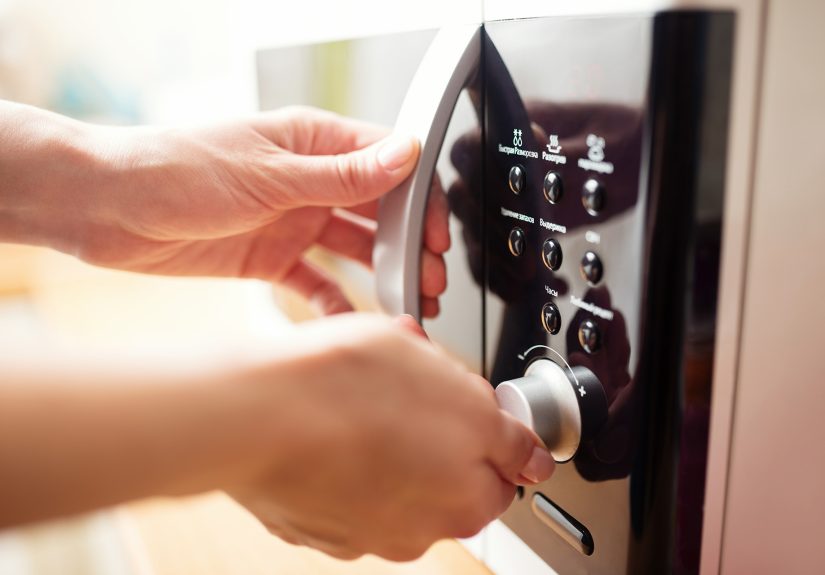
Microwave thawing is the fastest way to defrost burgers. It is also the method most likely to create uneven results if you are not careful. Microwaves can warm the outer edge of a patty while the center remains frozen, which is why microwave-thawed burgers must be cooked immediately.
This method is perfect for the kind of evening when you open the freezer, find rock-solid patties, check the clock, and realize dinner needs to happen before everyone starts eating cereal out of the box.
How to Defrost Burgers in the Microwave
- Remove the burgers from foam trays, cardboard, and non-microwave-safe plastic packaging.
- Place the patties on a microwave-safe plate.
- Use the microwave’s defrost setting or reduce the power level to about 30 percent.
- Heat in short intervals, checking and separating the patties as they soften.
- Flip the patties between intervals for more even thawing.
- Cook the burgers immediately after defrosting.
How Long Should You Microwave Frozen Burger Patties?
Microwave times vary widely because burger size, thickness, wattage, and packaging all make a difference. Start with short intervals rather than blasting the patties for several minutes at once. A thinner patty may need only a brief defrost cycle, while thicker burgers may need several short rounds.
Stop when the patties are soft enough to separate and cook. It is fine if the center is still slightly icy. The goal is not to cook the burger in the microwave; the goal is to make it manageable enough to finish safely on the stove, grill, or air fryer.
Why Microwave-Thawed Burgers Need Immediate Cooking
Some areas of the burger may begin to warm or partially cook during microwave defrosting. That means the patty should not sit around afterward. Move it straight into a hot pan, onto the grill, or into your preferred cooking setup.
Microwave thawing works best when you are cooking burgers right away, not when you are trying to prepare ingredients several hours ahead of time.
Can You Cook Burgers From Frozen?
Yes, you can cook burgers from frozen. This is often a useful backup option when you do not have time to defrost them safely. Frozen patties can go straight onto a skillet, grill, griddle, or air fryer, although they will take longer to cook than thawed burgers.
The key is to cook them evenly. Start at moderate heat so the center can thaw and cook without the outside burning. Flip the burgers regularly, avoid pressing them down with a spatula, and use a meat thermometer to confirm they reach 160°F.
Cooking from frozen may not create the same crust as a fully thawed patty, especially if frost melts into the pan. Still, it can produce a satisfying burger when handled patiently. Add cheese near the end, toast the bun while the burgers finish, and suddenly your emergency dinner starts looking suspiciously intentional.
What Not to Do When Defrosting Burgers
There are a few shortcuts that may seem convenient but are not worth the risk. Avoid these methods when thawing raw burger patties:
- Leaving burgers on the counter: The exterior can warm too quickly while the inside remains frozen.
- Using hot water: Warm water speeds up surface warming, not safe thawing.
- Putting frozen burgers in a hot car: This is not a food-safety strategy. It is a burger stress test.
- Thawing next to the grill: Outdoor temperatures can be unpredictable, especially in warm weather.
- Defrosting and then delaying cooking: Cold-water and microwave-thawed burgers should be cooked immediately.
How to Keep Defrosted Burgers Juicy
Safe thawing matters, but flavor matters too. A properly thawed burger has a better chance of cooking evenly and staying juicy. Once the patties are ready to cook, use a few simple techniques to improve the final result.
Do Not Overwork the Meat
If you are reshaping burger patties after thawing, handle them gently. Overmixing ground beef can make burgers dense and tough. Shape the patties just enough to create an even round, then stop before your burger turns into a hockey puck with career ambitions.
Season at the Right Time
Season thawed burgers shortly before cooking. Salt can pull moisture from the surface if it sits too long, so save the heavy seasoning until the pan or grill is ready. A simple combination of salt, black pepper, garlic powder, and onion powder works beautifully for most burgers.
Use a Thermometer Instead of Guesswork
Insert an instant-read thermometer into the center of the thickest patty. Ground beef should reach 160°F. This prevents undercooking without forcing you to keep cutting burgers open, which releases juices and makes the patties less impressive.
Quick FAQ About Defrosting Burgers
How long can thawed burgers stay in the refrigerator?
Burgers thawed in the refrigerator should be cooked within a short refrigerated window. When in doubt, cook them sooner rather than later and avoid leaving raw ground beef in the fridge longer than necessary.
Can I refreeze thawed burger patties?
Burgers thawed safely in the refrigerator can generally be refrozen, although the texture and juiciness may decline. Burgers thawed in cold water or the microwave should be cooked before being refrozen.
Can I thaw burgers in an air fryer?
An air fryer is better for cooking burgers than thawing them. It can begin cooking the outside before the center has thawed evenly. If you need speed, use the microwave or cook the patties directly from frozen.
Should I separate frozen burger patties before thawing?
Separate patties only if they come apart easily. Do not force them apart with a knife or fork while they are frozen solid. Let them soften slightly in the refrigerator, cold water, or microwave first.
Real-World Burger Defrosting Experiences and Kitchen Lessons
In real kitchens, burger thawing rarely happens under perfect conditions. People do not always remember dinner plans the night before. Sometimes the weather changes, the grill gets uncovered, and suddenly frozen patties become the centerpiece of a backyard gathering. Other times, it is 6:15 p.m., everyone is hungry, and the freezer is offering nothing but burgers, frozen peas, and an alarming number of ice packs.
The refrigerator method tends to deliver the best overall results when there is time to plan. Patties thaw gently, stay cold, and cook more evenly. They are easier to season, easier to separate, and more likely to develop a nice crust in a hot skillet or on a grill. Home cooks often notice that refrigerator-thawed burgers also release less excess water during cooking, which helps prevent steaming. A burger should sizzle proudly, not sit in a puddle looking like it just received disappointing news.
Cold-water thawing is the classic middle-ground rescue method. It takes attention, but it works remarkably well when burgers are packaged properly. The biggest lesson is that cold water really means cold water. Warm water may feel faster, but it creates a situation where the outer layer gets too warm while the center stays frozen. Changing the water every 30 minutes can feel fussy, yet it becomes easy once you treat it like a kitchen timer challenge. Change the water, prep toppings, slice onions, toast buns, repeat.
Microwave defrosting is the method people either love or fear, usually because of one unfortunate experience involving half-frozen meat and strange gray edges. The trick is patience. Short defrost cycles are much better than one long blast. Flip the patties, separate them as soon as they allow it, and stop before the outside starts cooking. A microwave can save dinner, but it needs supervision. Leaving patties in too long can produce a burger that is frozen in the middle and oddly cooked around the rim, which is not a culinary personality anyone asked for.
Another practical lesson is that frozen burgers are not always a disaster. Cooking patties from frozen can be a useful option when time is limited. It may take longer and require more frequent flipping, but it can still produce a good meal. The secret is moderate heat, patience, and a thermometer. Rushing frozen burgers over high heat creates burnt outsides and cold centers, which is basically the burger equivalent of a bad first impression.
Finally, the best burger experiences often come from small habits rather than complicated techniques. Keep patties flat when freezing them. Label packages with the date. Freeze burgers in portions that match your household. Store a thermometer in the kitchen drawer. Put cheese, buns, and toppings in place before cooking starts. These little details make dinner smoother, safer, and far less likely to involve a last-minute drive-through run.
Note: Always wash hands, utensils, plates, and surfaces after handling raw burger patties. Use a clean plate for cooked burgers rather than returning them to the plate that held raw meat.
Conclusion
Knowing how to defrost burgers safely makes frozen patties one of the most useful ingredients in your kitchen. Refrigerator thawing is the best choice when you have time, cold-water thawing is ideal when dinner needs to happen soon, and microwave thawing is the fastest option when the clock is not on your side.
Whichever method you choose, keep the burgers cold during thawing, avoid countertop shortcuts, cook cold-water and microwave-thawed patties immediately, and bring ground beef to 160°F before serving. With those basics covered, your burgers can go from freezer to bun without drama, panic, or an unnecessary amount of cereal for dinner.


 Close
Close