Table of Contents >> Show >> Hide
- Why Cornbread Crumbles in the First Place
- 1. Balance the Cornmeal-to-Flour Ratio
- 2. Add Enough Moisture, Fat, and Binding Ingredients
- 3. Bake It Carefully and Let It Rest Before Cutting
- Quick Fixes for Boxed Cornbread Mix
- Common Mistakes That Make Cornbread Fall Apart
- A Simple Crumble-Resistant Cornbread Formula
- Experience-Based Tips: What Actually Works in a Real Kitchen
- Conclusion
Cornbread is supposed to be tender, golden, buttery, and just crumbly enough to remind you it came from cornmealnot so fragile that one slice turns into yellow confetti before it reaches the plate. If your cornbread falls apart like it just heard bad news, don’t worry. You are not cursed by the baking gods. Most crumbly cornbread problems come from three fixable issues: the dry-to-wet ratio is off, the batter lacks enough binding ingredients, or the bread is baked and handled in a way that dries it out.
The good news? You do not need a culinary degree, a grandmother from Georgia, or a cast-iron skillet passed down through six generations to make cornbread that holds together. Those things are lovely, of course, but the real secret is understanding how cornmeal behaves. Cornmeal brings flavor, texture, and that classic rustic bite, but it does not create gluten the way wheat flour does. That means cornbread needs a little help if you want slices that lift neatly from the pan instead of collapsing into delicious gravel.
Below are three reliable ways to keep cornbread from crumbling, whether you are making old-fashioned Southern-style cornbread, a sweeter Northern-style version, or improving a boxed mix. The goal is not to turn cornbread into cake. The goal is to keep its soul intact while giving it enough structure to survive butter, chili, barbecue, and your uncle who insists on cutting corner pieces with the confidence of a lumberjack.
Why Cornbread Crumbles in the First Place
Before fixing crumbly cornbread, it helps to understand the problem. Cornbread usually falls apart because the batter is too dry, the recipe uses too much cornmeal compared with flour, there is not enough egg or fat to bind the crumb, or the bread is overbaked. Sometimes it is a combination of all four, which is how a promising pan of cornbread turns into something better suited for breadcrumb duty.
Cornmeal absorbs liquid, but it does not form stretchy gluten strands. Wheat flour, on the other hand, helps create structure. Eggs add protein and help bind the ingredients. Fat adds tenderness and slows moisture loss. Dairy ingredients such as buttermilk, sour cream, yogurt, or milk hydrate the cornmeal and soften the crumb. When one of these pieces is missing or out of balance, your cornbread becomes dry, sandy, and eager to fall apart at the slightest touch.
Texture also depends on style. Traditional Southern cornbread often uses little or no sugar and may rely heavily on cornmeal, making it more rustic and crumbly by nature. Northern-style cornbread often includes more flour and sugar, producing a softer, more cake-like slice. Neither style is wrong. The right version is the one that tastes good and does not require a dustpan.
1. Balance the Cornmeal-to-Flour Ratio
The first and most important way to keep cornbread from crumbling is to check the ratio of cornmeal to flour. Cornmeal gives cornbread its signature flavor, but too much of it can make the finished bread dry and fragile. Flour provides structure, helping the bread hold together when sliced.
Use a 1:1 Ratio for a Softer, Sturdier Cornbread
For a dependable, less crumbly cornbread, try using equal parts cornmeal and all-purpose flour. A simple starting point is one cup of cornmeal and one cup of flour. This ratio keeps the corn flavor noticeable while giving the bread enough structure to cut cleanly. Many tender cornbread recipes use this approach because it creates a balanced crumb that is moist without becoming dense.
If you prefer a more traditional corn-forward flavor, you can use slightly more cornmeal than flour, such as one cup cornmeal to three-fourths cup flour. This keeps the texture rustic but still improves sliceability. Going far beyond that, especially with coarse cornmeal, increases the chance of crumbling.
Choose the Right Grind of Cornmeal
Not all cornmeal behaves the same way. Fine or medium-grind cornmeal usually works best for everyday cornbread because it hydrates more evenly and creates a softer crumb. Coarse cornmeal can taste wonderful, but it often needs more liquid and more resting time. If you use coarse or stone-ground cornmeal, let the batter sit for 10 to 15 minutes before baking. That short rest gives the cornmeal time to absorb moisture, which can reduce graininess and help the bread hold together.
Think of cornmeal like a tiny crowd of thirsty guests. If you rush them into the oven before they have had a chance to drink, they will steal moisture during baking and leave the final bread dry. Letting the batter rest is the polite way to avoid a crumbly uprising.
Do Not Overpack the Flour
Measuring flour incorrectly can also make cornbread dry. If you scoop flour directly from the bag with a measuring cup, it can become compacted, causing you to add more than the recipe needs. Too much flour absorbs liquid and can make the crumb heavy, dry, or chalky. For better results, spoon flour into the measuring cup and level it off with the back of a knife. Even better, use a kitchen scale when possible.
A good basic dry mix for sturdy cornbread looks like this: one cup cornmeal, one cup all-purpose flour, one tablespoon baking powder, one-half teaspoon baking soda if using buttermilk, one-half teaspoon salt, and one to four tablespoons sugar depending on your preferred style. Sugar is optional, but it can help with tenderness and browning in small amounts.
2. Add Enough Moisture, Fat, and Binding Ingredients
The second way to keep cornbread from crumbling is to make sure the batter has enough moisture and binding power. Dry cornbread is crumbly cornbread. That does not mean the batter should be thin like pancake batter, but it should be moist, scoopable, and pourable enough to spread naturally in the pan.
Use Buttermilk for Moisture and Tenderness
Buttermilk is one of the best ingredients for tender cornbread. Its acidity reacts with baking soda, helping the bread rise and creating a softer texture. It also adds a gentle tang that balances the richness of butter or oil. If your cornbread often tastes flat or dry, replacing regular milk with buttermilk is a simple upgrade.
No buttermilk in the fridge? You can use plain yogurt thinned with milk, kefir, or sour cream mixed with a little milk. These ingredients add moisture and body, which helps the crumb stay together. Sour cream is especially useful in boxed cornbread mix because it adds richness without making the batter watery.
Add Eggs for Structure
Eggs are not just there because recipes enjoy making you wash another bowl. They help bind the batter and give cornbread structure. Most standard eight- or nine-inch pans of cornbread need one to two eggs. If your recipe uses only one egg and the bread crumbles easily, try adding a second egg next time. The texture will usually become sturdier and slightly richer.
For boxed cornbread mixes, adding an extra egg can make the bread less crumbly and more sliceable. This is especially helpful if you plan to serve cornbread with chili, pulled pork, collard greens, or anything saucy. A stronger crumb means the bread can soak up flavor without turning into mush instantly.
Do Not Skimp on Fat
Fat is another key player. Melted butter, vegetable oil, bacon drippings, or a combination of butter and oil can all improve texture. Butter brings flavor, while oil is excellent at keeping baked goods moist because it remains liquid at room temperature. If your cornbread tastes good when hot but turns dry after cooling, try replacing part of the melted butter with oil.
A reliable amount for an eight- or nine-inch pan is one-fourth to one-third cup of fat. For richer cornbread, you can use melted butter in the batter and also grease the pan generously. A hot, buttered cast-iron skillet creates crisp edges while the inside stays tender. That contrast is basically the cornbread equivalent of wearing a tuxedo with cowboy boots: classy, but still ready for barbecue.
Try a Moisture Booster
If you want extra insurance against crumbling, add one moisture booster to the batter. Good options include one-fourth cup sour cream, one-fourth cup plain Greek yogurt, two tablespoons honey, one-fourth cup creamed corn, or two tablespoons melted butter beyond what the recipe already calls for. Do not add all of them at once unless your goal is cornbread pudding, which is delicious but not the assignment.
Creamed corn is especially helpful because it adds moisture, sweetness, and actual corn flavor. It works beautifully in family-style cornbread served with chili or roasted meats. For a savory version, add shredded cheddar, chopped scallions, or mild green chiles. Cheese adds both flavor and structure, making the bread slightly more flexible when sliced.
3. Bake It Carefully and Let It Rest Before Cutting
The third way to keep cornbread from crumbling is to avoid overbaking and rough handling. Even a well-balanced batter can become dry if it stays in the oven too long. Cornbread is a quick bread, which means it bakes fast and can move from perfect to parched in just a few minutes.
Preheat the Pan for Better Texture
Preheating the pan, especially a cast-iron skillet, helps create a crisp crust that supports the tender interior. Place the skillet in the oven while it preheats, then carefully add butter or oil before pouring in the batter. The batter should sizzle lightly when it hits the pan. That sound is not just satisfying; it means the crust is beginning to set right away.
A hot pan is great for texture, but it does not fix an overly dry batter. Use it as part of the method, not as a miracle cure. The best cornbread has a crisp outside and a moist inside, not a crust surrounding a desert.
Do Not Overbake
Overbaking is one of the most common reasons cornbread crumbles. Bake only until the top is golden, the edges pull slightly from the pan, and a toothpick inserted in the center comes out clean or with a few moist crumbs. If the toothpick comes out bone-dry and the edges look dark, the cornbread may already be past its best moment.
Most cornbread baked in an eight- or nine-inch pan takes about 18 to 25 minutes at 400 degrees Fahrenheit. Muffins may bake faster, while thicker skillet cornbread may need a few extra minutes. Start checking early. Your oven may run hotter than the dial claims, because ovens enjoy having secrets.
Let Cornbread Cool Before Slicing
Fresh cornbread smells amazing, and waiting to cut it can feel like a personal attack. Still, resting matters. Let cornbread cool for at least 10 to 15 minutes before slicing. During this time, steam redistributes, the crumb firms up, and the structure becomes more stable. Cutting too early can make even moist cornbread fall apart.
Use a sharp knife and cut with gentle pressure. If you baked the cornbread in a skillet, a thin metal spatula can help lift each wedge cleanly. For a square pan, line the bottom with parchment paper if you want easy removal. Cornbread does not need pampering, but it does appreciate not being attacked like a piñata.
Quick Fixes for Boxed Cornbread Mix
Boxed cornbread mix is convenient, affordable, and perfectly respectable. It can also turn crumbly if prepared exactly as written, depending on the brand, oven, and pan size. To make boxed cornbread less crumbly, replace the milk with buttermilk, add one extra egg, and stir in two to four tablespoons sour cream or melted butter.
For a richer version, try this simple upgrade: one box cornbread mix, two eggs, one-third cup milk or buttermilk, one-fourth cup sour cream, and two tablespoons melted butter. Mix just until combined, rest the batter for five minutes, then bake until barely set in the center. This creates a softer, more cohesive crumb without making the bread taste like a science project.
Common Mistakes That Make Cornbread Fall Apart
Using Too Much Cornmeal
Too much cornmeal and not enough flour can create a dry, sandy texture. If your cornbread falls apart every time, reduce the cornmeal slightly or add more flour.
Skipping the Eggs
Eggless cornbread can work, but it needs another binder such as flaxseed meal, yogurt, or a commercial egg replacer. Without enough binding, the bread may crumble.
Using Low-Fat Dairy Only
Low-fat milk can work, but whole milk, buttermilk, sour cream, or yogurt gives better moisture and tenderness. Cornbread is not the place to remove every bit of richness and expect applause.
Overmixing the Batter
Mixing too much can make cornbread tough instead of tender. Stir only until the dry ingredients disappear. A few small lumps are fine.
Cutting It Straight from the Oven
Hot cornbread is fragile. Give it a short rest before slicing, and it will hold together much better.
A Simple Crumble-Resistant Cornbread Formula
For a reliable homemade cornbread that stays moist and sliceable, use this flexible formula: one cup cornmeal, one cup all-purpose flour, one tablespoon baking powder, one-half teaspoon salt, one cup buttermilk, two eggs, one-fourth cup melted butter or oil, and two tablespoons honey or sugar if desired. Bake in a greased eight- or nine-inch pan at 400 degrees Fahrenheit for 18 to 25 minutes.
For a Southern-style version, reduce the sugar or leave it out. For a sweeter version, use up to one-fourth cup sugar. For extra moisture, add one-fourth cup sour cream or creamed corn. For more flavor, bake in a hot cast-iron skillet greased with butter or bacon drippings.
Experience-Based Tips: What Actually Works in a Real Kitchen
After making many batches of cornbread in regular home kitchensnot fantasy kitchens with marble counters, perfect lighting, and a smiling person casually holding a copper whiskit becomes clear that small details matter more than complicated tricks. The best cornbread is not necessarily the fanciest one. It is the one that comes out of the pan in recognizable pieces, tastes buttery, and does not require guests to eat it with a spoon unless chili is involved.
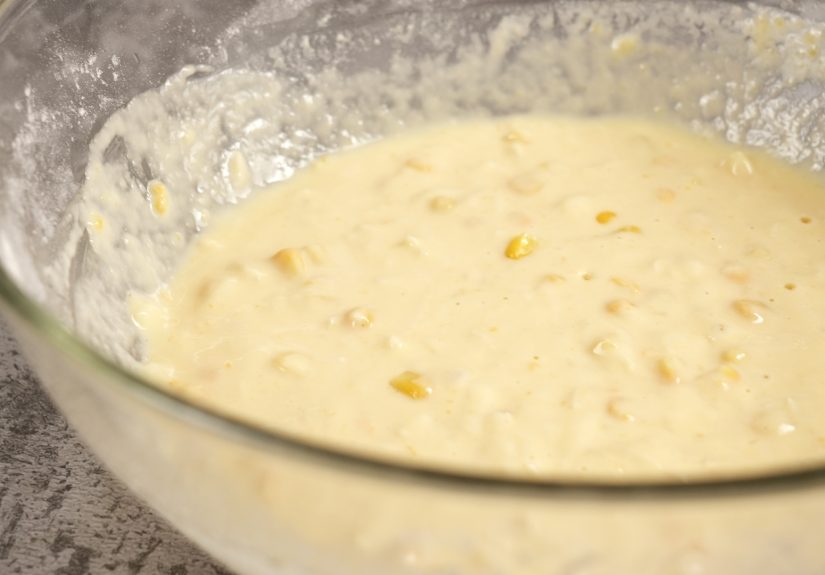
One of the most useful lessons is that batter texture tells you a lot. If the batter looks stiff, dry, and paste-like before it goes into the oven, the finished cornbread will probably be crumbly. A good batter should be thick but moist, closer to muffin batter than cookie dough. When you drag a spoon through it, it should slowly settle back into place. If it sits there like wet cement with ambition, add a splash of buttermilk or milk.
Another practical discovery is that resting the batter really helps, especially when using medium or coarse cornmeal. Five minutes is helpful. Ten minutes is better. During that time, the batter thickens slightly as the cornmeal absorbs liquid. This gives the finished cornbread a smoother bite and helps prevent the gritty, fall-apart texture that makes people suspicious of homemade baking.
Pan choice also changes the result. A cast-iron skillet creates the best crust, but a metal baking pan gives clean, dependable slices. Glass pans can work, but they may bake more slowly and hold heat differently, which sometimes leads to dry edges before the center is fully done. If you often get crumbly corners and a soft middle, try a light-colored metal pan and start checking for doneness early.
For family dinners, the most dependable anti-crumble trick is adding both a second egg and a spoonful of sour cream. The egg improves structure, while the sour cream adds moisture and tenderness. This combination works especially well when the cornbread needs to travel to a potluck or sit on the table for a while. Cornbread that is perfect for the first five minutes but dry by dinner is not a success; it is a dramatic performance.
Storage matters too. Once cornbread cools completely, wrap it tightly or place it in an airtight container. Leaving it uncovered on the counter dries it quickly. To reheat, wrap slices in foil and warm them gently in the oven, or microwave a slice with a slightly damp paper towel for a few seconds. Add butter after reheating, not before, unless you enjoy cleaning greasy foil with regret in your heart.
Leftover crumbly cornbread is not a failure, by the way. It can become cornbread dressing, croutons, breakfast hash, casserole topping, or a bowl of cornbread and buttermilk. Still, when the goal is neat slices, remember the three-part formula: balance the cornmeal with enough flour, add moisture and binders, and avoid overbaking. Do those three things, and your cornbread will finally behave itselfmostly. It is still cornbread, after all. A little crumble is charm. A full collapse is a cry for buttermilk.
Conclusion
Keeping cornbread from crumbling is less about luck and more about balance. Cornmeal needs support from flour, eggs, fat, and enough liquid. Buttermilk, sour cream, yogurt, oil, butter, and a short batter rest can all help create a moist, tender crumb that holds together. Baking time matters just as much: pull the cornbread from the oven when it is set and golden, not when it has surrendered every drop of moisture.
In short, the three best ways to keep cornbread from crumbling are to adjust the cornmeal-to-flour ratio, add enough moisture and binding ingredients, and bake carefully without cutting too soon. Master those steps, and your cornbread will be ready for chili night, barbecue plates, holiday dressing, or a quiet moment with butter and honey. No broom required.
Note: This original article was written for web publication and is based on widely accepted American baking practices, recipe testing principles, and real culinary guidance from reputable food and baking sources.