Table of Contents >> Show >> Hide
- 1. Watch for Changes in Behavior and Energy
- 2. Look Closely at Appearance, Posture, and Breathing
- 3. Track Appetite, Droppings, and Weight Like They Actually Matter
- When to Call an Avian Vet Right Away
- Common Owner Mistakes That Delay Help
- Conclusion
- Experience and Practical Observations From Real Bird-Owner Situations
- SEO Tags
If you live with a bird, you already know one thing: they are tiny, feathery professionals at acting normal right up until they are absolutely not normal. That is not your imagination. Birds are prey animals, which means they are wired to hide weakness. In the wild, looking sick is a terrible career move. At home, that same instinct can make early illness easy to miss.
That is why learning the signs a bird is sick matters so much. A parakeet that suddenly goes quiet, a cockatiel that looks puffed up all day, or a conure whose droppings seem off may not be having a “weird bird day.” Those changes can be the first hint of trouble. The good news is that you do not need a veterinary degree or a dramatic TV soundtrack to catch important clues. You just need to know what your bird’s normal looks like and what kinds of changes should make you pause.
Below are three practical ways to tell if your bird may be ill, along with the red flags that mean it is time to call an avian vet sooner rather than later. Think of this as the everyday owner’s guide to spotting pet bird illness symptoms before they go from subtle to serious.
1. Watch for Changes in Behavior and Energy
The first and often most important clue is not dramatic sneezing or a movie-worthy collapse. It is usually a change in routine. Birds are creatures of habit. They have preferred perches, favorite times to chatter, predictable attitudes, and very strong opinions about breakfast. When that pattern changes, pay attention.
What “off” behavior can look like
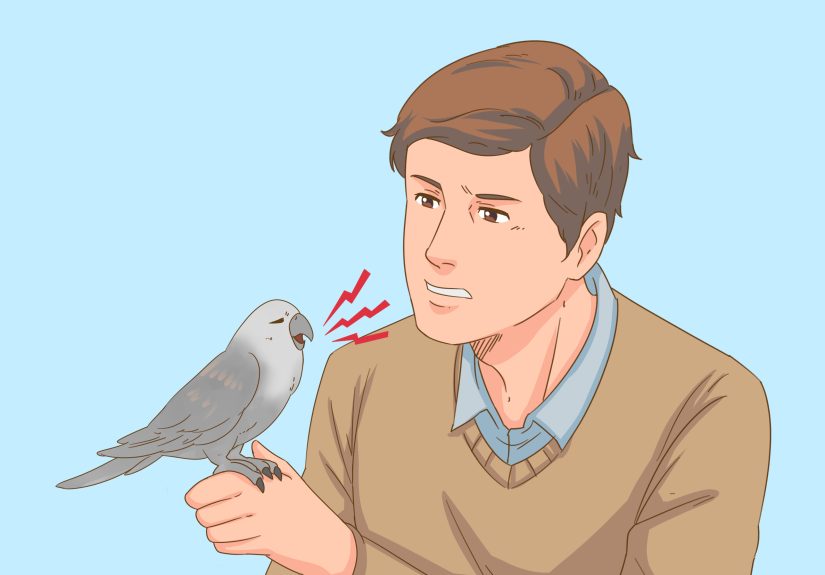
A sick bird may become unusually quiet, sleep more than normal, sit low on the perch, or spend time on the bottom of the cage. Some birds stop singing or talking as much. Others become less playful, less curious, or less interested in stepping up. A normally spicy bird may suddenly seem oddly passive. A cuddly bird may become irritable or aggressive. In bird language, all of these can mean, “Something is not right, and I would prefer not to fill out paperwork about it.”
Lethargy is one of the biggest warning signs. If your bird looks listless, keeps its eyes partly closed during the day, or seems reluctant to move, that is more than a mood. The same goes for weakness, wobbliness, trouble balancing, or falling off the perch. Birds are not supposed to look like they are trying to stay awake through a boring meeting at 10 a.m.
Why behavior changes matter so much
Behavior is often the earliest signal because birds hide physical illness better than many mammals do. By the time outward signs become obvious, the disease may already be advanced. That is why a subtle drop in chatter or activity can actually be more meaningful than owners expect. The bird is not “being lazy.” The bird may be conserving energy.
This is also why keeping a mental baseline matters. Ask yourself: Is my bird usually noisy at sunrise? Does she rush to the food bowl? Does he preen after bathing? Does she always greet me when I enter the room? A change from normal behavior, even if it seems small, is often how you know if your bird is sick before the problem becomes unmistakable.
Behavior signs you should not brush off
- Sleeping much more than usual during the day
- Sitting on the cage floor or perching low
- Closed or half-closed eyes when the room is active
- Less talking, singing, or vocalizing than usual
- Sudden weakness, clumsiness, or balance problems
- A sharp personality change, including unusual tameness or irritability
- Reduced preening and a general “I give up on grooming” vibe
One quiet afternoon does not always equal illness. But a pattern of changed behavior absolutely deserves attention.
2. Look Closely at Appearance, Posture, and Breathing
The second way to spot illness is to look at your bird, really look. Not the casual “Yep, still bird-shaped” glance. A calm, healthy bird should generally appear alert, balanced, and comfortable. Feathers should look cared for. Breathing should be easy and almost unnoticeable at rest. Eyes should look bright, not sleepy or irritated. Once those things change, your bird’s body may be telling you a lot.
Feathers and posture can tell a story
Fluffed feathers are one of the most common signs that a bird is sick, but context matters. A bird may fluff briefly when relaxing, sleeping, or warming up. That can be perfectly normal. What is not normal is staying puffed up for long periods, especially alongside sleepiness, poor appetite, or inactivity. Chronic fluffing, ruffled plumage, and an unkempt look often suggest that your bird is not feeling well.
Posture matters too. Drooping wings, hunching, sitting low, or difficulty perching can all signal trouble. So can resting on the bottom of the cage. Birds are built to perch. When they stop choosing that option, the message is rarely cheerful.
Eyes, nose, and face deserve a daily glance
Watch for discharge from the eyes or nostrils, swelling around the eyes, sneezing, matting of feathers on the face, or changes in eye clarity. A bird with a runny nose does not just have “a little cold.” Facial discharge and soiled feathers around the nares can point to respiratory disease, irritation, infection, or regurgitation.
Voice changes also matter. If your bird sounds hoarse, quieter, squeakier, or suddenly loses its voice, that is worth noting. In some birds, a voice change can be one of the earliest hints of respiratory trouble.
Breathing is where “wait and see” becomes a bad idea
Breathing problems in birds are urgent. Healthy birds at rest should not look like they are working to breathe. If you see tail bobbing with each breath, open-mouth breathing, increased chest or sternal movement, wheezing, coughing, clicking, or obvious shortness of breath, call a veterinarian promptly. These are major bird breathing problems, not mild inconveniences.
Another subtle clue is exercise intolerance. Maybe your bird becomes winded after a short flight across the room. Maybe it climbs less, pants after brief activity, or seems to need extra time to recover. That can be an early sign that something is going on even before the classic red flags appear.
In short, one of the clearest ways to know if your bird is sick is that the bird no longer looks comfortable in its own body. The feathers look wrong. The posture looks wrong. The breathing looks wrong. When those things line up, trust what you are seeing.
3. Track Appetite, Droppings, and Weight Like They Actually Matter
They do matter. A lot. In fact, food intake, droppings, and weight changes are some of the best practical indicators of bird health. They are also the details owners are most likely to underestimate.
Your bird may “pretend” to eat
Bird owners are sometimes fooled because a sick bird may still walk to the food bowl, crack seeds, or peck at pellets. That does not always mean normal eating is happening. The bowl may look disturbed while actual intake drops. If your bird seems less enthusiastic about food, spends more time at the dish without really eating, or leaves more untouched food than usual, take that seriously.
Loss of appetite is one of the most important pet bird illness symptoms. So is increased thirst, reduced drinking, vomiting, regurgitation, gagging, or stretching the neck repeatedly. Digestive changes are not random quirks. They are clues.
Droppings are not glamorous, but they are useful
Yes, we need to discuss poop. This is where bird ownership becomes less “enchanted forest” and more “quality-control inspector with paper towels.” Healthy droppings vary by species and diet, but a sudden change in color, quantity, consistency, or urine content can signal illness.
Watch for droppings that become very loose, unusually watery, greatly reduced in amount, or filled with undigested food. Also pay attention if the bird is producing much less fecal material overall, which can happen when it is not eating enough. Repeated abnormal droppings deserve attention, especially when paired with lethargy or appetite loss.
One weird dropping does not always mean disaster. Some foods can temporarily change color, and stress can increase the urine portion for a short time. But if the change continues, gets worse, or comes with other symptoms, do not shrug it off. A recurring droppings change is often one of the first reliable clues that a bird is sick.
Weight loss can hide under feathers
Feathers are excellent at hiding a shrinking body. A bird can lose meaningful weight before it looks thin to the human eye. That is why regular weigh-ins on a gram scale are so useful. If your bird starts feeling lighter in the hand, looking bonier at the chest, or dropping weight over several days, that is a serious sign.
For many owners, this is the moment the picture finally clicks. The bird is quieter. The droppings changed. The fluffing became constant. Then the number on the scale drops. That is not a coincidence. That is a pattern.
When to Call an Avian Vet Right Away
If you are wondering when a bird’s symptoms move from “I should keep an eye on this” to “I need to make a call now,” here is the practical line: breathing trouble, severe weakness, and neurologic signs are urgent.
- Open-mouth breathing
- Tail bobbing at rest
- Wheezing, gasping, or obvious respiratory effort
- Inability to perch or repeated falling
- Vomiting or frequent regurgitation
- Bleeding from any body opening
- Disorientation, tremors, circling, seizures, or collapse
- Severe lethargy or a bird sitting fluffed on the cage bottom
Birds can deteriorate quickly, so this is not a species that rewards wishful thinking. If your bird looks truly unwell, trying to “see how tomorrow goes” may only make treatment harder.
Common Owner Mistakes That Delay Help
The most common mistake is assuming the bird is just tired, chilly, molting, moody, or being weird. Birds are weird, yes, but not in every direction all at once. A molting bird may look rough around the edges, but it should still eat, interact, and act like itself. A sleepy bird should perk up. A relaxed bird should not be tail bobbing.
Another mistake is focusing on only one sign. Owners often wait because the bird is still eating a little, still climbing occasionally, or still yelling at the vacuum. But illness is often a combination of clues: slightly less appetite, slightly more sleeping, slightly worse feathers, slightly different droppings. Put those together, and the picture is much clearer.
The smartest approach is not panic. It is pattern recognition. Learn your bird’s normal, notice deviations early, and act before “subtle” becomes “scary.”
Conclusion
If you want the simplest answer to how to know if your bird is sick, it is this: compare today’s bird to your bird’s normal bird. Then look for changes in behavior, appearance and breathing, and appetite, droppings, or weight. Those three categories catch most of the early warning signs owners can realistically observe at home.
The big takeaway is that birds are often quiet about illness until they cannot afford to be. So when your pet bird seems off, do not wait for a giant neon sign. In bird medicine, the tiny clues are often the important ones. Notice them early, trust them, and get help when needed. Your bird may never thank you in words, but it will probably appreciate staying on the right side of “mysterious feather emergency.”
Experience and Practical Observations From Real Bird-Owner Situations
In everyday life, the first sign that a bird is sick is rarely dramatic. Most owners do not walk into a room and instantly think, “Ah yes, clearly an avian medical event.” What they usually notice is something naggingly small. The budgie that normally chirps through breakfast stays quiet. The cockatiel that always rushes to greet people stays on the back perch. The conure that usually treats the food bowl like a personal buffet picks at one pellet and quits. These changes are easy to dismiss because each one, by itself, can sound minor. Together, they often tell the real story.
A common pattern owners describe is the “less of everything” phase. The bird is less noisy, less playful, less interested, less tidy, less hungry. Not zero, just less. That is exactly why illness can sneak up on people. The bird is still doing bird things, just at half-volume. Owners who know their bird’s routines well are the ones who catch these shifts fastest. They are not psychic. They simply notice when the daily rhythm changes.
Another real-world observation is that feathers can fool people. A bird may still look plump and cute while actually losing weight. Owners often realize something is wrong only when they pick the bird up and think, “Wait, you feel lighter.” That is why regular weighing is so helpful. It turns a vague feeling into something measurable. The same thing happens with the food dish. Many birds continue visiting the bowl even when they are eating poorly, so the owner assumes intake is normal until the droppings get smaller or the weight starts slipping.
Breathing issues are another area where owners often remember a moment of hindsight. They say things like, “Now that I think about it, he had been getting winded more easily,” or “I noticed the tail moving, but I did not realize that meant work of breathing.” This is one reason respiratory signs deserve extra respect. They may begin subtly, especially in birds that are trying hard not to look vulnerable. By the time open-mouth breathing shows up, the situation may already be urgent.
Many experienced bird owners also learn to trust the “something is off” instinct. Not panic, not paranoia, just informed suspicion. If a bird is suddenly sitting differently, vocalizing differently, or leaving a different pattern in the cage liner, that instinct is usually based on real observation. It helps to write changes down. A quick note like “quieter today, slept more, droppings loose, ate less millet” gives a veterinarian much better information than “He seemed weird for a while.”
Finally, one of the most valuable lessons from bird-owning experience is that early action usually feels smaller than late action. Calling the vet when symptoms are subtle may feel like overreacting in the moment. Calling when the bird is weak, fluffed, and struggling to breathe feels much worse. Owners who have been through both situations tend to say the same thing afterward: they would rather be embarrassed by a cautious appointment than regret waiting. With birds, that is not overprotective. That is simply smart care.