
Table of Contents >> Show >> Hide
- Why Make a Paper Bracelet?
- Basic Supplies for Paper Bracelets
- Method 1: Folded Paper Chain Bracelet
- Method 2: Rolled Paper Bead Bracelet
- Method 3: Decorated Paper Cuff Bracelet
- Tips for Making Better Paper Bracelets
- Creative Paper Bracelet Themes
- Common Mistakes and How to Fix Them
- Personal Experience: What Making Paper Bracelets Teaches You
- Conclusion
Paper bracelets are proof that creativity does not need a shopping cart, a craft-room renovation, or a mysterious drawer full of supplies labeled “miscellaneous.” With a few strips of paper, a little glue or tape, and the brave spirit of someone willing to get one finger slightly sticky, you can make wearable art in minutes.
Whether you are planning a classroom activity, a birthday party craft, a rainy-day project, or a low-cost DIY jewelry idea, learning how to make a paper bracelet is surprisingly useful. Paper is light, colorful, easy to decorate, and forgiving enough for beginners. If one strip folds the wrong way, congratulations: you have invented abstract fashion.
This guide covers three simple paper bracelet methods: a folded paper chain bracelet, a rolled paper bead bracelet, and a decorated paper cuff bracelet. Each one uses common materials and can be customized for kids, teens, adults, parties, handmade gifts, or eco-friendly crafting. By the end, you will have three different bracelet styles and enough confidence to look at junk mail like it has runway potential.
Why Make a Paper Bracelet?
Paper bracelets are affordable, beginner-friendly, and wonderfully flexible. You can use construction paper, scrapbook paper, magazine pages, origami paper, wrapping paper scraps, old calendars, maps, or even painted printer paper. That means this project is also a smart recycled craft. Instead of throwing away pretty paper, you can turn it into something wearable.
Paper jewelry also teaches useful hands-on skills. Cutting, folding, measuring, rolling, threading, and pattern-making all help improve fine motor coordination and creative planning. For kids, the project feels like play. For adults, it feels oddly calming, like organizing a tiny paper kingdom one strip at a time.
Basic Supplies for Paper Bracelets
You do not need every item listed below for every method, but these supplies will help you create all three bracelet styles in this guide.
- Colored paper, scrapbook paper, magazine pages, or origami paper
- Scissors or a paper cutter
- Ruler
- Pencil
- Glue stick, craft glue, or double-sided tape
- Clear tape or washi tape
- Elastic cord, yarn, or string for bead bracelets
- Toothpick, skewer, or thin straw for rolling paper beads
- Markers, crayons, stickers, stamps, or paint for decoration
- Optional: clear-drying glue, Mod Podge, or non-toxic sealant
Method 1: Folded Paper Chain Bracelet
The folded paper chain bracelet is one of the most popular DIY paper bracelet styles because it looks more complicated than it is. It uses small folded strips that interlock into a flexible chain. The finished bracelet can look like a colorful woven band, a gum-wrapper bracelet, or a tiny paper version of chainmail. Medieval knights would have loved this, assuming they were invited to craft camp.
Best For
This method is great for older kids, teens, and adults who enjoy folding, patterns, and repeating steps. It is also excellent for friendship bracelets because you can alternate colors or use paper with meaningful designs.
What You Need
- 16 to 24 paper strips
- Ruler
- Scissors
- Tape or glue for closing the bracelet
Step 1: Cut the Paper Strips
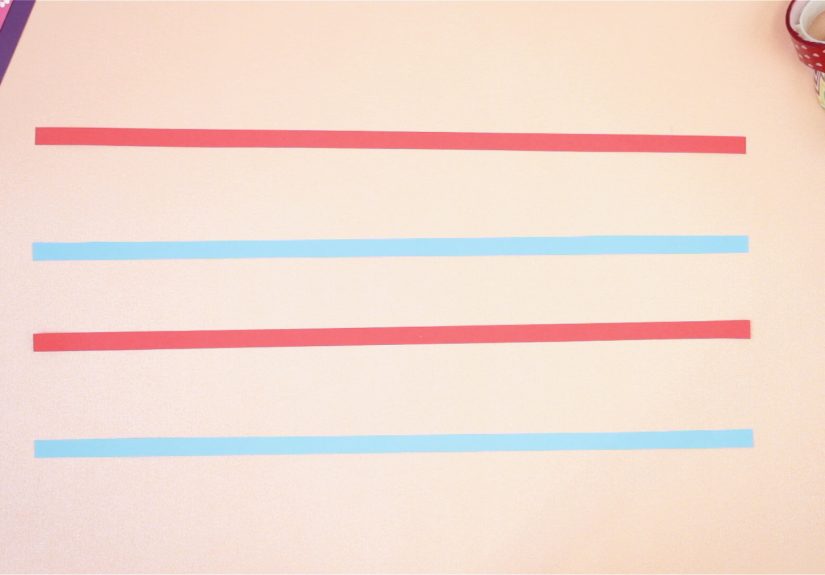
Cut your paper into strips with a length-to-width ratio of about 4:1. A good beginner size is 3 inches by 3/4 inch, or roughly 12 centimeters by 3 centimeters. The exact size can change, but keeping the same ratio helps the folded links fit together neatly.
For a child-sized bracelet, start with about 16 to 18 strips. For a larger wrist, use 20 to 24 strips. It is better to cut a few extras, because paper strips have a funny way of disappearing under elbows, cats, or snack plates.
Step 2: Fold Each Strip
Take one strip and fold it in half lengthwise. Open it again, then fold both long edges toward the center crease. Fold it closed along the original crease so you have a narrow, sturdy strip.
Next, fold that narrow strip in half from end to end. Open it slightly, then fold each short end toward the center. When finished, the strip should look like a small folded “V” or staple shape. Repeat this process with all your paper strips.
Step 3: Link the Pieces Together
Hold one folded piece so the two open loops face upward. Slide the ends of a second folded piece through those loops. Pull it through gently until the pieces lock together. Add the next folded piece the same way, continuing until the chain is long enough to wrap around your wrist.
Do not pull too hard. Paper is strong when folded, but it is still paper, not a superhero cape. Gentle pressure keeps the bracelet flexible and neat.
Step 4: Close the Bracelet
Wrap the chain around your wrist to test the size. The bracelet should slide over your hand or fit comfortably around your wrist without pinching. To close it, tuck the final ends into the first link if possible. If the join feels loose, secure it with a small piece of clear tape or a dab of glue.
Design Ideas
Try alternating two colors for a classic friendship bracelet look. Use magazine paper for a recycled fashion style. Create a rainbow pattern, school-color bracelet, birthday party bracelet, or holiday theme. If using plain white paper, decorate the strips before folding them. Once folded, only parts of the design will show, creating a fun surprise pattern.
Method 2: Rolled Paper Bead Bracelet
A rolled paper bead bracelet is a fantastic way to turn scraps into jewelry that looks boutique-worthy. The idea is simple: cut paper into long triangles, roll each triangle tightly, glue the end, seal the bead if desired, and string the beads together. The result can look colorful, boho, vintage, or surprisingly elegant.
Best For
This method is perfect for tweens, teens, and adults. Younger children can help decorate paper or string larger beads, but rolling tight beads may require adult assistance. It is also one of the best paper bracelet ideas for upcycling magazines, catalogs, maps, and wrapping paper.
What You Need
- Magazine pages, scrapbook paper, wrapping paper, or old maps
- Ruler and pencil
- Scissors
- Toothpick, skewer, or thin straw
- Glue stick or craft glue
- Elastic cord, yarn, or string
- Optional clear sealant or Mod Podge
Step 1: Cut Long Paper Triangles
Turn your paper over and mark long, narrow triangles. A common size is about 8 to 12 inches long and 1/2 inch to 1 inch wide at the base. Wider bases create fatter beads. Narrower bases create slim beads. You can experiment with different shapes to create different bead styles.
For a bracelet, you will usually need 12 to 25 beads, depending on bead size and wrist size. If you are using elastic cord, the bracelet should stretch comfortably without sagging like a tired noodle.
Step 2: Roll the Beads
Place the wide end of one paper triangle against a toothpick or skewer. Roll the paper tightly around it, keeping the triangle centered as you go. Add a small amount of glue near the pointed end, then finish rolling so the tip sticks down smoothly.
Slide the bead off the toothpick and let it dry. Repeat until you have enough beads. This part can become addictive. One minute you are making a bracelet; the next you are considering paper bead curtains. Stay strong.
Step 3: Seal the Beads
Sealing is optional, but it makes the beads stronger and shinier. Brush on a thin coat of clear-drying glue, Mod Podge, or non-toxic craft sealant. Let the beads dry completely before stringing them. For best results, avoid soaking the paper. A light coat is better than a glue flood.
Step 4: String the Bracelet
Cut a piece of elastic cord a few inches longer than your wrist measurement. String the paper beads onto the cord, mixing in small spacer beads if you like. When the bracelet fits comfortably, tie a secure knot. Add a dab of glue to the knot for extra hold, let it dry, and trim the ends.
Design Ideas
Use magazine pages with similar colors for a coordinated look. Try old book pages for a vintage style, maps for a travel theme, or bright wrapping paper for party bracelets. You can also write tiny messages on plain paper before rolling it. The words will mostly disappear into the bead, creating a secret-message bracelet.
Method 3: Decorated Paper Cuff Bracelet
The paper cuff bracelet is the easiest and fastest of the three methods. It is ideal for younger kids, party crafts, classroom activities, and anyone who wants instant results. A cuff bracelet starts with one sturdy strip of paper that wraps around the wrist. Then comes the fun part: decorating it like a tiny billboard for your personality.
Best For
This method is excellent for preschoolers with supervision, elementary students, craft parties, and quick holiday projects. It is also the best option when you need a low-mess activity and do not want to find paper beads in the carpet three weeks later.
What You Need
- Construction paper, cardstock, or thick scrapbook paper
- Scissors
- Ruler
- Tape, glue, or adhesive dots
- Markers, crayons, stickers, stamps, glitter glue, or washi tape
Step 1: Cut the Bracelet Base
Cut a strip of paper about 1 to 2 inches wide and 8 to 10 inches long. For younger kids, make the strip wider because it gives them more room to decorate. For older kids or adults, a narrower cuff can look more stylish.
Wrap the strip around the wrist and mark where the ends overlap. Leave enough space for comfort. A bracelet should not feel like it is trying to win an arm-wrestling contest.
Step 2: Decorate the Strip
Lay the paper flat and decorate the outside. Draw patterns, write names, add stickers, use washi tape, stamp shapes, or glue on small paper cutouts. You can create flowers, stars, lightning bolts, hearts, animals, sports themes, superheroes, or a dramatic abstract design called “I spilled the markers but made it fashion.”
Step 3: Close the Cuff
Wrap the decorated strip around the wrist and secure the ends with tape, glue, or a paper fastener. If you want the bracelet to be removable, attach a small piece of hook-and-loop tape or use two slits that slide together. For a quick party craft, clear tape is perfectly fine.
Step 4: Add Dimension
To make the cuff more exciting, add layered paper shapes. For example, glue a paper flower to the center, add a folded butterfly, or attach a name tag. You can also fringe the edges, punch holes along the sides, or weave thin strips through the cuff for texture.
Tips for Making Better Paper Bracelets
Choose the Right Paper
Thin paper folds easily and works well for folded chain bracelets. Magazine paper and scrapbook paper are excellent for rolled beads. Cardstock is better for cuffs because it holds its shape. If the paper is too thick, it may crack when folded. If it is too thin, it may tear. The sweet spot is paper that bends without complaining.
Measure Before You Close
Always test the bracelet size before gluing or tying it shut. For cuffs, leave a small overlap. For bead bracelets, check that the elastic stretches comfortably. For folded paper bracelets, make sure the chain can slide on or close securely around the wrist.
Decorate Before Folding or Rolling
For many paper bracelet designs, it is easier to decorate the paper before assembly. Paint, markers, stamps, and crayons work best on flat paper. Once the bracelet is folded or rolled, detailed decorating becomes trickier. Possible, yes. Relaxing, not always.
Make It Stronger
If you want your paper bracelet to last longer, seal it lightly with clear glue or a craft sealant. This works especially well for paper beads. For folded bracelets and cuffs, avoid too much liquid because it can soften the paper and make it warp.
Keep Safety in Mind
Use child-safe scissors for younger crafters and supervise cutting, gluing, and bead stringing. Small beads and short pieces of cord can be choking hazards for very young children, so choose age-appropriate materials. A paper cuff is usually the safest option for little hands.
Creative Paper Bracelet Themes
Once you understand the basic methods, you can customize paper bracelets for almost any occasion. For birthdays, let guests decorate cuffs with their names and favorite colors. For classrooms, make paper bracelets that show vocabulary words, math facts, or reading goals. For Earth Day, use recycled magazines, junk mail, or paper grocery bags. For holidays, use seasonal colors and shapes.
Friendship paper bracelets are especially fun. Each person can choose colors for a friend, write a small message inside the cuff, or create matching paper bead bracelets. Handmade bracelets feel personal because they take time, even if that time includes accidentally gluing one bead to your sleeve.
Common Mistakes and How to Fix Them
The Bracelet Is Too Tight
Add more folded links, more beads, or a longer cuff strip. If the bracelet is already glued, carefully cut it open and attach an extender piece. Call it a design feature. Confidence is half of crafting.
The Paper Tears While Folding
Use thinner paper or make larger strips. Very thick cardstock does not work well for folded chain bracelets. If you want strength, use regular paper folded neatly instead of heavy paper forced into submission.
The Paper Beads Unroll
Add glue closer to the pointed end and hold the bead for a few seconds after rolling. Let each bead dry fully before stringing. If needed, seal the beads with a thin layer of clear glue.
The Cuff Looks Too Plain
Add layers. Paper shapes, stickers, washi tape, stamps, doodles, and fringe can turn a simple strip into a statement piece. Even a row of dots or stripes can make the bracelet look intentional and polished.
Personal Experience: What Making Paper Bracelets Teaches You
The first thing you learn while making a paper bracelet is that paper has opinions. Some paper folds beautifully, like it has been waiting its whole life to become jewelry. Other paper wrinkles, splits, or refuses to line up, usually right when you are trying to impress someone with your crafting skills. That is part of the charm. A paper bracelet is not about perfection; it is about turning a simple material into something fun, personal, and wearable.
One of the best experiences with paper bracelets is making them in a group. At first, everyone focuses on the instructions. Someone asks which way to fold. Someone else cuts strips that are technically rectangles but spiritually noodles. Then, after a few minutes, the table gets quiet in that wonderful creative way. People start choosing colors, comparing patterns, and inventing their own variations. The project becomes less about following steps and more about making choices.
The folded paper chain bracelet is the most satisfying when it finally clicks. The first few links may feel confusing, but once you understand how the pieces slide together, the process becomes rhythmic. Fold, tuck, pull, repeat. It is the craft version of a good song chorus. Kids often feel proud because the finished bracelet looks advanced, even though the steps are simple with practice.
Paper bead bracelets offer a different kind of satisfaction. Rolling beads from old magazine pages feels almost magical. A flat triangle becomes a rounded bead with color patterns you cannot fully predict. Sometimes a random advertisement turns into a gorgeous swirl of blue and gold. Sometimes a grocery flyer becomes oddly fashionable. It is a reminder that creativity often begins with seeing potential where others see recycling.
The paper cuff bracelet is the most expressive. It gives makers permission to be bold. A child might cover it in stickers and declare it a superhero power band. A teen might create a minimalist black-and-white design. An adult might make a floral cuff and pretend it was just for the kids, while secretly enjoying every second. Because cuffs are quick, they are perfect for experimenting without pressure.
Another lesson from making paper bracelets is that small projects can build confidence. You do not need expensive tools or advanced skills to finish something attractive. In a world where many hobbies require subscriptions, specialty equipment, or at least one confusing online tutorial filmed from six inches too far away, paper bracelets are refreshingly simple. Cut paper. Fold or roll it. Wear it. Smile smugly.
These bracelets also make great memory crafts. A bracelet made from a concert flyer, a travel map, gift wrap from a special occasion, or a child’s drawing carries a story. It may not last forever, but that is okay. Some crafts are meant to be treasured for years, and some are meant to brighten an afternoon. Paper bracelets can do both, especially when sealed and handled gently.
Most importantly, making paper bracelets reminds us that creativity is not reserved for artists. It is available to anyone with a scrap of paper and a few spare minutes. The finished bracelet might be neat, wild, colorful, lopsided, elegant, or charmingly chaotic. Whatever it looks like, it proves that handmade things have personality. And sometimes, personality is worth more than polish.
Conclusion
Learning how to make a paper bracelet gives you three easy ways to create wearable art from simple supplies. The folded paper chain bracelet is flexible and eye-catching, the rolled paper bead bracelet is stylish and eco-friendly, and the decorated paper cuff bracelet is fast, fun, and perfect for all ages. Each method can be customized with colors, patterns, messages, and recycled materials.
Paper bracelets are affordable, creative, and surprisingly versatile. They work for classrooms, parties, rainy days, handmade gifts, friendship crafts, and sustainable DIY jewelry projects. Best of all, they remind us that crafting does not have to be complicated to be meaningful. Sometimes the best project starts with one strip of paper and the dangerous thought: “I wonder what else I can make?”
Note: This article is written as original, publication-ready content and synthesizes established paper craft techniques, kid-friendly DIY guidance, recycled jewelry ideas, and practical crafting experience. Source links are intentionally omitted for clean web publishing.




 Close
Close