
Table of Contents >> Show >> Hide
- Why Dogs Poop in the Crate (So You Don’t Fix the Wrong Thing)
- Way 1: Set Up the Crate So Your Dog Actually Wants to Keep It Clean
- Way 2: Fix the RoutineMost Crate Poop Problems Are Scheduling Problems in Disguise
- Way 3: Address the Root CauseHealth, Stress, and Training Gaps
- Troubleshooting Cheat Sheet
- Real-World Experiences: What Dog Parents Commonly Run Into (and What Actually Helps)
- Experience 1: “My puppy poops in the crate every night, but only at night”
- Experience 2: “I sized up the crate so my dog could ‘stretch out’… and now it’s a bathroom”
- Experience 3: “He was crate trained… then we moved / had a baby / changed schedules, and everything fell apart”
- Experience 4: “My dog poops in the crate and then panics about being near it”
- Experience 5: “It’s not timing. It’s not crate size. It’s… explosive.”
- Experience 6: “My dog only soils the crate when I leave the house”
- Experience 7: “Multiple people in the house = nobody knows when the dog last went out”
- Conclusion: Clean Crate, Calmer Dog, Happier You
Crate accidents are one of those “I love you, but why?” moments in dog parenting. The good news: most dogs
can learn to keep their crate clean because they naturally prefer not to soil the place they sleep (their “den” instinct).
The not-so-fun news: if the crate setup is off, the schedule is unrealistic, or something medical/behavioral is going on,
your dog may feel like they have no other option.
This guide breaks the solution into three practical pathssetup, routine, and root-cause fixesso you can stop crate poop
without turning your home into a crime scene investigation unit.
Why Dogs Poop in the Crate (So You Don’t Fix the Wrong Thing)
Before we jump into the “3 ways,” here’s the quick reality check: crate soiling usually happens for one (or more) of these reasons:
- The crate is too big (your dog creates a “bathroom corner” and sleeps on the other side).
- The timing is impossible (they’re crated longer than their body can reasonably hold it).
- Stomach trouble (diarrhea/soft stool doesn’t wait for permission).
- Anxiety or stress (panic can trigger elimination, especially with separation anxiety).
- Training gaps or mixed signals (not enough outdoor potty reps, too much freedom too soon).
- Dirty-crate “reset” needed (if it smells like a bathroom, your dog may keep treating it like one).
Now let’s fix it in a way that’s kind to your dog and effective for you.
Way 1: Set Up the Crate So Your Dog Actually Wants to Keep It Clean
Think of the crate as a tiny studio apartment. If it’s the size of a warehouse, your dog might install a “bathroom wing.”
If it’s cozy and predictable, most dogs try hard to keep it clean.
1) Choose the right crate size (this is the big one)
The ideal crate is big enough for your dog to stand up, turn around, and lie down comfortablybut not so roomy
that they can poop in one corner and host a sleepover in another.
- If you have a puppy, use a divider panel so the crate “grows” with them.
- If accidents happen and the crate feels spacious, reduce the usable space temporarily.
2) Make it comfortablebut don’t accidentally “pad the bathroom”
Soft bedding can be great… unless your dog treats it like an absorbent welcome mat for poop. If your dog is soiling the crate:
- Start with minimal, washable bedding or a thin mat (or remove bedding briefly if it’s clearly part of the problem).
- Add comfort back gradually once your dog stays clean for a consistent streak.
- Avoid thick bedding that’s hard to clean during the “learning phase.”
3) Clean like a professional (because your dog’s nose is basically a forensic lab)
If a crate smells like a toilet, your dog may keep using it like one. Regular cleaners can fool humans but not dogs.
Use an enzymatic pet cleaner to break down odor compounds, then let it fully dry.
Bonus tip: if your dog had an accident, don’t punish them. Dogs don’t connect “I pooped two hours ago” with “you’re upset now.”
They just learn, “Human is scary when poop exists,” which can make potty issues worse.
4) Build “crate = calm” vibes
A relaxed dog is a dog with better digestion timing. Make the crate a place where good things happen:
- Feed meals near or inside the crate (door open at first).
- Give a safe chew or food puzzle for short, supervised crate sessions.
- Practice short “in and out” reps during the day, not only when you leave.
Example: If your dog only gets crated when you grab your keys, the crate becomes a “you’re leaving” alarm.
Instead, do a few daily 2–5 minute crate breaks while you’re hometreat in, calm praise, treat out.
Way 2: Fix the RoutineMost Crate Poop Problems Are Scheduling Problems in Disguise
Dogs aren’t being “stubborn” when they poop in the crate; they’re usually being biological. Your job is to align crate time
with your dog’s age, digestion, and potty habits.
1) Use a predictable feeding schedule
Free-feeding (food available all day) can create unpredictable poop timing. A consistent meal schedule helps you predict when
your dog will need to goespecially for puppies.
- Feed at consistent times.
- Offer water regularly, but be thoughtful about huge water chugs right before long crating.
- Expect many dogs to need a bowel movement after meals (timing varies by dog).
2) Potty breaks: frequency beats wishful thinking
A common housetraining guideline is: puppy age in months + 1 equals the number of hours they can usually hold it
(with lots of individual variation). This is not a magic spellit’s a starting point.
- Young puppies often need potty trips every 1–2 hours when awake.
- Always take them out: first thing in the morning, after meals, after naps, after play, and right before crating.
Example schedule (new puppy): Wake up → potty → breakfast → potty (within 5–20 minutes) → short play → potty → nap in crate → potty when they wake.
Yes, it’s repetitive. That’s the point. Your dog learns the pattern and relaxes.
3) Make nighttime boring (in a good way)
If crate accidents happen at night, it may mean your dog can’t hold it that long yet, or they’re stressed and waking up frantic.
Handle night potty breaks like a quiet business meeting:
- Leash on, quick trip to the potty spot, calm praise, back to crate.
- No play party. No “since we’re up, let’s rearrange the living room.”
4) Don’t crate longer than your dog can handle
Even adult dogs have limits. If your schedule requires long crating (workdays, travel, long appointments),
plan support rather than hoping for miracles:
- Midday potty break from a trusted neighbor, dog walker, or pet sitter.
- A safe exercise pen or gated area with a designated potty setup (for dogs who truly can’t hold it).
- Gradual conditioning instead of sudden “8-hour crate marathons.”
Way 3: Address the Root CauseHealth, Stress, and Training Gaps
If your crate setup is right and your schedule is fair, but accidents continue, it’s time to look deeper.
This is where you stop guessing and start solving.
1) Rule out medical issues first (especially with diarrhea or sudden changes)
Soft stool, diarrhea, parasites, food intolerance, intestinal upset, medication side effects, and other issues can cause accidents
even in dogs who “should know better.” If your dog:
- Has frequent loose stool or mucus/blood in stool
- Suddenly starts soiling the crate after being clean
- Seems lethargic, vomits, or loses appetite
- Strains, cries, or has urgency
…call your veterinarian. This is not just a training problem if the body can’t cooperate.
2) Audit the diet (because poop is a food review)
Many crate poop issues improve when digestion becomes more predictable. Consider:
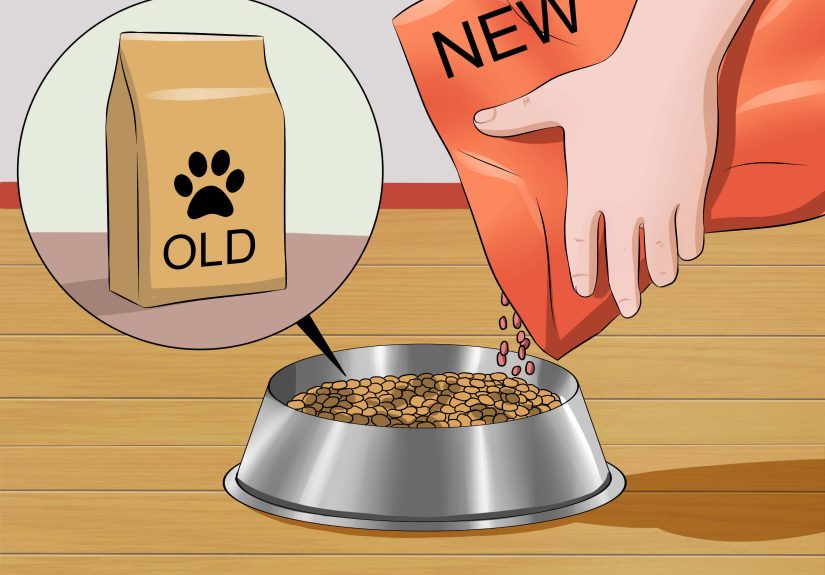
- Did you recently switch foods quickly? Gradual transitions matter.
- Are treats too rich or too frequent?
- Is your dog eating mystery snacks outside (hello, sidewalk chicken bones)?
If your dog’s stool is consistently soft, talk with your vet about diet adjustments. The goal is firm, regular stool that matches your potty schedule.
3) Watch for stress and separation anxiety
Some dogs eliminate in the crate because they’re panicking, not because they “forgot” housetraining. Clues include:
- Drooling, frantic scratching, biting bars, or self-injury attempts
- Howling that escalates (not just a brief complaint)
- Accidents that happen mainly when you leave
For anxiety-driven crate soiling, the fix may be different confinement (exercise pen, gated room) plus a structured
desensitization plan. For many dogs, you can re-teach that alone-time is safe using gradual departures, calm returns, and rewards for relaxed behavior.
In tougher cases, a certified trainer or veterinary behavior professional can be a game-changer.
4) Rebuild housetraining with “boringly consistent” reps
If your dog is having crate accidents, treat it like housetraining 101 againwithout the shame spiral.
- Supervise closely when your dog is out of the crate.
- Take frequent potty trips and reward like you’re handing out tiny Oscars.
- Use a cue (“go potty”) and praise immediately after they finish.
- Increase freedom slowly (more time out only after a clean streak).
Specific example: If your dog soils the crate after dinner, shift dinner earlier, do a potty trip 10–20 minutes after eating,
then another 30–60 minutes later. Track it for a week. Patterns show up fast when you write them down.
5) What NOT to do (even if you’re tired)
- Don’t punish crate accidents. It increases anxiety and can worsen elimination issues.
- Don’t leave your dog in a soiled crate. It can force them to get used to it, which you don’t want.
- Don’t “overshrink” the crate. Cozy is good; cramped is not. Your dog must be able to stand, turn, and lie down comfortably.
- Don’t skip the vet if stool is abnormal. Training can’t fix parasites or GI illness.
Troubleshooting Cheat Sheet
- Accident happens within 30–60 minutes of eating: add a post-meal potty trip (and possibly adjust meal timing).
- Accident happens only when you leave: consider anxiety support and gradual alone-time training.
- Loose stool: vet check + diet review.
- Crate is roomy: use divider panel; right-size the space.
- Accidents at night: one quiet overnight potty break may be needed (especially for puppies).
Real-World Experiences: What Dog Parents Commonly Run Into (and What Actually Helps)
Below are experience-based scenarios that many dog owners report when working through crate poop problems. Think of these as
“you’re not alone” storieswith practical takeaways you can steal immediately.
Experience 1: “My puppy poops in the crate every night, but only at night”
This usually shows up when a puppy’s bladder and bowels simply aren’t ready for a full night yet. Owners often assume,
“If they can sleep eight hours, they can hold it eight hours.” But sleep is not a contract your puppy signed.
What helps most in this situation is a temporary, boring overnight potty break. People who succeed tend to:
- Set an alarm once (not three times) for a quick potty trip.
- Keep lights low, voices calm, and playtime nonexistent.
- Return the puppy to the crate immediately after they finish.
After a couple weeks, many puppies naturally stretch their “hold it” time and the overnight break can be faded out.
Experience 2: “I sized up the crate so my dog could ‘stretch out’… and now it’s a bathroom”
This is a classic. The dog isn’t being rebellious; they’ve discovered interior design: “Bedroom over here, bathroom over there.”
Owners who fix it usually add a divider panel or swap to a smaller crate temporarily. The surprising part?
Dogs often seem more relaxed once the crate feels den-like again, because the space is easier to understand and settle in.
Experience 3: “He was crate trained… then we moved / had a baby / changed schedules, and everything fell apart”
Dogs notice life changes even when we’re distracted by, you know, human chaos. In these cases, crate accidents can be a stress signal.
What tends to work is a short “reset period”:
- Short crate sessions while the owner is home (treats, calm praise, quick exits).
- Extra potty trips during the transition week.
- More predictable routines (meals, walks, bedtime) until the dog’s stress decreases.
Owners often report improvement once they treat the regression as temporary confusion instead of a permanent betrayal.
Experience 4: “My dog poops in the crate and then panics about being near it”
Some dogs get genuinely distressed after an accident (and so do the humans, honestly). A common helpful approach is
cleaning thoroughly with an enzyme cleaner, then rebuilding positive associations from scratch:
- Meals near the crate, then inside the crate with the door open.
- High-value chews only offered in the crate.
- Short “crate naps” when the dog is already sleepy and likely to relax.
The goal is to make the crate feel safe again, not like a place where bad things happened.
Experience 5: “It’s not timing. It’s not crate size. It’s… explosive.”
When owners describe repeated crate soiling with loose stool, urgency, or sudden onset, the best outcomes happen when they stop
treating it as a training failure and start treating it as a health clue. People often discover:
- A food change didn’t agree with the dog.
- Table scraps were too rich.
- The dog ate something outside that upset their stomach.
- Parasites or GI illness needed veterinary help.
Once stool quality improves, crate cleanliness often improves dramaticallybecause the dog finally has control again.
Experience 6: “My dog only soils the crate when I leave the house”
Owners commonly mistake this for spite, but it often points to separation anxiety or panic. In these stories,
the “fix” is rarely more discipline; it’s more support. People report progress when they:
- Practice super-short departures (seconds to minutes) and return before panic hits.
- Reward calm behavior and ignore attention-seeking noise when appropriate.
- Try a different confinement setup if the crate increases anxiety (pen or gated room).
- Get professional help if anxiety signs are intense.
When anxiety improves, elimination accidents often fade because the dog’s nervous system isn’t in overdrive.
Experience 7: “Multiple people in the house = nobody knows when the dog last went out”
This one is sneakier than it sounds. In many households, accidents happen because everyone assumes someone else did the last potty trip.
What helps is embarrassingly simple: a whiteboard, a shared note, or a printed potty log by the door. Owners often see quick improvement
just by making potty timing visible to everyone.
Conclusion: Clean Crate, Calmer Dog, Happier You
Preventing crate pooping usually comes down to three moves: right-size the crate, tighten the routine,
and address health or anxiety when needed. If you fix the environment and timing, most dogs start choosing cleanliness.
If they don’t, it’s a sign to dig deepernot a reason to give up.
And remember: progress is often measured in fewer accidents, better patterns, and a dog who starts to relax in their space.
That’s a win worth celebrating (preferably with treats and zero poop involved).






 Close
Close