
Table of Contents >> Show >> Hide
- Why Hydration Matters More Than You Think
- 1. Build a Simple Water Rhythm You Can Actually Keep
- 2. Eat Your Water and Choose Better Drinks
- 3. Adjust Hydration for Heat, Exercise, Travel, and Busy Days
- Common Hydration Mistakes to Avoid
- How to Know If You Are Hydrated Enough
- Experience Section: Real-Life Lessons From Trying to Stay Hydrated
- Conclusion: Hydration Is a Small Habit With Big Payoff
Staying hydrated sounds like one of those life tasks that should be ridiculously easy. Drink water. Continue existing. Congratulations, you are now a responsible adult. And yet, somewhere between morning emails, school drop-offs, workouts, errands, snack cravings, and the mysterious black hole called “I’ll drink water after this,” many people end the day realizing their water bottle has been used mostly as desk decor.
The good news is that hydration does not require a complicated wellness spreadsheet, a gallon jug with motivational quotes yelling at you every hour, or a personal assistant named Stanley. The even better news: your body is not asking for perfection. It is asking for steady support. Hydration helps regulate body temperature, move nutrients, support digestion, cushion joints, assist the kidneys, and keep your brain from feeling like a browser with 47 tabs open.
This guide breaks hydration into three practical ways: building an easy drinking rhythm, eating and choosing smarter fluid sources, and adjusting your intake when life gets sweaty, hot, or unusually busy. No panic. No chugging contest. Just realistic habits that work in real homes, real offices, real gyms, and real days when you accidentally call lunch “coffee.”
Why Hydration Matters More Than You Think
Water is involved in nearly every major system in the body. It helps carry nutrients, remove waste, regulate temperature, support blood circulation, and keep tissues functioning properly. When fluid intake drops too low, dehydration can show up in surprisingly ordinary ways: fatigue, headaches, dry mouth, dizziness, darker urine, constipation, irritability, or trouble concentrating. In other words, dehydration can walk into your day disguised as “I am just in a bad mood.”
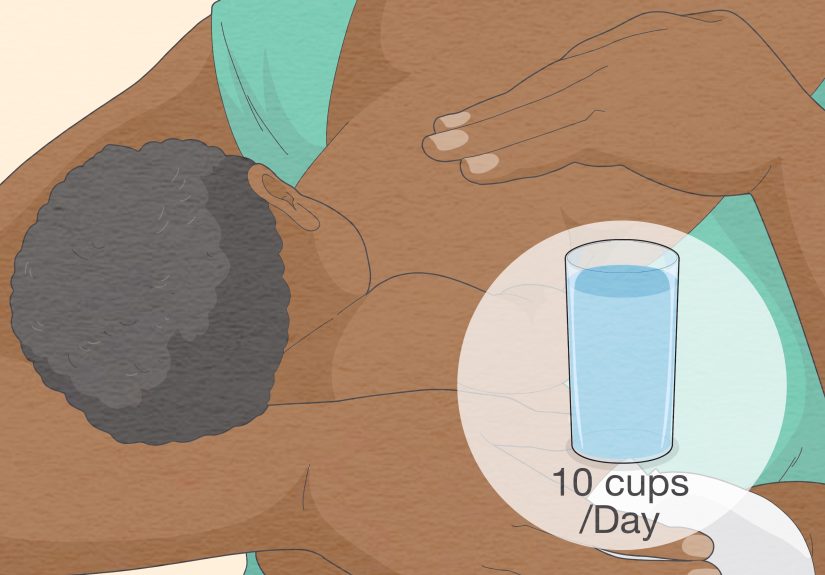
There is no single magic number of glasses that fits everyone. Some people need more fluids because they exercise, live in hot climates, sweat heavily, are pregnant or breastfeeding, work outdoors, have a fever, or lose fluids through vomiting or diarrhea. Others may need medical guidance if they have heart disease, kidney disease, or take certain medications that affect fluid balance. The best hydration plan is personal, flexible, and boring enough that you will actually follow it.
For many healthy adults, a useful starting point is to drink regularly throughout the day and use simple body cues. Pale yellow urine usually suggests you are doing fine. Dark yellow or amber urine can be a nudge to drink more. Thirst is also helpful, though not perfect; by the time you feel very thirsty, your body may already be asking loudly for backup. Think of hydration like charging your phone: it is easier to top up at 60 percent than wait until the screen goes dramatic at 2 percent.
1. Build a Simple Water Rhythm You Can Actually Keep
The first and most reliable way to stay hydrated is to make drinking water part of your daily rhythm. Not a giant heroic event. Not a punishment for eating fries. A rhythm. Small, repeated actions beat one enormous evening chug every time.
Start the Day With Water
After several hours of sleep, your body has gone a while without fluids. A glass of water in the morning is a simple reset. Keep a glass by the sink, put a bottle beside your coffee maker, or drink water while breakfast is happening. You do not need to perform a sunrise ritual on a cliff while holding a lemon. A regular glass in a regular kitchen counts.
If plain water feels too dull first thing in the morning, add a slice of lemon, cucumber, orange, or a few berries. The flavor does not need to turn your drink into a spa brochure; it just needs to make the first glass more inviting. Sparkling water can also work for many people, especially if it helps replace soda or overly sweet drinks.
Pair Water With Existing Habits
The easiest habit is the one attached to something you already do. Try drinking water when you brush your teeth, take vitamins, sit down at your desk, start homework, open your lunch, get in the car, or finish a meeting. Habit stacking works because it removes the biggest obstacle: remembering.
Here are a few low-effort examples. Drink a glass before each meal. Refill your bottle every time you use the bathroom. Take five sips before checking social media. Keep water next to your workspace and sip whenever a page loads, a file saves, or someone says, “Can you hear me?” on a video call.
A reusable water bottle helps because it makes water visible. Visibility matters. If your bottle is buried in a backpack, your hydration plan is basically a treasure hunt. Choose a bottle that fits your life: large enough that you are not refilling it every 11 minutes, but not so large that carrying it feels like transporting a small aquarium.
Drink Steadily, Not Dramatically
One common mistake is ignoring fluids all day and trying to catch up at night. This can leave you uncomfortable and may interrupt sleep with extra bathroom trips. A steadier approach is easier on the body and easier to maintain. Sip throughout the day, especially around meals and activity.
Another mistake is treating thirst like a moral failure. It is not. Thirst is information. If you feel thirsty, drink. If your mouth feels dry, drink. If your urine is darker than usual, drink. Your body is sending a memo, not filing a complaint with management.
2. Eat Your Water and Choose Better Drinks
Hydration is not only about what is in your glass. A meaningful portion of daily fluid intake can come from foods, especially fruits and vegetables. This is excellent news for anyone who has ever looked at a plain glass of water and thought, “Again? We just did this.”
Use Water-Rich Foods as Hydration Helpers
Watermelon, oranges, strawberries, cantaloupe, cucumbers, lettuce, tomatoes, celery, zucchini, soups, smoothies, and yogurt can all contribute fluid. They also bring nutrients such as vitamins, minerals, fiber, and antioxidants. That does not mean a cucumber replaces all your water needs, but it does mean meals can help you stay hydrated without turning your day into nonstop sipping.
A simple hydration-friendly breakfast might include oatmeal with berries and a glass of water. Lunch could be a turkey sandwich with tomato and lettuce, plus an orange. Dinner might include soup, salad, or roasted vegetables. Snacks can help too: grapes, apple slices, yogurt, melon cubes, or cucumber with hummus. Your body counts fluid from foods, even if your water bottle refuses to give them credit.
Make Water More Appealing Without Turning It Into Dessert
If you dislike plain water, you are not doomed. Flavor it gently. Add citrus slices, mint, cucumber, berries, ginger, or a splash of unsweetened juice. Herbal tea can be hydrating. Sparkling water can make the experience feel more interesting. The goal is not to create a beverage with a 12-step recipe. The goal is to make the healthier choice easy enough to repeat.
It is also smart to watch added sugar. Regular soda, sweet tea, energy drinks, and many fruit-flavored beverages can add a lot of calories and sugar without making you feel full. Replacing even one sugary drink a day with water can be a practical move for long-term health. You do not have to declare war on every fun beverage. Just let water be the default, and let sweet drinks be occasional guests instead of permanent roommates.
Understand Caffeine, Alcohol, and Sports Drinks
Coffee and tea can contribute to fluid intake for many people, but relying only on caffeinated drinks is not ideal. Too much caffeine can cause jitters, sleep disruption, or stomach discomfort for some people. Alcohol is a different story; it can increase fluid loss and is not a hydration strategy. Calling margaritas “lime-infused electrolyte therapy” will not make it medically persuasive, no matter how confident the glass looks.
Sports drinks and electrolyte beverages are useful in specific situations: long workouts, intense exercise, heavy sweating, very hot weather, or fluid loss from illness. For everyday hydration, most people do not need a neon-colored drink with a label that sounds like it was named by a superhero. Water is usually enough. If you do need electrolytes, choose wisely and check sugar and sodium content, especially if you have medical conditions that require monitoring those nutrients.
3. Adjust Hydration for Heat, Exercise, Travel, and Busy Days
Your hydration needs are not fixed. They change with your environment, activity level, health, and schedule. The third way to stay hydrated is to adjust before dehydration sneaks up wearing sunglasses and a smug grin.
Hydrate Before, During, and After Exercise
When you exercise, your body loses fluid through sweat. The more intense the workout and the hotter the environment, the more fluid you may lose. A practical strategy is to drink water before exercise, sip during longer sessions, and rehydrate afterward. Waiting until you are extremely thirsty after a workout can make recovery feel harder than necessary.
For short, moderate workouts, water is usually enough. For exercise lasting longer than an hour, high-intensity activity, outdoor sports, or workouts in very hot weather, electrolytes may help replace minerals lost through sweat. After activity, pay attention to how you feel. Headache, dizziness, muscle cramps, unusual fatigue, or very dark urine may be signs that you need fluids and possibly electrolytes.
Plan Ahead for Hot Weather
Hot and humid weather increases sweat loss, even if you are not doing a formal workout. Yard work, hiking, walking the dog, waiting at outdoor events, or spending the day at a theme park can all raise fluid needs. Drink before going out, bring water with you, and take shade breaks when possible.
Children, older adults, outdoor workers, athletes, and people with certain health conditions may be more vulnerable to dehydration and heat-related illness. If someone develops confusion, fainting, severe weakness, a rapid heartbeat, or symptoms of heat illness, that is not a “drink a cute bottle of water and carry on” moment. It is time to seek medical help.
Prepare for Travel and Busy Schedules
Travel disrupts hydration because routines disappear. Airports, road trips, long classes, meetings, and packed workdays can turn water into an afterthought. Bring a refillable bottle when possible. Drink water with meals. Refill during breaks. If you are flying, remember that airplane cabins can feel dry, and it is easy to drink less because you do not want to climb over two strangers to reach the aisle. Still, your body appreciates the effort.
Busy days require friction-free hydration. Put water where you will see it: desk, nightstand, car cup holder, gym bag, kitchen counter. Set a quiet reminder if needed. Use a bottle with measurement marks if you enjoy tracking, or skip tracking if it makes hydration feel like taxes. The best method is the one you can repeat without needing a motivational speech.
Common Hydration Mistakes to Avoid
Mistake 1: Waiting Until You Feel Awful
If you wait until you have a headache, dry mouth, and the personality of a wilted houseplant, you waited too long. Use small cues earlier in the day: thirst, dry lips, darker urine, low energy, or trouble focusing.
Mistake 2: Chugging Huge Amounts at Once
More is not always better. Drinking excessive water too quickly can be uncomfortable and, in rare cases, dangerous because it may dilute sodium levels in the blood. Hydration is about balance. Sip steadily and adjust based on activity, weather, and body cues.
Mistake 3: Forgetting That Food Counts
People often overlook water-rich foods. Fruits, vegetables, soups, and yogurt can support hydration while also improving overall diet quality. A plate with colorful produce is not only pretty enough for a food photo; it is also doing useful hydration work in the background.
Mistake 4: Treating Electrolytes Like Magic Dust
Electrolytes are important minerals, but not every normal Tuesday requires a sports drink. Use them when they make sense: prolonged exercise, heavy sweating, hot weather, or fluid loss from illness. For regular daily sipping, plain water is usually the champion.
How to Know If You Are Hydrated Enough
You do not need a lab coat to monitor hydration. Use simple signs. Are you thirsty all the time? Is your urine often dark yellow? Do you frequently feel lightheaded after standing? Are headaches common on days you barely drink? Are you constipated when your fluid intake drops? These clues can help you adjust.
Aim for urine that is pale yellow most of the time. Very clear urine all day may mean you are drinking more than you need, while consistently dark urine may mean you need more fluids. Certain vitamins, foods, and medications can change urine color, so do not panic over every shade. But as a general daily cue, color can be useful.
Also pay attention to context. A person sitting in an air-conditioned office may need less than someone landscaping in July. A gentle 20-minute walk is different from a two-hour soccer practice. Hydration is not a fixed rule carved into a water bottle. It is a flexible habit that should respond to the day you are actually living.
Experience Section: Real-Life Lessons From Trying to Stay Hydrated
The funniest thing about hydration is that most people already know it matters, but real life keeps interrupting the plan. I have seen this pattern in almost every daily routine: people start with good intentions, buy a nice bottle, fill it with icy water, place it nearby, and then somehow spend six hours ignoring it like it owes them money. By late afternoon, they feel tired, snacky, unfocused, and slightly annoyed at everyone’s breathing. Then they drink water and suddenly remember they are a mammal, not a dried fruit.
One practical experience that works well is creating “hydration anchors.” These are moments that happen every day no matter what. Breakfast is an anchor. Lunch is an anchor. Brushing your teeth is an anchor. Getting in the car is an anchor. Instead of trying to remember water randomly, attach it to those anchors. A glass after brushing your teeth. A refill before leaving the house. Water before coffee. Water with lunch. Water after exercise. This method works because it does not rely on heroic memory, which tends to disappear the moment life becomes mildly chaotic.
Another lesson: the bottle matters more than people think. A bottle that leaks, tastes metallic, is annoying to clean, or does not fit in a cup holder will slowly become kitchen clutter. The best water bottle is not the trendiest one. It is the one you actually use. For some people, that means a straw lid because sipping is easier. For others, it means a lightweight bottle because carrying a giant jug feels ridiculous. Some people need measurement marks; others hate being bossed around by numbers printed on plastic. Personal preference is not shallow here. It is the difference between a habit and a failed accessory.
Flavor also matters. People sometimes force themselves to drink plain water even when they hate it, then wonder why the habit collapses by Wednesday. Add lemon. Add mint. Add frozen berries. Drink unsweetened iced tea. Try sparkling water. Use a splash of juice. Hydration does not have to be joyless. It just needs to avoid turning every drink into a sugar parade with bubbles.
Exercise teaches another lesson quickly: water after the workout is not enough if you started dehydrated. Going into a run, practice, gym session, or long walk already low on fluids can make the whole thing feel harder. A better approach is to drink earlier in the day, sip during longer activity, and rehydrate afterward. On hot days, add extra caution. Sweat is not just dramatic body glitter; it is fluid leaving your system.
Travel is where hydration habits go to be tested. Road trips, airports, hotels, and busy schedules can make people drink less simply because water is inconvenient. The solution is to make it visible and available. Bring a bottle. Refill whenever you see a fountain. Drink water when you stop for meals. Pack water-rich snacks like fruit. The small steps are boring, but they work. And honestly, boring habits are underrated. They are the quiet little systems that keep you from turning into a headache with shoes.
The biggest lesson is this: hydration should feel normal, not extreme. You do not need to obsess over every ounce. You do not need to copy someone else’s routine. You just need consistent signals throughout the day that your body has enough fluid to do its job. Start with water in the morning, keep it nearby, eat hydrating foods, adjust for sweat and heat, and listen to your body. That is the whole glamorous secret. No magic. No drama. Just a steady habit that helps you feel more like yourself.
Conclusion: Hydration Is a Small Habit With Big Payoff
Staying hydrated is not complicated, but it does require attention. The three best ways to stay hydrated are simple: build a water rhythm, eat and drink smarter fluid sources, and adjust your intake when heat, exercise, travel, or illness increases your needs. When these habits become part of your day, hydration stops feeling like a chore and starts feeling like basic maintenancelike charging your phone, brushing your teeth, or pretending you did not see the laundry pile.
Water should usually be your first choice, but it is not the only contributor. Fruits, vegetables, soups, tea, and other fluids can help. Electrolytes have a role, especially during long workouts or heavy sweating, but everyday hydration usually begins with plain water and consistent habits. Pay attention to thirst, energy, urine color, weather, and activity level. Your body is giving you clues all day. Hydration is simply the art of listening before those clues become complaints.





 Close
Close