Table of Contents >> Show >> Hide
- What Is Turmeric Powder?
- Way 1: Drink Turmeric Powder in Golden Milk, Tea, or Smoothies
- Way 2: Cook Turmeric Powder Into Everyday Meals
- Way 3: Take Turmeric Powder as a Capsule or Supplement
- How Much Turmeric Powder Should You Use?
- Tips to Make Turmeric Taste Better
- Common Mistakes When Taking Turmeric Powder
- of Real-Life Experience: What It Is Actually Like to Use Turmeric Powder
- Conclusion
Turmeric powder is the golden overachiever of the spice cabinet. It stains cutting boards, brightens soups, turns milk into something that looks like sunshine, and has somehow convinced wellness shelves, curry pots, and smoothie blenders to share the same fan club. But once you own a jar, the real question appears: what exactly should you do with it?
The good news is that turmeric powder is wonderfully flexible. You can sip it, cook with it, or take it as part of a supplement routine. The not-so-glamorous but important news is that turmeric is not magic fairy dust. Its best-known compound, curcumin, is being studied for antioxidant and anti-inflammatory properties, but food-first use is generally the most practical and safest approach for everyday routines. Supplements, especially high-dose curcumin products, deserve more caution because they can cause side effects and may interact with medications.
This guide explains three realistic ways to take turmeric powder, how to improve its absorption, what it tastes like, and how to use it without making your kitchen look like a yellow highlighter exploded.
What Is Turmeric Powder?
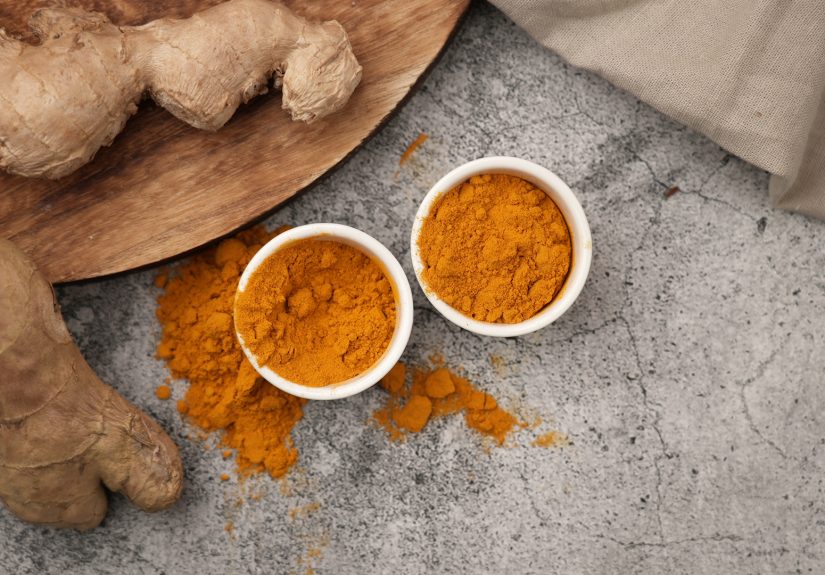
Turmeric powder comes from the dried and ground rhizome of the Curcuma longa plant, a member of the ginger family. In the kitchen, it is famous for its earthy, slightly bitter, peppery flavor and brilliant golden color. In health conversations, turmeric is mostly discussed because it contains curcumin, a plant compound linked with antioxidant and anti-inflammatory activity.
However, curcumin is not absorbed especially well on its own. That is why turmeric is often paired with black pepper, which contains piperine, and with dietary fat such as olive oil, coconut milk, avocado, yogurt, or nuts. This does not mean every turmeric recipe must become a chemistry lab. It simply means your turmeric latte, curry, or roasted vegetable bowl may work better as a whole-food pairing than a lonely spoonful of dry powder chased with regret.
Way 1: Drink Turmeric Powder in Golden Milk, Tea, or Smoothies
One of the easiest ways to take turmeric powder is to mix it into a drink. This is especially helpful if you want turmeric in a routine that feels comforting rather than medicinal. Golden milk, turmeric tea, and smoothies are the big three here.
Golden Milk: The Cozy Classic
Golden milk, often inspired by traditional turmeric milk preparations, combines turmeric with warm milk or a milk alternative. It is creamy, gently spiced, and perfect for evenings when your brain says “snack” but your body says “please do not send another bag of chips.”
A simple golden milk formula looks like this:
- 1 cup milk, oat milk, almond milk, or coconut milk
- 1/2 teaspoon turmeric powder
- 1/4 teaspoon cinnamon
- A tiny pinch of black pepper
- 1 teaspoon honey or maple syrup, optional
- A small slice of fresh ginger or a pinch of ginger powder, optional
Warm everything in a small saucepan over low heat for several minutes. Whisk well so the turmeric does not clump at the bottom like golden pond sediment. If you use coconut milk or dairy milk, the fat may help support curcumin absorption. If you use a lower-fat milk, consider pairing the drink with a snack that contains healthy fat, such as nuts or toast with peanut butter.
Turmeric Tea: Light, Bright, and Fast
Turmeric tea is a lighter option. Mix 1/4 to 1/2 teaspoon turmeric powder into hot water with lemon, ginger, and a little honey. Add a small pinch of black pepper if you like the flavor. The pepper should be subtle; this is tea, not a dare.
Because turmeric powder does not dissolve completely in water, stir before each sip. A tea infuser will not help much with powder, but a small whisk or milk frother can make the texture smoother.
Turmeric Smoothies: The “Hide It in Fruit” Method
Smoothies are excellent for people who find turmeric’s flavor too strong. Mango, banana, pineapple, orange, and peach all pair well with turmeric because their sweetness balances its earthy edge.
Try this quick smoothie idea:
- 1 banana
- 1/2 cup frozen mango
- 3/4 cup Greek yogurt or plant-based yogurt
- 1/4 teaspoon turmeric powder
- A pinch of black pepper
- 1 tablespoon almond butter or chia seeds
The fruit keeps things cheerful, the yogurt adds creaminess, and the almond butter or chia seeds add fat. The result tastes like a tropical smoothie that took a wellness class but did not make it weird.
Way 2: Cook Turmeric Powder Into Everyday Meals
Cooking with turmeric powder is the most natural way to use it. Turmeric has been used in food for centuries, and adding it to meals is usually easier to stick with than forcing yourself into a supplement routine you secretly dislike.
Add Turmeric to Rice, Soups, and Stews
Turmeric works beautifully in rice dishes. Add 1/4 to 1/2 teaspoon to the cooking water for rice, quinoa, or couscous. You can also add garlic, onion powder, a little olive oil, and a pinch of salt. The grains will turn golden and look far more exciting than they have any right to look on a Tuesday.
Soups and stews are also turmeric-friendly. Lentil soup, chicken soup, vegetable soup, chickpea stew, and bean chili can all handle a small spoonful. Start with 1/2 teaspoon for a pot and adjust from there. Turmeric is bold; it does not need to arrive wearing tap shoes.
Use Turmeric in Roasted Vegetables
Roasted vegetables are one of the best places to use turmeric powder because oil helps distribute the spice and supports absorption. Toss cauliflower, carrots, sweet potatoes, chickpeas, or potatoes with olive oil, turmeric, black pepper, garlic powder, and a little salt. Roast until browned at the edges.
A simple roasted cauliflower mix:
- 1 head cauliflower, cut into florets
- 1 tablespoon olive oil
- 1/2 teaspoon turmeric powder
- 1/4 teaspoon garlic powder
- Black pepper and salt to taste
Roast at 425°F until tender and lightly crisp. Serve with yogurt sauce, tahini, or lemon. This is the kind of side dish that makes vegetables feel less like homework.
Blend Turmeric Into Sauces, Dressings, and Marinades
Turmeric powder can add color and depth to sauces. Stir a small amount into salad dressing with olive oil, lemon juice, mustard, and honey. Add it to yogurt sauce with garlic and cucumber. Mix it into a marinade for chicken, fish, tofu, or vegetables.
For a quick turmeric dressing, whisk together:
- 3 tablespoons olive oil
- 1 tablespoon lemon juice
- 1 teaspoon honey
- 1/4 teaspoon turmeric powder
- 1/2 teaspoon Dijon mustard
- Black pepper and salt
This works on grain bowls, roasted vegetables, grilled chicken, chickpeas, and leafy salads. It also makes leftovers look intentional, which is one of the great victories of home cooking.
Way 3: Take Turmeric Powder as a Capsule or Supplement
The third way to take turmeric powder is through capsules, tablets, or curcumin supplements. This method is convenient, but it requires the most caution. Turmeric as a spice in food is not the same thing as concentrated curcumin extract in a supplement bottle.
Many turmeric supplements contain curcumin in much higher concentrations than ordinary turmeric powder. Some products also include black pepper extract, often labeled as piperine or BioPerine, to increase absorption. That may sound useful, but better absorption can also mean a stronger effect in the body. For people taking medications or managing health conditions, that matters.
When Supplements May Be Considered
Some adults consider turmeric or curcumin supplements for joint comfort, general inflammation support, or wellness routines. Research is still developing, and turmeric should not be treated as a cure for disease. If someone wants to use turmeric supplements for a specific health goal, it is best to talk with a doctor, pharmacist, or registered dietitian first.
This is especially important for people who take blood thinners, diabetes medication, stomach acid reducers, chemotherapy drugs, or other regular prescriptions. People with gallbladder issues, liver concerns, upcoming surgery, pregnancy, or breastfeeding should also be cautious and seek professional guidance before using concentrated turmeric or curcumin products.
How to Choose a Turmeric Supplement More Carefully
In the United States, dietary supplements are regulated differently from prescription and over-the-counter medicines. Manufacturers are responsible for making sure their products are safe and properly labeled before sale, but supplements generally do not go through the same FDA approval process as drugs.
When comparing turmeric supplements, look for clear labeling, reasonable serving sizes, and third-party testing from organizations such as USP, NSF, or ConsumerLab when available. Avoid products that promise to cure diseases, “detox” organs overnight, or deliver miracle results by Friday. Your liver does not need marketing drama.
How Much Turmeric Powder Should You Use?
For cooking and drinks, many recipes use 1/4 to 1 teaspoon of turmeric powder per serving or per dish, depending on the recipe and taste preference. Beginners should start small because turmeric’s flavor can be intense. Too much can make a drink bitter or a soup taste like it lost a wrestling match with a spice cabinet.
There is no single perfect amount for everyone. Food use is different from supplement use, and tolerance varies. If turmeric causes stomach upset, reflux, nausea, or other discomfort, reduce the amount or stop using it. More is not automatically better; sometimes more is just more yellow.
Tips to Make Turmeric Taste Better
Pair It With Warm Spices
Cinnamon, ginger, cardamom, cumin, coriander, and paprika all get along well with turmeric. These spices soften turmeric’s bitterness and make it taste like part of a recipe instead of a health assignment.
Add a Little Fat
Curcumin is better absorbed when turmeric is eaten with fat. Olive oil, coconut milk, dairy milk, avocado, eggs, nuts, seeds, and yogurt can all help create a better pairing. This is one reason turmeric works so well in curries, roasted vegetables, and creamy drinks.
Use Black Pepper Wisely
Black pepper contains piperine, which can help the body absorb curcumin. A tiny pinch is enough for drinks. In savory foods, you can use more according to taste. Do not overdo it unless you enjoy beverages that taste like they are arguing with you.
Protect Your Countertops
Turmeric stains. Use a spoon, wipe spills quickly, and avoid wearing your favorite white hoodie while making golden milk. Turmeric is delicious, but it has the fashion sensitivity of a permanent marker.
Common Mistakes When Taking Turmeric Powder
Mistake 1: Taking It Dry by the Spoonful
Technically, a person can swallow turmeric powder, but it is not pleasant and may irritate the throat or stomach. Mixing turmeric into food or drinks is easier, tastier, and less likely to make you question your life choices.
Mistake 2: Expecting Instant Results
Turmeric is a food ingredient, not a superhero in powder form. It may support a balanced diet, but it cannot replace sleep, movement, medical care, or actual vegetables. A turmeric latte after three hours of sleep is still mostly a latte with a concerned expression.
Mistake 3: Ignoring Medication Interactions
High-dose turmeric or curcumin supplements can interact with certain medications or health conditions. Anyone using regular medication should ask a qualified health professional before starting supplements. Food amounts used in cooking are usually less concerning, but supplement-level intake is a different story.
of Real-Life Experience: What It Is Actually Like to Use Turmeric Powder
The first thing most people learn about turmeric powder is not about curcumin, inflammation, or antioxidants. It is this: turmeric behaves like glitter with a medical degree. Open the jar too quickly and suddenly your spoon, fingers, counter, and possibly your dog’s emotional support blanket are lightly golden. That said, once you respect its staining power, turmeric becomes one of the easiest spices to use regularly.
In everyday cooking, the best experience usually starts small. A quarter teaspoon in scrambled eggs gives them a deeper color and a subtle earthy flavor. Half a teaspoon in rice makes the whole pot look restaurant-level with almost no effort. Add turmeric to roasted potatoes with olive oil, black pepper, garlic, and paprika, and suddenly the side dish has main-character energy. The trick is not to dump it in like confetti. Turmeric is strong, and too much can make food taste dusty or bitter.
Golden milk is often the most enjoyable beginner method because it turns turmeric into something cozy. The first cup may surprise you. It does not taste like hot chocolate, and it should not be expected to. It is more like warm spiced milk with an earthy backbone. Cinnamon and honey help. Ginger makes it brighter. Coconut milk makes it richer. A pinch of black pepper sounds strange, but in a tiny amount it disappears into the background while still doing its useful job.
Turmeric smoothies are great for people who want the benefits of habit without the taste taking over. Mango is the MVP here. Banana adds body, pineapple adds brightness, and yogurt makes everything smooth. With fruit involved, turmeric becomes subtle. Without fruit, it may taste like someone blended a spice drawer with optimism.
Cooking with turmeric also teaches patience. If you add it directly to liquid, it may clump. If you stir it into oil first, even for 20 to 30 seconds, it spreads more evenly and tastes rounder. This works especially well for soups, curry-style dishes, lentils, and sautéed vegetables. The oil helps carry the flavor, and the color blooms beautifully.
Another practical lesson: turmeric is better as part of a routine than as a dramatic health project. A little in dinner a few times a week is easier to maintain than an intense supplement plan that requires alarms, measuring, and a personality change. Food habits win because they are simple. Add turmeric to meals you already enjoy instead of forcing it into recipes you would never eat otherwise.
Finally, turmeric works best when treated with realistic expectations. It can make food more flavorful, colorful, and interesting. It can fit into a balanced eating pattern. It may offer helpful plant compounds. But it is not a cure-all, and it should not be used as a replacement for medical care. Think of turmeric powder as a bright, useful kitchen teammate: talented, affordable, slightly messy, and very likely to stain the bench if left unsupervised.
Conclusion
There are three practical ways to take turmeric powder: drink it in golden milk, tea, or smoothies; cook it into everyday meals; or use it in capsule or supplement form with proper caution. For most people, adding turmeric to food and drinks is the easiest and most enjoyable approach. It brings color, warmth, and earthy flavor to meals while fitting naturally into a balanced diet.
The smartest turmeric routine is simple: start with small amounts, pair it with black pepper and healthy fats when possible, and be careful with supplements. Turmeric may be golden, but common sense is still the real superfood.