Table of Contents >> Show >> Hide
Folliculitis sounds like the kind of word that should come with a microscope, a lab coat, and someone saying, “Interesting specimen.” In real life, it usually looks much less dramatic: small red bumps, white-tipped pimples, itchy patches, tender spots, or irritated hair follicles that suddenly decide to throw a tiny skin rebellion.
The good news? Many mild cases of folliculitis improve with simple at-home care, smart hygiene, and a few habit changes. The less fun news? Folliculitis is not one single thing. It can be triggered by bacteria, yeast, friction, shaving, sweat, tight clothing, hot tubs, blocked follicles, or irritated skin. That means the best folliculitis treatment depends on what is actually causing those angry little bumps.
This guide explains 3 ways to treat folliculitis: calming mild flare-ups at home, using the right medical or over-the-counter approach, and preventing future outbreaks. Think of it as a friendly skin-care roadmapminus the panic, minus the guesswork, and definitely minus the “I’ll just squeeze it” strategy. Please do not squeeze it. Your follicles have suffered enough.
What Is Folliculitis?
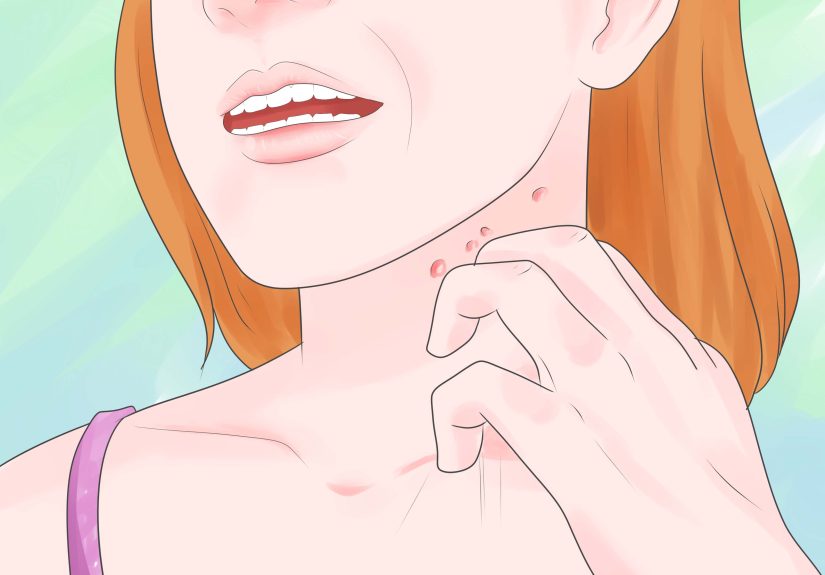
Folliculitis is inflammation of the hair folliclesthe tiny openings in your skin where hair grows. It can happen anywhere you have hair, including the face, scalp, chest, back, arms, thighs, buttocks, groin area, and legs. It often appears as small red bumps, pus-filled bumps, itchy clusters, burning tenderness, or a rash that resembles acne.
Folliculitis is commonly linked to Staphylococcus aureus bacteria, but it can also be caused by yeast, fungi, viruses, parasites, chemical irritation, or physical friction. “Hot tub folliculitis,” for example, is often associated with Pseudomonas aeruginosa, a bacterium that can grow in poorly maintained warm water. Yeast-related folliculitis, sometimes called Malassezia or pityrosporum folliculitis, may appear as itchy, acne-like bumps on the chest, back, shoulders, or upper arms.
Because folliculitis can mimic acne, ingrown hairs, keratosis pilaris, heat rash, or even certain infections, persistent or worsening cases should be checked by a healthcare professional or dermatologist.
Way 1: Calm Mild Folliculitis at Home
If the bumps are mild, limited to a small area, and you do not have fever, severe pain, spreading redness, or swelling, home care may be enough. The goal is simple: reduce irritation, support healing, and avoid making the follicles angrier than they already are.
Use Warm Compresses
A warm, moist compress can help soothe tenderness and encourage mild drainage without squeezing. Wet a clean washcloth with warm water, wring it out, and apply it to the affected area for about 10 to 15 minutes. You can repeat this a few times a day.
Warm compresses are especially helpful when folliculitis feels sore or when bumps are irritated from shaving, friction, or sweat. Use a clean cloth each time, and wash towels after use. Skin infections are not a group project; do not share washcloths or towels.
Clean the Area Gently
Wash the affected skin with mild soap and lukewarm water. Harsh scrubbing can worsen inflammation, so treat your skin like a delicate houseplant, not a dirty frying pan. After washing, pat the area dry with a clean towel.
For some people, an antibacterial cleanser may help reduce bacteria on the skin. However, stronger is not always better. Overusing harsh cleansers can dry out the skin and create more irritation. If you have sensitive skin, start gently and avoid heavily fragranced products.
Stop Shaving the Area Temporarily
Shaving over folliculitis is like mowing a lawn during a thunderstorm: technically possible, but a terrible idea. Shaving can nick the skin, spread bacteria, worsen ingrown hairs, and prolong inflammation. If the flare-up is on your beard area, legs, underarms, or bikini line, pause shaving until the bumps settle.
When you resume shaving, use a clean, sharp razor, shaving cream or gel, and shave in the direction of hair growth. Avoid stretching the skin tightly, and do not share razors. Electric trimmers may be less irritating for people who repeatedly develop shaving-related folliculitis.
Avoid Picking or Popping
This deserves its own spotlight because many folliculitis flare-ups become worse after someone decides to “help” the bump. Picking, popping, or digging at follicles can push inflammation deeper, spread infection, delay healing, and increase the risk of scarring or dark marks.
If a bump becomes large, very painful, or boil-like, do not try to drain it at home. A clinician can decide whether it needs prescription treatment or safe drainage.
Way 2: Use the Right Treatment for the Cause
Folliculitis treatment is not one-size-fits-all. Bacterial folliculitis, fungal folliculitis, hot tub folliculitis, and irritation-related folliculitis can look similar but respond to different approaches. Using the wrong treatment may do very littleor make the situation more annoying.
For Mild Bacterial Folliculitis
Mild bacterial folliculitis may improve with warm compresses and gentle cleansing. In some cases, a healthcare provider may recommend or prescribe a topical antibiotic such as mupirocin or clindamycin. Oral antibiotics are not usually needed for small, mild cases, but they may be considered when folliculitis is widespread, severe, recurrent, or not improving.
See a healthcare professional if the area becomes increasingly red, warm, swollen, painful, or starts spreading. Also seek care if you develop fever, if the bumps are near the eyes, or if you have a weakened immune system.
For Fungal or Yeast-Related Folliculitis
Yeast-related folliculitis can be sneaky. It may look like acne, but typical acne treatments do not always help. In fact, antibiotics can sometimes make yeast-related folliculitis worse by disrupting the skin’s natural balance.
Fungal folliculitis may require antifungal creams, washes, shampoos, or oral medication prescribed by a clinician. It is more likely when bumps are very itchy, appear in uniform clusters, and show up on sweaty areas such as the chest, back, shoulders, or upper arms.
Helpful habits include showering after sweating, wearing breathable clothing, avoiding greasy lotions or heavy sunscreens on affected areas, and changing out of damp workout clothes quickly. Your skin is not a slow cooker; it does not enjoy staying warm, moist, and covered all day.
For Hot Tub Folliculitis
Hot tub folliculitis often appears after exposure to contaminated hot tubs, pools, or warm water environments. It may cause itchy red bumps, especially under areas covered by a swimsuit. Many mild cases improve on their own, but persistent, severe, or widespread symptoms should be evaluated.
To reduce risk, shower with soap after using a hot tub or pool, remove and wash your swimsuit, and avoid sitting around in damp swimwear. Well-maintained water matters, too. Hot tubs should have proper disinfectant levels and pH balance.
For Itch and Discomfort
Anti-itch creams, cool compresses, and loose clothing may help reduce discomfort. Avoid heavy ointments unless directed by a clinician, because greasy products can trap heat and block follicles. If itching is severe or sleep-disrupting, ask a pharmacist or healthcare provider what is safe for your situation.
When to See a Doctor
Get medical advice if folliculitis does not improve after several days of home care, keeps coming back, spreads quickly, becomes very painful, or forms large boils. You should also seek care if you have fever, red streaking, swelling, immune system problems, diabetes, or folliculitis on sensitive areas such as the face or near the eyes.
A clinician may examine your skin, ask about shaving, sweating, hot tub exposure, medications, and skin-care products, or take a sample for culture if the case is severe or recurrent. This helps identify whether bacteria, yeast, or another cause is involved.
Way 3: Prevent Folliculitis From Coming Back
Treating folliculitis is step one. Preventing repeat flare-ups is where the real victory dance happens. Many people get recurrent folliculitis because the same triggers keep showing up: friction, sweat, shaving irritation, tight clothing, contaminated water, or heavy products.
Shower After Sweating
Sweat itself is not evil. It is just enthusiastic. But when sweat mixes with tight clothing, bacteria, oils, and friction, follicles can become irritated. Shower after workouts, hot weather, or long sweaty days. If you cannot shower immediately, change into dry, breathable clothes as soon as possible.
Wear Loose, Breathable Clothing
Tight clothing can rub against the skin and trap sweat. This is common with leggings, compression shorts, tight collars, athletic gear, helmets, and backpacks. Choose breathable fabrics when possible, and wash workout clothes after each use.
Improve Shaving Habits
For shaving-related folliculitis, technique matters. Use a clean razor, soften the skin with warm water, apply shaving gel, shave in the direction of hair growth, and rinse the blade often. Replace dull blades because dull razors drag across the skin like they have a personal grudge.
If you repeatedly get bumps after shaving, consider trimming instead of close shaving. Some people benefit from laser hair removal, especially when recurring ingrown hairs and folliculitis are a major problem. A dermatologist can help decide whether that option makes sense.
Choose Skin Products Carefully
Heavy oils, thick creams, greasy sunscreens, and occlusive products can clog follicles in some people. Look for non-comedogenic or oil-free products if you are prone to folliculitis, especially on the chest, back, shoulders, or face.
That does not mean your skin needs to live in a desert. Moisturizing can still be helpful, especially if your skin barrier is dry or irritated. The trick is choosing lightweight products that do not feel like you coated yourself in frosting.
Be Careful With Shared Water Spaces
If you use hot tubs, pools, or spas, choose facilities that appear clean and well maintained. Shower afterward, wash swimwear, and avoid staying in wet bathing suits. If several people develop a rash after using the same hot tub, that is a clue worth taking seriously.
Common Mistakes That Make Folliculitis Worse
Mistake 1: Treating Every Bump Like Acne
Folliculitis can look like acne, but it is not always acne. Benzoyl peroxide washes may help some bacteria-related cases, but they may irritate sensitive skin. Acne spot treatments may not help yeast-related folliculitis. If “acne” treatments are not working, it may be time to rethink the diagnosis.
Mistake 2: Using Antibiotic Cream Again and Again Without Guidance
Overusing topical antibiotics can irritate skin and may contribute to resistance. If folliculitis keeps returning, the answer is not always more antibiotic cream. The better approach is identifying the trigger and cause.
Mistake 3: Ignoring Recurrent Flare-Ups
Recurring folliculitis may be linked to shaving technique, sports gear, workplace exposure, skin conditions, bacterial colonization, yeast overgrowth, or immune-related factors. A dermatologist can help create a plan instead of leaving you trapped in the cycle of “bump, panic, wash, repeat.”
Experience-Based Tips: What Folliculitis Teaches You in Real Life
Anyone who has dealt with folliculitis knows it is more than a medical definition. It is the tiny bump that shows up before a beach day, the itchy patch that appears after a sweaty workout, or the suspicious breakout that makes you wonder whether your skin has started a secret group chat without you.
One common experience is realizing that timing matters. Many people notice flare-ups after shaving too closely, wearing tight gym clothes, sitting in damp swimwear, or skipping a shower after heavy sweating. The pattern may not be obvious at first. You might think, “Why does this keep happening?” Then one day you connect the dots: every flare-up follows the same razor, the same workout leggings, the same heavy body lotion, or the same hot tub weekend.
Another useful lesson is that gentle care often beats aggressive care. When bumps appear, the instinct is to scrub harder, apply stronger products, or attack the area with every bottle in the bathroom cabinet. But inflamed follicles do not usually appreciate a chemical parade. Many people do better when they simplify: mild cleanser, clean towel, warm compress, loose clothing, and no picking.
Shaving habits can be a major turning point. Someone with beard-area folliculitis may improve after switching from a close blade shave to a guarded electric trimmer. Someone with leg folliculitis may notice fewer bumps after changing razors more often, shaving with the grain, and avoiding dry shaving. The goal is not “perfectly smooth at any cost.” The goal is skin that does not file a formal complaint every morning.
Workout routines also matter. Folliculitis loves friction and trapped sweat. A practical routine might look like this: wear breathable clothing, shower after exercise, change out of sweaty gear quickly, and wash gym clothes before wearing them again. It sounds basic, but basic is often powerful. Your skin does not need a luxury spa day after every workout; it just needs not to marinate in sweat under tight fabric.
People with recurring chest or back bumps sometimes discover that the problem is not ordinary acne. If bumps are itchy, uniform, and worse after sweating, yeast-related folliculitis may be part of the picture. That is when a clinician’s opinion becomes especially helpful, because the right treatment can be very different from standard acne care.
The biggest experience-based tip is to keep notes for a couple of weeks. Write down when flare-ups happen, where they appear, what products you used, whether you shaved, whether you exercised, and whether you used a pool or hot tub. Patterns can turn a confusing skin problem into a manageable one.
Finally, remember that folliculitis is common and treatable. It can be annoying, itchy, and awkward, but it is not a personal failure or proof that you are “dirty.” Skin is complicated. Hair follicles are tiny drama queens. With the right care, most mild cases calm down, and recurrent cases can often be controlled once the trigger is found.
Conclusion
Folliculitis treatment starts with understanding the cause. Mild cases may improve with warm compresses, gentle cleansing, avoiding shaving, and reducing friction. Bacterial folliculitis may need topical or oral antibiotics in certain cases, while fungal folliculitis requires antifungal care. Prevention depends on smart habits: shower after sweating, wear breathable clothes, shave carefully, avoid picking, and be cautious with hot tubs and heavy skin products.
If folliculitis spreads, becomes painful, keeps returning, or does not improve with basic care, see a healthcare professional. The right diagnosis can save time, discomfort, and a lot of unnecessary bathroom-counter experiments.