
Table of Contents >> Show >> Hide
- What Is a Lariat Necklace?
- Way 1: Wear It as a Classic Front Y-Necklace
- Way 2: Layer It with Other Necklaces
- Way 3: Wear It Backward or Wrapped Like a Scarf
- How to Choose the Right Lariat Necklace for Your Style
- Common Mistakes to Avoid When Wearing a Lariat Necklace
- Personal Styling Experiences: What Actually Works in Real Life
- Conclusion
A lariat necklace is the jewelry version of a stylish best friend: flexible, flattering, and somehow able to rescue an outfit that was two minutes away from looking “fine, I guess.” Unlike a traditional necklace with a fixed clasp and pendant, a lariat usually features an open-ended, adjustable, looped, tied, or sliding design. That means it can create a clean Y-shape, a dramatic drop, a layered look, or even a back necklace moment when your outfit calls for a little extra sparkle.
The beauty of a lariat necklace is that it does not ask you to commit to one personality. One day it is delicate and minimalist with a white button-down. The next day it is dramatic with a black dress. By the weekend, it is layered with two other chains, pretending it has always been part of a carefully curated jewelry stack. Very convincing. Ten out of ten performance.
Whether your lariat necklace is gold, silver, pearl, diamond, beaded, leather, or a simple chain, the key is knowing how to style its length, drop, and movement. Below are three wearable, practical, and fashion-friendly ways to wear a lariat necklace without looking like you got tangled in your jewelry box and decided to call it “editorial.”
What Is a Lariat Necklace?
A lariat necklace is a long necklace style that typically does not rely on a standard pendant-and-clasp structure. Instead, it may be tied, looped, threaded, hooked, or adjusted to create a vertical drop. Many lariat necklaces form a Y-shape, which naturally draws the eye downward and can make the neckline look longer and more elegant.
Some lariats are completely open-ended, while others include a sliding bead, ring, bar, charm, pearl, gemstone, or small clasp mechanism to keep the necklace in place. Modern lariat necklaces come in many styles, from dainty everyday chains to bold statement pieces with tassels, pearls, diamonds, or sculptural metal ends.
The main reason people love lariat necklaces is versatility. One piece can work with a V-neck sweater, a silk blouse, a strapless dress, a blazer, a turtleneck, or even an open-back outfit. It is basically the Swiss Army knife of necklaces, except prettier and much less likely to confuse airport security.
Way 1: Wear It as a Classic Front Y-Necklace
The most popular way to wear a lariat necklace is in the classic front Y-shape. This style lets the necklace drop vertically from the collarbone toward the chest, creating a long, elegant line. It is simple, flattering, and easy to style with many necklines.
How to Style the Classic Y-Shape
Start by placing the lariat around your neck with both ends hanging evenly in front. Depending on the design, thread one end through a loop, slide it through a ring, or gently tie the two ends into a loose knot. Adjust the drop so it sits naturally with your neckline. The goal is to make the necklace look intentional, not like it is slowly trying to escape your outfit.
For everyday outfits, keep the drop shorter and closer to the upper chest. This works beautifully with a V-neck T-shirt, soft cardigan, wrap top, or button-down shirt with the top buttons open. For evening looks, you can let the drop fall longer, especially with a plunging neckline, slip dress, or sleek jumpsuit.
A gold lariat necklace looks warm and polished with cream, camel, chocolate brown, olive, navy, and black. A silver lariat feels crisp and modern with white, gray, denim, jewel tones, and cool pastels. Pearl lariats add softness, while diamond or crystal lariats bring a dressier effect. If your outfit already has sequins, heavy embroidery, or a very busy print, choose a simpler lariat so your neckline does not look like it is hosting a tiny jewelry convention.
Best Necklines for a Front Lariat Necklace
A lariat necklace works especially well with V-necks because the necklace follows the natural shape of the neckline. It also pairs beautifully with wrap dresses, sweetheart necklines, scoop necks, open collars, and deep button-down shirts. The vertical drop adds definition and gives the outfit a finished look.
For a work-friendly version, wear a slim lariat with a blouse and blazer. Let the necklace peek out from the opening of the blazer for a polished but not-too-serious look. For a dinner outfit, pair a longer lariat with a satin camisole or simple black dress. Add small hoops or studs, and you are done. The necklace does most of the talking, which is convenient if you are busy deciding whether dessert is “for the table” or absolutely just for you.
Way 2: Layer It with Other Necklaces
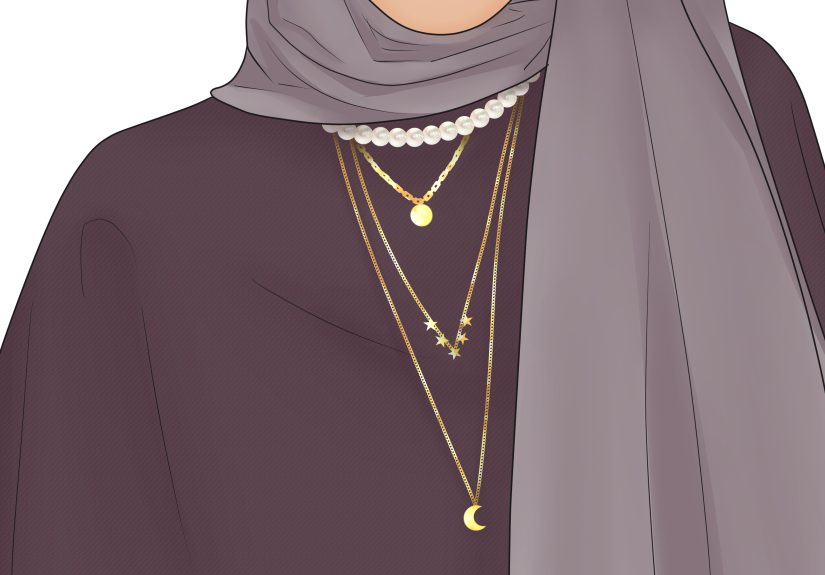
Layering necklaces is one of the easiest ways to make a lariat necklace look modern. Because a lariat creates a vertical line, it adds shape and movement to a necklace stack. Instead of layering three chains that all sit in the same place and fight for attention, the lariat gives the stack a clear focal point.
How to Build a Balanced Necklace Stack
Begin with a short base necklace, such as a 14- to 16-inch chain, choker, or small pendant. Add a medium-length necklace around 18 inches if you want more detail. Then finish with the lariat as the longest piece. The different lengths create spacing, which keeps the look clean and helps prevent tangling.
A simple formula is: short chain, small pendant, lariat necklace. This works because each piece has a job. The short chain frames the neck, the pendant adds interest, and the lariat creates length. Nobody is unemployed. Nobody is causing drama.
For a minimalist look, keep all necklaces in the same metal tone. For example, layer a thin gold choker, a small gold pendant, and a gold lariat. For a more personal style, mix textures: a box chain with a pearl lariat, a paperclip chain with a diamond drop lariat, or a beaded necklace with a sleek silver lariat.
What to Wear with a Layered Lariat
Layered lariat necklaces look great with crewneck T-shirts, scoop-neck tanks, button-down shirts, sweaters, and simple dresses. If your top has a high neckline, choose a longer lariat so the necklace sits on top of the fabric instead of disappearing. A black turtleneck with a gold lariat stack is a classic example: clean, chic, and slightly mysterious, like you know a very good coffee shop that you refuse to reveal.
When layering, avoid placing too many pendants at the same level. If every necklace has a charm, coin, pearl, or gemstone fighting for the center, the stack can look crowded. Choose one main focal point and let the other chains support it. A lariat is often best as that focal point because the drop creates movement.
To reduce tangling, combine different chain weights and lengths. Very fine chains of similar lengths tend to twist together. A slightly heavier lariat, a smooth chain, and a textured chain will usually behave better than three identical delicate chains. If you wear layered necklaces often, a necklace spacer or extender can also help keep each chain in its lane. Jewelry, much like people in a grocery store checkout line, functions better with boundaries.
Way 3: Wear It Backward or Wrapped Like a Scarf
The third way to wear a lariat necklace is where the fun really begins. Because many lariats are long and adjustable, they can be worn backward as a back necklace or wrapped around the neck like a delicate scarf. This is the styling move that makes people say, “Wait, is that necklace supposed to be like that?” And you get to smile calmly because yes, it absolutely is.
How to Wear a Lariat as a Back Necklace
For an open-back dress, low-back top, or special occasion outfit, turn the lariat around so the drop falls down your back. Keep the front simple, allowing the chain to sit close to the collarbone like a delicate necklace. Then let the decorative ends, pearl drop, tassel, or gemstone detail hang at the back.
This styling works especially well for weddings, parties, formal dinners, and evening events. It adds surprise without needing a huge statement necklace. If your outfit already has an open back, the lariat enhances the shape instead of competing with it.
Before wearing a back lariat out of the house, do a quick movement test. Walk, sit, turn, and check that the necklace stays comfortable. If the chain shifts too much, use a tiny piece of fashion tape on the inside of the garment or choose a lariat with a little more weight at the ends. A back necklace should feel elegant, not like a small metallic jump rope following you around.
How to Wrap a Lariat Like a Scarf
Another stylish option is to wrap the lariat around your neck once and let both ends hang in front. This creates a relaxed scarf-inspired effect. You can tie a loose knot near the collarbone, let the ends fall unevenly, or adjust the wrap so one side hangs longer than the other.
This look pairs well with open collars, simple tanks, off-the-shoulder tops, and casual dresses. It is also a great way to make a long lariat feel shorter without permanently changing the necklace. If your lariat has decorative ends, such as pearls, bars, beads, or charms, the scarf-style wrap lets those details become part of the design.
For a modern outfit, try a black tank top, straight-leg jeans, a blazer, and a wrapped gold lariat. For a softer look, wear a pearl lariat with a linen dress or cream sweater. For a bold version, choose a lariat with tassels or mixed materials and wear it with a simple monochrome outfit.
How to Choose the Right Lariat Necklace for Your Style
When choosing a lariat necklace, think about length, material, weight, and adjustability. A dainty lariat is perfect for everyday wear because it can move from casual outfits to office looks without demanding too much attention. A gemstone, pearl, or diamond lariat feels more polished and works well for special occasions. A thicker chain or tassel lariat can act as a statement piece.
If you are new to lariat necklaces, start with a simple gold or silver chain style. It will be easier to layer and match with your existing wardrobe. If you already own plenty of basic chains, try a pearl lariat or bar lariat for texture. If your style leans dramatic, choose an extra-long lariat with a tassel or bold pendant detail.
Also pay attention to how the necklace fastens or adjusts. Some lariats use a sliding bead, some thread through a ring, and others tie freely. If you want low-maintenance styling, choose one with a secure adjustable closure. If you enjoy experimenting, an open-ended lariat gives you more styling options.
Common Mistakes to Avoid When Wearing a Lariat Necklace
The first mistake is wearing the drop at an awkward length. If the lariat ends at the exact same point as your neckline, it can look cramped. Either shorten it so it sits above the neckline or lengthen it so it follows the shape of the top.
The second mistake is over-layering. A lariat already has movement and shape, so it does not always need three backup singers. If the outfit feels busy, remove one necklace and let the lariat breathe.
The third mistake is ignoring fabric. A delicate chain may get lost on heavy knits, while a chunky lariat may overwhelm thin silk or lace. Match the visual weight of the necklace to the fabric. Light fabric usually pairs well with delicate lariats. Structured jackets, sweaters, and simple dresses can handle bolder pieces.
The fourth mistake is storing it carelessly. Lariats can tangle because they are often long and flexible. Hang them on a jewelry stand, store them in separate pouches, or lay them flat in a jewelry box. Tossing a lariat into a drawer with five other necklaces is not storage. It is the opening scene of a tiny disaster movie.
Personal Styling Experiences: What Actually Works in Real Life
One of the best things about a lariat necklace is that it teaches you how much small styling choices matter. A plain outfit can change completely depending on where the lariat falls. For example, a white button-down shirt with jeans can look casual when the necklace is hidden, polished when the lariat sits inside the open collar, and subtly dressy when the drop is slightly longer. The clothes did not change. The necklace simply showed up and did its job.
In real-life styling, the classic Y-shape is usually the easiest place to start. It works on busy mornings because it does not require a complicated stack or a special outfit. A slim lariat with a V-neck sweater creates an instant vertical line, which makes the whole look feel more intentional. This is especially helpful on days when the outfit is basically “I hope this counts as fashion.” The lariat says, “Yes, we planned this.” Very generous of it.
Layering takes a little more practice, but it is worth it. The trick is to test necklace lengths before leaving home. A stack may look perfect while standing still, then tangle the moment you grab a bag, put on headphones, or dramatically turn your head because someone said “sale.” The best layered combinations usually include different chain textures and enough spacing between each piece. A short chain, a small pendant, and a lariat often look better than three dramatic necklaces competing for attention.
The backward lariat style feels the most special, but it also requires the most planning. It works beautifully with an open-back dress or low-back top, especially for weddings, holiday parties, or formal dinners. However, it is smart to test it at home first. Sit down, move your shoulders, and check whether the necklace shifts. A style that looks magical in the mirror but needs fixing every three minutes is not fashion; it is homework with accessories.
Another useful experience is learning that lariats do not need to be saved for fancy outfits. A delicate lariat can make a basic tank top look elevated, add charm to a cardigan, or soften a structured blazer. Pearl lariats can make denim feel more refined. Silver lariats can give a black dress a clean, modern edge. Gold lariats can warm up neutral outfits and make simple fabrics look richer.
For travel, one lariat necklace can replace several accessories because it can be styled multiple ways. Wear it short one day, long the next, layered for dinner, and wrapped scarf-style for a casual afternoon. Just store it carefully. A straw, pouch, or travel jewelry case can help prevent knots. Nothing humbles a person faster than trying to untangle a fine chain in hotel lighting while already late for dinner.
The biggest lesson is this: a lariat necklace looks best when it feels relaxed. Do not overthink every millimeter. Adjust the length to your neckline, choose one focal point, and let the necklace move naturally. The charm of a lariat is its fluid shape. It should look styled, not stiff. When worn well, it adds elegance without shouting, “Please admire my accessories immediately.” Although, honestly, if people do admire them immediately, that is perfectly acceptable behavior.
Conclusion
A lariat necklace is one of the most versatile jewelry pieces you can own because it adapts to different outfits, necklines, and occasions. Wear it in a classic front Y-shape for everyday polish, layer it with other necklaces for a modern stack, or turn it backward or wrap it like a scarf for a more creative look. The best styling choice depends on your neckline, outfit texture, and personal taste.
Keep the overall look balanced, avoid overcrowding the neckline, and store the necklace carefully so it stays ready to wear. With the right styling, a lariat necklace can make a simple outfit look thoughtful, a formal outfit look elegant, and a casual outfit look like you have excellent taste without trying too hard. Which, of course, is the dream.




 Close
Close