

Table of Contents >> Show >> Hide
- Why Australia Surprises So Many First-Time Visitors
- 38 Things That Shock Visitors in Australia
- 1. Australia Is Much Bigger Than People Imagine
- 2. The Seasons Feel Backward
- 3. The Sun Is No Joke
- 4. Beach Safety Has Its Own Rulebook
- 5. The Wildlife Is Both Adorable and Intimidating
- 6. Kangaroos Are Not Just Cute Mascots
- 7. Biosecurity Rules Are Extremely Strict
- 8. You Usually Need Travel Authorization Before Arrival
- 9. Cars Drive on the Left
- 10. Speed Limits Are Taken Seriously
- 11. The Distances Between Attractions Can Be Massive
- 12. Public Transportation Varies by City
- 13. Coffee Culture Is Serious Business
- 14. A “Hotel” Might Mean a Pub
- 15. Tipping Is Not Like the United States
- 16. Prices Usually Include Tax
- 17. Australia Can Be Expensive
- 18. Card Payments Are Everywhere
- 19. The Slang Comes at You Fast
- 20. “No Worries” Is a National Mood
- 21. Casual Does Not Mean Careless
- 22. The Food Scene Is Incredibly Diverse
- 23. Chicken Salt Is a Revelation
- 24. Beetroot May Appear on Burgers
- 25. Public Barbecues Are Common
- 26. The Birds Are Loud and Confident
- 27. Some Animals Look Fake
- 28. The Tap Water Is Generally Excellent
- 29. Weather Can Change Dramatically
- 30. Melbourne Weather Has a Reputation
- 31. The Outback Is Beautiful but Demanding
- 32. Mobile Coverage Can Disappear
- 33. Alcohol Laws Can Be Stricter Than Expected
- 34. Smoking and Vaping Rules Can Surprise Travelers
- 35. Power Outlets Are Different
- 36. Emergency Services Use 000
- 37. Australians May Sound Blunt but Mean Well
- 38. The Country Gets Under Your Skin
- What Visitors Learn After the First Few Days
- Extra Visitor Experiences: The Funny, Practical Side of Being Shocked in Australia
- Conclusion
Australia has a funny way of sneaking up on visitors. Before you arrive, you may picture kangaroos, beaches, the Sydney Opera House, and maybe one suspiciously large spider minding its own business in a corner. Then you land, order a coffee, nearly walk into traffic because cars are coming from the “wrong” direction, discover that sunscreen is practically a personality trait, and realize the country is so big that “just popping over to Perth” is not a casual afternoon plan.
For first-time travelers, the biggest Australia travel shocks are not always dramatic. They are often the small, hilarious, practical surprises that make the trip memorable: the slang, the strict biosecurity rules, the price tags that already include tax, the public barbecue areas, the wildlife warning signs, and the fact that Australians can sound extremely relaxed while giving you very serious safety advice.
This guide explores 38 things people visiting Australia are left shocked by, from culture and food to road trips, beaches, weather, money, and everyday etiquette. Consider it your friendly survival manual for the land Down Underminus the panic and with extra sunscreen.
Why Australia Surprises So Many First-Time Visitors
Australia is familiar enough to feel easy for English-speaking travelers, but different enough to keep them delightfully confused. The cities are modern, the landscapes are cinematic, the people are famously casual, and the rulesespecially around safety, driving, alcohol, and biosecuritycan be stricter than many visitors expect.
That mix is what makes traveling in Australia so fun. One minute you are sipping a flat white in Melbourne like a sophisticated local. The next, you are staring at a sign warning you about crocodiles, jellyfish, or rips and thinking, “Well, that escalated quickly.”
38 Things That Shock Visitors in Australia
1. Australia Is Much Bigger Than People Imagine
Many travelers look at a map and think Australia is one big road-trip playground. It isbut the playground is enormous. Sydney to Perth is not like driving from one city to the next; it is a cross-country mission. Even popular routes can involve long hours, limited fuel stops, and vast stretches of open land. Visitors quickly learn that flights are often more practical than trying to “see everything” by car.
2. The Seasons Feel Backward
For Americans and many Northern Hemisphere travelers, Christmas in summer can feel like a calendar glitch. December may mean beach days, seafood, backyard gatherings, and sun hats instead of snow boots. Meanwhile, July can bring chilly mornings in Melbourne, Tasmania, and the southern regions. Australia does winterjust not always the winter visitors expect.
3. The Sun Is No Joke
Visitors are often shocked by how intense the Australian sun feels. A “quick walk” without sunscreen can turn into a lobster-red souvenir. Locals take sun protection seriously for good reason. Hats, sunglasses, shade, long sleeves, and SPF are not tourist overreactions; they are common sense. In Australia, sunscreen is not an accessory. It is emotional support.
4. Beach Safety Has Its Own Rulebook
Australia’s beaches are stunning, but they are not giant swimming pools. Rip currents can be dangerous, and visitors are often surprised by how seriously lifeguards enforce safety. The golden rule is simple: swim between the red and yellow flags at patrolled beaches. If there are no flags, think twice before entering the water. The ocean may look peaceful, but it has a black belt.
5. The Wildlife Is Both Adorable and Intimidating
Yes, kangaroos, koalas, wombats, and quokkas are real, and yes, they are as charming as advertised. But visitors are also surprised by wildlife warnings involving snakes, spiders, jellyfish, crocodiles, and sharks. The key is perspective: most travelers never have a dangerous encounter, but Australia expects people to respect nature instead of treating it like a petting zoo with better lighting.
6. Kangaroos Are Not Just Cute Mascots
Tourists love seeing kangaroos, but drivers learn quickly that they can be serious road hazards, especially at dawn and dusk. In rural areas, kangaroos may jump near roads without warning. Visitors planning self-drive trips are often shocked when locals advise them not to drive at night in certain regions. It is not drama; it is practical survival advice with a pouch.
7. Biosecurity Rules Are Extremely Strict
Australia takes biosecurity seriously. Food, plant material, animal products, dirty hiking boots, and outdoor equipment may need to be declared. Visitors are often shocked that a forgotten apple, packet of seeds, or muddy shoes can create a problem at the border. The smart move is easy: declare everything you are unsure about. Australia would rather inspect your snack than accidentally welcome an invasive pest.
8. You Usually Need Travel Authorization Before Arrival
Many visitors are surprised that they cannot simply show up without arranging the correct visa or Electronic Travel Authority. For short tourism or business trips, eligible travelers often apply electronically before departure. This is one of those boring-but-essential details that can save your vacation from turning into an airport-based tragedy.
9. Cars Drive on the Left
This is the classic shock. Australians drive on the left side of the road, and steering wheels are on the right side of the car. The first roundabout can feel like a trust exercise designed by a mischievous engineer. Visitors should take it slow, use GPS carefully, and remember that even crossing the street requires looking the opposite way first.
10. Speed Limits Are Taken Seriously
Travelers from countries where speed limits are treated as “light suggestions” may be surprised. Australia uses speed cameras, strict enforcement, and clear penalties. Road rules vary slightly by state, but seat belts, safe speeds, and no hand-held phone use while driving are standard expectations. The safest approach is boring, legal, and wonderfully vacation-preserving.
11. The Distances Between Attractions Can Be Massive
A visitor may plan Sydney, the Great Barrier Reef, Uluru, Melbourne, Tasmania, and Perth in one week, then discover that Australia is not a theme park map. Distances between icons are huge. A realistic itinerary is one of the best gifts you can give yourself. Choose regions, not fantasies. Your future self will thank you with functioning ankles and fewer airport sandwiches.
12. Public Transportation Varies by City
Sydney, Melbourne, Brisbane, Perth, and other major cities have useful public transport networks, but systems differ by state and city. Visitors may need different cards, apps, or contactless payment options depending on where they are. Melbourne’s trams, Sydney’s ferries, and Brisbane’s river transport can be part of the experience, but planning ahead helps.
13. Coffee Culture Is Serious Business
Americans expecting giant drip coffees may be surprised by Australia’s espresso-based café culture. Flat whites, long blacks, piccolos, and carefully made lattes are everywhere. Chain coffee exists, but independent cafés dominate many neighborhoods. Ordering coffee in Australia can feel like entering a delicious, caffeinated university program.
14. A “Hotel” Might Mean a Pub
Visitors sometimes see signs for a “hotel” and expect a lobby, luggage cart, and mint on the pillow. In Australia, especially in older usage, a hotel can mean a pub that may or may not offer accommodation. It is a charming linguistic trap. If you are booking a room, check the details before telling your suitcase it has found a home.
15. Tipping Is Not Like the United States
Many visitors are shocked that tipping is not built into Australian dining culture the same way it is in the U.S. Good service is appreciated, and some people tip for excellent meals, but it is generally not an automatic 20% expectation. Staff wages and service norms are different, so travelers can relax. Your server will not chase you down the street with a calculator.
16. Prices Usually Include Tax
One pleasant surprise is that displayed consumer prices usually include tax. If something is listed at a certain price, that is typically what you pay before optional surcharges. For Americans used to seeing tax added at checkout, this can feel almost suspiciously civilized.
17. Australia Can Be Expensive
Accommodation, meals, domestic flights, tours, and car rentals can add up quickly. Visitors are often shocked by prices in major cities and remote tourist areas. The good news is that many of Australia’s best experiencesbeaches, coastal walks, public parks, city viewpoints, and people-watchingare free or low-cost.
18. Card Payments Are Everywhere
Australia is highly card-friendly, and electronic payments are widely accepted in shops, restaurants, hotels, and many transport systems. Some visitors barely use cash. Still, remote towns and outback travel can be different, so carrying a small backup amount is wise if you are leaving major cities.
19. The Slang Comes at You Fast
Australians shorten words with athletic confidence. Afternoon becomes “arvo,” breakfast becomes “brekkie,” sunglasses become “sunnies,” and a barbecue becomes a “barbie.” Visitors may need a few days before conversations stop sounding like a cheerful code. The good news: Australians are usually happy to translate, preferably while teasing you gently.
20. “No Worries” Is a National Mood
Visitors often notice how frequently Australians say “no worries.” It can mean you are welcome, it is fine, do not stress, apology accepted, problem solved, or please stop panicking near the coffee machine. It is less a phrase and more a cultural blanket.
21. Casual Does Not Mean Careless
Australia can feel laid-back, but visitors are surprised by how organized and rule-conscious it can be. Beach rules, road rules, border declarations, alcohol laws, smoking restrictions, and environmental protections matter. The vibe may be relaxed, but the systems behind it are not asleep in a hammock.
22. The Food Scene Is Incredibly Diverse
Some visitors arrive expecting meat pies and barbecue only. Then they discover exceptional Thai, Vietnamese, Greek, Italian, Lebanese, Chinese, Japanese, Indian, and modern Australian dining. Major cities are especially multicultural, and the breakfast scene is so strong it deserves its own passport stamp.
23. Chicken Salt Is a Revelation
One tiny food shock deserves special mention: chicken salt. Sprinkled on hot chips, it can create instant devotion. Many visitors leave wondering why this seasoning is not more common elsewhere. It is salty, savory, nostalgic, and dangerously snackable.
24. Beetroot May Appear on Burgers
Australia has strong opinions about burger toppings, and beetroot often enters the chat. Visitors may be startled by its bright color and earthy sweetness. Some become converts. Others politely remove it and pretend they are not afraid of a vegetable.
25. Public Barbecues Are Common
In parks and near beaches, visitors may find public electric barbecues available for communal use. This is one of Australia’s most delightful surprises: a society that looked at outdoor cooking and said, “Let’s make this easier for everyone.” Clean up after yourself, and you have participated in a sacred civic ritual.
26. The Birds Are Loud and Confident
Australian birds do not gently chirp. They perform. Cockatoos screech like tiny dinosaurs, kookaburras laugh like comedians in the trees, and magpies may act like they own the sidewalk. Birdlife is one of the country’s great joys, but visitors quickly learn that nature here has volume settings.
27. Some Animals Look Fake
The platypus seems assembled from leftover parts. The echidna looks like a spiky garden rumor. Quokkas appear to be permanently smiling for social media. Visitors are often shocked by how unique Australian animals are. Evolution clearly had fun here and did not ask for committee approval.
28. The Tap Water Is Generally Excellent
In most major Australian cities, tap water is safe and commonly consumed. Visitors who buy bottled water out of habit may find themselves switching to a refillable bottle. In hot weather, carrying water is essential, especially during walks, hikes, and long drives.
29. Weather Can Change Dramatically
Australia is not one climate. Tropical humidity in the north, dry heat inland, cool weather in Tasmania, unpredictable Melbourne days, and coastal breezes can all exist in one trip. Visitors are shocked when they need sunscreen, a rain jacket, and a sweater within the same itinerary.
30. Melbourne Weather Has a Reputation
Melbourne is famous for delivering “four seasons in one day.” It may be sunny, windy, chilly, and rainy before lunch. Locals adapt with layers and emotional resilience. Visitors learn not to trust the morning sky too much. It has commitment issues.
31. The Outback Is Beautiful but Demanding
The Australian outback can be unforgettable: red earth, huge skies, ancient landscapes, and silence that feels almost physical. But visitors are shocked by how remote it is. Fuel, water, mobile reception, medical help, and supplies cannot be assumed. Outback travel rewards preparation, not improvisation.
32. Mobile Coverage Can Disappear
In major cities, connectivity is usually easy. In rural and remote regions, signal can vanish. Visitors who rely completely on their phones may be surprised. Download maps, tell someone your route, and do not assume your phone will rescue every bad decision with one heroic bar of service.
33. Alcohol Laws Can Be Stricter Than Expected
The legal drinking age is 18, but rules around buying alcohol, drinking in public, intoxication, and driving are taken seriously. Some beaches, parks, and public areas restrict alcohol. Visitors should check local signs and avoid assuming that every outdoor picnic can become a mini music festival.
34. Smoking and Vaping Rules Can Surprise Travelers
Visitors may be surprised by restrictions around smoking areas and vaping products. Rules can change and vary by jurisdiction, and Australia has taken a strict public health approach to vaping. Travelers who vape should check current rules before packing anything, because “I didn’t know” is rarely a magical phrase at customs.
35. Power Outlets Are Different
Australia uses Type I plugs and a different voltage than the United States. Visitors need the right adapter, and some devices may require voltage compatibility checks. Your phone charger may be fine with an adapter, but your favorite hair tool might become a dramatic electrical lesson.
36. Emergency Services Use 000
Visitors often assume emergency numbers are the same everywhere. In Australia, the emergency number is 000 for police, fire, or ambulance. It is worth remembering before you need it. Save it in your mind, not buried in your travel notes between “best brunch spots” and “koala sanctuary.”
37. Australians May Sound Blunt but Mean Well
Australian communication can be direct, dry, and full of teasing. Visitors sometimes mistake this for rudeness, but it is often friendliness wearing work boots. If an Australian gives you a nickname or gently mocks your pronunciation, you may actually be doing quite well.
38. The Country Gets Under Your Skin
Perhaps the biggest shock is emotional. Visitors arrive expecting a vacation and leave with a strange attachment to morning swims, eucalyptus smells, ferry rides, big skies, café breakfasts, and the phrase “yeah, nah.” Australia is not always easy, cheap, or smallbut it is unforgettable.
What Visitors Learn After the First Few Days
After the initial surprise wears off, travelers often begin to understand Australia’s rhythm. It is a country where natural beauty and practical caution live side by side. You can have one of the best beach days of your life, but you still need to swim between the flags. You can take a spectacular road trip, but you must respect distance, fatigue, weather, and wildlife. You can laugh at the slang, then find yourself saying “brekkie” before the week is over.
The best way to enjoy Australia is to stop trying to conquer it. Do not plan every landmark in one trip. Do not treat the outback like a casual detour. Do not ignore local signs. Do not underestimate the sun, the surf, or the time it takes to get anywhere. Instead, pick a region and sink into it. Spend more time in fewer places. Walk the neighborhoods. Take the ferry. Try the coffee. Ask locals for tips. Say yes to the coastal walk, the market, the small-town bakery, and the sunset viewpoint you did not see on Instagram.
Extra Visitor Experiences: The Funny, Practical Side of Being Shocked in Australia
One of the most common experiences travelers describe in Australia is the feeling of being constantly surprised by ordinary things. The first shock may happen at breakfast. You order toast and coffee, expecting something simple, and suddenly you are facing sourdough, smashed avocado, roasted tomatoes, mushrooms, poached eggs, chili oil, and a flat white that makes your usual coffee taste like it was faxed from a gas station. Australian café culture can turn breakfast into a competitive sport, and visitors rarely complain after the first bite.
Then there is the grocery store experience. Travelers may recognize familiar products, but the snack aisle introduces new mysteries: Tim Tams, Shapes, lamingtons, meat pies, and flavors that seem designed by people who take road trips seriously. Even the language feels playful. A cooler may be an “esky,” flip-flops may be “thongs,” and if someone invites you to bring something to a barbie, they are not asking you to arrive with a doll.
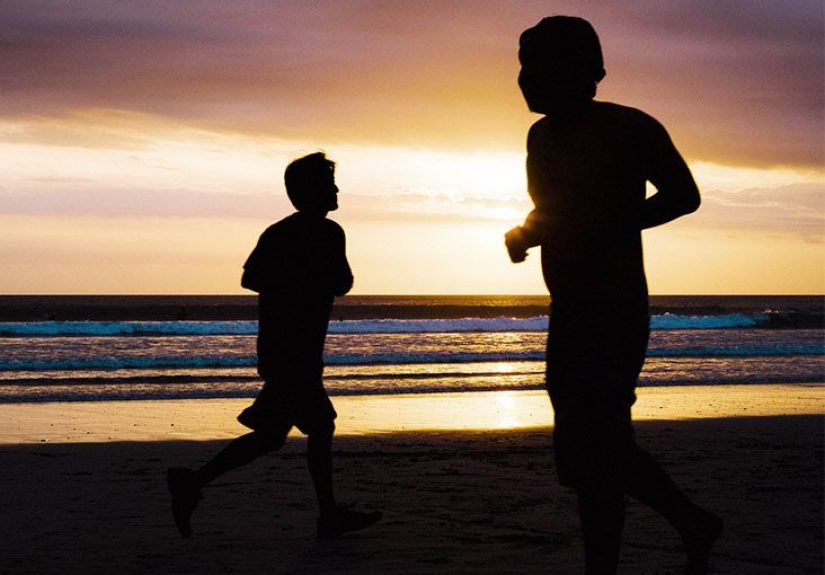
Public behavior can also surprise visitors. Australians often queue politely, keep left on escalators and paths, and take outdoor spaces seriously. Beaches and parks are part of daily life, not just vacation scenery. You may see people swimming before work, jogging along the coast at sunrise, or gathering around public barbecues like they have discovered the secret to civilization. In many places, the outdoors feels woven into normal life.
Another memorable experience is realizing how different each city feels. Sydney is dramatic, glittering, and harbor-obsessed. Melbourne is artsy, caffeinated, and fashionably unpredictable in weather. Brisbane feels sunny and relaxed, Adelaide is elegant and underrated, Perth is isolated in the best possible way, Hobart has cool-climate charm, and Darwin brings tropical energy and gateway-to-the-Top-End adventure. Visitors who expected one version of Australia often discover several.
Travelers are also surprised by how often locals recommend safety tips without sounding gloomy. An Australian might casually say, “Take water, watch for snakes, don’t swim there, and avoid driving after dark,” then smile as if discussing sandwich options. This is part of the charm. Australians are not trying to scare you; they are trying to help you enjoy the place properly. The country is beautiful, but it rewards people who listen.
Finally, many visitors experience a strange kind of reverse culture shock before they even leave. They get used to tax-included prices, excellent coffee, coastal walks, bird calls, and the easy rhythm of “no worries.” They start checking the UV index, carrying a water bottle, and using slang badly but enthusiastically. By the end of the trip, the things that first shocked them often become the things they miss most. Australia has a way of turning confusion into affectionand affection into plans for a second visit.
Conclusion
Australia shocks visitors because it is familiar and wildly different at the same time. It is easy to navigate in many ways, yet full of rules, landscapes, habits, and cultural details that catch travelers off guard. The country asks you to respect its size, sun, surf, wildlife, roads, and customsbut in return, it offers unforgettable cities, beaches, food, humor, and natural beauty.
The smartest travelers arrive curious, prepared, and flexible. They declare their snacks, pack sunscreen, slow down on road trips, swim between the flags, learn a little slang, and leave room in the schedule for surprises. Because in Australia, the surprises are not side effects of the trip. They are the trip.
Note: This article is written for web publication in standard American English, based on real travel, safety, culture, etiquette, and visitor-practicality information. No source links or unnecessary citation placeholders are inserted in the article body.






 Close
Close