
Table of Contents >> Show >> Hide
- 1. Wet Rooms and Curbless Showers Are Going Mainstream
- 2. Warm, Saturated Color Is Replacing Cold All-White Bathrooms
- 3. Tile Is Getting More Expressive, Tactile, and Architectural
- 4. Smart Technology Is Becoming More Invisibleand More Useful
- 5. Natural Materials, Mixed Metals, and Furniture-Style Vanities Are Elevating the Room
- Final Thoughts
- Extra Insights: What These 2025 Bathroom Trends Feel Like in Real Life
- SEO Tags
Bathrooms used to be the overachievers of the house: always working, rarely thanked, and usually dressed in the same safe uniform of white tile and a mirror with all the charisma of a dentist’s waiting room. In 2025, that story is changing fast. Designers are treating bathrooms as true living spacesrooms that should feel calming, beautiful, practical, and a little more personal than “builder-grade but make it damp.”
The biggest bathroom trends for 2025 are not just about looks. They reflect the way people actually want to live. Homeowners want better flow, easier maintenance, more comfort, more wellness, and more personality. In other words, they want a bathroom that works hard and still knows how to look good before coffee.
Across design reports, homeowner studies, and expert predictions, five ideas keep rising to the top: wet-room layouts, warmer colors, richer tile and texture, quieter smart technology, and natural materials that feel both elevated and livable. Here’s how those trends are showing up in real homesand why designers are so excited about them.
1. Wet Rooms and Curbless Showers Are Going Mainstream
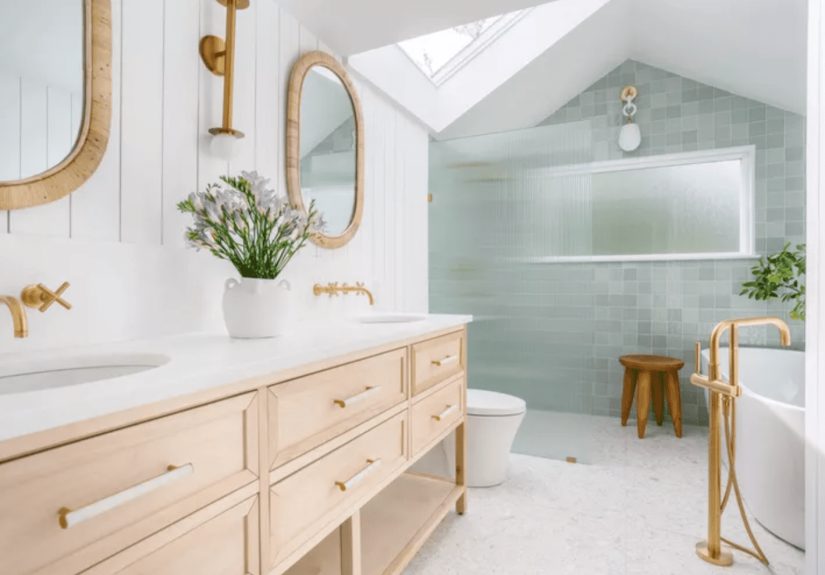
If one feature defines the modern 2025 bathroom, it is the shower that feels less like a stall and more like a destination. Wet rooms and curbless showers are having a major moment because they make a bathroom feel bigger, cleaner, and more luxurious without needing a ballroom-sized footprint.
Why designers love it
A curbless shower creates visual continuity. Instead of chopping up the room with thresholds, metal frames, and bulky enclosures, the flooring flows right into the shower zone. That seamless look instantly makes a bathroom feel calmer and more spacious. It also happens to support aging in place, which is one reason the trend has moved from boutique hotel fantasy to real-life renovation priority.
Wet rooms go one step further by combining the shower and, in some cases, the tub in one waterproofed area. This layout is especially appealing in primary bathrooms where homeowners want a spa vibe without wasting square footage. It is also a smart answer for shared bathrooms, since better planning can help more than one person use the space comfortably.
How to use this trend well
The secret is not just removing the curb and hoping for the best. Good drainage, proper waterproofing, smart slope, and thoughtful glass placement matter. Designers are also leaning into integrated benches, recessed niches, handheld showerheads, and softer lighting so the shower feels intentional rather than simply unfinished.
A great example is a medium-size bathroom where the same stone-look porcelain tile runs from the main floor into the shower, paired with a slim glass divider and a floating bench. The effect is polished, practical, and a lot easier on the eyes than a shower door that looks like it belongs on a conference room.
2. Warm, Saturated Color Is Replacing Cold All-White Bathrooms
Designers are not exactly banning white in 2025, but they are definitely asking it to sit down and let other colors speak. The new bathroom palette is warmer, moodier, and more layered. Think terracotta, taupe, soft olive, clay, deep blue, muddy pink, warm brown, and richer jewel tones used with much more confidence.
Why designers love it
Warm color creates atmosphere. It can make a bathroom feel less clinical and more like an intentional retreat. That is a big reason earthy neutrals are everywhere right now. They bring softness without feeling boring, and they pair beautifully with stone, wood, plaster, and metal finishes.
Another big 2025 move is color drenchingusing a single color family across walls, trim, cabinetry, and sometimes tile to create a wrapped-in effect. In a small powder room, this can look dramatic and expensive. In a larger primary bath, it can feel cocooning and serene.
How to use this trend well
Start with one anchor tone. Maybe it is a muted olive vanity, a mauve-toned wall color, or a terracotta tile floor. Then build around it with tonal variation instead of fighting it with five unrelated finishes. Warm metals, creamy stone, and natural wood help the room feel collected rather than chaotic.
If going fully saturated sounds a little too brave before breakfast, use color in more flexible ways: paint the vanity, install a bold tile in the shower niche, or add wallpaper in a powder room. A bathroom does not need to be loud to have personality. It just needs to stop pretending beige and gray are the only adults in the room.
3. Tile Is Getting More Expressive, Tactile, and Architectural
Tile in 2025 is doing far more than covering wet surfaces. It is shaping the entire character of the room. Designers are embracing handmade finishes, sculptural texture, larger formats, bold layouts, and more artistic uses of stone and ceramic. The result is a bathroom that feels designed, not merely assembled.
Why designers love it
Texture gives a bathroom warmth. That can come from zellige-style tile, honed natural stone, fluted surfaces, handmade mosaics, or even plaster-like wall treatments. At the same time, larger tiles and slabs remain popular because they reduce grout lines and make cleaning easier. In other words, the 2025 bathroom wants to be beautiful and low drama. Respect.
Designers are also moving beyond predictable patterns. Checkered layouts, stacked square tile, framed borders, herringbone, basketweave, and tone-on-tone installations are all being used to create movement without overwhelming the space. Even subway tile is being installed in more inventive ways.
How to use this trend well
Pick one tile idea and let it shine. If your floor is a checkerboard marble look, keep the walls quieter. If your shower walls feature deep green handmade tile, let the vanity and lighting take a supporting role. Balance matters.
Another smart strategy is to combine tactile interest with practical restraint. For example, use a large-format neutral tile on the main walls, then add a handcrafted accent tile inside the shower or behind the vanity. You get the richness without turning the whole bathroom into a sample board with commitment issues.
4. Smart Technology Is Becoming More Invisibleand More Useful
The bathroom of 2025 is getting smarter, but in a much less flashy way. Instead of screaming “future!” with a glowing touchscreen on every surface, designers are favoring subtle tech that improves comfort while disappearing into the background.
Why designers love it
Good bathroom technology should make your routine easier, not make you feel like you need tech support to wash your face. That is why features like heated floors, antifog mirrors, better ventilation, motion-sensing lighting, smart showers, integrated charging, and upgraded bidet-style toilets are getting so much attention.
Wellness is a major driver here. Homeowners are increasingly treating the bathroom as a self-care space, so lighting, temperature, sound, and water experience matter more than ever. A shower that remembers preferred settings, a mirror that stays clear after a hot shower, or a floor that is warm on a winter morning may not sound glamorous on paperbut in real life, these features earn fierce loyalty.
How to use this trend well
Focus on technology you will notice every day. Dimmers are smarter than novelty. Quiet exhaust fans are smarter than gimmicks. A heated floor in a cold climate can improve daily life more than a voice-controlled faucet that nobody asked for.
The best 2025 bathrooms blend performance with calm design. That means hiding outlets inside drawers, choosing integrated lighting, and keeping controls clean and minimal. The goal is luxury without visual clutter. Think “peaceful sanctuary,” not “airport restroom from the year 2080.”
5. Natural Materials, Mixed Metals, and Furniture-Style Vanities Are Elevating the Room
Bathrooms are becoming more layered and residential in 2025. Designers are pulling in materials and details that once belonged mostly to living rooms and bedrooms: wood tones, furniture-like vanities, mixed metals, art, softer lighting, and decorative touches that make the space feel inhabited.
Why designers love it
These choices help bathrooms feel warmer and more personal. Instead of defaulting to one finish for every faucet, pull, and sconce, designers are mixing metals for a more relaxed, collected look. Chrome or nickel may handle the plumbing side, while brass, copper, or matte black appear in mirrors, hardware, or lighting.
Vanities are also evolving. Floating styles remain popular, but so do pieces that look more like custom furniture than stock cabinetry. Think wood grain, fluted fronts, integrated sinks, open shelves, and countertop materials that balance beauty with durability. Engineered quartz remains a strong favorite for homeowners because it offers a polished look with less maintenance anxiety.
Sustainability plays a role too. Reclaimed wood looks, bamboo, recycled glass, eco-friendly grout, and efficient plumbing fixtures all fit the 2025 mood. The bathroom is no longer just trying to impress guests for 90 seconds. It is trying to work better for the planet and for daily life.
How to use this trend well
Combine at least one natural element with one refined one. A walnut-toned vanity and honed quartz countertop. A brushed nickel faucet and aged brass sconces. A handmade ceramic vessel and clean-lined mirror. Those contrasts create depth and keep the room from feeling too precious or too plain.
And yes, art is welcome here too. Framed prints, vintage sketches, or thrifted pieces can soften the room and reinforce the idea that this is part of the home, not a sterile annex where design goes to nap.
Final Thoughts
The best bathroom trends for 2025 are not really about chasing trends at all. They are about building spaces that feel better to use: more open, more thoughtful, more expressive, and more comfortable. Designers are loving bathrooms that support wellness, reduce visual clutter, age gracefully, and still leave room for beauty and personality.
So if you are planning a remodel this year, the smartest move is not copying a showroom line for line. It is borrowing the ideas that match your real life. Maybe that means a curbless shower, maybe it means bold tile, maybe it means a warm wood vanity and lights on a dimmer. The 2025 bathroom is less about perfection and more about intention. And honestly, that is a trend worth keeping long after the trend reports move on to something else.
Extra Insights: What These 2025 Bathroom Trends Feel Like in Real Life
One reason these bathroom trends are resonating so strongly in 2025 is that they solve real-world frustrations. People are tired of bathrooms that look decent in photos but annoy them every single morning. The all-white room with no storage looked clean until the toothpaste, hair tools, and half-used skin-care lineup moved in. The dramatic tub looked fabulous until nobody had time to use it. The glass shower cube looked sleek until it became a full-time job for a squeegee. Design is getting more honest, and that honesty is making bathrooms better.
Take wet rooms, for example. On paper, they sound like a luxury feature. In practice, they often feel easier and more flexible. A bathroom with a seamless floor, better drainage, fewer visual barriers, and room to move simply works better. Families appreciate the easier access. Couples appreciate the shared space. Older homeowners appreciate the long-term comfort. Even younger homeowners like the fact that it feels custom without necessarily requiring a mansion-sized footprint.
Warm color is having a similar effect. Many people do not realize how cold an all-white bathroom can feel until they step into one wrapped in clay, taupe, olive, or soft brown. Those colors can make early mornings feel gentler and evening routines feel calmer. A powder room in a saturated color can be surprisingly joyful. A primary bathroom in layered earthy tones can feel like a retreat, even if the square footage is modest and the laundry basket is very much still in the corner being judgmental.
The same goes for texture. Bathrooms need hardworking finishes, but that does not mean every surface has to feel flat and generic. Textured tile, honed stone, handmade ceramic, and wood-inspired cabinetry help the room feel grounded. These materials catch light in a softer way. They add movement. They also make the space feel more custom, even when the layout itself is straightforward. That is part of why 2025 bathrooms look richer: the design relies less on flashy gimmicks and more on materials with depth.
Technology is also improving the experience in quieter, smarter ways. Heated floors sound indulgent until you try them on a cold morning and suddenly become an evangelist. Antifog mirrors, better ventilation, layered lighting, and smart shower controls remove small irritations that add up over time. These upgrades may not be the first things guests notice, but they are often the features homeowners rave about months later because they genuinely improve daily life.
Finally, the move toward natural materials, mixed metals, art, and furniture-style vanities reflects something bigger than aesthetics. People want their homes to feel personal again. They want rooms that do not look copied from the same three showroom displays. A bathroom can now hold a framed print, a vintage stool, a walnut vanity, a nickel faucet, and a brass sconceand that layered mix feels more welcoming, not less polished.
That may be the most important lesson from the 2025 bathroom trends: good design is becoming more human. It is less rigid, less sterile, and less obsessed with looking untouched. It prioritizes comfort, character, ease, and longevity. And for a room you visit every day, sometimes more often than your kitchen, that is a very smart direction.





 Close
Close