
Table of Contents >> Show >> Hide
- What makes a smoothie “anti-inflammatory” (and not just “fruit milkshake with vibes”)
- The 5 best anti-inflammatory smoothie ingredients
- 1) Berries (especially blueberries, mixed berries, and tart cherries)
- 2) Leafy greens (spinach is the gateway; kale is the “level up”)
- 3) Chia seeds (or ground flax) for fiber + plant omega-3s
- 4) Turmeric (plus a tiny assist from black pepper and/or healthy fat)
- 5) Kefir (or plain Greek yogurt) for probiotics + protein
- How to build an anti-inflammatory smoothie (easy formula)
- Bonus add-ins that play nicely with the “top five”
- of real-life smoothie experience (what it’s like when you actually do this)
- Conclusion: Your blender-friendly anti-inflammatory lineup
Inflammation gets a bad rap, but it’s not the villain 100% of the time. Short-term inflammation is basically your body’s security team:
it shows up when you scrape a knee, catch a cold, or recover from a hard workout. The problem is chronic inflammationwhen the
“security team” never clocks out and starts annoying everyone in the building.
Enter: smoothies. When done right, they’re one of the easiest ways to stack plants, fiber, and healthy fats in a single, drinkable
meal that doesn’t require you to chew 14 cups of spinach like a determined cartoon sailor.
This guide breaks down five smoothie ingredients with strong anti-inflammatory credentials, plus exactly how to use them (so your blender
doesn’t end up producing a sad, bitter swamp). You’ll also get practical ratios, flavor pairings, and a real-life “how it actually goes”
section at the endbecause nobody needs another wellness article that pretends we all have time to hand-pick organic berries at sunrise.
What makes a smoothie “anti-inflammatory” (and not just “fruit milkshake with vibes”)
An anti-inflammatory smoothie is less about one magical superfood and more about a winning combination:
colorful plants (polyphenols + antioxidants), fiber (feeds a healthier gut environment),
healthy fats (helps absorb certain compounds), and smart sweetness (so your blood sugar doesn’t do parkour).
The goal isn’t perfection. It’s consistency: ingredients you’ll actually buy, flavors you’ll actually like, and a routine you can repeat
without needing a second mortgage for “rare rainforest powder.”
The 5 best anti-inflammatory smoothie ingredients
1) Berries (especially blueberries, mixed berries, and tart cherries)
Why berries earn a permanent spot in your freezer
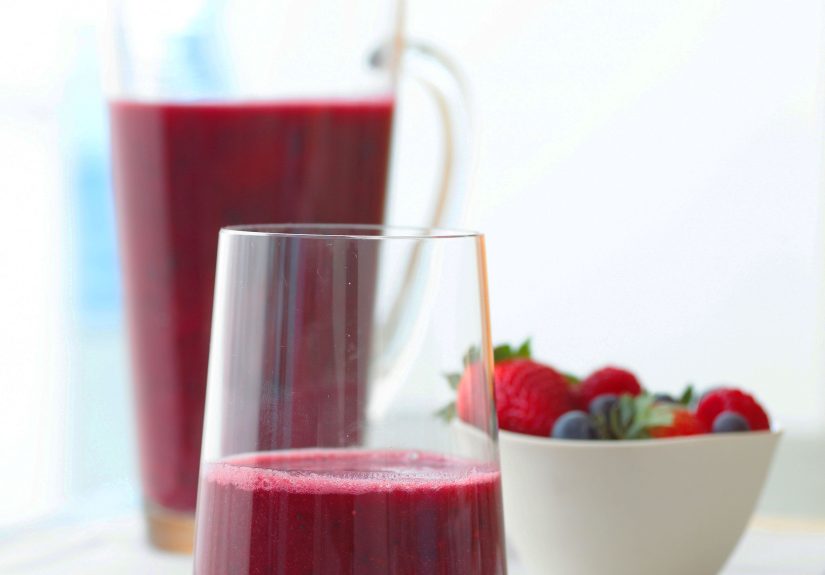
Berries are famous for their deep pigmentsthose reds, blues, and purples come from plant compounds (like anthocyanins) that act as
antioxidants. In real life, that translates to “helping your body handle oxidative stress,” which is tightly connected to inflammation.
Berries also bring fiber, which helps slow down sugar absorption and supports digestive health.
Best forms to buy
- Frozen berries: Budget-friendly, always ready, and they make smoothies thick without ice.
- Wild blueberries: Often smaller and very flavorful; great when you want big berry taste.
- Tart cherries: Usually found frozen; they add a bold, tangy “grown-up” flavor.
How to use berries in a smoothie (without making it too sweet)
- Standard amount: 3/4 to 1 cup frozen berries
- Balance trick: Pair berries with protein (Greek yogurt, kefir, or protein powder) and fat (chia/flax, nut butter, or avocado).
- Flavor pairings: Berries + cocoa, berries + vanilla, berries + lemon zest, berries + spinach (yes, really).
Mini recipe: Blueberry-Spinach “I Swear It’s Not Salad” Smoothie
- 1 cup frozen blueberries
- 1–2 cups baby spinach
- 1 tablespoon chia seeds
- 3/4 cup plain kefir (or plain Greek yogurt + water)
- 1/2 banana (optional, for extra sweetness)
- Water or ice to blend
2) Leafy greens (spinach is the gateway; kale is the “level up”)
Why leafy greens matter for inflammation support
Leafy greens show up in basically every anti-inflammatory eating pattern for a reason: they’re nutrient-dense, low in sugar, and loaded
with plant compounds that help support overall health. In smoothie terms, they’re your “nutrient amplifier”they increase the nutrition
without bulldozing the flavor (as long as you choose the right green and the right pairing).
Spinach vs. kale: which one should you use?
- Spinach: Mild taste, blends smoothly, beginner-friendly. Great daily option.
- Kale: Stronger flavor, slightly thicker texture. Best when paired with berries, pineapple, or citrus.
- Baby greens mixes: Convenient and often a good middle ground.
How to add greens without tasting “lawn clippings”
- Start small: 1 cup spinach first. Then build up to 2 cups.
- Use frozen fruit: It improves texture and covers bitterness.
- Add acid: A squeeze of lemon or a few orange segments brightens everything.
- Add creaminess: Kefir/Greek yogurt or avocado makes greens taste “smoothie,” not “soupspiracy.”
Quick combo: Spinach + mixed berries + kefir + chia = a reliable “default smoothie” you can repeat.
3) Chia seeds (or ground flax) for fiber + plant omega-3s
Why these tiny seeds are a big deal
Chia seeds and ground flaxseed are smoothie MVPs because they pull double duty:
fiber (for gut support and steadier energy) and plant-based omega-3 fats (ALA).
They also improve texturechia makes smoothies thicker and more satisfying, almost like a milkshake that went to therapy and made better choices.
Chia vs. flax: which should you pick?
- Chia seeds: Neutral flavor, thickens fast. Great for creamy smoothies and “sip bowls.”
- Ground flaxseed: Slightly nutty flavor. Use ground for better mixing (whole flax often passes through uninvited).
- Pro move: Keep both. Rotate based on taste and what’s in the pantry.
How much to use
- Standard amount: 1 tablespoon per smoothie
- If you’re new to high fiber: Start with 1–2 teaspoons for a few days, then increase.
- Hydration note: Fiber is thirstydrink water during the day so your gut doesn’t file a complaint.
Mini recipe: Cinnamon-Chia Oat Smoothie (steady energy edition)
- 3/4 cup plain kefir (or milk alternative)
- 1/3 cup rolled oats
- 1 tablespoon chia seeds
- 1/2 cup frozen berries (or 1/2 banana)
- 1/2 teaspoon cinnamon
- Ice + water as needed
4) Turmeric (plus a tiny assist from black pepper and/or healthy fat)
Why turmeric gets so much attention
Turmeric’s most famous compound is curcumin, which has been studied for its antioxidant and inflammation-supporting properties.
The “kitchen catch” is that curcumin on its own isn’t absorbed super well, which is why you’ll often see turmeric paired with
a pinch of black pepper and/or a fat source.
How to use turmeric in smoothies without making them taste like a spice cabinet
- Start small: 1/4 teaspoon ground turmeric
- Typical range: 1/4 to 1/2 teaspoon (more isn’t always betterturmeric can dominate fast)
- Add: a pinch of black pepper (tiny!)
- Include a fat: kefir/Greek yogurt, nut butter, chia/flax, or avocado
- Flavor pairings: mango, pineapple, banana, vanilla, cinnamon, ginger, and coconut
Mini recipe: Golden Mango Kefir Smoothie
- 3/4 cup plain kefir
- 1 cup frozen mango
- 1/4 teaspoon turmeric
- Pinch of black pepper
- 1 teaspoon honey (optional)
- Ice + water to blend
Practical safety note
Using turmeric as a food spice is generally considered safe for most people, but high-dose supplements can cause side effects and may
interact with certain medications. If you’re on medication (especially blood thinners) or have a medical condition, it’s smart to check
with a clinician before going heavy on turmeric supplements. For smoothies, culinary amounts are usually the reasonable lane.
5) Kefir (or plain Greek yogurt) for probiotics + protein
Why fermented dairy can support a “calmer” wellness routine
Kefir and yogurt can contain live cultures (probiotics). While probiotic research is complex (and strain-specific), fermented foods are a
practical way many people support gut healthimportant because your gut and immune system are closely connected.
Bonus: kefir/yogurt adds protein, which helps keep smoothies filling and prevents the “I’m hungry again in 37 minutes” problem.
Kefir vs. Greek yogurt: what’s the difference in smoothies?
- Kefir: Drinkable, tangy, blends easily, great for thinner smoothies.
- Greek yogurt: Thicker, higher protein, makes smoothies extra creamy.
- Choose plain, unsweetened: Less added sugar = more control over sweetness.
How much to use
- Kefir: 3/4 to 1 cup
- Greek yogurt: 1/2 to 3/4 cup (then add water/milk to thin)
- Tip: If you want more protein, add 1–2 tablespoons of nut butter or a scoop of protein powder.
Mini recipe: Cherry-Berry Kefir Smoothie (tangy + bright)
- 1 cup frozen mixed berries
- 1/2 cup frozen tart cherries
- 1 cup plain kefir
- 1 tablespoon ground flax or chia
- Optional: splash of vanilla extract
How to build an anti-inflammatory smoothie (easy formula)
If you want a foolproof structure, try this “plug and play” template. It keeps your smoothie balanced, not sugar-forward.
The basic ratio
- 1 cup fruit (berries are the default)
- 1–2 cups greens (spinach is easiest)
- 1 tablespoon seeds (chia or ground flax)
- 3/4–1 cup protein base (kefir or Greek yogurt)
- Spice booster (turmeric + pinch pepper, or cinnamon/ginger)
- Liquid to blend (water, milk, or more kefir)
Sweetness rules (so it stays “healthy boost” and not “dessert in a cup”)
- Use frozen fruit for thickness instead of lots of juice.
- If you add banana, try half first.
- Skip sweetened yogurt and sweetened plant milks when possible.
- If you want extra sweetness, use cinnamon or vanilla before adding sugar.
Common mistakes (and quick fixes)
- Too bitter: Use spinach instead of kale, add berries, add vanilla, or add a squeeze of citrus.
- Too thin: Add chia, Greek yogurt, oats, or more frozen fruit.
- Too thick: Add water in small splashes and re-blend.
- Too “earthy” from turmeric: Pair turmeric with mango/pineapple and a creamy base.
Bonus add-ins that play nicely with the “top five”
These aren’t part of the official five, but they’re popular for a reason and can make smoothies taste better while supporting the same
overall anti-inflammatory pattern.
- Ginger: Adds zing and pairs beautifully with turmeric + tropical fruit.
- Cinnamon: “Dessert flavor” without dessert sugar.
- Avocado: Creamy texture + healthy fats (especially good in berry smoothies).
- Unsweetened cocoa: Deep flavor that makes greens and berries taste more indulgent.
- Rolled oats: Adds thickness and keeps you full longer.
of real-life smoothie experience (what it’s like when you actually do this)
Here’s the honest part: the first time you toss spinach, chia, and turmeric into a blender, you may briefly wonder if you’re making
breakfast or a potion to summon your future self. That’s normal. Most people don’t instantly fall in love with “healthy” flavorsthey
train their taste buds with repetition and smarter combos.
In week one, the most common experience is a texture awakening. Chia seeds thicken as they sit, which is great if you like a creamy,
spoonable smoothie… and less great if you leave it on the counter and come back to find it has become “berry pudding with ambitions.”
The fix is simple: drink it sooner, reduce chia slightly, or add a splash of water and blend again.
Another real-world pattern: your energy feels steadier when you stop making smoothies that are basically fruit juice in disguise.
When you build a smoothie with kefir (protein), berries (fiber), and seeds (fiber + fat), it tends to keep you full longer. People often
notice fewer snack attacks that start with “I just need something small” and end with “why did I eat an entire sleeve of crackers?”
Balanced smoothies aren’t magicthey’re just less likely to spike-and-crash your afternoon.
Then there’s the gut adjustment phase. Adding more fiber (greens + chia/flax + berries) can make digestion feel different at first.
Some people feel great right away; others notice extra gas or bloating if they jump from near-zero fiber to “blender salad” overnight.
The smart approach is to ramp up gradually: start with 1 teaspoon of chia or flax, keep greens mild, and drink water during the day.
Your digestive system generally appreciates a warm-up lap.
Flavor-wise, turmeric is the ingredient most likely to cause drama. Too much and your smoothie tastes like you licked a spice rack.
But when you keep it to 1/4 teaspoon and pair it with mango, pineapple, vanilla, or ginger, it becomes warm and “golden” instead of
overpowering. One tiny warning from real life: turmeric can stain. If your blender cup, straw, or favorite white shirt is nearby, turmeric
will notice. Rinse promptly, and maybe don’t wear your “important meeting” outfit while blending.
The most sustainable habit people report is prepping “freezer smoothie packs.” You toss berries + greens into a bag, freeze it, then
blend with kefir and seeds. It saves time, reduces food waste, and makes it way easier to choose a smoothie when your brain is running
on low battery. Consistency wins here: a pretty-good smoothie you’ll drink four days a week beats a perfect smoothie you make once a month
and talk about forever.
Conclusion: Your blender-friendly anti-inflammatory lineup
If you only remember one thing, make it this: anti-inflammatory smoothies work best as a pattern, not a one-hit wonder.
Build around berries, leafy greens, chia/flax, turmeric (used wisely), and kefir/Greek yogurt. Then keep the sweetness reasonable, add
protein, and let your routine do the heavy lifting.






 Close
Close