Table of Contents >> Show >> Hide
- 1. “Just Mist Your Plants All Day Long, They Love It!”
- 2. “Pebble Trays Are Basically Tiny Rainforests”
- 3. “Just Cram All Your Plants Together. Instant Jungle Microclimate!”
- 4. “Plant + Humidifier + Maximum Setting = Guaranteed Thriving”
- 5. “All Houseplants Need Tropical, Rainforest-Level Humidity”
- How to Tell If Your Humidity Is Actually a Problem
- Bottom Line: Humidity Helps, But It’s Not a Miracle Cure
- Real-Life Experiences: When Humidity Tips Help (and When They Hurt)
If you’ve ever stood in your living room misting your fiddle-leaf fig like it’s backstage at a Beyoncé concert, this one’s for you.
Humidity has become the drama queen of houseplant care. Every other TikTok seems to promise that if you just mist more, tray more,
or “junglefy” your shelves, your plants will suddenly transform into rainforest royalty.
The truth? A lot of those viral houseplant humidity “tips” make professional gardeners quietly die inside.
Not because humidity doesn’t matterit absolutely canbut because many popular tricks are overhyped,
misused, or flat-out missing the real problem. Most houseplants are pretty adaptable and will do just fine in typical home humidity
(around 30–50%), while fussier tropicals really shine at 40–60% and above. The trick is knowing when you actually have a humidity problem,
and when the internet is just giving you busywork.
Let’s walk through five houseplant humidity tips gardening pros actually hateand what they wish you’d do instead.
1. “Just Mist Your Plants All Day Long, They Love It!”
If humidity advice had a main character, it would be misting. It’s easy, it looks cute on Instagram, and it makes you feel like
a very involved plant parent. Unfortunately, that doesn’t mean it works the way you think it does.
Why pros hate this tip
Misting can temporarily raise humidity for a few minutes right next to the leaves, but that effect fades almost instantly as the
water evaporates and disperses into the room. Meanwhile, you’re still left with dry indoor air and now wet foliage.
That’s a problem because:
- Constantly wet leaves can encourage fungal diseases and leaf spots.
- Too much moisture on leaves at night or in cool rooms can stress your plants instead of helping them.
- Succulents, cacti, and fuzzy-leafed plants (like African violets) actively dislike water sitting on their leaves.
Many horticulture experts now say that misting is, at best, a tiny bonus for certain humidity-loving plants (like ferns, calatheas,
and air plants) and, at worst, a great way to waste your time and annoy your plants.
What to do instead
Use misting as a special-occasion treat, not your entire humidity strategy. If you mist:
- Do it in the morning so leaves dry before night.
- Focus on true humidity lovers like ferns, calatheas, air plants, and some orchids.
- Avoid misting succulents, cacti, and fuzzy leaves.
But for real humidity control? You’ll get far better results from a room humidifier or simply moving the plant away from
blasting vents and radiators.
2. “Pebble Trays Are Basically Tiny Rainforests”
Pebble trays are the internet’s favorite low-tech humidity hack: a shallow tray, some pebbles, a bit of water, plant on topboom,
“spa day” for your philodendron. You’ll see them styled under every trendy monstera on Pinterest.
Why pros hate this tip
The idea is sweet, but the physics are not on your side. Pebble trays can bump humidity slightly right above the tray, yet for most
homes with moving air (HVAC, fans, people walking around), that added moisture quickly spreads out and disappears.
Experts point out that:
- The effect is modest and highly localgreat for tiny plants inches from the water, not so great for big floor plants.
- If the pot sits in water rather than on top of the pebbles, you can accidentally cause root rot.
- Stagnant water can become a breeding ground for fungus gnats and bacteria if you never clean the tray.
So yes, pebble trays work a littlebut not enough to rescue a truly humidity-hungry plant in a very dry home.
Pros get frustrated because people treat them like a magic fix, then wonder why their calathea still looks crispy.
What to do instead
Use pebble trays as a supporting actor, not the star:
- Pair them with a humidifier or naturally humid rooms (like a bright bathroom or kitchen).
- Clean and refresh the water regularly to avoid funk and pests.
- Make sure the bottom of the pot is sitting on the pebbles, not in the water.
If your plant is large, or the room is extremely dry (under 30% humidity), a tray alone isn’t going to cut it.
You’ll need a bigger strategy.
3. “Just Cram All Your Plants Together. Instant Jungle Microclimate!”
Grouping plants together does raise humidity a bit because plants release moisture through their leaves.
And it does look amazinglike you’ve opened a tiny boutique greenhouse in your living room.
Why pros hate this tip
The problem is not the idea itselfit’s how far people take it. When your plant shelf turns into plant Jenga,
pros start to twitch. Overcrowding can lead to:
- Terrible airflow, which encourages mold and fungal issues.
- Rapid pest spreadif one plant gets spider mites or mealybugs, everyone gets an invite.
- Light inequalitysome plants end up shaded and stretched, others scorched.
Yes, a cluster of plants will create a slightly more humid bubble, but it’s rarely dramatic enough to change a plant’s fate
if the home is extremely dry. Pros hate seeing “just cram them together” sold as a one-size-fits-all humidity solution.
What to do instead
Absolutely group your plantsbut with intention:
- Put plants with similar humidity needs together (ferns with ferns, succulents with succulents).
- Leave breathing space between pots so air can still circulate.
- Inspect leaves regularly so you catch pests before they go on tour.
- Use grouping to complement a humidifier or a naturally humid room, not replace it.
Think “cozy plant hangout,” not “rush hour on a subway platform.”
4. “Plant + Humidifier + Maximum Setting = Guaranteed Thriving”
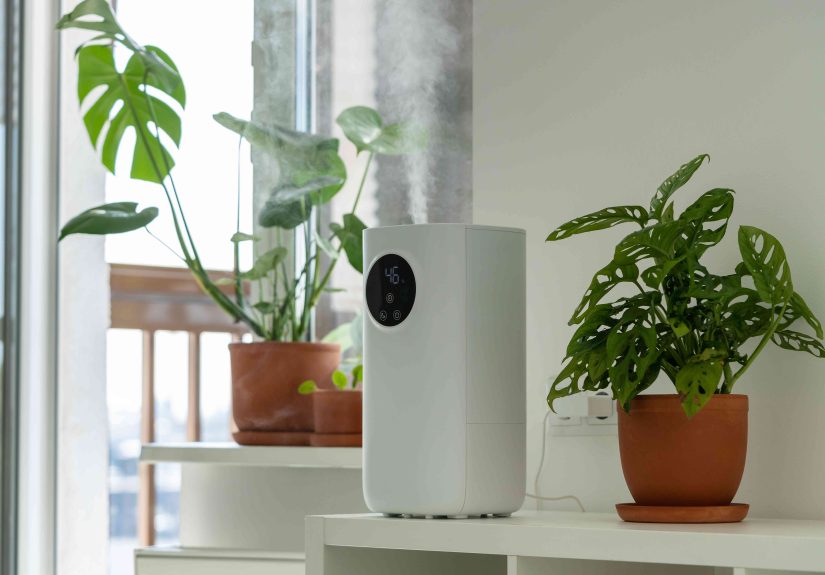
Humidifiers are the one humidity tool that most pros genuinely recommendwhen used correctly.
The hate comes from seeing them misused, abused, and turned into fog cannons pointed directly at unsuspecting monsteras.
Why pros hate this tip
Cranking a humidifier on full blast right next to your plants causes a different set of problems:
- Leaves stay constantly wet, which can lead to leaf rot and fungal issues.
- The area around the plants can get too humid (above ~60–70%) even if the rest of the house is at a normal level.
- Excess humidity can encourage mold on walls, windows, and furnitureand that’s bad for both you and your plants.
Indoor air-quality experts and HVAC pros generally recommend keeping home humidity between 30–50% for people,
while many houseplants are happiest in the 40–60% range. Push that too high for too long, and you may end up
trading crispy leaves for a musty apartment.
What to do instead
Use your humidifier like a tool, not a fog machine:
- Place it a few feet (3–4 feet is common advice) away from your plantsclose enough to help, not so close that leaves drip.
- Run it in cycles rather than 24/7, especially if your home seals tightly.
- Clean it regularly to prevent mold and bacterial growth in the tank.
- Pair it with a hygrometer so you’re adjusting to real numbers, not vibes.
Used well, a humidifier is the MVP of humidity tools. Used badly, it’s just an expensive mold machine.
5. “All Houseplants Need Tropical, Rainforest-Level Humidity”
This might be the myth pros hate the most. Not all houseplants dream of living in a rainforest.
Some come from cloud forests and truly love high humidity. Others hail from deserts and dry, rocky hillsides
and think 70% humidity is a nightmare.
Why pros hate this tip
When people treat all plants like rainforest divas, three things happen:
- Succulents and cacti suffer in overly humid environments and are more likely to rot.
- Thick-leafed plants that tolerate normal home air get overcared-for and overwatered because the owner assumes they’re “thirsty.”
- Humidity gets blamed for problems that are actually about light, soil, or watering frequency.
Many experts place most houseplants’ happy range around 40–60% humidity. Tropical aroids (like calatheas, alocasias,
and some ferns) may appreciate the higher end of that range or a bit more. Meanwhile, succulents and xeric plants can
be perfectly content with 10–40% humidity as long as they have great light and proper watering.
What to do instead
Instead of aiming for “jungle,” aim for “right plant, right range”:
- Look up humidity needs when you bring a plant home. Not all “tropical” plants need the same conditions.
- Use a hygrometer to learn your home’s typical humiditymany people discover it’s already fine.
- Save your humidity-boosting efforts for true divas like calatheas, some ferns, and certain orchids.
- For succulents and cacti, focus on bright light, fast-draining soil, and careful watering instead.
The goal isn’t “maximum humidity”it’s “appropriate humidity for this particular plant in this particular home.”
How to Tell If Your Humidity Is Actually a Problem
Before you panic-buy three humidifiers and a cart full of pebble trays, step back and look for real evidence that humidity is off.
Common signs your plant wants more moisture in the air include:
- Browned, crispy leaf tips and edges (especially on ferns, calatheas, and prayer plants).
- Leaves that curl or roll, even when soil moisture is correct.
- Spider mite infestations that keep coming backmites love dry air.
Then grab a small digital hygrometer (they’re inexpensive and surprisingly eye-opening) and actually
measure your indoor humidity. If you’re consistently under 30%, especially in winter with the heat on,
adding a humidifier and some thoughtful grouping can make a real difference for moisture-loving plants.
On the other hand, if your home already sits around 40–50% humidity and your plants are struggling,
the issue might be light, watering, soil, or temperature rather than humidity. Pros wish more people would troubleshoot
the whole plant environment instead of obsessing over a single number.
Bottom Line: Humidity Helps, But It’s Not a Miracle Cure
Gardening pros don’t hate humidity itselfthey hate the way it gets turned into a magical cure-all for every plant problem.
Humidity is just one part of a bigger picture that includes light, water, soil, temperature, and airflow.
If you remember nothing else, remember this:
- Most houseplants are fine in typical indoor humidity.
- Tropical divas may need extra moisturebut not necessarily rainforest conditions.
- Misting, pebble trays, and plant clusters are minor helpers, not miracle workers.
- Room humidifiers plus a hygrometer are your most reliable tools when humidity really is the issue.
Focus on your plant’s actual needs, not internet trends, and you’ll spend less time misting and more time enjoying
a genuinely healthy indoor jungle.
Real-Life Experiences: When Humidity Tips Help (and When They Hurt)
Let’s get a little more real and practical. Here are some experience-based scenarios that sum up how humidity advice tends
to play out in actual homesnot just in perfectly curated plant photos.
The Winter Calathea Meltdown
Picture this: It’s January, the heat has been on nonstop, and your once-gorgeous calathea now looks like it’s been
flat-ironed. Brown tips, rolling leaves, sad vibes. You’ve watered carefully, the light is decent, and there are no pests.
This is a classic low-humidity moment.
Plant parents who fix this usually don’t rely on misting alone. They:
- Move the calathea away from hot vents or radiators.
- Add a small room humidifier nearby and aim for 45–55% humidity.
- Group it with other humidity-loving plantsbut not jammed shoulder to shoulder.
Within a few weeks, new leaves emerge smoother and less crispy. The old damage doesn’t magically heal (it never does),
but progress shows up in the fresh growth. That’s the kind of change you get when humidity is truly the missing piece.
The Succulent Shelf in the “Tropical Corner”
Then there’s the opposite situation: someone lovingly creates a “tropical” plant corner with a humidifier running on high,
a pebble tray, and misting sessionsthen fills it with succulents, snake plants, and ZZ plants “because they’re trendy.”
A month later, everything looks mushy, spotty, or stretched.
What went wrong? Those plants never wanted high humidity in the first place. Their roots prefer to dry out between waterings,
their stems store moisture, and their native environments are drier. Extra humidity only increased the odds of rot,
especially combined with heavy watering and low light.
People who fix this situation don’t double down on humiditythey back off. They:
- Move succulents and cacti to brighter, drier spots.
- Turn down or relocate the humidifier to focus on true tropicals.
- Switch to faster-draining soil and more careful watering.
Suddenly the “problem” wasn’t humidity at allit was mismatched plant choices and conditions.
The Over-Enthusiastic Humidifier Phase
Many plant lovers go through a phase where they discover humidifiers and then… absolutely overdo it.
The plants might look pretty good at first, but the windows are foggy, the walls feel damp,
and a suspicious musty smell starts to appear in corners.
Experienced growers learn to balance things. They use a hygrometer, discover that 45–55% humidity usually keeps both humans
and plants comfortable, and stop chasing 80% humidity unless they’re running a dedicated greenhouse cabinet.
The humidifier gets cleaned regularly, moved a few feet away from leaves, and run in cycles instead of nonstop.
The lesson: the goal is long-term stability, not short-term drama. A plant that lives in a stable, okay-but-not-perfect environment
often does better than a plant experiencing wild swings in humidity because someone keeps frantically turning knobs.
The “I Bought a Hygrometer and Everything Made Sense” Moment
One of the most common turning points people report is the day they finally buy a cheap digital hygrometer.
Suddenly, they’re not guessingthey’re looking at real numbers.
Sometimes they discover their home is already at 40–50% humidity most of the year, and humidity wasn’t the main issue at all.
Other times, winter readings dip to 20–25%, and it becomes crystal clear why the ferns are throwing tantrums.
From that moment, humidity decisions become calmer and more targeted:
- Humidifier on when numbers drop below 35–40%, off when it climbs back into range.
- Pebble trays and grouping used as nice-to-have helpers, not miracle cures.
- Diva plants placed closer to the action, tougher plants left to coast in normal conditions.
The big takeaway from these experiences? Gardening pros don’t actually hate humidity tools.
They hate wasted effort and overcomplication. When you pair real information (like hygrometer readings and
your plant’s specific needs) with simple, consistent care, your plants will thriveand you’ll spend a lot less time
chasing trends and a lot more time enjoying green, happy foliage.