Table of Contents >> Show >> Hide
- General Rules for Removing Summer Stains
- 1. Grass Stains
- 2. Sunscreen Stains
- 3. Freezer Pops, Popsicles, and Ice Cream Drips
- 4. BBQ Sauce, Ketchup, and Mustard
- 5. Deodorant and Sweat Stains
- 6. Cooking Grease and Oil Spatters
- Smart Stain-Removal Habits for the Whole Summer
- Real-Life Experiences: What Actually Works on Summer Stains
- Conclusion
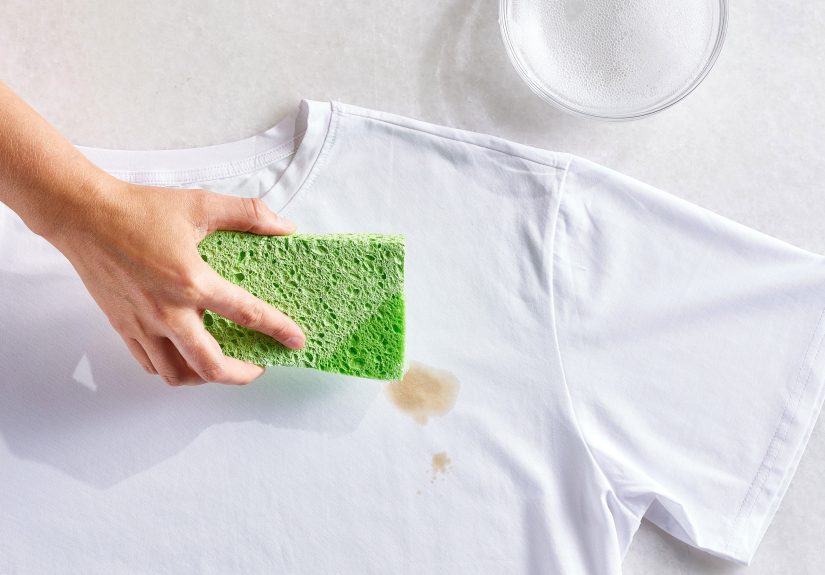
Sunshine, iced drinks, sticky treats, backyard barbecuessummer is amazing… until you look down and realize your T-shirt has become a crime scene of grass, grease, and mystery popsicle streaks. The good news? Most “oh no” summer stains are totally fixable if you treat them quickly and correctly. The bad news? Doing it wrong can set the stain for good.
In this guide, we’ll walk through six of the most commonand most annoyingsummer stains and show you exactly how to get them out. We’ll also cover what not to do, so you don’t accidentally turn your favorite white tee into a permanent “house shirt.”
General Rules for Removing Summer Stains
Before we dive into each specific stain, keep these golden laundry rules in mind:
- Act fast. The longer a stain sits, the deeper it bonds with the fibers.
- Blot, don’t scrub. Scrubbing shoves the stain deeper into the fabric and can damage fibers.
- Rinse from the back. When you run water through a stain, aim the flow from the back of the fabric to push the stain out, not farther in.
- Use cold water first. Especially with protein- and sugar-based stains (ice cream, popsicles, dairy), hot water can “cook” them into the fabric.
- Pre-treat before washing. A little dish soap or liquid laundry detergent massaged into the stain works wonders.
- Air-dry until you’re sure. Heat from the dryer can set any remaining stain permanently. Always check before tossing it in.
1. Grass Stains
Few things say “summer” like rolling around on the lawn… and few things say “laundry headache” like the green streaks that come with it. Grass stains are tough because they’re a combination of natural dyes (chlorophyll), dirt, and sometimes even sweat.
How to Remove Grass Stains
-
Pre-treat with liquid detergent or stain remover.
Squeeze a small amount of enzyme-based liquid detergent directly onto the stain and gently work it in with your fingers or a soft toothbrush. Let it sit 10–15 minutes. -
Try rubbing alcohol for stubborn stains.
For really set-in grass stains on colorfast fabrics, dab with a bit of rubbing alcohol on a clean cloth, then blot and rinse thoroughly with cold water. -
Wash in the warmest safe water.
Check the care label and wash with your regular detergent, using the hottest water the fabric can safely handle. -
Air-dry and check.
If you still see green, repeat the process before drying with heat.
What to Avoid with Grass Stains
- Don’t use chlorine bleach on colored fabrics; it can damage the color while the green stain stays put.
- Skip harsh scrubbing on delicate fabricsthis can fuzz or thin the material.
2. Sunscreen Stains
Sunscreen is non-negotiable for your skinbut it’s brutal on clothes, especially light colors. The oily ingredients, plus certain UV filters, can leave yellow or gray stains that seem to appear out of nowhere after washing.
How to Remove Sunscreen Stains
-
Rinse with cold water ASAP.
Hold the stained area under cold running water from the back to flush out as much of the lotion as possible. -
Pre-treat with dish soap or heavy-duty detergent.
Because sunscreen is oily, a grease-cutting dish soap or liquid laundry detergent works well. Gently rub it into the stain and let it sit 5–10 minutes. -
Soak if needed.
For tough stains, soak the garment in cool water with a bit of detergent for 30 minutes before washing. -
Wash in cool or warm water, not hot.
Hot water can actually “bake” sunscreen stains into the fibers, especially on synthetic fabrics. -
Air-dry and inspect.
If the stain is still visible, repeat the pre-treat and wash cycle. Don’t use the dryer until it’s gone.
What to Avoid with Sunscreen Stains
- Don’t jump straight to hot water; it can deepen the yellowing.
- Avoid adding powdered bleach products without testing on a small area firstthey can sometimes react with sunscreen filters and make discoloration worse.
3. Freezer Pops, Popsicles, and Ice Cream Drips
Bright blue popsicles and neon-red freezer pops seem scientifically designed to leap off the stick and onto a white shirt. These stains are usually a mix of sugar, artificial colors, and sometimes dairy (if it’s ice cream or a creamy pop), which makes them tricky.
How to Remove Freezer Pop and Ice Cream Stains
-
Scrape off excess.
Use a spoon or dull knife to gently lift off any chunks of ice cream or melted pop. Avoid rubbingit just spreads the stain. -
Rinse with cold water from the back.
Run cold water through the fabric from the back of the stain to push the colored sugars and dairy out of the fibers. -
Pre-treat with liquid detergent.
Rub a bit of liquid detergent into the stained area and let it sit for at least 15–30 minutes. For bright dyes, a color-safe stain remover can help. -
Soak if it’s really bold.
Soak the garment in cold water with detergent for 30 minutes, gently agitating occasionally. -
Wash in cold water.
Use cold water for the first wash, especially for dairy and food coloring stains, to prevent setting. -
Air-dry and re-treat if needed.
Check the stain in good light. If it’s still faintly visible, repeat the pre-treat and wash before drying with heat.
What to Avoid with Freezer Pop Stains
- Don’t use hot water right awayheat can set the combination of sugar, dye, and dairy.
- Don’t toss it in the dryer “just to see”once set, these stains are very hard to remove.
4. BBQ Sauce, Ketchup, and Mustard
Barbecue season means you’re always one enthusiastic bite away from a red or yellow streak down your front. Tomato-based sauces and mustard are double trouble: they contain natural dyes and oils that cling tightly to fabric.
How to Remove BBQ and Condiment Stains
-
Lift off the excess.
Use a dull knife or spoon to scrape off any blobs of sauce. Work from the edges inward so you don’t spread it. -
Rinse with cold water from the back.
Flush the stain from the inside of the garment so the water pushes the sauce out, not deeper in. -
Pre-treat with liquid detergent or stain remover.
Gently work a small amount of detergent into the stain with your fingers or a soft brush. Let sit for 5–10 minutes. -
For mustard stains, be patient.
Mustard often contains turmeric, a powerful yellow dye. You may need a color-safe bleach or oxygen bleach soak for whites and colorfast fabrics. -
Wash as usual.
Follow the care label, using the warmest water safe for the fabric and a good-quality detergent. -
Check before drying.
If you still see a faint shadow of sauce, repeat the pre-treat and wash before using the dryer.
What to Avoid with BBQ and Sauce Stains
- Don’t use chlorine bleach on colored fabrics; it might remove the garment’s color but leave a yellowish stain.
- Skip home “mystery hacks” that involve harsh chemicals on delicate fabricswhen in doubt, test on an inner seam first.
5. Deodorant and Sweat Stains
Summer heat plus tight T-shirts is the perfect recipe for yellow underarm stains on white clothes and chalky white streaks on dark fabrics. These stains often come from a reaction between aluminum in antiperspirant and the salts in sweat.
How to Remove Deodorant Streaks
-
Rub fabric against fabric.
For fresh white deodorant marks on dark clothes, sometimes simply rubbing the fabric against itself can remove the residue. -
Use a damp cloth or sponge.
Lightly dampen a cloth and gently wipe the streaks away. -
Wash as usual.
Once the surface residue is gone, launder as you normally would.
How to Remove Yellow Sweat Stains
-
Pre-soak in white vinegar solution.
Mix one part distilled white vinegar with two parts cool water. Soak the stained area for about 30 minutes to help break down odor and discoloration. -
Apply a baking soda paste (optional).
For stubborn stains, make a paste of baking soda and water and gently rub it onto the yellowed areas. Let sit 15–20 minutes. -
Wash with detergent and oxygen bleach (if safe).
For whites and colorfast fabrics, an oxygen-based bleach (not chlorine bleach) can help brighten without damaging fibers. -
Air-dry first.
Check if the yellowing is gone before using the dryer. Repeat if necessary.
What to Avoid with Sweat Stains
- Don’t use chlorine bleach on sweat stainsit can actually make the yellowing worse.
- Don’t rely on super-hot water; it can set both odors and discoloration.
6. Cooking Grease and Oil Spatters
Grilling burgers, frying fish, sautéing veggiessummer cooking is delicious, but the flying oil droplets are no joke. Grease stains often look like dark, translucent spots that hang around even after washing.
How to Remove Grease and Oil Stains
-
Blot, don’t rub.
Use a paper towel or clean cloth to blot up as much oil as possible without smearing it. -
Sprinkle an absorbent powder.
On washable fabrics, sprinkle baking soda, cornstarch, or talcum powder over the stain and let it sit 10–15 minutes to absorb oil. Brush it off gently. -
Pre-treat with dish soap.
Apply a small amount of grease-cutting dish soap directly to the spot and gently work it in with your fingers. Let it sit 5–10 minutes. -
Rinse with warm water.
Rinse from the back of the fabric to push the soap-and-grease mixture out. -
Wash in the warmest safe water.
Use your regular detergent and follow the care label. -
Air-dry and check.
Grease stains can be sneakylook at the fabric in good light after drying. If you still see a dark ring, repeat the dish soap treatment.
What to Avoid with Grease Stains
- Don’t skip the pre-treat stepdetergent alone often isn’t enough for heavy grease.
- Don’t overload the washer; greasy items need room to move so the oil can rinse away.
Smart Stain-Removal Habits for the Whole Summer
If summer stains are a recurring theme in your laundry room, it helps to build a small “stain first aid kit” you can grab quickly:
- Small bottle of liquid laundry detergent or stain remover stick
- Travel-sized dish soap for greasy stains
- White vinegar and baking soda
- Soft toothbrush or small laundry brush
- Clean white cloths or paper towels
Keep it near the washer or even in a tote you bring to the beach or park. The sooner you can rinse and pre-treat, the better your odds of a stain-free outcome.
Real-Life Experiences: What Actually Works on Summer Stains
Laundry science is great, but nothing beats real-life trial and error. Here are some experience-based tips and scenarios that bring these stain strategies to life.
The Grass-Stained Soccer Jersey
Picture this: it’s Saturday afternoon, and your kid comes home from soccer looking like they slid across every blade of grass on the field. The jersey is streaked with green, especially around the elbows and knees. The instinct might be to toss it straight into the wash and hope for the bestbut that usually just turns the stain into a lighter, more permanent version.
A better move is to head straight to the sink. Rinse the stained patches from the back with cool water, then work in a small amount of liquid detergent with your fingers or a soft brush. Let it sit while you handle other laundry. When you finally wash iton the warmest water the care label allowsyou’ll usually see those bright green streaks vanish or at least fade enough to treat again. Many parents learn quickly that “pre-treat” is not optional with grass; it’s mandatory if you want the jersey looking game-ready next week.
The Surprise Sunscreen Shadow on Your Favorite Tee
Another common scenario: You wore a light-colored shirt to the beach, slathered on sunscreen like a responsible adult, and everything looked fineuntil after washing, when weird yellowish patches appeared around the neckline or shoulders. It feels like your washer attacked your shirt, but those stains actually started the moment sunscreen touched the fabric.
Experience teaches that prevention helps: let sunscreen absorb fully into your skin before putting on shirts, and try not to spray sunscreen directly onto clothes. When stains do appear, people often find success with a two-step sequence: first, rinse with cool water, then work a grease-cutting dish soap into the patch and let it sit before washing. Over time, you get into the habit of checking sunscreen-heavy areas before the wash, especially on whites and delicate fabrics.
The Popsicle Disaster at the Picnic
You hand a child a bright blue freezer pop, blink twice, and suddenly their entire front is sticky and streaked. Experience says: don’t wait. A quick trip to the sink where you gently scrape off the excess and flush the stain with cold water can save that outfit. Parents who’ve been through many summers learn to carry stain wipes or keep a small bottle of gentle detergent in the car for emergency pre-treating.
The longer that bright dye dries, the more stubborn it becomes. Even if you can’t do a full soak right away, that quick rinse often makes the difference between “comes right out” and “guess this is the new painting shirt.”
The BBQ Sauce Badge of Honor
For adults, the classic summer stain is barbecue sauce or ketchup splashed across the front of a nice top during a backyard cookout. Experience teaches you to avoid rubbing the stain with a napkinthat just spreads the sauce and pushes it deeper into the fibers. Instead, blot gently, scrape off what you can, and, if possible, head inside for a cold-water rinse from the backside of the fabric.
People who grill often also learn that mustard is in a league of its own. Turmeric-based mustard can leave a stubborn yellow cast even after washing. That’s why experienced home launderers go straight to pre-treatment and, for whites, sometimes follow up with an oxygen bleach soak. It’s a bit more work, but it beats retiring a good shirt over one hot dog.
The Silent Grease Speck from the Grill
Then there’s the grease dot you don’t notice until hours latermaybe it’s from flipping burgers or brushing oil on veggies. By the time you see it, the spot has dried into a faint, darker ring. Trial and error teaches that regular detergent alone often isn’t enough for these stains.
That’s where the “dish soap trick” becomes a favorite. A small drop of grease-cutting dish soap massaged into the spot, followed by a warm rinse and a normal wash, often does what a full wash cycle couldn’t do on its own. Many people start automatically checking the front of their grilling shirts for these sneaky dots before tossing them in the hamper.
What Experience Ultimately Teaches
After a few summers of dealing with these stains, patterns emerge:
- Waiting “until later” almost always makes stain removal harder.
- A tiny stash of basicsdish soap, detergent, vinegar, baking sodabeats fancy one-use products most of the time.
- Reading the care label (and actually respecting it) saves both your clothing and your sanity.
- Air-drying after stain treatment becomes second nature, because nobody wants to discover a half-removed stain that just got permanently baked in.
Stains are just part of a good summerproof that you were outside, moving, eating, laughing, and living. With the right techniques and a little practice, you can enjoy all the grass, sunscreen, popsicles, and barbecue you want, and still keep your clothes looking fresh enough for next weekend’s fun.
Conclusion
Summer stains don’t have to be a seasonal tragedy. Whether you’re dealing with grass, sunscreen, freezer pops, barbecue sauce, deodorant, or grease, the key is fast action, smart pre-treatment, and a little patience. Build a simple stain-fighting routine, keep the basic products on hand, and you’ll spend more time enjoying the sunshine and less time mourning your favorite shirts.
sapo: Summer is all fun and games until your favorite T-shirt gets covered in grass streaks, neon popsicle drips, or stubborn sunscreen smudges. This in-depth guide breaks down the six most common summer stainsgrass, sunscreen, freezer pops, BBQ sauce, deodorant, and greaseand walks you step-by-step through exactly how to remove each one without ruining your clothes. Learn what to do, what to avoid, and how real-life stain-busting strategies can save your outfits all season long.