
Table of Contents >> Show >> Hide
- What Is Cluttercore, Really?
- 1. Start by Shopping Your Own Home
- 2. Group Like with Like for Instant Calm
- 3. Create Little Stories, Not Big Piles
- 4. Layer with Purpose: Color, Pattern, and Texture
- 5. Keep Surfaces Functional (Your Future Self Will Thank You)
- 6. Rotate and Edit Instead of Decluttering
- 7. Add Cozy Chaos, Not Actual Chaos
- Gentle Guidelines to Keep Your Cluttercore on Track
- Real-Life Experiences: Turning Mess into Cluttercore (Without Judgment)
- Final Thoughts: You’re Not “Bad at Tidy”You’re Just a Little Maximalist
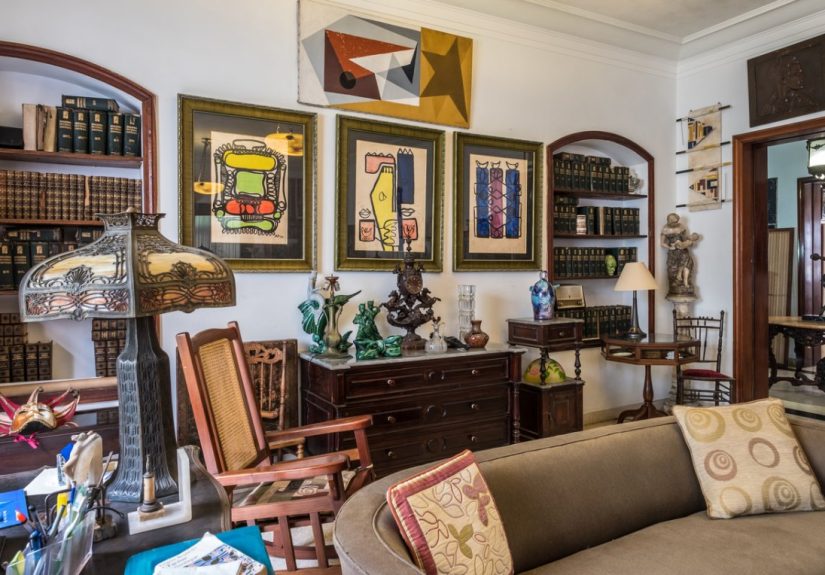
If you’ve ever looked around your home and thought, “This isn’t mess, this is… personality,” congratulationsyou’re already halfway to cluttercore. This decorating trend takes everything minimalism told you to hide and proudly puts it on display: your stacks of books, thrift-store treasures, trinkets from trips, inherited odds and ends, all of it. Instead of shaming your stuff, cluttercore asks a softer question: what if the problem isn’t how much you have, but how it’s arranged?
Designers describe cluttercore as intentional clutter: layered, personal, and curated rather than random piles on every flat surface. It’s a cousin of maximalism, but with more sentimentality and less “I bought 47 ginger jars just because Instagram told me to.” It’s cozy, lived-in chaoswith a plan.
The best part? You don’t have to transform into a minimalist or throw away half your life. You can turn the “clutter” you already own into cluttercore with a few no-judgement, shame-free strategies. Here are seven gentle, practical tips to turn your home into a curated wonderland instead of a guilt museum.
What Is Cluttercore, Really?
Cluttercore is all about filling your space with things you genuinely love and giving those things a purposeful place. Think overflowing bookshelves styled like “bookshelf wealth,” walls covered in art, layered textiles, and tiny collections that tell your life story: snow globes, enamel pins, vintage mugs, vinyl records, zinesyou name it.
That said, cluttercore is not an excuse to never tidy again. The difference between clutter and cluttercore is intention:
- Clutter: random mail on the counter, laundry draped over a chair, mystery cords, things you don’t even like.
- Cluttercore: grouped collections, visible surfaces you intentionally styled, decor that makes you smile every time you walk past.
So we’re not aiming for “I live inside a storage unit.” We’re aiming for “I live in a quirky, cozy bookstore that also happens to be my house.” Ready? Let’s turn the dial from chaos to curated.
1. Start by Shopping Your Own Home
Before you buy a single new candle, print, or vase, look around. Cluttercore works best when it’s built from what you already ownespecially pieces with personal history.
Gather what you already love
Pick a small staging areaa dining table, console, or bedand “shop” your home. Pull out:
- Books with pretty spines or meaningful titles
- Travel souvenirs, ticket stubs, and postcards
- Old family photos or framed prints
- Quirky objects: figurines, toys, vintage cameras, plates, bowls, candles
Lay them out and notice patterns. Do you gravitate toward a certain color (all that deep green), a theme (plants, animals, pop culture), or an era (retro ‘70s, cottagecore countryside)? Those patterns are the backbone of your cluttercore aesthetic.
Set gentle boundaries
No judgement, but cluttercore works better with limits. Choose one wall, one bookcase, or one corner to start. Instead of “My entire house is now a museum,” think “This is my maximalist shrine, and everything else gets to breathe.” It can be a gallery wall, a bar cart, a nightstand, or your entryway console.
Boundaries keep your collections from flooding every surface and help you appreciate the pieces you highlight. It’s easier to love your objects when they’re not fighting for attention with mail, laundry, and yesterday’s coffee cup.
2. Group Like with Like for Instant Calm
One of the easiest ways to turn “mess” into “styled” is grouping similar items. Designers use this trick constantly in cluttercore-inspired interiors: instead of spreading everything everywhere, they create clusters and vignettes.
Try these grouping ideas
- By color: A stack of red books, a red candle, and a small red vase on one shelf feels intentionaleven if those items came from different rooms.
- By theme: Travel souvenirs together, vintage cameras together, all your plants corralled on one bench.
- By material: Brass pieces on one tray, glass objects on a windowsill, woven baskets in a corner.
Grouping creates visual order. Your eye reads “collection” instead of “random stuff I haven’t put away.” It’s like giving your belongings a group chat instead of letting them all text you separately.
3. Create Little Stories, Not Big Piles
Cluttercore thrives on storytelling. Each surface can be a tiny scene, not just a dumping ground. Think of building vignettes: small arrangements that suggest a mood or moment.
Build a simple vignette formula
On any surface, try this basic trio:
- One anchor piece: a lamp, a stack of books, a large plant, or a framed artwork.
- One sculptural or quirky item: a figurine, interesting bowl, candleholder, or vintage object.
- One soft or organic element: a plant, flowers, a small textile, or a natural material like stone or wood.
Vary the heights and textures so the arrangement feels layered but not chaotic. A tall lamp, medium-sized framed photo, and small ceramic trinket dish on a tray? Cluttercore. Sixteen unrelated items scattered in every direction? Just clutter.
4. Layer with Purpose: Color, Pattern, and Texture
Cluttercore leans heavily on “more is more,” but a little strategy keeps things from tipping into visual exhaustion. That strategy usually comes down to color, pattern, and texture.
Pick a loose color palette
You don’t need a rigid scheme, just a vibe. Maybe it’s jewel tones (emerald, deep blue, plum), warm earth tones (terracotta, olive, mustard), or candy colors (pink, mint, lemon). Let that loose palette guide what you highlight.
For example:
- Use similar shades on one wall or shelf to make it feel cohesive.
- Layer pattern with a common color running through: a floral pillow, striped throw, and patterned rug that all share the same blue.
- Repeat materialslike wicker, brass, or white ceramicsto create rhythm.
Give your eye a place to rest
Even maximalists need a breather. Balance dense, cluttercore-heavy zones with simpler areas: a clean coffee table in front of a busy gallery wall, or plain bedding under a styled, overloaded nightstand. That contrast makes your curated chaos feel intentional instead of stressful.
5. Keep Surfaces Functional (Your Future Self Will Thank You)
Here’s where we get honest: cluttercore still has to work for your actual life. You need to cook, sleep, work, and walk through your home without knocking over a tower of tchotchkes every time you turn around.
Protect your “functional zones”
Identify where function comes first:
- Kitchen counters where you prep food
- Desk space where you need to type or write
- Bedside surfaces where you reach in the dark
- Floors and walkways (we like ankles unbruised, thanks)
Let these areas stay lightly decorated: a lamp, one tray, maybe a plant or a small sentimental item. Save the truly layered cluttercore moments for shelves, dressers, walls, and corners where you’re not constantly navigating around them.
Use trays and containers (but fun ones)
Trays, bowls, baskets, and boxes are cluttercore’s secret weapon. When small items have a defined container, they instantly feel intentional. Your keys, lip balm, and random crystal aren’t “stuff all over the dresser”they’re a curated catchall dish with personality.
6. Rotate and Edit Instead of Decluttering
Minimalism insists you own less. Cluttercore says you can own a lotjust not all of it on display at the same time. The solution: rotation.
Create a “prop closet” for your home
Use a bin, drawer, or shelf in a closet for decor you still love but don’t want out right now. Seasonal pieces, extra artwork, or overflow collections can live there. When a corner feels stale or crowded, shop your prop closet and swap items instead of buying more.
This rotation system has bonuses:
- You appreciate pieces more when they come “back into circulation.”
- Your home feels fresh without constant shopping.
- You get cluttercore’s richness without every surface being overloaded all the time.
Practice kind editing
Editing does not mean judging yourself. Once in a while, stand in a doorway and look at the room as a whole. Ask, gently: “Is there anything here that doesn’t make me happy or doesn’t fit the story anymore?” If something feels heavy, obligatory, or visually annoying, give yourself permission to rehome, donate, or store it.
7. Add Cozy Chaos, Not Actual Chaos
The most successful cluttercore spaces have a cozy, relaxed feeling: you can see dusting might be a bit of a project, but you can also see that someone lives here, reads here, naps here, and has people over without apologizing for the state of the coffee table.
Create “comfort points” in every room
Instead of treating decor and comfort separately, let them overlap:
- A reading corner with a pile of pillows, a side table layered with books and a candle, and a small tray for a mug.
- A bedroom with a wall of art, a bench layered with blankets, and a nightstand styled with meaningful objects but still enough space for your phone and water.
- A kitchen with open shelves filled with daily dishes, cookbooks, and small art pieces instead of bare cabinets.
Cluttercore works best when it supports how you actually livenot when it turns your home into an art installation you’re scared to touch.
Gentle Guidelines to Keep Your Cluttercore on Track
Because this is a judgment-free zone, think of these as suggestions, not commandments:
- Dust sometimes. Your collections deserve to be seen, not buried under a layer of gray fuzz.
- Container size sets the limit. If a tray, basket, or shelf is full, that’s your cue to rotate or edit.
- Leave some blank space. A calm wall or empty corner makes your cluttercore moments pop even more.
- Check your pathways. If you’re sidestepping piles daily, you’ve crossed from cluttercore into obstacle course.
- Honor your energy level. If you know you won’t maintain complicated styling, keep vignettes simple and easy to reset.
Real-Life Experiences: Turning Mess into Cluttercore (Without Judgment)
Cluttercore isn’t about impressing the internet. It’s about making you feel more at home in your space. Here are some lived-in, real-world experiences that show how gentle shiftsnot full makeoverscan transform the way clutter feels.
The “I finally love my books” moment
Imagine someone with books in every room: stacked on the floor, double-parked on shelves, teetering on nightstands. It felt overwhelminguntil they tried a cluttercore approach. Instead of trying to pare down to a minimalist capsule library, they:
- Dedicated one wall entirely to books, using every inch of vertical space.
- Sorted by color and size, letting the shelves become a giant, cozy rainbow.
- Layered a few framed photos and small objects in front of the books on some shelves.
Nothing major was thrown out. The difference was concentration and intention. The room went from “I have too much stuff” to “I live in the reading nook of my dreams.” The books didn’t changejust the way they were honored.
From “junk drawer energy” to sentimental gallery wall
Another common scenario: a box of random sentimental things that never quite find a home. Old keychains, patches, postcards, buttons, ticket stubsthe kind of stuff you feel weird tossing but don’t know how to display.
Cluttercore loves this category. One renter turned a blank hallway into a “memory gallery” by:
- Using inexpensive frames and washi tape to create a casual, evolving wall.
- Grouping items by mood rather than by eventconcert stuff together, travel ephemera together, childhood bits together.
- Adding tiny shelves for 3D items like figurines or shells.
Suddenly, the hallway became everyone’s favorite part of the apartment. Guests stopped to look, ask questions, and tell their own stories. The same items that once felt like clutter in a box became a conversation-starting, deeply personal art installation.
The “messy but proud” studio apartment
Cluttercore can be especially powerful in small spaces, where there’s no room for “just in case” furniture or purely decorative objects that don’t serve you. One studio dweller who loved color, art, and vintage finds used three simple rules:
- One loud wall, three calm ones. A gallery wall above the sofa held most of the visual action. The other walls stayed simpler, with only a few pieces each.
- Everything useful, but make it cute. Hooks for bags, pegboards for jewelry, open shelving for dishesall heavily styled, but still functional.
- No shame, just zones. The bed had softer styling, the desk stayed relatively clear, and the “cluttercore corner” was where all the maximalist energy lived.
Friends described the space as “busy, but in a good way.” More importantly, the person living there didn’t feel like they had to apologize for their abundance of stuff anymore. The studio was small, but the personality was bigand that was the point.
Letting go of “perfect home” expectations
Many people who fall for cluttercore share a similar emotional shift: they stop chasing an idealized, minimal, never-out-of-place home and start accepting the reality of how they live. That doesn’t mean giving up on beauty or function. It means:
- Designing for your hobbies, not for a photo shoot.
- Keeping what makes you feel grounded, nostalgic, or joyfuleven if it’s not “on trend.”
- Allowing your home to evolve over time instead of locking into a rigid plan.
The experience of turning clutter into cluttercore is rarely a single weekend project. It’s a slow, ongoing creative process: shifting a lamp, adding a frame, rotating a collection, finding a new home for a piece that no longer feels right. And that’s okay. Your home doesn’t need to be finished to be fabulous.
Final Thoughts: You’re Not “Bad at Tidy”You’re Just a Little Maximalist
If you’ve ever felt judged (by others or by yourself) for having too much stuff, cluttercore can be a relief. It says: you’re allowed to keep the things you love and you deserve a space that feels intentional, cozy, and truly yours.
Start where you are. Group what you already have. Tell stories with your surfaces. Protect the zones you need to function. Rotate instead of purge. Add cozy chaos, not tripping hazards. Most of all, drop the idea that a worthy home must look sparse, beige, and endlessly tidy.
Your clutter might not be a problem to erase. It might be raw material for the most personal, joyful version of your home.







 Close
Close