
Table of Contents >> Show >> Hide
- Why Trick-or-Treat Etiquette Still Matters
- 1. Only Visit Houses That Clearly Want Trick-or-Treaters
- 2. Say “Trick or Treat” and “Thank You” Like You Mean It
- 3. Take Only What Is Offered
- 4. Respect the Yard, Porch, Decorations, and Pets
- 5. Keep the Line Moving and the Sidewalk Clear
- 6. Wear a Costume That Lets You See, Walk, and Behave Like a Human
- 7. Be Thoughtful About Allergies, Ages, and Different Ways Families Celebrate
- The Best Halloween Rule Is Simple: Leave Every Porch Happier Than You Found It
- Real-World Experiences That Show Why These Rules Matter
- Final Thoughts
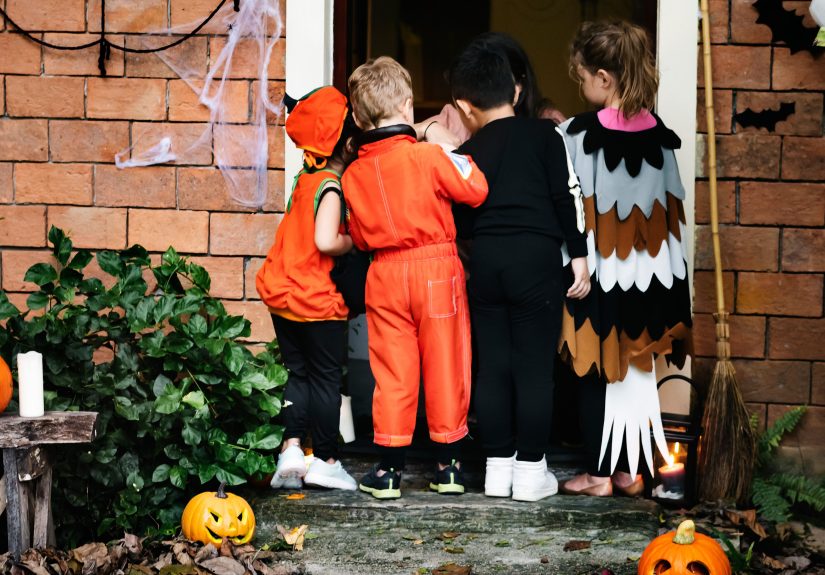
Halloween has a funny way of turning perfectly reasonable people into tiny candy negotiators. One minute you are adjusting a pirate hat in the driveway, and the next you are whispering, “Remember: one candy, not a fistful,” like you are briefing a very small secret agent. Trick-or-treating may look delightfully chaotic from the sidewalk, but the best Halloween nights actually run on something much less spooky: good manners.
That is the part nobody really announces. There is no official neighborhood scroll listing the rules of Halloween decorum. Nobody pins a sign to the maple tree that says, “Please don’t trample the mums, scream at the dog, and empty the unattended bowl like a tiny raccoon.” And yet, most families understand that trick-or-treat etiquette matters. It keeps the night fun, keeps neighbors happy, and makes the whole event feel more like a community tradition than a candy-themed free-for-all.
If you want your Halloween to be memorable for the right reasons, these are the seven unspoken trick-or-treat etiquette rules worth following. Some are about politeness, some are about safety, and all of them make the evening smoother for kids, parents, and the generous souls standing on porches in forty-degree weather handing out mini chocolate bars.
Why Trick-or-Treat Etiquette Still Matters
At its core, trick-or-treating is not just about collecting candy. It is one of the few nights of the year when neighborhoods feel like neighborhoods again. Strangers smile at one another. Front porches become little stages. Parents chat under porch lights while kids compare candy hauls like Wall Street traders in superhero capes. The tradition works because people generally agree to a social contract: be kind, be respectful, and do not act like the porch bowl is the last food source on earth.
That is why Halloween etiquette for kids and parents matters just as much as costumes and candy bags. Good manners keep the line moving, reduce conflicts, protect property, and make participation easier for everyone, including families with babies, allergy concerns, skittish pets, mobility challenges, or children who need a gentler version of the holiday.
1. Only Visit Houses That Clearly Want Trick-or-Treaters
This is the golden rule of neighborhood Halloween manners: not every house is participating, and that is okay.
If the porch light is on, decorations are glowing, or there is a bowl by the door, that is usually your sign that the house is open for business. If the porch is dark, the walkway is unlit, or the home looks closed up for the evening, keep walking. Do not ring the bell “just in case.” Do not send one hopeful child up the steps as a test balloon. And definitely do not turn Halloween into a high-stakes guessing game.
There are lots of reasons a house may not be handing out candy. The family may be out trick-or-treating themselves. They may have run out of treats. They may have a sleeping baby, a nervous dog, or zero interest in opening the door to a chorus of sugar-fueled goblins. Respecting that boundary is basic Halloween courtesy.
Neighborhood tip
Teach kids this simple phrase before they head out: “Lights off means move on.” It is easy to remember, and it saves everyone from awkward porch moments.
2. Say “Trick or Treat” and “Thank You” Like You Mean It
Yes, costumes are important. Yes, candy matters. But Halloween remains, at heart, a social exchange. Somebody opens the door. Somebody offers a treat. The least the candy-seeking party can do is use actual words.
The classic formula is beautifully simple: “Trick or treat!” followed by “Thank you!” once the candy lands in the bag. That is it. No speech. No monologue. No performance review of the snack selection. A mini pack of pretzels may not thrill every vampire in line, but basic gratitude still applies.
This rule matters even more for older kids and teens. One reason some neighbors get grumpy about older trick-or-treaters is not age itself, but attitude. Most people are perfectly happy to give candy to bigger kids when they are polite, wearing a costume, and not acting like they are above the tradition while also very much participating in it.
Parents can help by rehearsing the social basics with younger children before they go out. A quick practice run at home can work wonders, especially for toddlers or shy kids who may freeze at the door.
3. Take Only What Is Offered
If a neighbor holds out the bowl and says, “Take two,” great. Take two. If there is a sign that says, “Please take one,” then your child should not interpret that as a complex philosophical suggestion.
One of the biggest trick-or-treat etiquette fails is grabbing more than what is offered, especially from unattended bowls. Halloween generosity depends on the idea that there will be enough for everyone. The second one child takes half the bowl, the system collapses faster than a cardboard tombstone in the rain.
It also helps to teach kids not to dig through the bowl like bargain hunters at a clearance rack. Hovering over the candy, sorting for the best brand, or touching every piece while deciding can hold up the line and feel rude. Pick, drop, done.
For parents handing out candy
If you want to reduce the chaos, offering one piece directly into each child’s bag can keep things moving and prevent the “I accidentally took six peanut butter cups” defense.
4. Respect the Yard, Porch, Decorations, and Pets
Halloween decorations may look dramatic, but many of them are surprisingly fragile. Fake gravestones wobble. String lights tangle. Pumpkins roll. Cobwebs cling to everything except where they are supposed to cling. So while trick-or-treating, stay on the walkway, use the steps, and avoid cutting across lawns or flower beds.
This rule is not just about preventing damage. It is about showing respect for the effort neighbors put into making Halloween feel special. Some families spend hours setting up inflatables, lights, carved pumpkins, and themed displays for the neighborhood to enjoy. Treating their yard like a shortcut through a corn maze is not exactly a thank-you note.
The same goes for pets. If a dog is barking behind the door, do not crowd the entrance or try to meet the pet unless invited. Some animals are anxious with costumes, noise, and constant doorbell traffic. Giving people and pets a little space is one of the most overlooked Halloween etiquette rules, but it matters.
5. Keep the Line Moving and the Sidewalk Clear
There is always that one house. The one with the full-size candy bars, theatrical fog machine, and line long enough to qualify as a local attraction. Excitement is understandable. Congestion is not.
Good trick-or-treat manners include being aware of the flow around you. Move up when it is your turn. Step aside after getting candy. Do not block the porch while comparing chocolate rankings with your cousins. And if your group is large, avoid spreading out across the whole sidewalk like a parade nobody approved.
This is especially important for younger kids, strollers, and neighbors with limited mobility who may need more room to navigate. Halloween should feel festive, not like airport boarding with face paint.
What this looks like in practice
If your child wants to admire the animatronic dragon or discuss the merits of gummy worms versus chocolate, encourage that conversation after leaving the porch. The candy giver should not have to host a full sidewalk symposium.
6. Wear a Costume That Lets You See, Walk, and Behave Like a Human
Costume etiquette is real, even if nobody calls it that. A costume should not make it impossible to climb steps, spot curbs, or avoid whacking strangers with giant foam wings. Halloween style points are great, but not if they come at the expense of basic mobility and common courtesy.
Masks that block vision, capes that drag on the ground, shoes that slip off, and props that take up half the sidewalk all create unnecessary problems. The same goes for anything offensive, culturally insensitive, or designed mainly to shock adults at the door. A good costume should add fun to the night, not make neighbors uncomfortable or turn crossing the street into an extreme sport.
Visibility matters, too. Reflective tape, glow sticks, flashlights, and lighter-colored costume details make trick-or-treaters easier to see. That may sound like safety advice, but it is also neighborhood etiquette. Drivers, homeowners, and other families should not have to guess whether that dark blur at the curb is a child, a shrub, or a very determined little Batman.
7. Be Thoughtful About Allergies, Ages, and Different Ways Families Celebrate
The nicest Halloween etiquette rule is also the most modern one: make room for other people’s realities.
For trick-or-treaters, that means not eating candy until it has been checked at home, especially when allergies are involved. It also means understanding that some houses offer non-candy treats for inclusivity, and those options matter to a lot of children. A teal pumpkin, toy bucket, sticker basket, or glow-stick bowl may not look as thrilling as a mountain of chocolate, but for some families, it is the difference between being included and being left out.
For neighbors handing out treats, thoughtfulness can be simple. Offer a mix of candy and non-food options. Keep your walkway well-lit. Move decorations that create tripping hazards. If you run out of candy, turn the light off instead of leaving kids to discover the bad news at the door like tiny, disappointed sales reps.
And as for age? The better question is not “Are they too old?” but “Are they being respectful?” A polite teenager in a costume, saying thank you and enjoying an innocent community tradition, is rarely the problem. Rudeness is the problem. Entitlement is the problem. Bad manners in a cheap wig are still bad manners.
The Best Halloween Rule Is Simple: Leave Every Porch Happier Than You Found It
When people talk about trick-or-treating, they usually focus on candy, costumes, and cute photos. But what makes the night truly successful is far less glamorous. It is the tiny stuff: a child saying thank you without being reminded, a parent steering a group away from a dark house, a teen taking one candy instead of five, a neighbor putting out allergy-friendly treats, a family choosing not to block the walkway while debating who got more peanut butter cups.
Those moments are what keep Halloween warm, welcoming, and fun. They are also what make neighbors want to do it all again next year. So whether you are managing a princess with light-up sneakers, a pirate with a candy agenda, or a tween who claims they are only going for “the experience,” remember this: the best trick-or-treat etiquette is simply being considerate.
In other words, collect the candy, keep the chaos manageable, and do not become the reason somebody posts a passive-aggressive neighborhood message the next morning.
Real-World Experiences That Show Why These Rules Matter
Anyone who has spent Halloween in a busy neighborhood has seen how quickly a great night can go either wonderfully right or hilariously wrong. One family follows the unwritten rules, and the whole block feels cheerful. Another group ignores them, and suddenly the mood shifts faster than a motion-sensor skeleton.
A classic example is the unattended candy bowl. Most people have witnessed both versions of this story. In the good version, each child takes one piece, maybe two if the sign allows it, and the bowl somehow lasts longer than expected. Kids feel proud of doing the right thing, and the homeowner comes back to find proof that civilization is still intact. In the bad version, one overexcited visitor dumps half the bowl into their bag, and the next five children walk up to a handwritten sign and an empty porch, learning a less magical lesson about human nature.
Another common experience happens at houses with impressive decorations. Children are naturally excited by glowing pumpkins, talking witches, and giant inflatable ghosts that look like they pay property taxes. But families who treat those displays with care usually end up having better interactions. The homeowner smiles, compliments costumes, and maybe adds an extra candy for the tiny astronaut who politely stayed on the path. Compare that with the child who barrels through the yard, kicks a fake tombstone sideways, and startles the dog into a full security announcement. Same holiday, very different energy.
Many parents also notice that the best trick-or-treat streets are not always the ones with the biggest candy bars. They are the streets where the rhythm works. Kids wait their turn. Adults help little ones up the steps without crowding the doorway. Bigger groups move aside once they get their treats. Nobody stands at the porch for three minutes conducting candy analysis like sports commentators. That flow keeps things pleasant and lets more families enjoy the evening without stress.
Then there are the quieter experiences that matter just as much. A child with food allergies spotting a teal pumpkin and realizing they can join in safely. A shy preschooler practicing “thank you” all week and finally saying it clearly at the third house. A teen in a last-minute costume still getting a warm welcome because they are polite and clearly there for harmless fun. Those moments may not be dramatic, but they are the ones families remember.
Even timing plays a role. Neighborhoods tend to feel friendliest when families respect the natural window for trick-or-treating. Arriving too early can catch people mid-dinner. Arriving too late can leave tired homeowners pretending not to hear one last hopeful knock while hiding behind the sofa with the remaining fun-size candy. But when people aim for the common trick-or-treat hours and pay attention to porch lights, the whole night runs more smoothly.
That is the real magic of Halloween etiquette. It is not about being fussy or formal. It is about helping a public tradition feel easy, generous, and fun for everyone involved. Good manners do not ruin the excitement. They make the excitement possible.
Final Thoughts
Trick-or-treat etiquette is really just kindness in costume. Follow the porch-light rule, keep greetings polite, respect property, take only what is offered, stay aware of others, and make room for families whose Halloween looks a little different from your own. Do that, and the night feels less like a candy rush and more like what it is supposed to be: a joyful neighborhood ritual with a slightly spooky dress code.







 Close
Close