
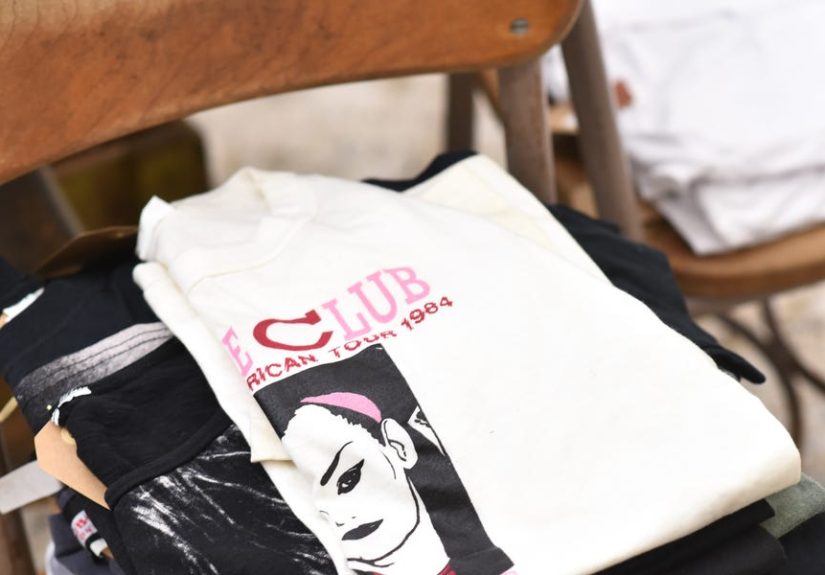
Table of Contents >> Show >> Hide
- Why Vintage T-Shirts Are Worth Saving
- How to Pick the Right T-Shirt for the Right Project
- 1. Turn Your Favorite Tees Into a Memory Quilt
- 2. Make a Throw Pillow That Actually Means Something
- 3. Create a No-Sew Tote Bag
- 4. Frame the Best Graphics as Wall Art
- 5. Turn Old Tees Into T-Shirt Yarn for Plant Hangers, Baskets, and Coasters
- 6. Braid a Rug, Mat, or Trivet
- 7. Make Headbands, Scrunchies, and Soft Hair Wraps
- 8. Use the Fabric for Patches, Appliqué, and Repair Work
- Common Mistakes to Avoid
- Experiences People Often Have When Repurposing Vintage T-Shirts
- Conclusion
Every closet has them: the concert tee that survived three apartments, the faded college shirt that still smells vaguely like pizza and bad decisions, and the soft vintage graphic tee you cannot bring yourself to donate because it feels like a wearable scrapbook. The problem is simple: you are not wearing all of them, but you also do not want them turning into drawer fossils.
That is where repurposing comes in. Giving vintage T-shirts a second life is practical, budget-friendly, and surprisingly fun. It also helps you hold onto the stories stitched into those shirts without forcing them back into your weekly outfit rotation like some kind of nostalgic hostage situation. Better yet, most of these ideas work whether your shirt is perfectly preserved, slightly stained, stretched out, or hanging on by the heroic strength of old cotton jersey.
In this guide, you will find eight creative ways to repurpose your vintage T-shirts, from keepsake projects to useful everyday upgrades. Some are beginner-friendly and no-sew. Others are ideal if you enjoy a little crafting chaos and own scissors that mean business. Along the way, you will also learn how to choose the right shirts, avoid common mistakes, and make the most of sentimental pieces without turning them into a Pinterest tragedy.
Why Vintage T-Shirts Are Worth Saving
Vintage T-shirts are not just old clothes. They carry personality, memories, and that impossible-to-fake softness modern shirts spend years trying to imitate. A cracked logo, worn hem, or faded print can make a shirt more charming, not less. That is especially true for concert tees, school shirts, sports designs, destination souvenirs, and classic graphic prints.
Repurposing them also makes sense on a practical level. Old tees are made from flexible knit fabric, which means they are easy to cut, braid, stitch, stuff, knot, or frame. Cotton jersey is forgiving, beginner-friendly, and far less dramatic than silk, satin, or any fabric that behaves like it has personal grievances.
And yes, there is an environmental angle too. Reusing clothing helps extend the life of materials you already own. That means less waste, fewer unnecessary purchases, and more value squeezed from something that might otherwise end up forgotten in a closet or tossed too soon.
How to Pick the Right T-Shirt for the Right Project
Before you start cutting, take a good look at the shirt. Not every vintage T-shirt belongs in the same project.
Use your best graphic tees for display-driven projects
If the front design is the star, save it for a wall hanging, pillow, framed piece, quilt square, or tote bag panel. Projects that showcase the print make the most sense for memorable logos, band artwork, or retro typography.
Use stretched, stained, or plain shirts for utility projects
If a tee has stains near the hem or underarms, do not force it into a keepsake role. Use it for yarn, cleaning cloths, braided rugs, planter hangers, or patchwork filler instead.
Wash carefully before repurposing
Wash printed and brightly colored shirts inside out, use cold water, and avoid high heat if possible. This helps preserve graphics and keeps older fabric from fading or shrinking even more than it already has after surviving several presidential administrations.
1. Turn Your Favorite Tees Into a Memory Quilt
A T-shirt quilt is one of the best ways to repurpose vintage T-shirts with sentimental value. It lets you keep dozens of memories in one useful item instead of stuffing them into a storage bin labeled “Important, probably.”
This project works especially well for concert shirts, sports teams, school clubs, vacation tees, race shirts, and family keepsakes. Cut the graphic sections into even panels, stabilize stretchy fabric with interfacing, and arrange them in a layout before sewing. You can back the quilt with fleece or soft cotton for extra coziness.
The beauty of a memory quilt is that it tells a story. One square can say “first road trip,” another can say “best concert ever,” and another can quietly whisper “I peaked in intramural softball.” It becomes more than decor. It becomes a soft archive.
Best for:
Large collections of meaningful shirts, graduation keepsakes, sports seasons, family memory projects.
2. Make a Throw Pillow That Actually Means Something
If sewing a full quilt feels like a commitment, start with a pillow. A T-shirt pillow is simple, useful, and a great way to preserve a favorite front graphic. You can make one with basic sewing skills, or use a no-sew method with fabric adhesive or fusible web if you would rather not audition for Project Runway.
Pillows are perfect for shirts that are too special to wear but too beloved to cut into tiny pieces. A vintage camp tee, old band shirt, or college logo can become an accent pillow for a bed, reading chair, or couch. Instead of hiding it in a drawer, you get to see it every day.
For the best result, stabilize soft or stretchy shirts so the pillow holds its shape. If the graphic is centered, measure carefully before cutting. Nothing ruins a cool vintage print faster than turning it into a pillow where the lead singer’s face is trapped in one corner.
Best for:
One favorite shirt, memorial projects, dorm decor, casual home accents.
3. Create a No-Sew Tote Bag
This is one of the fastest and most practical ways to repurpose a vintage T-shirt. Cut off the sleeves, widen the neck opening for handles, and tie or knot the bottom shut. Suddenly, your old tee is a tote bag for groceries, books, gym gear, or that random collection of chargers living in your car.
The no-sew tote is especially great for shirts with a bold front graphic because the design remains fully visible. A vintage tourist shirt or retro logo tee can look surprisingly stylish as a reusable bag, especially when the fabric has already softened with age.
If you want a sturdier version, sew the bottom seam instead of knotting it. You can also reinforce the handles or double-layer the fabric for heavier items. Either way, the result is useful, washable, and much cooler than accepting another free tote from a conference you barely remember attending.
Best for:
Farmer’s market runs, library trips, beach essentials, quick beginner projects.
4. Frame the Best Graphics as Wall Art
Some vintage T-shirts are simply too iconic to chop up. If the shirt has a standout graphic, rare concert print, or design you genuinely love, frame it like art. This works beautifully in music rooms, home offices, bedrooms, game rooms, or anywhere you want a little personality on the wall.
You can stretch the shirt over foam board, mount the design in a shadow box, or display only the graphic portion in a clean frame. This approach keeps the design intact while protecting it from more wear and tear. It is especially smart for delicate shirts that are too thin to wear often but too cool to hide away.
Framed tees also create instant conversation. Guests see a shirt from a legendary tour, an old summer camp, or a long-gone local business, and suddenly your wall has a backstory. That is far more interesting than generic wall decor pretending to have a personality.
Best for:
Rare prints, fragile shirts, music memorabilia, vintage logos, collector pieces.
5. Turn Old Tees Into T-Shirt Yarn for Plant Hangers, Baskets, and Coasters
If you have shirts that are too worn for display projects, make T-shirt yarn. Cut the fabric into continuous strips, stretch the strips so the edges curl inward, and roll the result into a soft fabric yarn. From there, you can braid, crochet, knot, or weave it into all kinds of useful items.
One of the smartest uses for T-shirt yarn is a hanging planter. The jersey fabric is flexible, strong, and slightly forgiving, which makes it ideal for simple knotted plant holders. You can also use it for coasters, baskets, trivets, and even chunky rugs if you have enough material.
This option is perfect for plain tees, stained shirts, or fabrics with awkwardly placed graphics. Instead of trying to save every logo, you transform the shirt into texture and function. It is a little messy, a little crafty, and very satisfying.
Best for:
Damaged shirts, plain shirts, plant lovers, basket makers, beginner fiber projects.
6. Braid a Rug, Mat, or Trivet
Vintage T-shirts may be soft, but when braided together they become surprisingly sturdy. Cut several shirts into strips, braid them into long ropes, and coil or stitch them into a rug, bath mat, entry mat, or table trivet. The final result has a cozy, handmade look that feels both nostalgic and useful.
This is a great group project if you have a pile of colorful tees. Different shades and prints create a one-of-a-kind pattern, and you do not need perfection for it to look good. In fact, slight irregularities make it feel more organic and charming. This is one of those rare crafts where “not perfect” is basically part of the design brief.
A braided rug works best with tees that are beyond wearable condition but still strong enough to handle repeated use. You can keep it small for a mug mat or go big for a bathroom rug depending on how many shirts you are willing to sacrifice to the craft gods.
Best for:
Colorful shirt collections, utility projects, beginner sewing, small home decor updates.
7. Make Headbands, Scrunchies, and Soft Hair Wraps
Stretchy T-shirt fabric is ideal for hair accessories. A vintage tee can become a braided headband, scrunchie, twist wrap, or simple fabric tie in under an hour. It is a low-risk project, which is perfect if the idea of cutting into a sentimental shirt makes you sweat.
These accessories are great for preserving small pieces of shirts that are too damaged for bigger projects. Maybe the whole shirt is worn out, but the graphic colors or soft cotton still have life left in them. Cut strips, braid or stitch them, and create something lightweight and wearable.
This project is also a sneaky good option for gift-making. A stack of matching scrunchies made from a memorable old shirt can be sweet, funny, or unexpectedly stylish. That old camp tee can finally become useful again instead of waiting for its comeback tour.
Best for:
Small fabric leftovers, quick gifts, no-sew crafts, wearable upcycling.
8. Use the Fabric for Patches, Appliqué, and Repair Work
Sometimes the best way to repurpose a vintage T-shirt is not to turn it into a whole new object. Sometimes it is better as a detail. Cut strong or interesting parts of the fabric into patches and use them to repair jeans, jackets, tote bags, or even other shirts.
A retro logo can become an appliqué on the back of a denim jacket. A soft band tee can patch a torn elbow on a hoodie. A tiny chest graphic can be sewn onto a canvas bag for a subtle vintage touch. This method is especially useful when the shirt itself is too fragile to survive a full transformation but still has one or two sections worth saving.
It is also a smart creative compromise. You do not lose the shirt entirely, but you also do not keep it buried in a drawer like some sacred relic. Instead, you let part of it live on in something you actually use.
Best for:
Fragile shirts, partial graphics, visible mending, denim customization, low-waste crafting.
Common Mistakes to Avoid
Do not cut first and think later. Lay out your project before making the first cut, especially if the shirt has a centered graphic or sentimental text.
Do not skip stabilizing stretchy fabric. T-shirt material can shift and warp. For quilts and pillows, interfacing helps everything behave better.
Do not wash vintage graphics aggressively. Use cold water, turn shirts inside out, and avoid blasting them with high heat unless your long-term goal is “mystery child-sized crop top.”
Do not force every shirt into a keepsake project. Some tees are better suited for yarn, rags, or mats. Sentiment is important, but realism is your friend.
Experiences People Often Have When Repurposing Vintage T-Shirts
Anyone who has ever started sorting through old vintage T-shirts knows this is rarely just a craft project. It turns into a memory project almost immediately. You pull out one old concert tee and suddenly remember the road trip, the awful parking, the overpriced soda, and the moment the opening band somehow stole the whole show. A faded school shirt brings back a specific hallway, a favorite teacher, or a weird tradition you had completely forgotten. That is part of what makes repurposing vintage T-shirts so satisfying. You are not just making a tote bag or pillow. You are editing a personal archive and deciding how to keep the best parts visible.
People also tend to discover that the easiest project is not always the most meaningful one. A no-sew tote is quick and useful, but a pillow made from one shirt you truly loved can feel more special than five efficient crafts made in one afternoon. On the other hand, some people expect a memory quilt to be pure joy and then realize it requires actual planning, matching sizes, stabilizing fabric, and maybe a little patience they did not pack that day. Repurposing teaches you very quickly whether you are a “slow sentimental crafter” or a “grab the scissors and trust the process” person.
Another common experience is surprise at how emotional the cutting part feels. Even people who have not worn a shirt in years can hesitate before the first snip. That reaction is normal. Vintage T-shirts often hold identity as much as fabric. They represent phases of life, music tastes, friendships, teams, schools, and places. Once people get past that first cut, though, the project often becomes easier. The shirt stops being something you were guilty about not wearing and starts becoming something you are actively enjoying again.
There is also a practical kind of satisfaction that comes with these projects. A repurposed T-shirt tote gets used. A braided mat catches muddy shoes. A plant hanger made from jersey yarn actually earns its keep. This usefulness changes the emotional math. Instead of feeling like you saved clutter for sentimental reasons, you feel like you made something smart. That is a big reason people keep coming back to T-shirt upcycling. It gives nostalgia a job.
Finally, people often realize that repurposing vintage T-shirts changes the way they shop and save clothing in the future. You become more selective. You notice fabrics, prints, and memories differently. You start thinking, “Would this still be meaningful in ten years?” That shift is small, but powerful. It turns old shirts from clutter into raw material and helps you build a closet with a little more intention and a lot less regret.
Conclusion
Repurposing vintage T-shirts is one of the easiest ways to blend creativity, practicality, and nostalgia in one project. Whether you turn your tees into a quilt, a tote, a pillow, a rug, or a piece of wall art, the goal is the same: keep the story, lose the clutter, and make something you will actually enjoy. Start with one shirt, choose the project that fits its condition and meaning, and let the fabric do one more good thing before retirement. Your drawer gets lighter, your home gets more personal, and your favorite old tee gets an encore instead of a landfill ending.






 Close
Close