
Table of Contents >> Show >> Hide
- Quick Cajun Carnival Primer (So Your Pot Knows What It’s Doing)
- The 8-Recipe Cajun Mardi Gras Menu
- 1) Courir-Style Chicken & Andouille Gumbo (The “Beads Optional” Centerpiece)
- 2) Cajun Brown Jambalaya (One Pot, Zero Tomato Drama)
- 3) Crawfish Étouffée (Carnival Comfort in a Bowl)
- 4) Red Beans & Rice (The Make-Ahead MVP)
- 5) Crispy Boudin Balls (Small, Golden, and Dangerously Snackable)
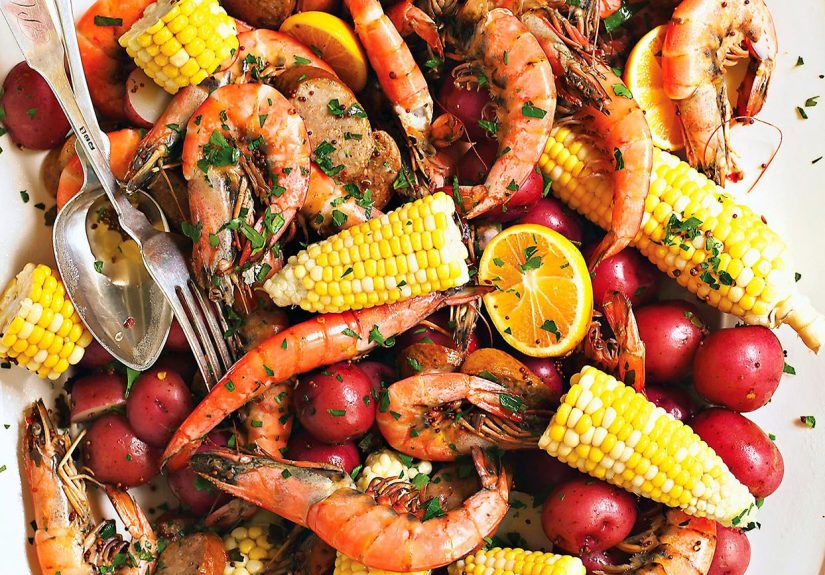
- 6) Louisiana Crawfish (or Shrimp) Boil with the Fixins
- 7) Classic King Cake (Cinnamon Swirl + Purple/Green/Gold Glory)
- 8) Cajun Hot Sausage & Cheese “Savory King Cake” (Yes, Really)
- How to Serve This Menu Without Losing Your Mind
- Kitchen Field Notes: The Mardi Gras Experience (Read This Before You Host)
- Conclusion
Mardi Gras is basically America’s most delicious permission slip: wear sequins before noon, yell “Throw me something!” at strangers, and eat like Lent starts tomorrow (because… it does). But if your idea of Carnival leans more “Cajun Country backroad” than “Bourbon Street balcony,” the menu gets extra soulful: dark roux, smoky sausage, rice that actually shows up on time, and spice that doesn’t apologize.
This Cajun-style Mardi Gras spread takes inspiration from the rural Courir de Mardi Gras traditionwhere costumed riders go house to house collecting ingredients (sometimes even a chicken) for a communal gumbothen rounds it out with party classics you can cook in a normal kitchen without needing a parade permit.
Quick Cajun Carnival Primer (So Your Pot Knows What It’s Doing)
Cajun and Creole cuisines share a lot of DNAgumbo, jambalaya, the “holy trinity” (onion, celery, bell pepper)but Cajun cooking often skews more rustic and “of the land.” One easy tell: Cajun versions of dishes like gumbo and jambalaya typically skip tomatoes, and a Cajun gumbo often starts with a deeper, darker roux.
Also: Mardi Gras colors aren’t random. Purple, green, and gold were given official meanings in the late 1800sjustice, faith, and powerso yes, you can absolutely justify a second helping of gumbo as a civic virtue.
The 8-Recipe Cajun Mardi Gras Menu
Each recipe below includes what it is, why it belongs at Carnival, and how to make it without turning your kitchen into a second-line reenactment of chaos (no promises about your guests).
1) Courir-Style Chicken & Andouille Gumbo (The “Beads Optional” Centerpiece)
If Cajun Mardi Gras had an official fragrance, it would be dark roux, smoked sausage, and the holy trinity sweating in a pot. A Cajun gumbo’s signature depth comes from a roux cooked deep brownnutty and toastythen built up with stock, aromatics, and meat.
- Key ingredients: flour + oil (roux), onion/celery/bell pepper, garlic, andouille, chicken thighs, stock, bay leaf, cayenne, green onion, parsley.
- Thickener options: dark roux alone, plus a pinch of filé at the end if you like a silkier finish.
How to make it: Start by cooking a dark roux slowly, stirring like it owes you money. Add the trinity to stop the roux from darkening further, then garlic. Brown sausage and chicken separately for extra flavor (and better texture), then simmer everything in stock until the chicken is tender. Taste, adjust salt and heat, and serve over rice with green onion and parsley.
Party tip: Gumbo is better the next day. Make it ahead, chill, then rewarm gentlyyour future self will want to high-five you.
2) Cajun Brown Jambalaya (One Pot, Zero Tomato Drama)
Cajun jambalaya is “brown jambalaya” for a reason: color and flavor come from browning meats and vegetables, not tomatoes. It’s smoky, savory, and made for feeding a crowd that just discovered the word “lagniappe.”
- Key ingredients: andouille, chicken, onion/celery/bell pepper, garlic, rice, stock, bay leaf, cayenne, thyme.
- Optional add-ins: shrimp added at the end, or a little tasso if you want extra smoke.
How to make it: Brown sausage and chicken hard enough to build a fond (those browned bits are flavor). Sauté the trinity in the drippings, add garlic and spices, then stir in rice until glossy. Add stock, bring to a simmer, cover, and cook low until rice is tender. Rest off heat so steam finishes the joblike a good parade, timing matters.
Common mistake: Stirring constantly after the liquid goes in. Let it cook. Jambalaya needs patience, not helicopter parenting.
3) Crawfish Étouffée (Carnival Comfort in a Bowl)
Étouffée literally means “smothered,” and that’s exactly the vibe: crawfish tails bathed in a buttery, roux-thickened sauce with green onions, garlic, and enough spice to keep the party honest.
- Key ingredients: butter, flour (light roux), green onions, onion, bell pepper, garlic, crawfish tails, seafood stock, cayenne, black pepper, hot sauce.
- Serve with: hot rice and extra green onion.
How to make it: Make a light blond roux in butter, then add aromatics (especially green oniondon’t be shy). Add stock gradually to build a velvety sauce, simmer briefly, then fold in crawfish at the end so it stays tender. Finish with a dash of hot sauce and a squeeze of lemon if you like brightness.
Shortcut: If crawfish isn’t available, shrimp works beautifullyjust cook it gently to avoid rubbery disappointment.
4) Red Beans & Rice (The Make-Ahead MVP)
Red beans and rice is famously tied to Monday in New Orleans (washday food that could simmer while chores got done), but it’s also a Mardi Gras party hero: cheap, filling, and even better after a night in the fridge.
- Key ingredients: small red beans, onion/celery/bell pepper, garlic, bay leaf, thyme, andouille or ham bone/tasso, rice.
- Texture choices: keep beans mostly whole, or mash a portion to naturally thicken the pot.
How to make it: Soak beans (optional but helpful), then simmer with aromatics, herbs, and smoky pork until creamy. Mash a cup of beans against the side of the pot, stir back in, and serve over rice with sausage slices. If you want to Cajun-lean it, reach for tasso or smoked sausage and keep the seasoning bold.
5) Crispy Boudin Balls (Small, Golden, and Dangerously Snackable)
BoudinCajun sausage with pork and riceis already party-friendly. Roll it into balls, bread it, fry it, and suddenly you’ve invented the “one more won’t hurt” appetizer that destroys self-control.
- Key ingredients: boudin (store-bought is fine), breadcrumbs, egg wash, Cajun seasoning, oil for frying.
- Dipping sauce idea: Creole mustard + mayo + hot sauce + lemon (aka “get out of my way” sauce).
How to make it: Remove boudin from casing, roll into balls, chill to firm. Dip in egg wash, coat in seasoned crumbs, and fry until crisp and deeply golden. Serve hot with dipping sauce and watch them disappear faster than beads in a crowd.
6) Louisiana Crawfish (or Shrimp) Boil with the Fixins
A boil is less a recipe and more a social contract: we gather, we season aggressively, and we accept that everyone’s hands will smell like garlic and joy. Classic add-ins include corn, potatoes, onions, lemons, and smoked sausage.
- Key ingredients: live crawfish (or shrimp), boil seasoning, salt, lemons, garlic, onions, potatoes, corn, andouille.
- Timing concept: a short boil, then a soak off heat so seasoning moves in without overcooking.
How to make it: Bring a large pot of seasoned water to a rolling boil. Cook potatoes and sausage first, then corn. Add crawfish (or shrimp), return to boil briefly, then cut heat and let everything soak so flavor penetrates. Drain and dump onto a covered table like you’re legally required to do.
Safety note: Discard dead crawfish before cooking, keep cooked seafood out of the danger zone, and don’t “taste test” so much you forget to feed the guests. (Kidding. Mostly.)
7) Classic King Cake (Cinnamon Swirl + Purple/Green/Gold Glory)
King cake season traditionally begins on January 6 (Epiphany) and runs through Mardi Gras. It’s a ring-shaped sweet breadoften cinnamon-filledtopped with icing and purple/green/gold sugar. A small trinket or baby is traditionally hidden inside; whoever finds it is “it” for the next party.
- Key ingredients: enriched yeast dough (milk, eggs, butter), cinnamon-sugar filling, icing, colored sugars.
- Optional fillings: cream cheese, praline, fruit jam.
How to make it: Make a soft yeast dough, let it rise, then roll out and fill with cinnamon-sugar. Shape into a ring, proof again, bake until golden, then ice and shower with colored sugar. Hide the trinket after baking (for safety), and announce the rules before slicingbecause someone will act surprised and “accidentally” get the biggest piece.
8) Cajun Hot Sausage & Cheese “Savory King Cake” (Yes, Really)
If you love tradition but also love being a little chaotic (in the fun way), take a Cajun detour: a savory king cake inspired by the flavors of boudin and hot sausage. It eats like a pull-apart bread you can slice and shareperfect for game day, parade day, or “we started celebrating at lunch” day.
- Key ingredients: yeast dough (or enriched bread dough), boudin or spicy sausage, pepper jack, green onion, a little Cajun seasoning.
- Finish: brush with butter; sprinkle with green onion; optional drizzle of spicy mustard sauce.
How to make it: Roll dough into a rectangle, layer cooked sausage/boudin and cheese, roll up, split lengthwise, then twist into a ring. Bake until browned and bubbling. This one doesn’t need a baby insidejust give the host a slice and call it even.
How to Serve This Menu Without Losing Your Mind
For a stress-free Cajun Mardi Gras party, aim for one “big pot” (gumbo), one “big rice” (jambalaya), one seafood moment (étouffée or boil), and a few grab-and-go bites (boudin balls, king cake). Put rice on autopilot (rice cooker is allowedno culinary police will show up), keep hot sauce on the table, and let guests build their own plates like it’s a parade route: messy, joyful, and slightly competitive.
Kitchen Field Notes: The Mardi Gras Experience (Read This Before You Host)
The funniest thing about throwing a Cajun-style Mardi Gras party at home is how quickly your kitchen develops a personality. First, it becomes an aroma machine. A dark roux smells like toasted nuts and ambition. Andouille announces itself like a brass band walking through your hallway. By the time the trinity hits the pot, the house is basically shouting, “Y’all hungry?” even if no one actually said it out loud.
Home cooks usually notice that gumbo is the social glue. People drift toward the stove, lift the lid “just to look,” and suddenly they’re telling you about the best gumbo they ever hadoften delivered with the confidence of someone who has never made roux in their life. Let them talk. Gumbo is a storyteller. It makes everyone an expert and nobody a judge, which is exactly the energy you want at Carnival.
Jambalaya, on the other hand, is the party’s timekeeper. If you let it rest, it rewards you with rice that’s tender and cohesive. If you rush it, it reminds youpolitely but firmlythat rice can sense fear. A good move is to cook jambalaya earlier than you think, then hold it warm. It “settles” in the best way, and guests can eat whenever the room’s energy shifts from “snacking” to “serious plate-building.”
Crawfish étouffée tends to create a different kind of excitement: quiet happiness. It’s rich but not heavy, spicy but flexible, and it makes a bowl of rice feel like a personal gift. If you’re feeding a mixed crowd, this is where you can manage heat without watering down flavorkeep the base balanced, then offer hot sauce and cayenne at the table. People love being in control of their own “woo!” level.
A boil is pure interaction. Even when you cook shrimp instead of crawfish, the experience is the same: everyone gathers, everyone learns the peel, and someone inevitably invents a new technique that is… not correct, but enthusiastic. The best hosting trick is to set up a “cleanup station” that feels intentional: paper towels, wet wipes, a trash bowl, and a big pitcher of water. Not glamorous, but extremely heroic. Also, plan a second batch of corn and potatoes. They vanish like magic.
Boudin balls bring out the snack goblins. People say they’ll “just have one,” then return three minutes later with the exact same sentence. Make extra. Serve them with something tangy (mustard, pickles, lemon) so the richness feels bright and addictive instead of heavy. If you want to feel like a genius, fry the first batch right as people arrivewarm, crispy food in the first ten minutes sets the mood like a marching band.
Finally, king cake is your built-in finale. The moment you put it out, the room changes. Phones appear. People debate fillings like it’s a major sporting event. If you include the traditional trinket, announce the “finder hosts next time” rule earlyotherwise you’ll witness the very first documented case of someone chewing slowly to avoid responsibility. And that, honestly, is the most Mardi Gras thing imaginable.
The overall experience you’re aiming for is “organized abundance.” Cajun Mardi Gras food isn’t fussy; it’s generous. The best parties feel like the kitchen is open, the pot is welcoming, and everyone’s invitedeven the friend who shows up “just to say hi” and somehow leaves with a container of gumbo. That’s not a bug. That’s the tradition working as intended.
Conclusion
Cajun-style Mardi Gras cooking is about big flavors, bigger pots, and the kind of hospitality that makes a Tuesday feel legendary. With gumbo, jambalaya, étouffée, red beans, boudin balls, a proper boil, and two takes on king cake, you’ve got a full Carnival menu that celebrates Louisiana’s most joyful seasonno parade permit required.






 Close
Close