
Table of Contents >> Show >> Hide
- Before You Pick a Look: What a Chimney Has to Do (Besides Look Pretty)
- A Quick Cheat Sheet: Match Style, Budget, and Maintenance
- 9 Chimney Designs to Consider (With Real-World Pros and Cons)
- 1) Classic Brick Chimney (The Timeless Default for a Reason)
- 2) Corbelled or Patterned Brick (A Brick Chimney With a Personality)
- 3) Tapered Craftsman Chimney (Wide-Base, Cozy-Heart Energy)
- 4) Full Stone Chimney (The “I Own Boots and Maybe a Cabin” Look)
- 5) Stone Veneer Chimney (Big Texture, Smaller Commitment)
- 6) Stucco/Render Chimney (Mediterranean, Spanish, and Modern Ranch-Friendly)
- 7) Mixed-Material Chimney (Stone Base + Siding or Metal Above)
- 8) Modern Chimney Chase (Clean Lines, Minimal Fuss)
- 9) Tudor/European-Inspired Chimney (Tall, Dramatic, and Proud of It)
- How to Choose the Right Chimney Design for Your House (Without Regret)
- Conclusion: The Best Chimney Design Is the One That Fits Your House (and Your Reality)
- Experience Notes: What Homeowners Commonly Learn After Living With These Chimney Designs
Chimneys don’t get enough credit. They do the dirty work (exhausting smoke and gases), they take the weathering (rain, snow, sun, wind), and they still have the audacity to be a major part of your home’s curb appeal. A good chimney design is like a great haircut: it can make the whole house look sharperwithout saying a word.
Below are nine chimney designs worth considering, with practical pros/cons, style matches, and the unglamorous-but-important details that keep a chimney looking good and working safely. The ideas here synthesize guidance and inspiration from widely used U.S. home-improvement and design resources (think: This Old House, Family Handyman, Bob Vila, Better Homes & Gardens, HGTV, Architectural Digest, Angi) plus safety/code-oriented references (CSIA guidance, EPA and Energy Saver resources, and the International Residential Code).
Before You Pick a Look: What a Chimney Has to Do (Besides Look Pretty)
A chimney is a system, not just a stack of brick. Whether you have a wood-burning fireplace, a wood stove, a gas appliance, or an insert, the chimney’s job is to create draft, move combustion byproducts out of the house, and resist heat and moisture for decades.
The “chimney anatomy” that affects design
- Flue liner: The heat- and corrosion-resistant lining inside the flue (often clay tile in older masonry chimneys, or metal liners for certain appliances).
- Crown/wash: The sloped top surface that sheds water (cracks here are a classic source of leaks and freeze-thaw damage).
- Cap/spark arrestor: The “hat” that helps keep rain, animals, and stray embers where they belong: outside your living room and off your roof.
- Flashing: The metal system where chimney meets roofaka the place water loves to sneak in if it’s poorly detailed.
- Chase (for some chimneys): A framed enclosure around a factory-built metal flue, usually clad to match the home.
Two safety realities that shape chimney design
- Height matters for draft and safety: U.S. residential codes commonly require the chimney to extend at least 3 feet above the roof penetration and 2 feet higher than any portion of the building within 10 feet. That’s why “cute, tiny” chimneys can turn into “why is smoke in my living room?” chimneys.
- Clearances matter around combustibles: Chimneys and framing can’t be best friends. Proper spacing and detailing are non-negotiable, even if your Pinterest board is emotionally attached to shiplap.
Design choices you’ll feel every winter
Chimney location and material influence performance. A centrally located (interior) chimney often stays warmer and drafts more consistently than an exterior chimney exposed to cold air. Meanwhile, porous masonry can absorb water, so details like crowns, caps, and flashing aren’t optional “extras”they’re the difference between “charming” and “crumbling.”
A Quick Cheat Sheet: Match Style, Budget, and Maintenance
| Design direction | Best for | Maintenance vibe |
|---|---|---|
| Traditional brick (simple) | Colonial, traditional, all-around curb appeal | Moderate: tuckpointing over time |
| Statement brick (corbelled/patterned) | Historic styles, Craftsman, Tudor flair | Moderate-to-high: more joints/details |
| Stone (full or veneer) | Rustic, lodge, farmhouse, timeless texture | Moderate: watch mortar and water |
| Stucco/render | Mediterranean, Spanish, modern ranch | Moderate: manage cracks, keep water out |
| Modern chase (fiber-cement/metal panels) | Contemporary exteriors, clean lines | Low-to-moderate: flashing and cover checks |
9 Chimney Designs to Consider (With Real-World Pros and Cons)
1) Classic Brick Chimney (The Timeless Default for a Reason)
If your home style is traditionalColonial, Cape Cod, Georgian, even a lot of modern farmhouse variationsclassic brick just works. A simple running-bond brick chimney with a clean crown and a low-profile cap looks intentional without demanding attention.
Why it works: Brick ages gracefully, pairs with most siding, and instantly signals “this house has cozy plans.” It’s also easy to dress up later with a better cap, a new crown, or tasteful lighting.
Watch-outs: Brick and mortar don’t love water. If you’re in a freeze-thaw climate, insist on good water-shedding details (proper crown, cap, and flashing), and plan for periodic mortar repair (tuckpointing).
2) Corbelled or Patterned Brick (A Brick Chimney With a Personality)
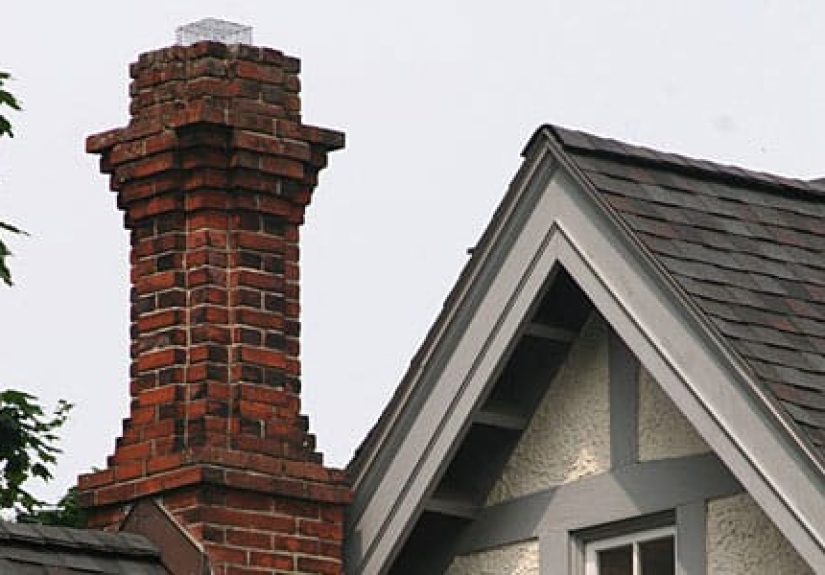
Corbelling (stepping bricks out in small increments) and pattern work (soldier courses, belt courses, decorative bands) can turn a plain stack into an architectural feature. This is especially at home on Tudor, Craftsman, and historic-inspired builds.
Why it works: You get texture and shadow lines that make the roofline more interestinglike adding a great jacket to an otherwise simple outfit.
Watch-outs: More detail means more joints and edges exposed to weather. That’s not a dealbreaker; it just means installation quality and maintenance matter more.
3) Tapered Craftsman Chimney (Wide-Base, Cozy-Heart Energy)
A tapered chimney widens at the base and narrows as it rises, often paired with earthy brick, stone, or mixed materials. It’s a signature move for Craftsman and bungalow-style homes, and it looks “built-in” rather than “added-on.”
Why it works: The wider base feels grounded and substantial. Visually, it complements chunky porch columns, deep eaves, and natural materials.
Watch-outs: Tapering requires careful masonry layout. If the proportions are off, it can look top-heavy or oddly pinchedlike the chimney is trying to fit into skinny jeans.
4) Full Stone Chimney (The “I Own Boots and Maybe a Cabin” Look)
A full stone chimneyfieldstone, ledgestone, or cut stonecreates instant character. Even suburban homes can pull it off if the stone ties into other exterior elements (a stone skirt, entry columns, or landscape walls).
Why it works: Stone brings depth and natural color variation you can’t fake with paint. It’s also a strong match for rustic, lodge, and mountain-inspired architecture.
Watch-outs: Full stone construction can be expensive and heavy, and it demands skilled craftsmanship. Many homeowners choose stone veneer for a similar look at a more approachable costjust make sure the underlying structure and moisture detailing are done right.
5) Stone Veneer Chimney (Big Texture, Smaller Commitment)
Stone veneer is a popular choice when you want the visual punch of stone without the full cost and mass. Done well, it reads as authentic from the street and pairs beautifully with modern farmhouse, transitional, and contemporary exteriors.
Why it works: You can match the stone to landscape features for a cohesive look, and you can choose profiles (tight ledgestone vs. chunky fieldstone) to steer the style.
Watch-outs: Veneer is all about the details behind the scenes: weather-resistive barriers, flashing, weeps/drainage, and proper installation. If those are skipped, veneer can trap moisture and cause headaches later.
6) Stucco/Render Chimney (Mediterranean, Spanish, and Modern Ranch-Friendly)
Stucco chimneys feel right at home on Spanish revival, Mediterranean, Southwestern, and many ranch styles. They also work for modern homes that want a smooth, monolithic exterior. Pair with a tile accent or a simple metal cap for a clean finish.
Why it works: Smooth stucco can make a chimney feel less bulky, and it’s easy to color-match to the rest of the house. It also creates a nice “calm” backdrop if you have bold landscaping or dramatic rooflines.
Watch-outs: Stucco can crack (especially if the structure moves or water gets in). Hairline cracks aren’t unusual, but they should be monitored and repaired so moisture doesn’t turn small lines into big problems.
7) Mixed-Material Chimney (Stone Base + Siding or Metal Above)
Mixed materials are the sweet spot for many homeowners: a stone or brick base for warmth and texture, topped with siding, fiber-cement panels, or metal cladding to echo the home’s exterior. It’s a “best of both worlds” approach that feels intentional on transitional and modern farmhouse homes.
Why it works: It breaks up the vertical mass, helps the chimney blend into the overall facade, and gives you a designer look without going fully custom.
Watch-outs: Transitions are where water tries to audition for a villain role. Pay extra attention to flashing and water management where materials change.
8) Modern Chimney Chase (Clean Lines, Minimal Fuss)
Many contemporary homes use a factory-built metal flue enclosed in a framed chase that’s clad to match the home (smooth panels, fiber-cement lap, board-and-batten, or even standing-seam metal). Visually, it can read like a crisp architectural column.
Why it works: You can align the chase with windows, corners, or exterior trims so it looks like part of the original design. It’s also a practical option when you’re venting a modern gas fireplace or an insert.
Watch-outs: The chase top/cover and roof flashing have to be done correctly. “It’s just a box” is exactly how leaks happen.
9) Tudor/European-Inspired Chimney (Tall, Dramatic, and Proud of It)
If your home has Tudor, English cottage, or European revival cues, a tall, prominent chimney can be the star. Think patterned brick, stone accents, and decorative chimney pots or a distinctive crown detail. This style isn’t shyand it shouldn’t be.
Why it works: It reinforces the architecture and adds instant storybook charm. Done well, it looks like your house came with a plotline.
Watch-outs: Height and detailing raise cost, and tall chimneys are more exposed to wind and weather. Good caps, crowns, and inspections become even more important.
How to Choose the Right Chimney Design for Your House (Without Regret)
Start with the home’s architecture
- Traditional homes: Classic brick, modest detailing, balanced proportions.
- Craftsman/bungalow: Tapered profiles, earthy brick, stone bases, visible texture.
- Mediterranean/Spanish: Stucco with tile accents or simple caps.
- Contemporary: Clean-lined chases, smooth cladding, minimal caps/shrouds.
Be honest about maintenance
If you want “set it and forget it,” a well-detailed modern chase may fit your lifestyle better than a highly detailed masonry showpiece. If you love historic character, just budget for periodic mortar work and water management so your chimney stays charmingnot crumbly.
Don’t skip the unsexy upgrades
- Cap + spark protection: Helps keep embers, rain, and critters out while protecting the roofline.
- Quality flashing: One of the biggest leak-prevention details on any chimney.
- Regular inspections: A small annual appointment can prevent expensive surprises.
- Energy habits: Keeping the damper closed when not in use reduces heat loss up the flue.
Conclusion: The Best Chimney Design Is the One That Fits Your House (and Your Reality)
Chimney design is part architecture, part building science, and part common sense. Pick a style that matches your home’s era and materials, then protect that investment with good water-shedding details (crown, cap, flashing) and regular maintenance. Whether you go classic brick, dramatic Tudor, sleek modern panels, or a stone-and-siding mix, the goal is the same: a chimney that drafts well, weathers well, and looks like it truly belongs.
Experience Notes: What Homeowners Commonly Learn After Living With These Chimney Designs
Homeowners who love their chimneys usually describe the same pattern: they chose a design that fit the house, and they treated the chimney like part of the roof systemnot a decorative accessory. That mindset matters because chimneys sit at the intersection of heat, water, and wind… which is basically the Avengers of “things that break houses.”
People with classic brick chimneys often say the biggest surprise is how much water management affects everything. When the cap is missing or the crown is cracked, they notice stains, musty smells, or efflorescence on the exterior long before they notice anything “fireplace-related.” Once those top details are repaired, brick chimneys tend to feel reassuringly solidand homeowners appreciate how brick quietly matches almost any exterior refresh, from new shutters to a new front door color.
Those who pick statement brick (corbelling or patterns) frequently report high satisfaction with curb appealneighbors notice it, real estate photos love itbut they also learn that more detail means more surfaces for weather to work on. The “experience upgrade” here is preventive maintenance: getting small mortar joints touched up early feels expensive in the moment, but it’s cheaper than letting water widen cracks for a few seasons. Many homeowners end up saying, “I wish I’d scheduled inspections sooner,” not because something terrible happened, but because peace of mind is oddly addictive.
With stone (full or veneer), homeowners often describe the look as “instant character,” especially when the stone ties into landscaping. The common lesson is to think about the chimney as part of a whole exterior palette. If the stone is too busy or the color clashes with the roof, the chimney can dominate in a way that feels unbalanced. But when the stone is chosen to echo nearby hardscaping or the home’s foundation, people say it makes the entire house feel more “finished.” Veneer owners, in particular, tend to become unexpectedly fluent in the phrase “water behind the cladding,” because they learn the value of proper drainage and flashing details.
Homeowners who choose stucco chimneys love the smooth look, especially on Mediterranean or modern ranch homes, but they commonly learn to watch for small cracks and treat them early. The experience here is less about drama and more about routinelike sealing grout in a shower. Done proactively, it’s painless; ignored, it becomes a bigger repair at the worst possible time (usually right before guests arrive for the holidays, because houses have a sense of humor).
Finally, owners of modern chases and metal flue systems often report the best “daily life” experience: fewer masonry repairs and a clean, integrated lookprovided the chase top and flashing were installed correctly. Their lesson tends to be that modern doesn’t mean maintenance-free; it means different maintenance. They check fasteners, look for rust on metal components, and keep an eye on sealants around roof transitions. Across all designs, the most repeated advice is simple: match the chimney to the home, protect it from water, and don’t wait until smoke (or stains) tells you something is wrong.






 Close
Close