




Table of Contents >> Show >> Hide
- What are fibroids, exactly?
- Can you get pregnant if you have fibroids?
- How fibroids can affect pregnancy
- 1. They can cause pain and pressure
- 2. They may increase miscarriage risk in some situations
- 3. They can affect how the baby is positioned
- 4. They may raise the odds of preterm labor or preterm delivery
- 5. They can complicate labor and delivery
- 6. They may increase the risk of placental problems or postpartum bleeding
- 7. They do not necessarily mean your baby will be too small
- Do fibroids always grow during pregnancy?
- Common symptoms of fibroids during pregnancy
- When should you call your doctor?
- How fibroids are diagnosed and monitored in pregnancy
- Treatment before pregnancy, during pregnancy, and after delivery
- What fibroids mean for your birth plan
- The emotional side of fibroids and pregnancy
- Experiences people often describe when fibroids and pregnancy overlap
- Final takeaway
Note: This article is for informational purposes only and is not a substitute for medical advice, diagnosis, or treatment from your OB-GYN, midwife, fertility specialist, or primary care clinician.
Finding out you have fibroids during pregnancy can feel a little like opening a welcome gift bag and discovering it contains stress, Google tabs, and one very dramatic group chat. The good news is that fibroids are common, usually benign, and often far less catastrophic than your late-night internet spiral suggests. The less-fun news is that they can affect fertility, pregnancy symptoms, and delivery plans in some cases. That is why a calm, realistic understanding matters.
If you are trying to conceive, already pregnant, or just learned that a fibroid has taken up residence in your uterus without paying rent, here is what you should know about how fibroids and pregnancy can interact, what risks are actually worth paying attention to, and what questions to bring to your doctor.
What are fibroids, exactly?
Fibroids are noncancerous growths made of muscle and fibrous tissue that develop in or on the uterus. Doctors may also call them uterine fibroids, myomas, or leiomyomas. They are incredibly common, and many people never know they have them because some fibroids cause zero symptoms. Others, however, are louder than a marching band in a library.
Fibroids are usually described by location, and location matters a lot in pregnancy:
Submucosal fibroids
These grow into the uterine cavity. They are the most likely type to interfere with implantation, fertility, and miscarriage risk because they can distort the space where an embryo needs to settle in and grow.
Intramural fibroids
These grow within the muscular wall of the uterus. They are the most common type. Some are harmless background characters, while others become large enough to affect bleeding, pressure, or the shape of the uterus.
Subserosal fibroids
These grow on the outside of the uterus. They are less likely to affect implantation but can still cause pressure, pain, and discomfort if they become large.
Pedunculated fibroids
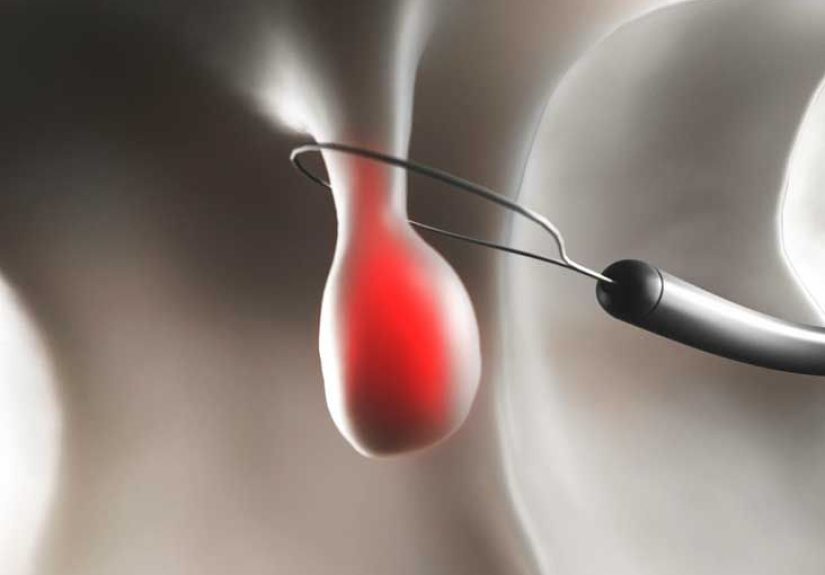
These are attached by a stalk, almost like the fibroid decided to dangle for attention. They can sometimes cause pain if they twist or outgrow their blood supply.
In plain English: not all fibroids are equal. A small fibroid on the outside of the uterus may do almost nothing. A fibroid that bulges into the uterine cavity may matter much more, even if it is smaller.
Can you get pregnant if you have fibroids?
Yes, often. Many people with fibroids get pregnant without fertility treatment and go on to have healthy pregnancies and healthy babies. Having fibroids does not automatically place you in a doomed-romance plot with your reproductive system. In many cases, the fibroids are simply observed and monitored.
That said, fibroids can make conception harder depending on their size, number, and location. The highest concern usually comes with submucosal fibroids or fibroids that block the uterine cavity or fallopian tubes. These can interfere with implantation, increase miscarriage risk, or complicate fertility treatments such as IVF.
Generally speaking, the fibroids most likely to raise eyebrows in a fertility clinic are the ones that distort the uterine cavity, the ones that are large, and the ones that show up in multiples. One fibroid is not always a big problem. A crowd of them can be more complicated.
How fibroids can affect pregnancy
Pregnancy with fibroids is often completely manageable, but there are a few ways the relationship can get a little messy.
1. They can cause pain and pressure
Fibroids may grow in response to pregnancy hormones, especially in early pregnancy. That can lead to pelvic pressure, lower back pain, abdominal discomfort, constipation, or frequent urination. In some cases, a fibroid can outgrow its blood supply and become very painful, a process often referred to as degeneration. This is one of the more common reasons fibroids become suddenly dramatic during pregnancy.
2. They may increase miscarriage risk in some situations
Not every fibroid raises miscarriage risk. The bigger concern tends to be fibroids that distort the uterine cavity, especially submucosal fibroids. These can interfere with implantation or early development. Meanwhile, many people with fibroids that do not distort the cavity carry pregnancies just fine.
3. They can affect how the baby is positioned
Large fibroids may take up space in a way that makes it harder for a baby to settle into a head-down position. That may increase the likelihood of breech presentation or another less-than-ideal position late in pregnancy.
4. They may raise the odds of preterm labor or preterm delivery
Some studies and clinical guidance associate fibroids with a higher risk of preterm labor or preterm birth, especially when the fibroids are large, numerous, or located in spots that affect the uterus more directly. Again, this is a risk factor, not a guarantee.
5. They can complicate labor and delivery
Fibroids may contribute to labor that does not progress well, particularly if they block part of the birth canal or significantly alter the shape of the uterus. In those cases, a cesarean delivery may be the safer option. But this is important: having fibroids does not automatically mean you will need a C-section.
6. They may increase the risk of placental problems or postpartum bleeding
Some patients with fibroids have a higher risk of placental abruption or postpartum hemorrhage. This is one reason your OB-GYN may keep a closer eye on the pregnancy and delivery plan if your fibroids are large, numerous, or in a tricky location.
7. They do not necessarily mean your baby will be too small
This is one of the more reassuring updates in recent research. While older concerns linked fibroids with poor fetal growth, newer NIH data suggest fibroids do not appear to typically result in undersized newborns. That does not erase every risk, but it does add some welcome perspective.
Do fibroids always grow during pregnancy?
Not always, and that is where fibroids become annoyingly unpredictable. Some grow in the first trimester, some stay about the same, and some even get smaller over time. Researchers have found that fibroid behavior during pregnancy varies quite a bit depending on the starting size and the individual patient.
What happens after pregnancy can be just as important. Some fibroids shrink once hormone levels settle and the uterus returns closer to its pre-pregnancy size. That is why doctors often recommend reassessing fibroids after delivery rather than making big treatment decisions in the middle of pregnancy unless symptoms are severe.
Common symptoms of fibroids during pregnancy
Some people feel absolutely nothing. Others get a not-so-lovely sampler platter of symptoms, including:
- Pelvic pressure or heaviness
- Abdominal pain or cramping
- Lower back pain
- Frequent urination
- Constipation
- Spotting or bleeding
- A feeling that your uterus has become a little too committed to chaos
These symptoms can overlap with normal pregnancy complaints, which is part of what makes fibroids so confusing. Pregnancy already comes with pressure, bloating, random aches, and urgent bathroom trips. Fibroids can turn the volume up, which is why context and imaging matter.
When should you call your doctor?
Call your clinician if you have severe pain, vaginal bleeding, fever, vomiting, contractions, worsening pressure, or symptoms that feel suddenly different from your usual pregnancy discomfort. In later pregnancy, decreased fetal movement also deserves prompt attention. Fibroids can cause benign symptoms, but pregnancy is not the time to play guessing games with severe pain or bleeding.
How fibroids are diagnosed and monitored in pregnancy
Fibroids are commonly found on ultrasound, sometimes before pregnancy and sometimes during a routine prenatal scan. For many patients, the first clue is hearing something like, “Everything looks okay, and by the way, you also have a fibroid.” Not exactly the bonus announcement anyone requested, but it happens.
Once a fibroid is identified, your doctor may monitor:
- Its size and location
- Whether it distorts the uterine cavity
- Its relationship to the placenta
- The baby’s position later in pregnancy
- Whether symptoms are increasing
Some patients need only routine prenatal care with a few extra checks. Others may need closer follow-up, especially if there are large fibroids, significant pain, bleeding, or a history of pregnancy loss or fertility issues.
Treatment before pregnancy, during pregnancy, and after delivery
Before pregnancy
If fibroids are causing infertility, repeated miscarriage, heavy bleeding, or major pain before pregnancy, treatment may be recommended. A myomectomy, which removes fibroids while preserving the uterus, is often the main surgical option for patients who want future pregnancies. It can improve fertility in some situations, especially when a fibroid affects the uterine cavity.
However, myomectomy is not a casual haircut for your uterus. The type of surgery, number of fibroids removed, and location of the incisions can affect future pregnancy management. Some patients who have had an abdominal or laparoscopic myomectomy may be advised to have a cesarean birth in a later pregnancy because of the scar on the uterus.
During pregnancy
Treatment during pregnancy is usually conservative. That means rest, hydration, monitoring, and pregnancy-safe pain management if needed. Surgery to remove fibroids during pregnancy is rare and typically reserved for unusual emergency situations. Most doctors prefer not to disturb the uterus surgically while a baby is living in it. Reasonable, honestly.
After delivery
Once pregnancy is over, the picture may change. If the fibroids shrink and symptoms settle down, treatment may not be necessary. If the fibroids remain painful, cause heavy bleeding, or affect future fertility plans, your doctor may discuss medication, myomectomy, or other procedures.
One important point for family planning: uterine fibroid embolization is often considered for patients who want symptom relief but are not planning future pregnancy. If preserving or pursuing fertility is a major goal, that should be part of the treatment conversation from day one.
What fibroids mean for your birth plan
A fibroid diagnosis does not automatically write your birth plan for you. Plenty of people with fibroids still have vaginal births. But your care team may think more carefully about fetal position, placental location, prior uterine surgery, and whether any fibroid sits in a place that could interfere with labor.
In practical terms, that means your birth plan may need some flexibility. And honestly, that is true for many pregnancies, with or without fibroids. The goal is not a perfect script. The goal is a safe parent, a safe baby, and a team that knows what it is dealing with.
The emotional side of fibroids and pregnancy
Fibroids do not just affect the uterus. They can affect how a person feels about timing, fertility, body trust, pregnancy anxiety, and future family planning. A diagnosis can bring up fear fast: Will I miscarry? Will I need surgery? Will I need a C-section? Is this why getting pregnant took so long? Those questions are normal.
The hard part is that fibroids live in the gray zone. They are common, but their effects vary wildly. Some people barely notice them. Others wind up navigating fertility treatment, pain crises, or more complex delivery plans. That uncertainty can feel emotionally exhausting, even when the pregnancy itself is going well.
If that is your situation, you are not overreacting. You are managing uncertainty, and uncertainty is one of pregnancy’s least charming features.
Experiences people often describe when fibroids and pregnancy overlap
Experience 1: The surprise ultrasound discovery. A lot of people do not know they have fibroids until an early pregnancy scan. They walk into the appointment expecting to hear about gestational age and maybe see a tiny gummy-bear-shaped embryo, then leave with a new vocabulary word and twelve extra questions. This experience is common. For some, the doctor says the fibroid is small and unlikely to matter. For others, the next step is extra monitoring. Either way, it can be unsettling to learn your uterus has an unexpected co-tenant.
Experience 2: Pain that feels sharper than “normal pregnancy discomfort.” Some patients describe a sudden episode of intense localized pain, especially in the first or second trimester, that turns out to be related to fibroid degeneration or stretching around the fibroid. It may feel different from round ligament pain or everyday cramping. That difference matters. The pain can be scary, but with evaluation and pregnancy-safe treatment, many patients are able to manage it without long-term complications.
Experience 3: Pressure, fullness, and constant bathroom trips. Large fibroids can make a pregnant abdomen feel crowded earlier than expected. Some people describe the sensation as being pregnant and then somehow “extra pregnant.” There may be more pelvic heaviness, constipation, back pain, or the feeling that the bladder has lost all interest in teamwork. These symptoms can be physically draining, even when the pregnancy remains healthy.
Experience 4: The fertility backstory. For some people, fibroids become part of the story before pregnancy ever begins. They may have months or years of heavy periods, anemia, repeated early losses, or fertility treatment before anyone connects the dots. If a fibroid is distorting the uterine cavity, finally identifying it can feel frustrating and relieving at the same time. Frustrating because it took so long. Relieving because there is finally a concrete issue to address.
Experience 5: The delivery conversation changes late in pregnancy. Some patients go into the third trimester assuming vaginal delivery is still likely, then learn the baby is breech or that a large fibroid may affect labor. That can bring disappointment, especially when a person had strong hopes for a certain kind of birth. Others feel relieved to have a clearer plan. Both reactions are valid. Birth planning with fibroids often involves a little more flexibility and a little less attachment to the fantasy version of how everything “should” go.
Experience 6: Postpartum reassessment feels unexpectedly hopeful. After delivery, some people discover the fibroids are smaller or less symptomatic than they were during pregnancy. Others still need treatment and are ready to finally deal with years of heavy bleeding or pain. Either way, the postpartum period often brings a fresh chance to evaluate what the fibroids are doing when pregnancy hormones are no longer running the show. For many patients, that follow-up appointment is the moment things start to feel more manageable and less mysterious.
Final takeaway
Fibroids and pregnancy can absolutely overlap without disaster. In fact, that is often what happens. The main thing to understand is that fibroids are not a one-size-fits-all diagnosis. A tiny subserosal fibroid on the outside of the uterus is a very different story from a large submucosal fibroid pushing into the uterine cavity.
The real questions are these: Where is the fibroid? How big is it? How many are there? Is it causing symptoms? Is it affecting the uterine cavity, placenta, fetal position, or labor plan? Once you know those answers, the situation usually feels a lot less foggy.
If you have fibroids and are pregnant, or want to become pregnant, the smartest move is not panic. It is partnership. A good OB-GYN or fertility specialist can help you sort out which fibroids are just hanging around and which ones deserve a real strategy. Your uterus may be doing the most, but with the right plan, that does not mean your pregnancy has to.