
Table of Contents >> Show >> Hide
- Why Electric Lawn Mowers Have Gained So Much Ground
- Where Gas Lawn Mowers Still Have a Real Advantage
- Cost: Cheaper Up Front or Cheaper to Own?
- Has Electric Taken Over for the Average Homeowner?
- Who Should Buy an Electric Lawn Mower?
- Who Should Still Consider Gas?
- The Real Verdict
- Real-World Experiences: What It Feels Like to Use Electric vs. Gas
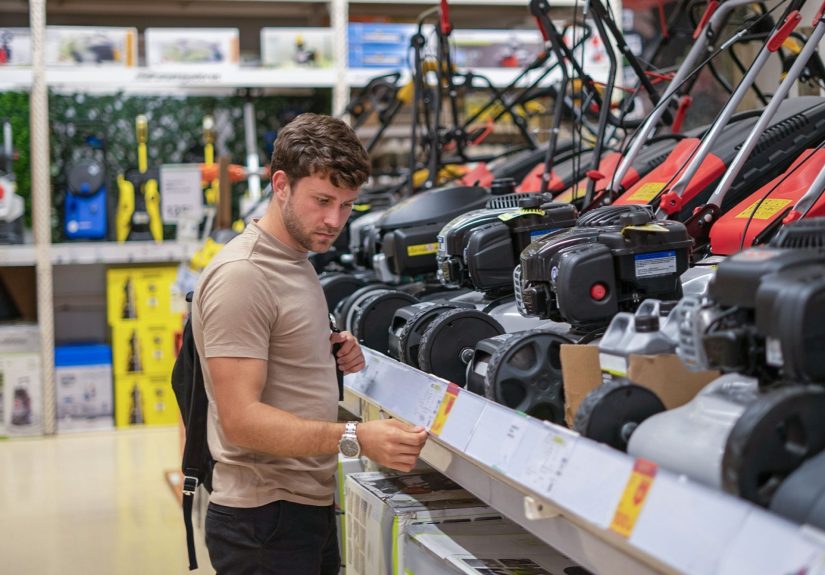
If lawn mowers had a family reunion, the gas mower would arrive in steel-toe boots smelling faintly of fuel and confidence, while the electric mower would glide in quietly, looking annoyingly organized and carrying a fully charged battery. For years, gas ruled the lawn like an untouchable monarch. It had the power, the runtime, and the reputation. Electric mowers were often treated like the polite cousin who tried hard but probably needed a nap halfway through the yard.
That story has changed fast. Today’s battery-powered lawn mowers are no longer novelty tools for tiny postage-stamp lawns. They can mulch, bag, side-discharge, self-propel, fold for compact storage, and in many cases deliver cutting performance that would have seemed impossible a decade ago. So the big question is no longer whether electric mowers are “good enough.” The real question is whether they have officially taken over.
The honest answer is this: electric lawn mowers have taken over a huge part of the residential market, but they have not completely replaced gas. Not yet. For many homeowners, especially those with small to medium-size yards, electric has become the smartest default choice. But gas still holds meaningful ground where raw endurance, heavy cutting conditions, and large properties are part of the weekly battle plan.
Why Electric Lawn Mowers Have Gained So Much Ground
The rise of electric mowers is not a mystery. It is the result of several improvements arriving at the same time: better lithium-ion batteries, stronger brushless motors, smarter power management, lighter frames, and better deck designs. In plain English, electric mowers stopped acting like backup dancers and started headlining the concert.
1. They are dramatically easier to live with
This is probably the biggest reason electric mowers have surged. Homeowners do not just buy mowing power. They buy convenience. A gas mower asks for gasoline, oil, air-filter attention, spark-plug care, winter storage habits, and the occasional act of faith when it refuses to start on the first pull. An electric mower usually asks for one thing: charge the battery and press a button.
That difference matters. If you mow once a week during the growing season, the machine that starts instantly and does not demand a mini mechanical apprenticeship is going to win a lot of hearts. For busy homeowners, electric feels less like yard equipment and more like a modern appliance. You use it, fold it, store it, and move on with your life.
2. They are much quieter
Gas mowers announce themselves to the neighborhood like they are running for office. Electric mowers, by comparison, are far quieter. That does not just make mowing more pleasant; it changes when and how people use them. Early-morning touch-up? Less awkward. Quick evening mow before dinner? More realistic. Your neighbors may still not invite you to every barbecue, but at least they will not glare at you through the curtains.
Lower noise is also a comfort issue. Mowing is still work, but it feels less exhausting when you are not standing behind a roaring engine the whole time.
3. They eliminate gas fumes and reduce routine mess
Electric mowers produce no direct exhaust while operating, and they eliminate the mess of storing and pouring fuel in the garage or shed. That is a big quality-of-life upgrade. You do not end up smelling like a small engine after a 40-minute mow, and your storage area does not turn into a shrine dedicated to gas cans, funnels, and mystery drips.
For homeowners who care about emissions, this point matters even more. Gas-powered lawn equipment is subject to emissions regulation for a reason, and environmental concerns have helped push many buyers toward battery-powered yard tools. Even people who are not especially “green” often discover they do enjoy not breathing engine exhaust on a warm Saturday.
4. The performance gap is much smaller than it used to be
This is where the old debate gets interesting. Gas is still often stronger in absolute terms, especially in ugly conditions like tall, wet, dense grass. But the performance gap has narrowed enough that many homeowners no longer notice much disadvantage in normal weekly mowing. Modern electric mowers can cut cleanly, handle moderate thickness, and offer familiar features like mulching and self-propelled drive systems.
That is why so many recent mower roundups now place battery models at or near the top for mainstream residential use. Electric is not winning because people lowered their standards. It is winning because the machines got much better.
Where Gas Lawn Mowers Still Have a Real Advantage
Now for the part where the gas mower clears its throat and reminds everyone it is not retired. Electric has made huge gains, but gas is not dead. It still solves certain problems better.
1. Large yards and long sessions still favor gas
If you have a bigger property, runtime becomes more than a spec sheet detail. It becomes the entire plot. A gas mower can keep going as long as you have fuel. Refilling takes minutes. A battery mower can absolutely handle larger yards in some cases, especially with multiple batteries, but that introduces planning, charging, battery swapping, and extra cost.
For a homeowner with a tidy suburban lawn, that is manageable. For someone mowing a large lot, a rough field edge, or a property that is always slightly one thunderstorm away from being “aggressively rural,” gas still offers simpler endurance.
2. Tough grass conditions can still expose electric limits
Weekly mowing on dry grass is one thing. Cutting overgrown grass after two weeks of rain is another. Thick, wet, and tall grass demands torque and stamina. Gas mowers often power through these conditions with less slowdown. Electric mowers can do it too, but battery drain rises, and performance may drop if the mower is pushed beyond its sweet spot.
That does not mean electric is weak. It means electric is usually at its best when the lawn is maintained regularly rather than allowed to audition for a nature documentary.
3. Gas can still win on longevity and repair culture
Many people keep a gas mower for years and years, sometimes with repairs, tune-ups, and the sort of “I know a guy” maintenance ecosystem that small engines have always enjoyed. Electric mowers can last well too, but batteries age, replacement packs can be expensive, and long-term repair economics vary widely by brand.
In other words, gas has history on its side. Electric has convenience. Which one matters more depends on the buyer.
Cost: Cheaper Up Front or Cheaper to Own?
This is where the argument gets wonderfully annoying, because both sides can be right.
Gas mowers are often cheaper at the initial purchase point, particularly in traditional walk-behind categories. If you are shopping by sticker shock alone, gas can look attractive. But ownership cost is a longer story. Gas mowers need fuel, oil, tune-ups, filters, spark plugs, and occasional engine service. Electric mowers usually cost more up front, especially when bundled with larger batteries, but they avoid much of that recurring engine-related upkeep.
For many households, electric ends up feeling cheaper because the maintenance burden is lighter and the hassle tax is lower. That said, battery replacement is the wildcard. If you buy into a reliable battery platform and use that same brand across a blower, trimmer, hedge tool, and mower, the value picture improves a lot. If you buy one off-platform mower and later need an expensive replacement battery, the math gets less charming.
The smartest way to think about cost is not “Which is cheaper?” but “Which is cheaper for my yard, my habits, and the next five years?” That is a much better question.
Has Electric Taken Over for the Average Homeowner?
For the average homeowner with a small to medium-size lawn, yes, electric has taken over in practical terms. Not in the sense that gas disappeared from store shelves. Not in the sense that every buyer agrees. But in the sense that if a friend with a quarter-acre suburban yard asks, “What mower should I buy?” the modern answer increasingly begins with battery-powered models.
That shift is visible in testing coverage, buying guides, and even in how manufacturers now position their products. Battery models are no longer treated as niche alternatives. They are front-line recommendations. Even companies with deep gas reputations have leaned into battery offerings, which tells you plenty about where the market sees momentum.
Electric wins especially hard for buyers who value these things:
- easy startup
- lower noise
- less maintenance
- cleaner storage
- shared batteries across multiple yard tools
- regular weekly mowing rather than neglect-and-panic mowing
That covers a very large portion of homeowners. So yes, electric has taken over many lawns. It just has not conquered every last acre.
Who Should Buy an Electric Lawn Mower?
An electric mower is usually the better fit if your yard is modest to medium in size, you mow on a regular schedule, and you want yard work to feel simpler. It is also a strong choice if you hate engine maintenance, live in a neighborhood where noise matters, or already own battery tools from the same brand.
Picture a homeowner with a well-kept yard, a garage that is already crowded, and zero desire to fool with oil changes. That person is electric mower royalty. A foldable battery mower that starts with a button and stands upright in storage is not just a tool for them. It is therapy.
Who Should Still Consider Gas?
A gas mower still makes sense if you regularly cut a large area, deal with thick or wet grass, or want maximum uninterrupted runtime without relying on spare batteries. It is also worth considering if you are comfortable maintaining engines and prefer proven mechanical simplicity over battery management.
For some buyers, gas remains the practical choice rather than a nostalgic one. If your mowing sessions are long and brutal, convenience means fast refueling, not quieter operation.
The Real Verdict
So, has electric taken over? In the residential walk-behind category, it has absolutely taken over a major share of the conversation and, for many homeowners, become the better recommendation. It is quieter, cleaner, easier to maintain, easier to store, and now powerful enough for normal mowing tasks on a wide range of lawns.
But gas still has not been fully dethroned. It remains the better answer for certain large properties, rough conditions, and long runtime demands. The crown has not been stolen. It has been split.
If you want the simplest bottom line, here it is: electric now owns the average yard, while gas still owns the hard jobs. That is a much more accurate headline than “one is better than the other” in every situation.
And honestly, that is a healthy place for the market to be. Competition made electric better. Buyer expectations got higher. And the humble lawn mower, a machine once celebrated mainly for being loud enough to interrupt a nap three houses away, has finally entered its modern era.
Real-World Experiences: What It Feels Like to Use Electric vs. Gas
Talk to people who switch from gas to electric, and you hear the same theme again and again: the biggest difference is not always the cut. It is the experience. A battery mower often makes mowing feel less like a chore with mechanical side quests attached. There is no gas can to refill, no oil to check, and no dramatic pull-cord workout before the machine decides whether it is in the mood to cooperate.
For many homeowners, the first electric-mower surprise is how relaxed the job feels. You press a button, start moving, and the machine hums rather than roars. You can actually hear birds, your podcast, or your own thoughts. That may sound small, but it changes the mood of the task. Mowing becomes less of a battle and more of a routine.
Another common experience is that people mow more consistently with electric. Since setup is simpler, they are more likely to do a quick maintenance cut before the lawn gets out of hand. That matters because electric mowers tend to shine when the grass is maintained regularly. Owners who keep up with weekly cutting often report excellent results and very little reason to miss gas.
Storage is another quiet win. A lot of modern electric mowers fold neatly and take up less room. For homeowners with limited garage space, that is a bigger perk than it sounds. A machine that stores easily is a machine you resent less.
That said, gas owners often describe a different kind of confidence. They like knowing they can mow for as long as needed, refuel in minutes, and attack overgrown patches without worrying about draining a battery. If the lawn is large, uneven, or consistently thick, that confidence is hard to dismiss. Gas can feel reassuringly blunt. It may be louder and messier, but it is ready for ugly work.
There is also the habit factor. People who grew up with gas equipment often trust it more because they understand it better. They know how it sounds, how it behaves, and how to fix common problems. For those users, battery care and replacement costs can feel more uncertain than carburetor cleaning or spark-plug swaps.
In real life, satisfaction usually comes down to matching the tool to the yard. Homeowners with compact or moderate lawns often rave about electric because it removes friction from the entire mowing process. Owners of larger, rougher properties often stay loyal to gas because it matches the demands of the terrain. Neither group is wrong. They are just mowing different realities.
That is why the best experience is rarely about brand tribalism or power-source pride. It is about buying a mower that fits your weekly life. The happiest electric owners are not trying to prove gas is obsolete. They just love that their mower starts instantly, runs quietly, and does the job without drama. The happiest gas owners are not anti-technology. They simply need a machine that can muscle through longer, tougher sessions with no charging breaks.
So if you are deciding between electric and gas, think beyond the spec sheet. Imagine the actual Saturday morning. Your yard size. Your storage space. Your patience level. Your tolerance for noise. Your willingness to do maintenance. The best mower is the one that fits your routine so well you stop thinking about it. That is when you know you bought the right machine.



 Close
Close