
Table of Contents >> Show >> Hide
- The Short Answer: When an Electric Car Makes Financial Sense
- 1. Purchase Price: The EV Premium Is Smaller, but It Is Not Gone
- 2. Charging Costs: Home Charging Can Be a Bargain, Public Charging Can Be a Plot Twist
- 3. Fuel Savings and Daily Operating Costs: This Is Where EVs Often Shine
- 4. Maintenance, Repairs, and Insurance: Lower in Some Places, Higher in Others
- 5. Resale Value and Long-Term Ownership Risk: The Most Overlooked Cost
- So, Should You Buy an Electric Car?
- Real-World Experiences: What EV Ownership Actually Feels Like
- Final Verdict
Buying an electric car used to feel a little like dating someone mysterious, attractive, and slightly intimidating. The promise was exciting: lower fuel bills, less maintenance, fewer gas-station pit stops, and the quiet smugness of gliding past a gas pump without touching your wallet. The worry, of course, was money. Not just the sticker price, but the sneaky costs hiding behind the shiny paint, giant touchscreen, and cheerful range estimate.
So, should you buy an electric car? The honest answer is wonderfully annoying: it depends on how, where, and how much you drive. For some households, an EV can be a smart long-term money move. For others, it can become an expensive lesson in the importance of charging access, insurance quotes, and winter weather. The good news is that you do not need to guess. You can walk through the numbers like a grown-up, even if your inner child still wants the one with the panoramic roof and spaceship door handles.
This guide breaks down the five biggest cost considerations before buying an electric car, plus a practical look at real-life ownership experiences. If you are trying to decide between an EV and a gas car, this is where your calculator gets to wear the cape.
The Short Answer: When an Electric Car Makes Financial Sense
An electric car often makes the most financial sense when you can charge at home, drive enough miles each year to benefit from lower operating costs, and choose a model with reasonable insurance and resale prospects. It makes less sense when you rely heavily on expensive public fast charging, stretch your budget to afford the purchase price, or buy a model mainly because it looks cool in your driveway for three weeks.
In other words, the math matters more than the mood board.
1. Purchase Price: The EV Premium Is Smaller, but It Is Not Gone
The first question is still the loudest one: how much does the car cost up front? Electric vehicles are generally more affordable than they were a few years ago, and the price gap between EVs and gas-powered vehicles has narrowed. But “narrowed” does not mean “disappeared.” In many segments, especially budget-friendly small cars and crossovers, a comparable gas model can still be cheaper to buy.
Why the sticker still matters
If you finance your purchase, even a modest difference in price can ripple through your monthly payment, interest paid, sales tax, and registration costs. That means an EV that saves you money over five years can still feel painfully expensive in month one. A buyer with solid cash flow may shrug at that. A buyer on a tight budget probably will not.
This is why the right comparison is not “EV versus dream car.” It is “EV versus the gas or hybrid vehicle you would actually buy instead.” If your alternative is a luxury SUV, an EV may look perfectly reasonable. If your alternative is a practical gas-powered compact crossover with a lower starting price, the EV math gets stricter.
Do incentives still help?
Yes, but buyers need to pay attention. Federal clean-vehicle incentives are no longer the simple, cheerful headline they once were. If you are reading this in 2026, you should know the rules changed sharply after late 2025. That means you should treat every rebate, tax credit, and dealer discount like a coupon with fine print, because that is exactly what it is.
State incentives, utility rebates, and dealer discounts can still soften the blow, and in some cases they make a new or used EV look much more attractive. But never build your budget around a credit you have not verified. The most dangerous phrase in car buying is: “I think it qualifies.”
Best money-saving mindset
If affordability is your main goal, focus on total out-the-door cost rather than marketing hype. A well-priced used EV or a moderately priced new EV may offer better value than a premium model loaded with features you will stop noticing after the first month. Heated seats feel luxurious. So does not panicking over your loan payment.
2. Charging Costs: Home Charging Can Be a Bargain, Public Charging Can Be a Plot Twist
Charging is where electric car ownership either feels brilliant or mildly irritating. The cheapest, easiest version of EV life usually involves charging at home overnight. You wake up to a fuller battery, a lower per-mile fueling cost, and a deep sense of superiority over your past self, who used to stand at gas pumps in the rain.
The true cost of home charging
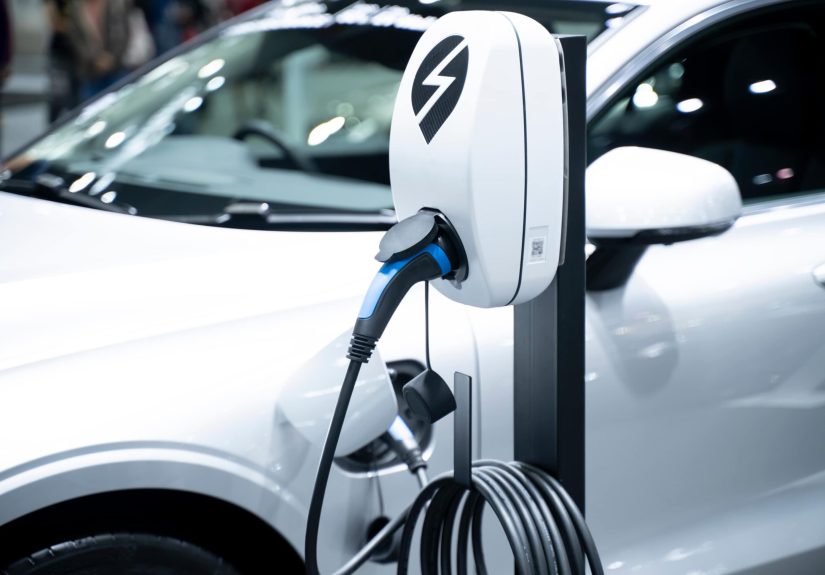
Home charging is usually the financial sweet spot because residential electricity rates are often lower than the effective cost of public fast charging. But home charging is not always free of upfront costs. If the standard Level 1 charger that comes with the car is enough for your lifestyle, great. If not, you may want a Level 2 charger, which usually means equipment, installation, and sometimes electrical upgrades.
That setup cost can range from manageable to annoying depending on your home. If your electrical panel is modern and your parking spot is close to where the charger needs to go, installation can be fairly straightforward. If your house is older or your garage is far from the panel, your electrician may hand you an estimate that makes you briefly reconsider bicycles.
Public charging is not always cheap
Public charging is incredibly useful, especially for apartment dwellers, road trippers, and anyone who forgot to plug in because they were busy rewatching a show they have already seen twice. But it can cost more than charging at home, and frequent reliance on public fast chargers can chip away at the savings people expect from EV ownership.
That does not mean public charging is bad. It means convenience has a price, just like airport sandwiches and “premium” bottled water.
The practical question to ask
Before buying an EV, ask yourself one unglamorous question: Where will I charge most of the time? If the answer is “at home, overnight,” your cost picture probably improves. If the answer is “wherever I can find an available fast charger with decent reviews and functioning cables,” your cost picture gets shakier.
3. Fuel Savings and Daily Operating Costs: This Is Where EVs Often Shine
Once you are past the purchase price and charging setup, EVs often begin to make their case more convincingly. Electricity is typically cheaper per mile than gasoline, especially if you charge at home and drive regularly. That means the more miles you rack up, the more opportunity you have to recover some of the upfront cost through lower fueling expenses.
Why the per-mile math matters
Think about your current gas spending. If you commute daily, drive kids around town, run errands, and occasionally take regional trips, your fuel bill has a way of showing up every week like an uninvited relative. An EV changes that pattern. Instead of frequent fill-ups, you get steadier electricity costs that are often easier to predict.
For many drivers, that predictability is a real financial benefit. Gas prices can swing wildly. Your home electric bill can change too, but usually not with the same emotional drama as a giant gas station sign.
Who benefits most?
High-mileage drivers often benefit the most from EV operating costs. If you drive a lot, the lower fueling cost per mile becomes more meaningful. On the other hand, if you barely drive, the savings may take much longer to offset a higher purchase price. An EV can still make sense for low-mileage drivers, but the decision becomes more about preference, convenience, or environmental priorities than strict budget math.
Do not ignore climate and driving style
Cold weather, highway driving, aggressive acceleration, heavy loads, and frequent fast charging can all affect efficiency. That does not ruin the EV case, but it does mean your real-world costs may differ from the idealized numbers in advertisements. If you live in a cold climate or regularly take long highway trips, leave room in your calculations for reality to do what reality loves to do: be less tidy than the brochure.
4. Maintenance, Repairs, and Insurance: Lower in Some Places, Higher in Others
This is the category where electric cars often deliver a pleasant surprise and a sneaky catch at the same time.
Maintenance is usually lower
Electric vehicles generally need less routine maintenance than gas-powered cars. There is no oil to change, no spark plugs to replace, no exhaust system to fuss over, and no engine packed with moving parts waiting to age into a personality problem. Regenerative braking can also reduce brake wear, which is a nice bonus for your wallet.
That simpler mechanical setup is one reason EV owners often spend less on maintenance over time. If you keep cars for years, this can become one of the strongest arguments in favor of going electric.
Repairs can still be expensive
Now for the catch. When something major does go wrong, EV repairs can be expensive, especially if parts are specialized, labor is limited, or the battery system is involved. You may save on routine service and still pay more for certain repairs or bodywork. Modern vehicles of all kinds are complicated, but EVs sometimes bring extra costs tied to battery systems, sensors, and model-specific parts.
So no, EVs are not “maintenance-free.” They are simply “maintenance-lighter,” which is not as catchy but is much more honest.
Insurance deserves a full quote, not a guess
Insurance is where some shoppers get ambushed. In many cases, EVs cost more to insure than comparable gas vehicles, although the gap varies by model. A mainstream EV with solid repair data may be fairly reasonable. A premium EV packed with costly parts and advanced tech can push premiums high enough to make your eyebrows file a complaint.
That is why the smartest move is to get insurance quotes before you buy. Not after. Not “roughly.” Not “my cousin says his is fine.” Before. Two vehicles with similar sticker prices can have very different insurance costs, and that difference can erase part of your expected monthly savings.
5. Resale Value and Long-Term Ownership Risk: The Most Overlooked Cost
The final cost consideration is the one many shoppers skip because it feels far away: what happens when you sell, trade in, or keep the vehicle long enough for its value to matter?
EV resale is improving, but it is still model-specific
Resale value for electric cars has been a moving target. Some models have taken steep depreciation hits, especially when new-car prices were cut aggressively or incentives changed the used-car math overnight. Other models have held up better, especially those with strong reputations, usable range, and broad appeal.
This means you should avoid treating “EV resale value” as one single thing. It is not. A popular, well-supported EV with good range and reasonable pricing is a very different resale story from an expensive niche model that looked futuristic but sold in small numbers.
Battery anxiety is not the whole story
Many shoppers obsess over battery degradation, and yes, it matters. But resale is influenced by more than battery health. Software support, charging speed, brand reputation, warranty coverage, feature updates, and the simple question of whether buyers actually want that model all play a role.
If you change cars every three or four years, resale deserves a starring role in your decision. If you tend to drive vehicles into glorious old age, resale still matters, but operating costs and reliability may matter more.
The long-term ownership rule
Generally, the longer you keep an EV that fits your lifestyle well, the easier it is to make the economics work. Rapid trading can expose you to depreciation. Long ownership gives lower fuel and maintenance costs more time to do their job.
So, Should You Buy an Electric Car?
You should seriously consider buying an electric car if:
- You can charge at home or at reliable low-cost workplace charging.
- You drive enough miles each year for lower fueling costs to matter.
- You choose a model with manageable insurance, solid resale prospects, and a price that fits your budget.
- You are comfortable planning road trips around charging stops instead of pretending every drive is an action movie chase scene.
You may want to hold off if:
- You cannot conveniently charge at home and expect to depend heavily on public fast charging.
- Your monthly budget is already stretched thin by the purchase price.
- You found a gas or hybrid alternative that is much cheaper to buy and cheap enough to run.
- You drive in conditions where range, charging access, or repair support could become a real headache.
In plain English, an electric car is not automatically the cheapest choice. It is the cheapest choice for the right driver in the right setup.
Real-World Experiences: What EV Ownership Actually Feels Like
Here is the part brochures tend to skip. Living with an electric car is not just about numbers on a spreadsheet. It is about routines, habits, and the tiny moments that either make you feel like a genius or make you mutter at your dashboard.
For many owners, the first big surprise is how quickly charging at home becomes normal. You pull in, plug in, walk inside, and forget about it. Within a few weeks, many drivers say the gas station starts to feel oddly old-fashioned, like renting DVDs or printing boarding passes. The car is simply ready in the morning. That convenience is difficult to measure in dollars, but it absolutely has value.
Another common experience is that drivers become more aware of efficiency in a way they never did with a gas car. They pay attention to outside temperature, speed, tire pressure, and route planning. Some people love that gamified feeling. Others just want the car to do car things without turning every trip into a math quiz. If you are the second type, choose a model with enough real-world range cushion that you do not have to overthink every drive.
Road trips are where opinions usually split. Some owners enjoy the built-in stops, the quieter ride, and the chance to stretch while the car charges. Others discover that not every charging station is equally convenient, equally fast, or equally interested in cooperating. One charger is broken, one is occupied, one requires an app you have never heard of, and one is behind a hotel parking lot that feels like the beginning of a mystery novel. None of this makes EV travel impossible. It just means that a little planning goes a long way.
Apartment dwellers and renters often have the most mixed experiences. If you have dependable access to charging at home or work, great. If not, the ownership experience can feel more expensive and less convenient than expected. In that situation, an EV can still work, but it may not deliver the easy savings you imagined. Sometimes the best financial move is waiting until your charging situation improves instead of forcing the issue now.
Then there is the emotional side of ownership. EV drivers often love the smooth acceleration, quiet cabin, and lower day-to-day maintenance. They do not miss oil changes. They do not miss gas stations. They definitely do not miss paying for premium fuel on a week when everything else in life also decided to cost more. But they may worry more about insurance, tire wear, repair logistics, and resale timing than they did with a conventional car.
The biggest takeaway from real-world experience is simple: the happiest EV owners usually bought the car that matched their life, not the one that won the loudest internet argument. They thought through charging, budget, commute distance, local weather, and how long they planned to keep the vehicle. That is not glamorous advice, but it is very profitable advice.
So if you are shopping for an electric car, do not ask only, “Is this EV good?” Ask, “Is this EV good for the way I actually live?” That one question can save you far more money than any flashy sales pitch ever will.
Final Verdict
Electric cars can absolutely save money, but they are not magic. They are tools. Used well, they can lower fuel costs, reduce maintenance, and make daily driving simpler. Used poorly, they can saddle you with a high payment, expensive insurance, and a charging routine that tests your patience.
The smartest buyers do not shop for an EV to join a trend. They shop for an EV because the numbers work. If that is you, an electric car may be one of the more practical financial upgrades you can make. If the numbers do not work yet, there is no shame in waiting. Financial wisdom is rarely as exciting as instant acceleration, but it usually gets you farther.






 Close
Close