
Table of Contents >> Show >> Hide
- What Dryer Sheets Actually Do
- So, Are Dryer Sheets Worth It?
- When Dryer Sheets Can Be Genuinely Helpful
- When Laundry Experts Say to Skip Dryer Sheets
- The Drawbacks People Forget About
- What to Use Instead of Dryer Sheets
- How to Use Dryer Sheets the Smart Way
- Final Verdict: Are Dryer Sheets Worth It?
- Everyday Laundry Experiences: Where the Dryer Sheet Debate Gets Real
- SEO Tags
Dryer sheets are one of those laundry products that inspire surprisingly strong feelings. Some people treat them like a nonnegotiable finishing touch. Others act like they belong in the same category as glitter: pretty at first glance, but somehow everywhere, forever, and not always where you want them. So, are dryer sheets worth it? According to laundry experts, appliance brands, and fabric-care pros, the honest answer is yes for some loads, no for others, and absolutely not as a one-size-fits-all laundry religion.
That may not be the dramatic courtroom verdict you wanted, but it is the most useful one. Dryer sheets can reduce static cling, soften fabrics, smooth wrinkles, and leave clothes smelling like “mountain breeze,” even if your laundry room is actually wedged between a broom closet and a stack of paper towels. At the same time, experts repeatedly warn that the coating that makes dryer sheets so effective can also leave residue behind. On the wrong fabrics, that residue can reduce absorbency, interfere with moisture-wicking performance, dull water repellency, and create maintenance issues inside your dryer.
In other words, dryer sheets are not useless, magical, or evil. They are a tool. And like any tool, they work best when you stop using them like a universal life philosophy. Here is what laundry experts say about when dryer sheets help, when they hurt, and how to decide whether they deserve a permanent place in your laundry routine.
What Dryer Sheets Actually Do
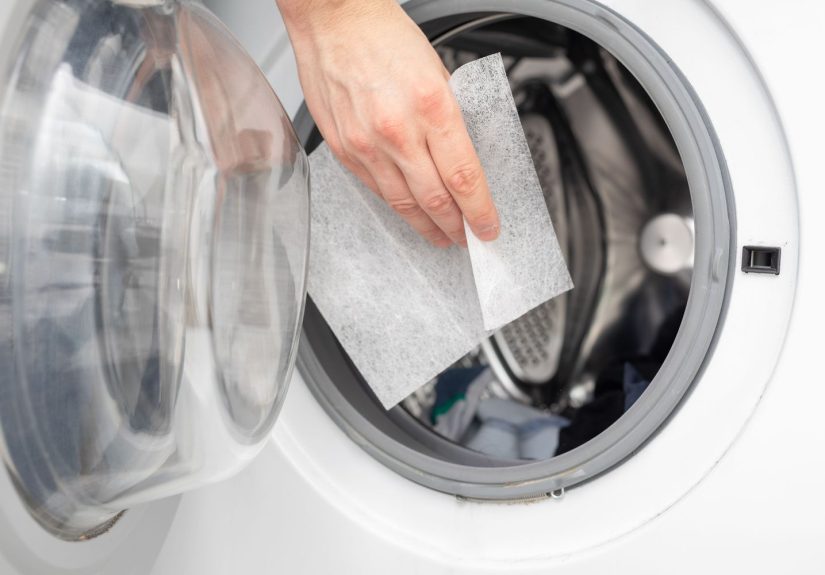
Dryer sheets are typically thin nonwoven sheets coated with softening agents, anti-static ingredients, and fragrance. Once heat and tumbling get involved, that coating transfers to fabrics. That is the whole trick. The sheet is not just hanging out in your dryer for moral support. It is actively depositing ingredients onto clothing to reduce friction, soften fibers, and cut down on cling.
That is why dryer sheets are especially popular in cold, dry months when socks start auditioning for a role as clingy stage props. Static builds up when fabrics rub together in a dry environment, especially synthetic materials. Dryer sheets help counter that. They can also leave cotton shirts, pajamas, sheets, and everyday basics feeling smoother and looking slightly less rumpled. If you enjoy scented laundry, that is another obvious selling point.
For many households, that combination is enough to justify using them. Laundry that feels softer, smells fresher, and comes out with less crackly cling is not exactly a scam. The problem begins when people assume “works nicely on T-shirts” automatically means “great for literally every fabric I own.” Experts say that is where dryer sheets start losing the argument.
So, Are Dryer Sheets Worth It?
Yes, if your top priorities are static control, softness, mild wrinkle reduction, and fragrance on everyday laundry. For loads full of cotton tees, casual clothes, sheets, pillowcases, and basic loungewear, dryer sheets can be useful and convenient. They are easy to toss in, easy to forget about, and easy to appreciate when your laundry comes out not acting like it has a personal grudge against your sweater.
No, if you want one product to handle every fabric type without side effects. Experts are clear that dryer sheets should be used selectively, not automatically. Towels, performance fabrics, microfiber, water-repellent gear, and flame-resistant items all fall into the “think twice” category. If your household includes sensitive skin, fragrance sensitivity, or a strong preference for low-waste laundry habits, dryer sheets may be more annoying than helpful.
The best answer is this: dryer sheets are worth it for some loads, not all loads. They are a convenience product, not a necessity. If your dryer sheet use is thoughtful and occasional, you will probably be happy with the results. If you throw one into every load without reading care labels, you may be quietly sabotaging your laundry.
When Dryer Sheets Can Be Genuinely Helpful
1. Everyday clothing that gets staticky
Think cotton shirts, pajamas, sweatshirts, socks, and blended basics. These pieces benefit most from anti-static help and a little softness. If your laundry regularly comes out clinging together like a sitcom friend group, a dryer sheet can make the load feel more finished.
2. Bedding and casual linens
For sheets and lightweight blankets, many people like the smoother feel and scent. This is one of the most common categories where dryer sheets feel “worth it” because the difference is easy to notice. A bed that smells freshly laundered gets bonus points even before anyone lies down and immediately steals the blanket.
3. Loads where wrinkle control matters
Dryer sheets can help relax fibers enough to cut down on minor wrinkling. They are not a substitute for removing clothes promptly, using the right cycle, or hanging garments after drying, but they can help a little. That makes them handy for everyday clothes that you want to look decent without a date with the iron.
4. Households that really care about scent
Let us be honest: for some people, the fragrance is the whole point. If “clean” smells like absolutely nothing to you, dryer sheets may feel like an inexpensive finishing step that makes laundry more satisfying. That is not silly. It is just preference. Laundry does not have to be joyless to be efficient.
When Laundry Experts Say to Skip Dryer Sheets
Towels
This is the big one. Experts consistently warn that dryer sheets can coat towel fibers and reduce absorbency over time. Yes, your towels may feel softer. No, that does not mean they are performing better. A towel that feels plush but pushes water around your body like a confused squeegee is not winning.
Activewear and moisture-wicking fabrics
Performance gear is designed to move moisture away from the skin. Dryer sheet residue can interfere with that job, leaving fabrics less breathable and less effective. If you wear workout clothes, hiking layers, or technical athletic gear, skip the dryer sheets unless you enjoy paying for fancy fabric technology and then politely disabling it.
Microfiber cloths
Microfiber depends on its fiber structure to grab dust, absorb moisture, and clean efficiently. Softening agents can clog or coat those fibers. That means your cleaning cloths may become less absorbent and less effective, which is a deeply unfair reward for all the work they do around your house.
Water-repellent or water-resistant items
Rain jackets, some outerwear, and other treated fabrics can lose performance when coated with softening agents. The whole point of water-repellent fabric is to repel water, not negotiate with it. Dryer sheets can interfere with that finish.
Flame-resistant clothing and children’s sleepwear
This is not a minor laundry preference issue. Experts and safety guidance have long warned against using fabric softener products on garments labeled flame-resistant. If the item is supposed to self-extinguish or maintain specific protective properties, do not experiment. Read the label and skip the dryer sheet.
The Drawbacks People Forget About
Residue buildup on fabrics
The same coating that gives you softness can build up over time. On some fabrics, that is mostly annoying. On others, it changes performance. Towels may absorb less. Workout gear may wick less. Some fabrics can even trap odor more easily when residue builds up. Soft is nice. Soft and vaguely funky is less compelling.
Residue inside the dryer
Experts also point out that dryer sheets can leave a film on lint screens, dryer drums, and other interior surfaces. That does not mean a single sheet will immediately turn your dryer into a disaster movie prop. It does mean your dryer needs regular maintenance. Cleaning the lint screen every load is still essential, and washing it periodically with soap and water is smart if you use dryer sheets often.
Sensitive skin concerns
Fragrances and certain additives in laundry products can irritate sensitive skin. For people with eczema, contact dermatitis, or just plain fussy skin, scented dryer sheets may be more trouble than they are worth. In those households, fragrance-free and dye-free products usually make more sense. Laundry should not end with a mystery rash and a detective story.
Single-use waste
Dryer sheets are disposable. Use one, toss one. If you are trying to cut waste, simplify your laundry routine, or save money over time, that may be reason enough to look for alternatives. No one product ruins the planet by itself, but repeated single-use purchases do add up, especially when reusable options exist.
What to Use Instead of Dryer Sheets
Wool dryer balls
These are the most common alternative, and for good reason. Dryer balls help separate clothes, improve airflow, and reduce some static without depositing a chemical coating on fabric. They are reusable, low-waste, and especially handy for bulky loads. They usually do not provide the same level of softness or scent as dryer sheets, but they are a strong option if fabric compatibility matters more than fragrance.
Better drying habits
Sometimes the best anti-static strategy is not another product. Overdrying increases static, so using lower heat, moisture-sensing cycles, or removing clothes while they are still slightly damp can help. Sorting synthetics from natural fibers can also reduce cling. In many cases, the problem is not that you failed to buy the perfect dryer sheet. It is that your dryer is turning a load of leggings and polyester tops into a tiny weather system.
Fragrance-free laundry choices
If you like the idea of softness and static control but need to avoid strong scents, fragrance-free versions are worth considering. Some households do best with a mixed approach: dryer balls for most loads, fragrance-free dryer sheets only when static is especially bad, and no softening products at all on towels or activewear.
How to Use Dryer Sheets the Smart Way
If you decide dryer sheets are worth keeping, the key is moderation. Use them where they help most and avoid them where they interfere with fabric performance.
- Use them on everyday clothing, sheets, and casual linens.
- Skip them on towels, microfiber, activewear, water-repellent fabrics, and flame-resistant items.
- Add the sheet at the beginning of the cycle with damp clothes, not halfway through.
- Do not assume more is better; one sheet is usually enough for a normal load.
- Clean your lint screen every load and wash it periodically if you use dryer sheets regularly.
- Read garment care labels before treating every load the same way.
That last point matters more than most people realize. Care labels are not trying to ruin your fun. They are the clothing equivalent of an instruction manual that quietly prevents expensive regret.
Final Verdict: Are Dryer Sheets Worth It?
Yes, but only if you use them on the right laundry. Dryer sheets are worth it for people who want softer fabrics, less static, a bit of wrinkle help, and a fresh scent on everyday loads. They are not worth it as a default setting for towels, workout gear, microfiber, technical fabrics, or sensitive-skin households.
The smartest laundry experts do not treat dryer sheets as a must-have or a never-ever. They treat them like a situational tool. That is the real answer. Dryer sheets are not the hero of laundry day, and they are not the villain either. They are more like the funny side character: great in the right scene, distracting in the wrong one, and definitely not meant to run the whole show.
Everyday Laundry Experiences: Where the Dryer Sheet Debate Gets Real
Plenty of people first fall in love with dryer sheets because of winter laundry. You pull a load of sweatshirts from the dryer, and instead of getting zapped by your own sleeve like your clothes have developed electrical ambitions, everything feels soft, calm, and easy to fold. In that moment, dryer sheets seem brilliant. And for a basic load of cold-weather casual clothes, they often are. This is the kind of everyday experience that makes people loyal to them for years.
Then comes the towel phase. At first, towels dried with dryer sheets feel amazing. They are fluffy, smooth, and smell like they just returned from a very organized spa. But after a while, some people notice that the towels are not actually drying much of anything. They feel nice, sure, but they are less thirsty. Instead of soaking up water quickly, they sort of smear it around like they are participating in a very low-energy magic trick. That is often the moment when people realize softness and absorbency are not always on the same team.
Workout clothes create another classic turning point. Someone buys moisture-wicking tops, fancy leggings, and breathable running shirts because they want performance fabric to perform. Then those clothes start holding odor, feeling weird, or drying less effectively during wear. Laundry experts say that is often where fabric softeners and dryer sheets become the wrong choice. A lot of people do not realize it until their gym clothes start acting more decorative than functional.
Households with sensitive skin often learn the lesson differently. What smells “fresh” to one person can mean itchy skin, irritation, or general discomfort to another. A family may happily use scented dryer sheets for years, then suddenly switch to fragrance-free products after one person develops skin sensitivity or eczema flare-ups. In those homes, the experience is not about whether dryer sheets are pleasant. It is about whether the laundry routine stays comfortable for everyone who has to wear the clothes.
There is also the dryer-ball convert experience, which is almost a genre of its own. Someone tries reusable dryer balls out of curiosity, starts using them for most loads, and realizes they miss dryer sheets less than expected. Maybe the laundry smells more neutral, but it still dries well, feels fine, and creates less trash. Then that person keeps a small box of dryer sheets around only for specific loads that tend to get staticky. It is a practical compromise, and honestly, it is probably the most realistic one.
That is what makes the dryer sheet debate so interesting in real life. Most people do not choose based on one dramatic expert warning or one magical load of perfect laundry. They adjust based on experience. They notice which clothes feel better, which fabrics perform worse, which scents bother them, and which products create more maintenance than they want. In the end, the “best” answer usually is not total devotion or total rejection. It is figuring out which loads deserve the shortcut and which ones deserve to be left alone.





 Close
Close