
Table of Contents >> Show >> Hide
- Why You Get Itchy After Shaving
- Why Different Body Parts React Differently
- What to Do Right Now If You’re Itchy After Shaving
- How to Prevent Itchy Skin the Next Time You Shave
- When It Might Be More Than Razor Burn
- When to See a Doctor
- The Bottom Line
- Experiences People Commonly Have With Post-Shave Itch
Shaving is one of those routines that looks simple until your skin files a formal complaint. One minute you are smooth, confident, and perhaps feeling like a razor-commercial extra. The next minute your legs are prickly, your pubic area is staging a rebellion, and your scrotum is acting like it just read the terms and conditions.
If you feel itchy after shaving, you are not alone, and you are definitely not doomed. Post-shave itch is usually caused by something common: razor burn, ingrown hairs, inflamed follicles, dry skin, or irritation from products and friction. In the groin area, sweat, heat, and tight clothing can pile onto the problem and make a small issue feel dramatically larger.
The good news is that most post-shaving itch can be calmed down at home, and even better, prevented the next time around. The trick is knowing why your skin is freaking out, because itchy legs are not always the same story as itchy pubes or an irritated scrotum.
Note: This guide is educational and covers external skin only. If you have severe pain, spreading redness, fever, sores, discharge, or burning when you pee, get medical care instead of trying to outsmart the internet.
Why You Get Itchy After Shaving
Post-shaving itch usually starts when the razor disrupts the outer layer of your skin, cuts hair in a way that irritates the follicle, or leaves the area dry and inflamed. Sometimes the problem is instant. Sometimes it shows up a day later like a rude follow-up email.
1. Razor Burn
Razor burn is the classic culprit. It tends to show up soon after shaving and feels itchy, stingy, hot, or tender. The skin may look red, blotchy, or mildly swollen. This is more likely if you dry shaved, used a dull blade, rushed, pressed too hard, or shaved the same spot over and over like you were sanding a table.
2. Ingrown Hairs and Razor Bumps
When shaved hair starts growing back and curls into the skin instead of out of it, you can get ingrown hairs. These often look like small pimple-like bumps and can itch, sting, or feel tender. They are more common with coarse or curly hair and in areas where people try to shave very close, especially the face, bikini line, pubic region, and sometimes the scrotum.
3. Folliculitis
Folliculitis means the hair follicles are inflamed, and sometimes infected. Instead of a flat red rash, you may see clusters of itchy bumps or tiny pus-filled spots. Shaving, friction, sweat, bacteria, and tight clothing can all set this off. Translation: your razor may have opened the door, and friction barged right in after it.
4. Dry Skin or Contact Irritation
Sometimes the problem is not the shave itself but what came with it. Fragranced shaving gels, alcohol-heavy aftershaves, harsh soaps, depilatory products, or heavily scented lotions can irritate freshly shaved skin. When that happens, the area may feel itchy, dry, rough, or burn a little. This is common on legs, underarms, and the groin, where thin or sensitive skin is less interested in your “cooling mint blast” body wash than the label promised.
5. It Might Not Be the Shave
If itching in the groin keeps happening even when your shaving technique is solid, shaving may not be the main villain. Jock itch, yeast irritation, eczema, dermatitis, and some infections can all cause itching in the same area. Shaving can make those conditions more noticeable, or simply make already irritated skin much angrier.
Why Different Body Parts React Differently
Legs
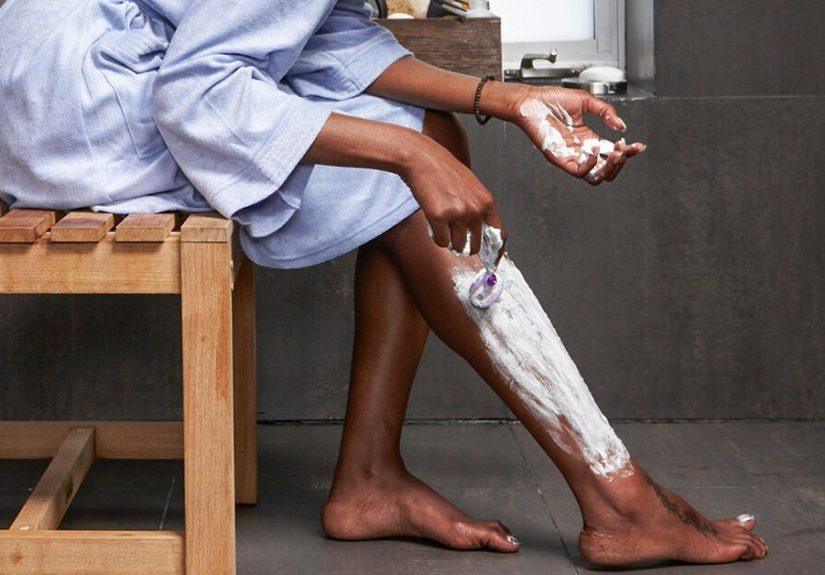
Legs are big, exposed, and often dry to begin with, which means they are prime real estate for razor burn and post-shave itch. Hot showers, frequent shaving, dull blades, and skipping moisturizer are common reasons legs end up itchy. If you also notice dark dots or rough texture, you may be dealing with so-called “strawberry legs,” where clogged follicles, dryness, and shaving irritation team up for maximum annoyance.
Pubic Area
The pubic region is a perfect storm: coarse hair, high friction, sweat, snug underwear, and very sensitive skin. That means itching after shaving the pubes is often caused by razor burn plus ingrown hairs, but fungal irritation and contact dermatitis can also crash the party. If the area feels itchy and bumpy after a close shave, that does not automatically mean something scary. It often means the skin would like you to stop treating it like a lawn.
Scrotum
The skin on the scrotum is thinner, more delicate, and more likely to get irritated by friction, heat, sweat, and harsh products. Even a technically decent shave can trigger itching there because the skin is simply more reactive. If you shaved the scrotum and now it feels itchy, raw, or prickly, razor burn is common. But if you also have persistent redness, a spreading rash, scaling, or itch that gets worse with sweating, it may be something like fungal irritation instead of a shaving problem alone.
Underarms, Chest, and Face
Underarms combine shaving, sweat, deodorant, and friction. That is a lot. The face is especially vulnerable to razor bumps if your hair is curly or you shave too close. The chest and stomach can develop folliculitis if there is sweat, exercise, occlusive clothing, or frequent grooming. In other words, wherever there is hair plus friction plus a blade, itchy surprises can happen.
What to Do Right Now If You’re Itchy After Shaving
Stop Shaving the Area for a Few Days
This is the least exciting advice and the most effective. If the skin is inflamed, additional shaving usually makes it worse. Give the area time to calm down before going back in with a blade like nothing happened.
Use a Cool Compress for Razor Burn
If the itch feels hot, stingy, or burny, apply a cool washcloth for several minutes. This can calm inflammation and make the area feel less dramatic. Aloe vera gel may also feel soothing on irritated external skin. Choose a simple product without added fragrance, because your skin is already upset enough.
Moisturize Like You Mean It
Freshly shaved skin loses moisture easily. A fragrance-free lotion, cream, or bland moisturizer can help reduce dryness and itch, especially on the legs. Pat it on gently instead of rubbing the area like you are trying to erase the problem by force.
Try Warm Compresses for Ingrown Hairs or Folliculitis
If you have itchy bumps that look pimple-like, warm compresses can help soften the skin and calm the follicle. Keep the cloth warm, not blazing. This is especially helpful if an ingrown hair is trapped under the surface or the follicle feels inflamed.
Do Not Scratch, Squeeze, or Dig
This is where people turn a manageable irritation into a regrettable project. Picking at bumps, squeezing them, or trying to excavate an ingrown hair with sharp tools can lead to infection, scarring, or discoloration. Your skin is not a DIY renovation show.
Reduce Friction and Sweat
If the itchy area is in the groin, switch to loose, breathable underwear and avoid tight workout clothing for a bit. Shower after sweating. Damp, rubbed, recently shaved skin is basically a written invitation for irritation.
How to Prevent Itchy Skin the Next Time You Shave
Start With Warm Water
Shave after a shower or after holding a warm, damp washcloth on the area. Warm water softens both skin and hair, which helps the razor glide instead of drag. That means fewer micro-injuries and fewer opportunities for itch.
Use a Real Shaving Cream or Gel
Soap and water alone are often not enough. Use a shaving cream or gel that gives the razor slip and keeps the skin lubricated. If you are prone to irritation, choose something fragrance-free or labeled for sensitive skin.
Shave With the Grain
Shaving in the direction the hair grows helps reduce razor burn and ingrown hairs. It may not give you the ultra-close “dolphin skin” result some people chase, but your follicles may appreciate not being challenged to combat.
Use a Sharp, Clean Blade
Dull razors pull hair and scrape skin. That is a bad combo. Replace blades regularly and do not keep a rust-prone razor marinating in the shower forever. If your disposable razor has already had a long emotional journey, retire it.
Do Not Press Hard or Make Endless Passes
Let the razor do the work. Pressing hard, stretching the skin too much, or shaving the same patch repeatedly increases irritation. One careful pass is better than six angry ones.
Be Extra Gentle in the Pubic Area
If your pubes or scrotum get itchy every time you shave, stop trying for the closest shave possible. Trim first if the hair is long. Use plenty of lubrication. Go slowly. For some people, trimming instead of shaving is the smarter long-term move. Smooth is nice; not itching is nicer.
Moisturize Afterward
Once you are done, rinse, pat dry, and apply a gentle moisturizer to external skin. Skip heavily fragranced products and harsh aftershaves, especially on the groin. A “fresh glacier storm” scent is not a medical necessity.
When It Might Be More Than Razor Burn
Here is the key rule: if the symptoms do not fit the usual post-shave pattern, do not assume the razor is guilty.
Possible Signs of Something Else
- Itching that lasts more than several days or keeps coming back
- Spreading redness, warmth, swelling, or drainage
- Pus-filled bumps that are getting worse
- Ring-shaped or scaly groin rash
- Abnormal vaginal discharge, genital odor, or cracks in the skin
- Penile irritation with discharge or burning after urination
- Sores, blisters, or ulcers
- Fever, significant pain, or swollen lymph nodes
Those signs can point toward folliculitis, fungal irritation, yeast infection, dermatitis, or an infection unrelated to shaving. In the genital area, itching plus discharge, sores, or burning when you pee should not be written off as “just a bad shave.” Get checked.
When to See a Doctor
You should see a clinician or dermatologist if the itch is severe, the bumps are painful, the rash looks infected, or the problem keeps returning no matter how carefully you shave. You also need medical help if you notice fever, spreading redness, lots of pus, or lesions that look deep or unusually swollen.
For recurring razor bumps or folliculitis, a dermatologist can help confirm what is actually going on and suggest treatment. Sometimes the solution is simple. Sometimes the answer is not “buy a better razor,” but “this is dermatitis” or “you need treatment for folliculitis.” Big difference.
The Bottom Line
Itchy after shaving? Most of the time, the explanation is boring in the best possible way: razor burn, ingrown hairs, folliculitis, or irritated dry skin. Legs usually complain because they are dry. Pubes complain because the hair is coarse and the area is high-friction. The scrotum complains because it is delicate, warm, and not especially forgiving.
The fix is usually a combination of patience, cooling or soothing care, less friction, better shaving technique, and gentler products. If the symptoms are intense, keep coming back, or come with discharge, sores, or signs of infection, stop blaming the razor and get medical advice. Your skin does not need heroics. It needs less chaos.
Experiences People Commonly Have With Post-Shave Itch
A lot of people describe the same frustrating pattern: the shave itself seems fine, but an hour later the skin starts prickling. On the legs, that can feel like a faint sunburn mixed with random pinpricks. People often say the itch gets worse once they put on jeans, lie under a blanket, or sit in a dry room. Translation: the skin barrier is irritated, and suddenly fabric feels like an enemy.
Another very common experience happens in the pubic area. Someone shaves because they want a clean look, a fresh feel, or a confidence boost, and for a few hours everything seems perfectly normal. Then the regrowth starts. Tiny sharp hairs begin to come back through sensitive skin, and the area feels itchy, prickly, and weirdly dramatic. Walking, underwear seams, sweating, and exercise make it feel worse. Many people assume they did something “wrong,” but often the issue is simply that pubic hair is coarse and the area is high-friction. It is not user failure. It is anatomy being honest.
With the scrotum, the experience people describe is usually even more specific: immediate sensitivity followed by persistent itch. Some say it feels raw right after shaving, while others notice a light itch that becomes intense once they start sweating or moving around. Because the skin is thin and folds on itself, even a mild case of razor irritation can feel much bigger than it looks. People also tend to panic faster because the location is intimate, and intimate discomfort has a special talent for stealing all your attention.
There is also the “I thought it was razor burn, but it kept getting worse” experience. Someone sees a few itchy bumps and assumes it will pass, but then the bumps multiply, become tender, or fill with pus. That often turns out to be folliculitis or infected ingrown hairs rather than ordinary razor burn. A related version happens when the itch is not really from shaving at all. People shave, notice the area is itchy and red, and blame the razor, but the real issue is jock itch, yeast irritation, eczema, or a reaction to a fragranced product. Shaving just made the skin irritated enough to expose the real problem.
And then there is the lesson many people learn the same way: getting the closest possible shave is not always worth it. Plenty of people find that trimming, shaving less often, switching to a gentler product, or not chasing a perfectly smooth finish gives them better results overall. The skin is calmer, the itching is milder, and life improves noticeably. Which is a pretty good outcome for a routine that should not require a recovery plan.



 Close
Close