
Table of Contents >> Show >> Hide
- Why Balance Matters Before Anything Else
- Way 1: Build a Stable Skateboard Stance
- Way 2: Practice Balance Before You Roll
- Way 3: Balance While Rolling, Pushing, and Turning
- Beginner Safety Tips That Make Balance Easier
- Simple Balance Drills for Faster Progress
- How Long Does It Take to Balance on a Skateboard?
- Common Balance Problems and How to Fix Them
- Real Beginner Experiences: What Balancing Actually Feels Like
- Conclusion
Balancing on a skateboard looks simple when someone glides past you like gravity signed a friendship contract with them. Then you step on the board, it wiggles, your arms become inflatable tube men, and suddenly the sidewalk feels like a dramatic movie scene. Good news: skateboard balance is not magic. It is a learnable skill built from stance, weight control, repetition, and a little humility.
Whether you are learning to cruise, preparing for your first push, or simply trying to stand on a skateboard without launching it into another zip code, the key is to start small. Most beginners fall because they rush straight into movement before their body understands where to place weight. Skateboarding rewards patience. Your board is not being rude; it is giving you instant feedback.
This guide breaks skateboard balance into three practical ways: mastering your stance, practicing stationary balance drills, and learning to balance while rolling. You will also find safety tips, beginner mistakes, and real-world experience notes at the end so your first sessions feel less like a comedy sketch and more like progress.
Why Balance Matters Before Anything Else
Before learning tricks, carving, ramps, or even a clean push, balance is the foundation. A skateboard is small, narrow, and mounted on trucks that turn when your weight shifts. That means every tiny movement from your feet, knees, hips, shoulders, and head changes how the board behaves.
Beginners often think balance means standing perfectly still. In skateboarding, balance is more active than that. It means making constant micro-adjustments while staying relaxed. Your knees absorb wobble. Your arms help with counterbalance. Your eyes guide your body. Your feet tell the board what to do. Basically, your whole body becomes a group project, and for once, everyone has to participate.
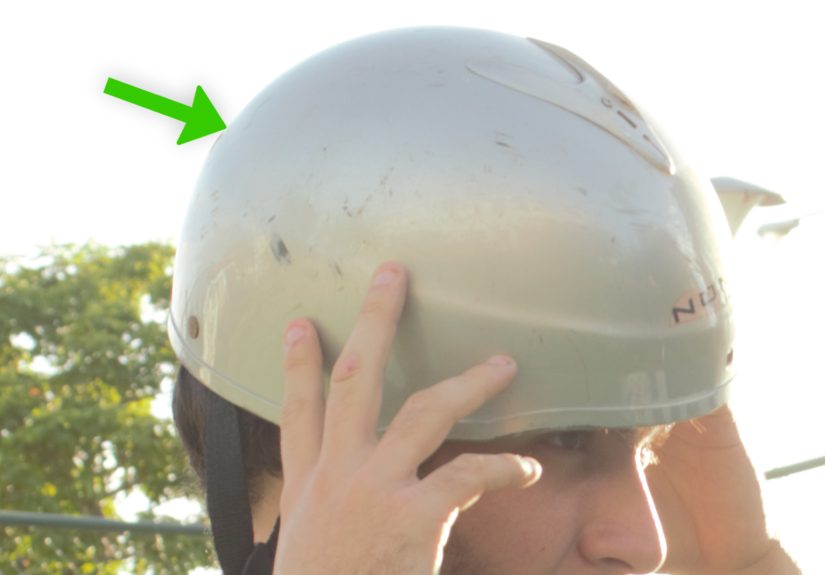
Start on flat, smooth ground and wear protective gear: a properly fitted helmet, wrist guards, knee pads, elbow pads, and flat, closed-toe shoes with grip. Beginners fall most often while learning basic movement, so gear is not “uncool.” It is confidence with straps.
Way 1: Build a Stable Skateboard Stance
The first way to balance yourself on a skateboard is to create a stance that gives you control. If your feet are too close together, your body feels tall and unstable. If your feet are too far apart, you lose the ability to adjust quickly. The sweet spot is usually shoulder-width apart, with your feet near the bolts that hold the trucks to the board.
Find Your Natural Stance: Regular or Goofy
Skateboarders usually ride in one of two stances. Regular means your left foot is forward and your right foot pushes. Goofy means your right foot is forward and your left foot pushes. Neither is better. Skateboarding does not give bonus points for foot politics.
To find your natural stance, stand on the ground and imagine sliding sideways across a slippery floor. Which foot naturally goes forward? That is often your front foot. Another method is to step onto the board carefully on carpet or grass and test both stances. One side usually feels less awkward, even if both feel like you are negotiating with furniture on wheels.
Place Your Feet Over the Bolts
For beginner balance, keep both feet over or near the truck bolts. These spots are the most stable parts of the deck because they sit above the wheels and trucks. Standing too close to the nose or tail can make the board tip suddenly. Standing too close to the center can make the board feel narrow and twitchy.
Your front foot can start slightly angled toward the nose of the board. Your back foot should sit across the deck near the back bolts when riding. When pushing, your front foot points more forward along the board so your back foot can reach the ground. After pushing, rotate your front foot sideways again into riding position.
Bend Your Knees and Lower Your Center of Gravity
The fastest beginner balance improvement is simple: bend your knees. Straight legs make you stiff, top-heavy, and easy to tip. Bent knees lower your center of gravity and let your body absorb the board’s movement. Think athletic, not frozen. You are not posing for a passport photo.
Keep your chest relaxed, shoulders roughly aligned with the board, and arms slightly out for balance. Your head should stay over the board, not leaning dramatically ahead or behind it. If your upper body drifts too far in one direction, the skateboard will happily follow the laws of physics and roll out from under you.
Common Stance Mistakes
One common mistake is standing with both feet pointing straight forward while trying to ride. That can make turning and balance harder once the board moves. Another mistake is leaning back because you are nervous. Leaning back feels safe, but it often sends the board forward while you go backward. Classic beginner slapstick, minus the laugh track.
Also avoid locking your knees. If your legs are stiff, every crack in the pavement feels like a personal attack. Stay loose. Your knees are shock absorbers, not decorative hinges.
Way 2: Practice Balance Before You Roll
The second way to balance yourself on a skateboard is to practice without rolling. This is where many beginners skip ahead and accidentally make learning harder. Stationary drills help your feet, ankles, and brain understand the board before speed joins the party.
Start on Carpet, Grass, or a Yoga Mat
Place your skateboard on a surface that prevents it from rolling, such as carpet, grass, or a thick mat. Step on with your front foot first, then your back foot. Stand with your feet near the bolts, knees bent, and arms relaxed. Hold this position for 20 to 30 seconds at a time.
At first, the board may still rock from side to side. That is normal. Your ankles are learning how the deck responds. Try not to panic-step off every time the board wiggles. Instead, soften your knees and bring your weight back over the center.
Shift Weight Toe-Side and Heel-Side
Once standing feels comfortable, gently shift your weight toward your toes and then toward your heels. The board will tilt slightly. This teaches edge control, which later helps with turning and carving. Keep the movement small. You are not trying to fold the board like a taco.
Do 10 slow shifts on each side. Notice how your shoulders affect the board. If your shoulders twist too much, the board may move in ways you did not expect. Keep your hips and shoulders calm, and let your feet guide the motion.
Practice One-Foot Balance
Pushing requires one-foot balance because your front foot stays on the board while your back foot pushes against the ground. To prepare, stand on the board in your beginner setup and slowly lift your back foot for one or two seconds. Put it back down. Repeat several times.
Then practice with your front foot pointing more toward the nose, as it would during a push. Your front knee should bend enough for your back foot to touch the ground comfortably. This drill builds the exact control needed for pushing without turning your first ride into a runaway shopping cart moment.
Step On and Step Off Smoothly
A surprisingly important balance skill is knowing how to get off the skateboard calmly. Practice stepping on and off the board several times. Step on with the front foot, then the back foot. Step off with the back foot first, then the front foot. The goal is smooth movement, not speed.
This matters because beginners often lose balance and jump awkwardly. If you know how to step off cleanly, you will feel less afraid. Less fear means less stiffness, and less stiffness means better balance. Congratulations, you have now turned “getting off the board” into actual skate training.
Way 3: Balance While Rolling, Pushing, and Turning
The third way to balance yourself on a skateboard is to add movement gradually. Rolling changes everything because the board now responds to speed, surface texture, and your body position. Start slowly on a flat, open, smooth area away from traffic, hills, gravel, wet pavement, and crowded sidewalks.
Learn the First Push
Put your front foot on the board near the front bolts, angled slightly forward. Bend your front knee. Use your back foot to push gently against the ground. Do not stomp. One small push is enough. Bring your back foot onto the board near the back bolts and rotate your front foot sideways into riding position.
At first, aim for one push and a short glide. That is it. No heroic speed. No cinematic soundtrack. Just push, place, glide, step off. Repeat until the movement feels boring. In skateboarding, boring basics are secretly powerful.
Keep Your Weight Centered
When rolling, keep your weight mostly over the center of the board. Avoid leaning too far back, especially after pushing. A slight forward commitment often feels more stable than hanging behind the board. Your shoulders should stay over your feet, and your knees should remain bent.
Look where you want to go, not directly down at your shoes. Your body tends to follow your eyes. If you stare at the board the entire time, you will react late to cracks, people, or that one suspicious pebble plotting against you.
Use Gentle Turns to Train Dynamic Balance
Once you can roll straight, practice slow turns by leaning slightly toward your toes or heels. This is called carving. Keep your movements small. If the board does not turn much, your trucks may be tight, which can make the board more stable but harder to turn. Loose trucks turn easier but can feel wobbly for beginners.
Do not rush into sharp turns. Practice wide, lazy curves on flat ground. Think “smooth banana path,” not “emergency escape maneuver.” Turning teaches your body how balance changes when your weight shifts across the deck.
Practice Stopping Early
Balance improves when you know how to stop. Beginners should practice stepping off at low speed first. Roll slowly, then place your back foot on the ground and walk out of the movement. As you improve, you can learn foot braking by gently dragging the sole of your back foot on the ground while keeping your front foot stable on the board.
Always learn stopping before adding speed. If you cannot slow down comfortably, you are not ready to go faster. Skateboarding confidence is not about being fearless. It is about having enough control that fear does not drive the bus.
Beginner Safety Tips That Make Balance Easier
Safety gear does more than protect you. It helps you relax. When beginners feel protected, they are less likely to stiffen up, and relaxed bodies balance better. Wear a skateboarding helmet that fits level on your head, not tilted back. Add wrist guards, knee pads, and elbow pads, especially during the first few weeks.
Choose flat-soled shoes with grip. Running shoes can feel too soft and rounded, while sandals are a hard no. Your shoes should let you feel the deck and control the board. Also check your skateboard before riding. Make sure the wheels spin, the trucks are not cracked, and the deck is not damaged.
Pick the right place to practice. Smooth pavement, empty courts, quiet driveways, or beginner-friendly skatepark areas are much better than streets. Avoid traffic, steep hills, loose rocks, water, sand, and rough pavement. A tiny pebble can stop a wheel faster than your brain can say, “Wait, why am I horizontal?”
Simple Balance Drills for Faster Progress
The 10-Minute Beginner Routine
Use this short routine three or four times a week. Spend two minutes standing on the board on carpet or grass. Spend two minutes shifting weight from toes to heels. Spend two minutes practicing one-foot balance with your front foot on the board. Spend two minutes stepping on and off smoothly. Spend the final two minutes doing one gentle push and stepping off safely on flat ground.
This routine may look basic, but it builds muscle memory. Skateboarding improves through repetition. Your body needs repeated proof that the board is not a tiny wooden betrayal machine.
The Wall Support Drill
Stand near a wall, fence, or sturdy railing. Place your board on smooth ground and hold the wall lightly with one hand. Step onto the board, settle into your stance, and gradually reduce how much support you use. This helps you feel rolling balance without feeling abandoned by the universe.
Do not hang from the wall. The goal is light support, not full emotional dependency. As your confidence grows, let go for a few seconds, then step off calmly.
The Push-and-Place Drill
This drill trains the hardest beginner transition: moving from pushing position to riding position. Place your front foot near the front bolts pointing forward. Push gently once. Bring your back foot onto the board. Rotate your front foot sideways. Hold the stance for two seconds. Step off.
Repeat this 20 times at low speed. The first few attempts may feel clumsy. That is fine. Coordination arrives after your body stops treating the skateboard like breaking news.
How Long Does It Take to Balance on a Skateboard?
Many beginners can learn to stand and roll slowly in a few practice sessions. Feeling truly comfortable may take several weeks, depending on age, fitness, fear level, practice consistency, and the quality of the practice area. Someone who practices 10 focused minutes every day will usually improve faster than someone who skates once, panics, and declares the board haunted.
Progress is not perfectly linear. One day you may feel smooth, and the next day your feet act like they have never met. That is normal. Balance is a nervous system skill. Sleep, repetition, and calm practice all help it settle in.
Common Balance Problems and How to Fix Them
Your Board Shoots Forward
This usually happens when you lean too far back or step onto the board with stiff legs. Fix it by bending your knees, keeping your shoulders above your feet, and placing your weight more over the center of the deck.
You Wobble Side to Side
Side-to-side wobble can come from tense ankles, loose trucks, or feet placed too close together. Move your feet near the bolts, relax your knees, and make smaller weight shifts. If the trucks are extremely loose, tighten them slightly until the board feels manageable.
You Cannot Push Without Turning
If your board turns every time you push, check your front foot. It may be too far toward one edge of the deck. Place it closer to the centerline and point it more toward the nose while pushing. Keep your push gentle and straight back, not sideways.
Real Beginner Experiences: What Balancing Actually Feels Like
The first experience most new skaters share is surprise. A skateboard looks small and friendly when it is sitting on the ground. Then you step on it, and suddenly it feels alive. The board shifts under your feet, and your brain starts sending dramatic warnings like, “We are at sea,” even though you are six inches above a driveway.
One helpful mindset is to treat the first day as a balance introduction, not a riding test. Many beginners expect to push away immediately. When they wobble, they think they are bad at skating. In reality, wobbling is the lesson. Your ankles are learning pressure. Your knees are learning timing. Your shoulders are learning not to overreact like they just saw a spider wearing sunglasses.
A common beginner breakthrough happens when you stop trying to “stand tall” and start staying low. The moment your knees bend and your arms relax, the board feels less jumpy. You may still wobble, but the wobble becomes manageable. It changes from “I am doomed” to “Okay, I can work with this.” That tiny emotional upgrade is huge.
Another experience is discovering that looking down too much makes balance worse. Beginners stare at their feet because they want to make sure the board is still there. Fair enough. The board has already proven suspicious. But when you stare down, your upper body folds forward, your shoulders tense, and your reactions get slower. Looking ahead helps your body organize itself. Your feet can feel the board without constant supervision.
Beginners also learn that small pushes are better than big pushes. A powerful first push may feel exciting for half a second, then terrifying for the next three. A gentle push gives you time to place your back foot and settle into riding stance. Small wins stack quickly. One push becomes two. Two pushes become a smooth glide. A smooth glide becomes the first moment you think, “Wait, this is actually fun.”
Falling, or nearly falling, is part of the experience too. That does not mean you should be reckless. It means you should practice in safe places, wear gear, and learn how to step off calmly. The more you practice controlled exits, the less afraid you become. Fear makes your body stiff, and stiffness makes balancing harder. Confidence grows when your body knows it has options.
Many skaters remember the first time the board rolled quietly under them and their balance clicked for a few seconds. It may not look impressive to anyone else. No fireworks. No slow-motion sports montage. But inside, it feels enormous. You are no longer just standing on a skateboard. You are moving with it. That feeling is why people keep practicing.
The best beginner experience is not landing a trick. It is realizing that balance improves because you showed up again. Skateboarding teaches patience in a very direct way. The board does not care about excuses, but it rewards repetition. Every careful step-on, every low-speed push, every awkward arm wave, and every calm step-off becomes part of your progress.
Conclusion
Learning how to balance yourself on a skateboard starts with three simple ideas: build a stable stance, practice balance before rolling, and add movement slowly. Keep your feet near the bolts, bend your knees, stay centered, and use small pushes on smooth flat ground. Add protective gear, choose safe practice spots, and let your confidence grow one controlled glide at a time.
Skateboarding balance is not about being instantly fearless or naturally talented. It is about giving your body enough repetition to understand the board. At first, the skateboard may feel like a dramatic little plank with wheels and opinions. With practice, it becomes something better: a responsive tool that moves with you, not against you.
So start slow, stay low, and celebrate tiny progress. If you can stand, shift your weight, push gently, and step off safely, you are already building the balance every skater needs.


 Close
Close