
Table of Contents >> Show >> Hide
- What Is Stage 2 Baby Food?
- When to Start Stage 2 Baby Food
- What Foods Are Good for Stage 2?
- Homemade Stage 2 Baby Food Ideas
- Store-Bought Stage 2 Baby Food: What to Look For
- How Much Stage 2 Baby Food Should a Baby Eat?
- Stage 2 Baby Food and Allergens
- Food Safety Tips for Stage 2 Baby Food
- Best Stage 2 Baby Food Options to Try
- Common Stage 2 Baby Food Mistakes
- Real-Life Experience: What Stage 2 Feeding Often Feels Like
- Conclusion
Stage 2 baby food sounds like your baby just unlocked a new level in a tiny culinary video game. In a way, that is not too far off. After weeks of smooth single-ingredient purees, your little eater may be ready for thicker textures, simple food combinations, and flavors that are slightly more adventurous than “plain carrot, again.”
But here is the important part: baby food stages are helpful labels, not strict laws carved into a highchair tray. Some brands use “Stage 2,” others say “2nd Foods,” “Sitter,” or simply “6+ months.” What matters most is your baby’s developmental readiness, ability to handle texture, and comfort with eating solids safely.
This guide explains what Stage 2 baby food is, when to start, what options to try, how to serve it safely, and how to avoid turning mealtime into a tiny orange-squash wrestling match.
What Is Stage 2 Baby Food?
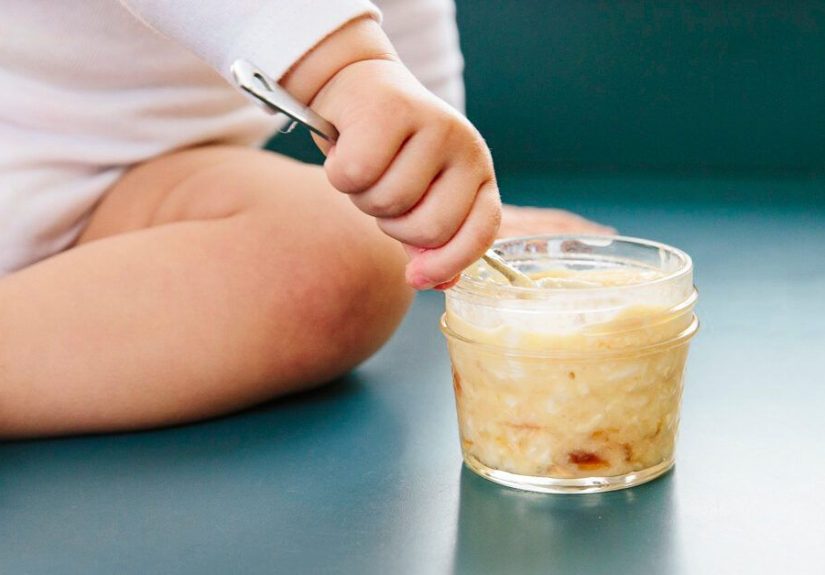
Stage 2 baby food usually refers to thicker purees, strained or mashed foods, and simple ingredient combinations designed for babies who have already started solids. Compared with Stage 1 baby food, Stage 2 foods often have more flavor variety and a little more body. They are still soft and easy to swallow, but they are not always as silky-smooth as first foods.
For example, Stage 1 might be plain sweet potato. Stage 2 might be sweet potato with apple, banana with strawberry, pear with spinach, or chicken with vegetables. Think of it as moving from “hello, carrot” to “carrot brought friends.”
Stage 1 vs. Stage 2 Baby Food
Stage 1 baby food is typically very smooth, thin, and often made with one ingredient. It is meant for the earliest days of solids, when your baby is learning how to move food around the mouth, swallow from a spoon, and make hilarious facial expressions at peas.
Stage 2 baby food is usually:
- Thicker than first purees
- Made with single ingredients or simple combinations
- Appropriate for babies who can swallow smooth purees comfortably
- Often marketed for babies around 6 months and older, depending on readiness
- A bridge between smooth purees and chunkier Stage 3 foods or soft finger foods
Some Stage 2 foods are still very smooth, while others are a bit denser. Brand labels vary, so always check the texture, ingredients, and age guidance instead of trusting the number alone.
When to Start Stage 2 Baby Food
Most babies begin solid foods at around 6 months, while continuing breast milk or iron-fortified formula as their main nutrition source. Stage 2 baby food usually comes after your baby has tried several beginner foods and can manage purees without pushing most of the food back out with the tongue.
Some babies may be ready for thicker purees soon after starting solids. Others need more practice. That is normal. Babies do not read feeding charts. They mostly read your face, grab spoons, and occasionally decorate the dog.
Signs Your Baby May Be Ready
Your baby may be ready to move toward Stage 2 baby food when they can:
- Sit upright with support and hold their head steady
- Open their mouth when food is offered
- Swallow smooth purees instead of pushing everything out
- Show interest in food at family meals
- Handle a slightly thicker spoonful without gagging repeatedly
- Eat a few different single-ingredient foods without obvious reactions
Gagging can happen as babies learn textures, but repeated gagging, coughing, choking signs, or distress means the texture may be too advanced. Slow down, return to a smoother food, and talk with your pediatrician if feeding feels difficult or unsafe.
What Foods Are Good for Stage 2?
Good Stage 2 baby food options include vegetables, fruits, grains, beans, meats, poultry, yogurt, and other soft foods prepared in a baby-safe texture. At this stage, variety is your best friend. Offering different tastes early can help babies become more comfortable with a wider range of foods later.
Vegetable Options
Vegetables make excellent Stage 2 foods because they can be steamed, roasted, mashed, blended, and mixed with other ingredients. Try options like:
- Sweet potato with peas
- Carrot with lentils
- Butternut squash with apple
- Green beans with potato
- Zucchini with rice or oatmeal
- Spinach mixed into pear, avocado, or yogurt
If your baby rejects green vegetables at first, do not take it personally. Babies are tiny food critics with no rent to pay. Keep offering small tastes without pressure. It can take repeated exposure before a baby accepts a new flavor.
Fruit Options
Fruits are usually an easy win because they are naturally sweet and soft when ripe or cooked. Stage 2 fruit ideas include:
- Banana with avocado
- Apple with cinnamon
- Pear with prune
- Peach with oatmeal
- Mango with plain yogurt
- Blueberry blended with banana
Choose unsweetened fruit purees and avoid added sugar. Babies do not need dessert-level sweetness; they already think your car keys are gourmet entertainment.
Iron-Rich Options
Around 6 months, babies need iron-rich foods as part of their diet, especially breastfed babies. Stage 2 is a great time to add soft, iron-containing foods in safe forms.
- Iron-fortified infant oatmeal or multigrain cereal
- Pureed beef, turkey, or chicken
- Mashed beans or lentils
- Soft tofu
- Egg, cooked thoroughly and mashed or blended
- Nut or seed butter thinned smoothly into yogurt, oatmeal, or puree, if appropriate for your baby
Never give a baby thick globs of peanut butter or other nut butter because sticky clumps can be a choking risk. Thin it well and ask your pediatrician for guidance if your baby has severe eczema, egg allergy, or another allergy concern.
Homemade Stage 2 Baby Food Ideas
Homemade Stage 2 baby food does not need to be fancy. You do not need a chef hat, a tiny tasting menu, or a blender that costs more than your stroller. You need soft cooked ingredients, clean tools, and a texture your baby can manage.
Easy Homemade Combinations
- Sweet Potato + Turkey: Blend roasted sweet potato with cooked turkey and a splash of breast milk, formula, or water.
- Apple + Oatmeal: Mix unsweetened applesauce with prepared infant oatmeal for a thicker breakfast-style puree.
- Avocado + Banana: Mash ripe avocado with banana for a creamy, no-cook option.
- Lentils + Carrot: Cook red lentils and carrots until very soft, then blend or mash.
- Peach + Plain Yogurt: Stir mashed peach into plain whole-milk yogurt if dairy has been introduced safely.
- Chicken + Peas + Potato: Blend cooked chicken, peas, and potato until soft and spoonable.
For younger babies, keep the texture smooth or gently thick. As your baby becomes more skilled, you can mash instead of fully blending. This gradual change helps babies learn how to manage more texture.
Foods to Avoid in Baby Food
Some foods are not safe for babies, even if they look harmless. Avoid:
- Honey before 12 months
- Whole grapes, hot dogs, popcorn, nuts, raw carrots, and other choking hazards
- Added salt and added sugar
- Unpasteurized dairy or juice
- Thick spoonfuls of nut butter
- Cow’s milk as a main drink before 12 months
Stage 2 baby food should be soft enough to swallow easily and prepared in a way that lowers choking risk. When in doubt, go softer, smaller, and slower.
Store-Bought Stage 2 Baby Food: What to Look For
Store-bought Stage 2 baby food can be convenient, especially on busy days when making homemade puree sounds about as realistic as folding laundry while it is still warm. Look for simple ingredient lists, age-appropriate textures, and no unnecessary added sugar or salt.
Reading Labels Like a Pro
When choosing commercial Stage 2 baby food, check:
- Age guidance: Many Stage 2 products are labeled for babies 6 months and up, but readiness still matters.
- Texture: Some products are smooth; others are thicker. Stir and test before serving.
- Ingredients: Choose foods with recognizable ingredients, such as fruits, vegetables, grains, beans, meats, and water.
- Added sugar or salt: Babies do not need either.
- Allergens: Watch for ingredients like milk, egg, wheat, soy, fish, sesame, peanuts, and tree nuts.
- Packaging: Jars, tubs, and pouches are all common, but pouches should be squeezed onto a spoon or into a bowl so babies can practice eating skills.
Baby food pouches are convenient, but they should not replace all spoon-feeding or self-feeding practice. Babies learn through touching, smelling, seeing, and managing food in the mouth. Yes, that means mess. Mess is basically the baby version of a laboratory experiment.
How Much Stage 2 Baby Food Should a Baby Eat?
There is no perfect amount that every baby must eat. In the beginning, solids are about practice, exposure, and skill-building. Breast milk or formula remains the main source of nutrition during much of the first year.
Many babies may start with a few teaspoons and slowly increase to a few tablespoons at meals. Some babies love food immediately. Others act like you have betrayed them with a spoon. Both can be normal.
A Simple Feeding Rhythm
A common routine may look like this:
- Start with one small meal per day when introducing solids.
- Move to two meals as your baby shows interest and comfort.
- Offer a variety of foods from different food groups by around 7 to 8 months.
- Continue breast milk or formula on demand or as recommended by your pediatrician.
- Let your baby decide how much to eat from what you offer.
Responsive feeding is important. Watch your baby’s cues. If they lean forward, open their mouth, and seem eager, continue. If they turn away, close their mouth, cry, or lose interest, stop. The clean-plate club does not accept members with only two teeth.
Stage 2 Baby Food and Allergens
Many parents feel nervous about introducing common allergens. That is understandable. The good news is that current guidance does not recommend delaying allergenic foods for most babies once they are developmentally ready for solids. In fact, introducing allergenic foods in safe forms during infancy may help reduce the risk of some food allergies.
Common allergens include:
- Peanut
- Egg
- Milk
- Wheat
- Soy
- Fish
- Shellfish
- Tree nuts
- Sesame
Introduce allergens in baby-safe textures and small amounts. For peanut, that might mean smooth peanut butter thinned into warm water, oatmeal, yogurt, or puree. For egg, it means fully cooked egg mashed or blended into a soft texture. If your baby has severe eczema, an existing food allergy, or a strong medical history, ask your pediatrician before introducing high-risk allergens.
Food Safety Tips for Stage 2 Baby Food
Because babies have developing immune systems, safe food handling matters. Homemade or store-bought, baby food should be prepared and stored carefully.
Practical Safety Rules
- Wash your hands before preparing or serving food.
- Use clean bowls, spoons, cutting boards, and storage containers.
- Do not feed directly from the jar if you plan to save leftovers; saliva can introduce bacteria.
- Refrigerate opened baby food promptly.
- Discard food that has been sitting out too long.
- Check expiration dates and packaging seals.
- Warm food safely and stir well to avoid hot spots.
If you freeze homemade baby food, use small portions so you can thaw only what you need. Ice cube trays or silicone baby food trays work well. Label everything with the date, because mystery freezer cubes are rarely as fun as they sound.
Best Stage 2 Baby Food Options to Try
The best Stage 2 baby food options combine nutrition, texture practice, and flavor variety. Aim for a balance of fruits, vegetables, proteins, grains, and healthy fats.
Breakfast Ideas
- Infant oatmeal with mashed banana
- Plain yogurt with peach puree
- Avocado and apple mash
- Iron-fortified cereal with pear
Lunch Ideas
- Chicken, carrot, and potato puree
- Lentils with sweet potato
- Turkey with peas and rice
- Mashed beans with avocado
Dinner Ideas
- Salmon with sweet potato, blended very smooth
- Beef with butternut squash
- Tofu with zucchini and rice
- Egg with spinach and potato
Do not worry if your baby eats only a little at first. A few spoonfuls can still be valuable practice. The goal is progress, not polishing off a buffet.
Common Stage 2 Baby Food Mistakes
Moving Too Fast
If your baby is struggling with thicker textures, slow down. Go back to smoother purees and gradually thicken them over time.
Serving Only Sweet Foods
Fruit is wonderful, but babies also need exposure to vegetables, proteins, grains, and savory flavors. Try mixing a familiar fruit with a new vegetable if needed.
Forgetting Iron
Iron-rich foods are important during the second half of the first year. Include options like meats, beans, lentils, tofu, and iron-fortified infant cereals.
Depending Only on Pouches
Pouches are convenient, but spoon feeding and safe self-feeding help babies develop oral motor skills, hand-eye coordination, and food confidence.
Ignoring Baby’s Cues
If your baby is full, stop. Pressuring babies to eat more can make mealtime stressful. Babies are small, but their opinions are mighty.
Real-Life Experience: What Stage 2 Feeding Often Feels Like
Stage 2 baby food is where many parents realize feeding a baby is less like following a recipe and more like hosting a very emotional cooking show with one judge who cannot speak. One day your baby may happily eat sweet potato, turkey, and peas like a tiny Thanksgiving champion. The next day, the same meal may be treated as suspicious orange paste from another planet.
A helpful experience-based approach is to keep meals calm, predictable, and low-pressure. Choose one familiar food and one newer food. For example, if your baby already likes banana, mix a small amount of avocado into it. If oatmeal is accepted, stir in a little pear or mashed blueberry. If sweet potato is a favorite, blend it with lentils or chicken to add protein and iron. This makes new flavors less intimidating without hiding them completely.
Texture changes work best when they are gradual. Instead of jumping from smooth puree to chunky food overnight, try making a puree slightly thicker. Then mash instead of blending. Then leave tiny soft bits in foods your baby already enjoys. Watch closely. If your baby manages the texture well, keep practicing. If they seem overwhelmed, step back. Feeding skills are learned, not magically installed at 6 months like a software update.
Many caregivers also find that timing matters. A baby who is too hungry may become frustrated quickly, while a baby who just drank a full bottle may have zero interest in solids. Try offering Stage 2 baby food when your baby is alert, comfortable, and not extremely hungry or tired. Morning or early afternoon meals often work well because everyone has slightly more patience, including the spoon.
Mess is another major part of the experience. Babies learn by touching food, smearing it, smelling it, and occasionally using it as hair gel. A washable bib, a splat mat, and a sense of humor can save your sanity. If your baby grabs the spoon, offer a second spoon. One spoon is for you, one is for your baby’s “executive management.” This small trick can reduce battles and encourage independence.
It also helps to eat together when possible. Babies love watching faces. If they see you eating soft cooked vegetables, yogurt, oatmeal, or mashed beans, they may become more interested. Family meals do not have to be perfect. Even five minutes of sitting together can help your baby connect food with routine, comfort, and social learning.
Finally, remember that progress may look tiny. One accepted spoonful is progress. Touching a new food is progress. Smelling it without crying is progress. Trying again tomorrow is progress. Stage 2 baby food is not about creating a gourmet infant. It is about helping your baby build confidence, practice texture, receive important nutrients, and discover that food is more than milk in a different outfit.
Conclusion
Stage 2 baby food is an exciting step in your baby’s feeding journey. It usually includes thicker purees, mashed foods, and simple combinations that help babies explore new tastes and textures. Most babies are ready around 6 months or after they have started solids successfully, but readiness signs matter more than the label on the package.
Offer variety, include iron-rich foods, introduce allergens safely, avoid choking hazards, and keep mealtime relaxed. Whether you choose homemade baby food, store-bought options, or a mix of both, the best plan is one that supports your baby’s development and works for your family. And if peas end up on the ceiling? Congratulations. Your baby is exploring gravity.



 Close
Close