
Table of Contents >> Show >> Hide
- What Is an At-Home Heavy Metal Test?
- Why People Buy At-Home Heavy Metal Tests
- How Heavy Metal Testing Works
- Are At-Home Heavy Metal Tests Accurate?
- When an At-Home Heavy Metal Test May Be Worth It
- When These Tests Are Probably Not Worth It
- The Problem With “Toxic Burden” Marketing
- What Heavy Metal Tests Can Tell You
- What Heavy Metal Tests Cannot Tell You
- At-Home Body Tests vs. Environmental Tests
- Who Should Talk to a Doctor Before Testing?
- How to Choose a Better At-Home Heavy Metal Test
- How Much Do At-Home Heavy Metal Tests Cost?
- What to Do If Your Results Are High
- So, Are At-Home Heavy Metal Tests Worth It?
- Personal Experiences and Real-World Scenarios: What People Often Learn the Hard Way
- Conclusion
At-home heavy metal tests sound like something a wellness detective would order after watching one too many documentaries and side-eyeing the tuna sandwich in the fridge. The promise is tempting: collect a urine, blood, or hair sample at home, mail it to a lab, and discover whether lead, mercury, arsenic, cadmium, or other “toxic metals” are sneaking around your body like tiny villains in lab coats.
But are at-home heavy metal tests actually worth it? The honest answer is: sometimes, but not as a casual curiosity purchase. These tests can be useful when there is a real exposure concern, a reputable lab is involved, and the results are interpreted with medical context. They can also be confusing, expensive, misleading, and anxiety-producing when used as a fishing expedition for vague symptoms like fatigue, brain fog, headaches, or “I just feel off.”
This guide breaks down what at-home heavy metal tests can and cannot tell you, which sample types matter, when testing makes sense, and when your money would be better spent fixing the actual exposure sourcelike old paint, contaminated water, workplace hazards, imported cosmetics, certain supplements, or high-mercury fish habits.
What Is an At-Home Heavy Metal Test?
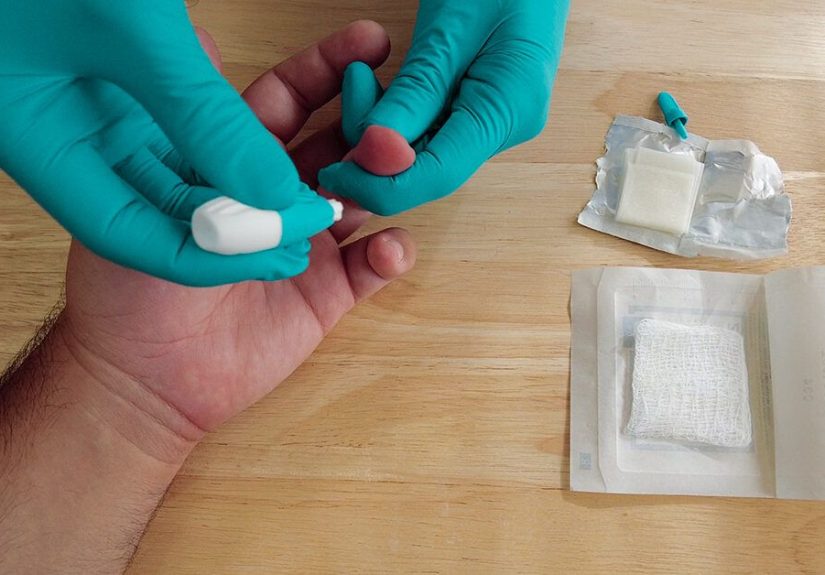
An at-home heavy metal test is a consumer-ordered kit designed to measure certain metals in a biological sample. Depending on the company, you may collect urine, a finger-prick blood sample, hair, or sometimes another specimen. The sample is mailed to a laboratory, and results are delivered through an online portal.
Most panels focus on metals such as:
- Lead
- Mercury
- Arsenic
- Cadmium
- Sometimes chromium, thallium, cobalt, aluminum, nickel, or other elements
The phrase “heavy metals” is often used loosely. Some metals are toxic at low levels, some are essential nutrients at the right dose, and some are only concerning under specific circumstances. That is why the same result can mean different things depending on your age, job, diet, symptoms, exposure timing, and the type of sample tested.
Why People Buy At-Home Heavy Metal Tests
People usually look into heavy metal testing for one of four reasons. First, they know about a possible exposure: an older home with lead paint, a private well, industrial work, stained-glass hobbies, shooting ranges, imported pottery, certain herbal products, or frequent consumption of high-mercury fish. Second, they have symptoms and want answers. Third, they are pregnant, planning pregnancy, or worried about children. Fourth, they saw a scary social media post and now every can of sardines looks like a crime scene.
The first reason is the strongest. Testing works best when it answers a focused question: “Was I exposed to lead?” “Is my arsenic level elevated after drinking well water?” “Could my workplace be causing mercury exposure?” The weaker the exposure story, the harder it becomes to interpret a broad panel.
How Heavy Metal Testing Works
Heavy metal testing is not one single test. It is a family of tests, and sample type matters. Blood, urine, and hair do not tell the same story.
Blood Tests
Blood testing is commonly used for lead and can be useful for recent or ongoing exposure to several metals. A venous blood draw is generally more reliable than a finger-prick sample, especially for lead, because tiny amounts of contamination on the skin can skew results. Blood tests are often used for lead, mercury, arsenic, and cadmium panels through clinical laboratories.
For lead, blood testing is the main tool. This is especially important for children because lead can affect development even when obvious symptoms are absent. In children, there is no “safe” blood lead level, so elevated results need careful follow-up, not a shrug and a multivitamin.
Urine Tests
Urine testing is often used for arsenic and inorganic mercury exposure. A 24-hour urine collection may be more informative than a random sample in certain clinical situations because it measures the amount excreted over a full day. Some at-home tests use random urine because it is easier, but easier does not always mean better.
Arsenic is a classic example of why interpretation matters. Seafood can temporarily raise total urine arsenic because seafood contains organic forms that are generally far less concerning than inorganic arsenic. If a test does not separate, or “speciate,” arsenic types, a sushi dinner may look more dramatic on paper than it is in real life. Congratulations, your spicy tuna roll has entered the chat.
Hair Tests
Hair testing is popular because it is painless and feels high-tech. Unfortunately, hair results can be difficult to interpret. Hair can be contaminated by shampoo, dye, dust, sweat, water, or external exposure. It may reflect past exposure patterns in some settings, but it is not usually the best stand-alone tool for diagnosing heavy metal poisoning.
If a company makes hair testing sound like a crystal ball for your entire toxic burden, put on your skeptical glasses. Hair analysis can sometimes contribute to an investigation, but it should not replace clinically validated blood or urine testing when a real exposure is suspected.
Are At-Home Heavy Metal Tests Accurate?
The better question is: accurate for what?
A lab may accurately measure the metal concentration in the sample it receives. That does not automatically mean the test accurately diagnoses poisoning, explains symptoms, identifies the exposure source, or tells you whether treatment is needed. This is where many consumers get stuck.
Accuracy depends on several factors:
- The sample type used
- Whether the sample was collected correctly
- Whether the lab uses validated methods
- Whether the test is appropriate for the suspected exposure
- Whether the result is compared with the correct reference range
- Whether a qualified clinician interprets the result
A “normal” result may not rule out every past exposure. An “elevated” result may not mean poisoning. A broad panel may find small abnormalities that sound scary but have no clear clinical meaning. This is why heavy metal testing is not a casual wellness horoscope. You need context.
When an At-Home Heavy Metal Test May Be Worth It
An at-home or direct-to-consumer heavy metal test may be worth considering when it is connected to a realistic exposure concern and uses an appropriate sample type. For example, someone who drinks from a private well and has reason to suspect arsenic contamination may benefit from proper arsenic testing. A person with occupational exposure to metals may need monitoring. A family living in an older home may need lead evaluation, though children should generally be tested through a pediatrician or public health program rather than relying on a mail-in kit.
Testing may also be useful when a clinician recommends it but allows direct ordering through a lab platform. Some major laboratories offer consumer-access testing while still involving authorized healthcare professionals behind the scenes. That model may be more reliable than a mysterious internet kit promising to decode your “toxic load” and restore your sparkle by Tuesday.
When These Tests Are Probably Not Worth It
At-home heavy metal tests are less useful when ordered only because of nonspecific symptoms with no clear exposure history. Fatigue, headaches, stomach upset, poor concentration, and tingling can have many causes. Heavy metals are possible in certain contexts, but they are not the default villain every time your body feels like an old laptop with 47 browser tabs open.
Testing is also questionable when the company pushes a detox product, supplement bundle, or chelation program right next to the test results. That is a red flag. Testing should help clarify health decisions, not function as a sales funnel for expensive powders named something like “Ultra Pure Cellular Drainage Thunder Cleanse.”
Be especially cautious with “provoked” urine tests. These involve taking a chelating agent before urine collection to increase metal excretion. Major toxicology experts have warned that this method is not validated for diagnosing metal poisoning and can lead to misleading results and unnecessary treatment.
The Problem With “Toxic Burden” Marketing
Many at-home test ads use phrases like “toxic burden,” “detox pathways,” “hidden metals,” and “your body is storing toxins.” These phrases sound scientific, but they can be vague. The body does handle environmental exposures through complex systems involving the liver, kidneys, gut, lungs, and skin. But a single mail-in test rarely tells the whole story.
The best medical question is not “Do I have any metals in my body?” Everyone does. The better question is: “Is my level high enough, in the right sample type, at the right time, to suggest harmful exposure or a need for action?” That is a much more boring sentence, which is how you know medicine wrote it.
What Heavy Metal Tests Can Tell You
A properly selected heavy metal test can help identify significant exposure. It can show whether a specific metal is elevated in blood or urine. It can support a clinical diagnosis when symptoms and exposure history match. It can guide public health action, workplace safety changes, environmental testing, or medical follow-up.
For example, a blood lead test can show current circulating lead levels. Urine arsenic testing, especially with speciation, can help distinguish more concerning inorganic arsenic from less concerning organic arsenic related to seafood. Blood or urine mercury testing can help evaluate different exposure patterns, depending on whether the concern is fish-related methylmercury or inorganic mercury exposure.
What Heavy Metal Tests Cannot Tell You
Heavy metal tests cannot always tell you exactly where exposure came from. They cannot perfectly predict whether you will develop symptoms. They cannot diagnose every health complaint. They cannot prove that a detox program is working. They cannot replace environmental testing of water, paint, dust, soil, food, or workplace materials.
This last point matters. If your drinking water is contaminated, testing your body may be useful, but testing the water is essential. If a child may be exposed to lead paint dust, the home environment needs evaluation. If a supplement is contaminated, the long-term fix is not endless body testing; it is stopping the exposure.
At-Home Body Tests vs. Environmental Tests
Many people mix up body testing and environmental testing. They are related, but not interchangeable.
A body test asks: “What level of this metal is showing up in me right now?” An environmental test asks: “Is this metal present in my water, paint, soil, dust, food, cosmetics, or workplace?”
If you suspect lead in an old home, you may need dust, paint, or water testing. If you have a private well, you may need water testing for arsenic and other contaminants. If you are worried about imported spices, pottery, cosmetics, or supplements, you may need to remove the suspected source and consult local health authorities or a clinician. A body test without source control is like checking your smoke alarm while the kitchen is actively on fire.
Who Should Talk to a Doctor Before Testing?
Some people should not rely on at-home testing alone. Talk with a healthcare professional before or immediately after testing if the concern involves:
- A child
- Pregnancy or trying to conceive
- Workplace exposure
- Neurologic symptoms such as weakness, confusion, seizures, or severe numbness
- Kidney problems
- Known ingestion of lead paint chips, contaminated products, or industrial chemicals
- High test results from any consumer kit
Severe symptoms or suspected poisoning should be treated as urgent. In the United States, Poison Control can provide immediate guidance. Do not wait for a mail-in kit if someone may have had a dangerous exposure.
How to Choose a Better At-Home Heavy Metal Test
If you decide to buy a test, choose carefully. Look for a test processed by a certified clinical laboratory. Read what sample type is required. Check whether the report explains limitations. Avoid tests that promise to diagnose broad “toxicity” from one sample. Be cautious if the company sells detox treatments, chelation products, or supplement protocols based on the result.
Also ask these practical questions:
- Does the test measure the specific metal I am concerned about?
- Is blood, urine, or another sample best for that metal?
- Does the test require avoiding seafood before arsenic or mercury testing?
- Will results be reviewed by a qualified clinician?
- Does the company explain what to do if results are elevated?
- Are privacy policies clear?
- Will my doctor accept these results, or will I need repeat testing?
How Much Do At-Home Heavy Metal Tests Cost?
Prices vary widely. Some direct-order lab panels cost around a couple hundred dollars, while broader wellness panels can cost more. Insurance may not cover consumer-ordered testing, especially if there is no documented exposure or medical indication. Follow-up testing, doctor visits, environmental inspections, and treatment can add more costs.
That does not mean testing is never worth the money. It means you should spend strategically. If you are worried about well water, paying for water testing may be more useful than starting with a body panel. If your child lives in an older home, pediatric blood lead screening may be the priority. If you work with metals, occupational health testing may be more appropriate than a consumer kit.
What to Do If Your Results Are High
First, do not panic. Second, do not start a detox protocol you found in a comment section written by “LiverQueen_777.” Third, contact a healthcare professional who understands environmental or occupational medicine, medical toxicology, or primary care evaluation for metal exposure.
You may need repeat testing with a venous blood draw or a properly collected urine sample. You may need arsenic speciation. You may need environmental testing. You may need to stop a source of exposure, such as contaminated water, certain supplements, imported products, high-mercury fish, or unsafe workplace practices.
Treatment depends on the metal, level, symptoms, and exposure source. Chelation therapy is not a wellness cleanse. It is a medical treatment for specific cases and can have risks. The most important first step is usually identifying and removing the exposure.
So, Are At-Home Heavy Metal Tests Worth It?
At-home heavy metal tests are worth it when they are used like a tool, not a treasure map. They can be helpful for motivated adults with a specific concern, especially when the test uses the right sample type and the results are reviewed by a qualified professional. They are not ideal as random screening for vague symptoms, and they should not replace medical care for children, pregnant people, serious symptoms, or known exposures.
The best approach is simple: start with the exposure story. What metal are you worried about? Where would it come from? Is the exposure current or past? Which sample type matches that metal? What will you do with the result? If you cannot answer those questions, pause before buying the kit.
Personal Experiences and Real-World Scenarios: What People Often Learn the Hard Way
In real life, at-home heavy metal testing often begins with a feeling: something is not right. Maybe someone has been tired for months, or they moved into a 1920s house with charming windows and suspiciously flaky paint. Maybe they drink from a private well. Maybe they eat tuna four times a week because it is easy, cheap, and does not require emotional commitment. The test feels empowering because it offers a number, and numbers feel solid when symptoms feel messy.
One common experience is the “mildly elevated result panic.” A person orders a broad urine panel, sees one metal above the lab’s reference range, and immediately imagines their organs packing tiny suitcases. Then they discover they ate seafood before the test, used a supplement with questionable sourcing, or collected the sample incorrectly. The result may still deserve follow-up, but the first interpretation was more panic than science.
Another scenario involves older homes. A parent may order an at-home test because their child plays near old windows or peeling paint. The intention is good, but pediatric lead concerns should be handled through a healthcare professional or local health department. A child’s blood lead level needs reliable testing, timely interpretation, and environmental action. In that situation, an at-home kit may delay the very steps that matter most: confirming the result, finding the lead source, and preventing continued exposure.
There are also workplace stories. People who weld, work with batteries, handle pigments, shoot at indoor ranges, make stained glass, or work in certain industrial settings may have legitimate exposure concerns. In those cases, testing can be useful, but it should ideally be part of occupational health monitoring. The result is only one piece of the puzzle. Ventilation, protective equipment, workplace hygiene, and exposure controls matter more than repeatedly testing while changing nothing.
Some people have a positive experience with direct-access testing because it helps them take a concern seriously. For example, someone with a private well may test their water, then use a properly selected arsenic test and discuss results with a clinician. That combination can lead to practical action: installing treatment, switching water sources, retesting, and monitoring health. In this case, the test is worth it because it fits a real exposure pathway.
The less helpful experience is the endless testing loop. A person orders one panel, then another, then a hair test, then a provoked urine test, then a detox package. Each result creates more questions, more fear, and more spending. Meanwhile, sleep, nutrition, stress, thyroid disease, anemia, medication effects, migraines, depression, or other common explanations may be ignored. Heavy metals can cause serious harm, but they are not the explanation for every modern ache, mood swing, and Monday morning.
The biggest lesson is that testing should lead to a decision. A good test changes what you do next. It helps you remove a source, confirm exposure, protect a child, adjust diet, improve workplace safety, or seek proper treatment. A bad test only gives you a scary PDF and a shopping cart full of detox capsules. The best experience comes from pairing curiosity with caution: test when there is a reason, choose the right method, and bring the results to someone who can interpret them without trying to sell you a miracle cleanse.
Conclusion
At-home heavy metal tests can be useful, but they are not magic truth machines. They are most valuable when there is a specific exposure concern, the right sample type is used, and a qualified professional helps interpret the results. They are least valuable when used as broad wellness screening for vague symptoms or when attached to aggressive detox marketing.
If you suspect exposure to lead, mercury, arsenic, cadmium, or another toxic metal, think beyond the test kit. Identify the possible source. Consider environmental testing. Use clinically appropriate blood or urine testing. Get medical guidance for children, pregnancy, severe symptoms, or high results. The goal is not just to collect numbers. The goal is to reduce exposure, protect health, and avoid turning a lab report into a very expensive anxiety hobby.







 Close
Close