
Table of Contents >> Show >> Hide
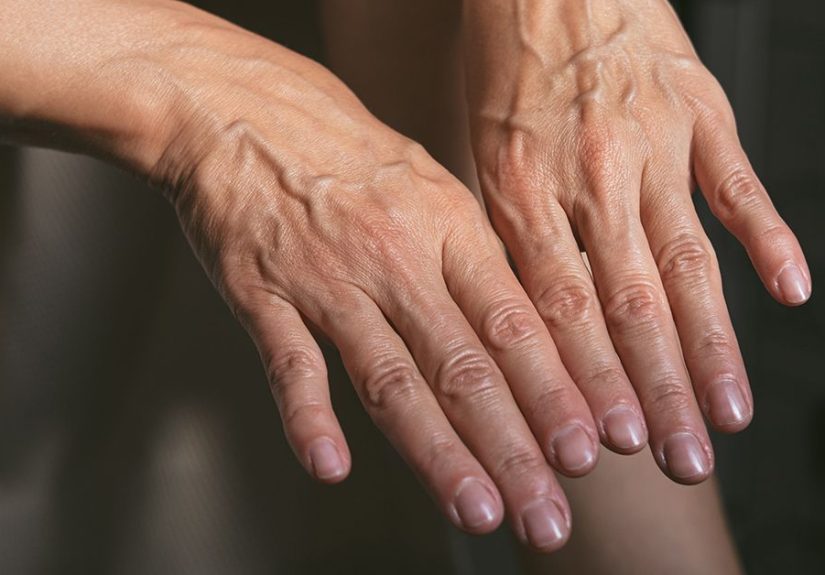
Bulging hand veins can be one of those body changes that seem to appear out of nowhere. One day your hands look ordinary, and the next they look like they’ve been training for a superhero casting call. The good news is that visible veins on the hands are often completely normal. In many cases, they happen because skin gets thinner with age, body fat decreases, or exercise temporarily increases blood flow and makes superficial veins stand out more.
Still, not every prominent vein deserves a casual shrug. Sometimes a bulging hand vein can be linked to inflammation, a blood clot, or an underlying vein problem that needs medical attention. That is where people get stuck: is this just a cosmetic annoyance, or is it a sign to call a doctor? This guide breaks down the common causes of bulging hand veins, the symptoms that matter, how doctors evaluate the issue, and when treatment makes sense.
Why Hand Veins Become More Visible
The veins on the back of your hands are naturally close to the surface of the skin. That alone makes them easier to see than deeper veins elsewhere in the body. Whether those veins look faint, obvious, or downright dramatic usually comes down to how much tissue is covering them and what is happening in the vein itself.
1. Aging and thinning skin
The most common reason hand veins look more noticeable is simple aging. As you get older, the skin on the hands tends to become thinner, less elastic, and more translucent. At the same time, the hands lose some of their cushioning fat and collagen. That combination makes veins, tendons, joints, and bones easier to see. In other words, your veins are not necessarily getting weirder; your skin is just becoming less committed to keeping secrets.
This is one reason visible hand veins are so often considered a cosmetic concern rather than a dangerous medical one. If the veins are not painful, red, warm, or suddenly changing, aging is a very common explanation.
2. Low body fat or a lean build
People with lower body fat often have more visible veins in the arms and hands. That is especially true if they are naturally lean or athletic. With less fat between the skin and the superficial veins, those veins can look raised or ropey even when they are perfectly healthy.
This can happen gradually with weight loss, changes in exercise habits, or simply because of genetics. Some people are just built with thinner skin and more noticeable veins. They did not do anything wrong. Their hands are simply more honest than average.
3. Exercise and temporary increased blood flow
If your hand veins pop after weight training, yard work, or carrying groceries that feel suspiciously like punishment, that is often a temporary circulation effect. Exercise increases blood flow, and muscles can swell slightly during activity. When that happens, superficial veins may look bigger and more visible.
For many people, this is most obvious in the hands, wrists, and forearms. If the veins calm down after the activity is over and you have no pain, redness, or swelling, this pattern is usually benign.
4. Varicose or enlarged superficial veins
Varicose veins are more common in the legs, but enlarged superficial veins can also develop elsewhere. These veins become stretched and more noticeable when vein walls weaken or blood flow does not move efficiently. In the hands, this may show up as raised, bulging veins that bother someone cosmetically more than physically.
When the issue is mild and stable, treatment is often optional. If the veins are painful, frequently inflamed, or changing quickly, a medical evaluation is more important.
5. Inflammation of a vein or a superficial clot
This is one of the more important causes to know about. A vein near the surface can become inflamed, sometimes because of a small clot. This is called superficial thrombophlebitis. It can happen after irritation from an IV, minor trauma, reduced movement, or as part of an underlying clotting problem. Varicose veins can also increase the risk.
Unlike simple cosmetic vein prominence, superficial thrombophlebitis tends to cause symptoms. The vein may feel tender, warm, firm, or painful. The skin over it may look red. Instead of just noticing a visible vein, you notice that the area seems irritated and unhappy.
6. Deep vein thrombosis in the arm
A deep vein thrombosis, or DVT, in the upper extremity is less common than a clot in the leg, but it can happen. If a clot forms in a deeper vein of the arm, blood flow may be disrupted. That can lead to swelling, redness, heaviness, pain, and sometimes distention of more superficial veins, including those in the hand.
This is not something to brush off. An arm DVT can lead to serious complications if part of the clot travels to the lungs. That is why sudden swelling of the hand or arm, especially with pain or color change, deserves prompt medical attention.
What Is Usually Normal and What Is Not
Here is the practical rule of thumb: veins that are long-standing, painless, and symmetrical are often normal or cosmetic. Veins that are suddenly different, tender, red, swollen, or associated with broader symptoms deserve a closer look.
A person who has always had prominent hand veins, especially with age or a lean body type, may never need treatment. A person whose hand vein became painful over two days, feels like a hard cord, and came with arm swelling is in a very different situation.
Features that are often reassuring
- The veins have looked similar for months or years
- There is no pain, redness, warmth, or tenderness
- The change is gradual rather than sudden
- The veins are more obvious after exercise and settle afterward
- You have thin skin, older skin, or a lean build
Features that are more concerning
- Sudden swelling of one hand, wrist, or arm
- A red, warm, tender, or painful vein
- A hard or cord-like area under the skin
- Color change in the arm or hand
- Symptoms after an IV line, catheter, injury, surgery, or prolonged inactivity
- Chest pain, shortness of breath, coughing blood, fainting, or rapid heartbeat
When to Seek Treatment
You do not need treatment for every visible hand vein. But you should seek medical care when the vein is more than just noticeable.
Call a doctor soon if:
- You have a red, swollen, or tender vein
- The area feels warm or painful
- The vein suddenly becomes much more prominent
- One arm or hand is clearly more swollen than the other
- You have a history of clots, cancer, recent surgery, pregnancy, hormone therapy, or a central line
Seek emergency care right away if:
- You have chest pain or trouble breathing
- You cough up blood
- You feel faint or suddenly very unwell
- You have severe swelling and pain in the arm or hand
Those emergency symptoms can signal a clot that has traveled to the lungs. That is not the moment for home remedies, internet rabbit holes, or heroic denial.
How Doctors Figure Out the Cause
If you seek care for bulging hand veins, your clinician will start with the basics: when the change began, whether it hurts, whether you recently had an IV or injury, and whether you have clot risk factors. The physical exam matters a lot here. Doctors look for swelling, warmth, skin redness, tenderness, and the pattern of the veins.
If the problem appears to be simple aging or stable superficial veins, you may not need testing. If there is concern for thrombophlebitis or DVT, ultrasound is commonly used to check blood flow and look for a clot. In some cases, blood work or additional evaluation is done if the history suggests a clotting disorder or infection.
Treatment Options for Bulging Hand Veins
Treatment depends entirely on the cause. There is no one-size-fits-all fix because a harmless visible vein and a painful inflamed vein are two very different problems wearing a similar costume.
If the veins are normal and painless
No medical treatment may be needed. Some people simply want reassurance that nothing dangerous is going on. That alone can be worth a visit. If the concern is appearance, a cosmetic consultation may help clarify the options.
If the problem is superficial thrombophlebitis
Treatment often focuses on reducing pain and inflammation. Depending on the situation, this may include warm compresses, elevation of the affected arm, and anti-inflammatory medicine. If an IV line caused the irritation, the line is usually removed. When there is concern for a deeper clot, blood thinners may be needed.
Most uncomplicated superficial cases improve over a couple of weeks, although the vein may stay firm for longer. That lingering firmness can be annoying, but it is not always a sign that something is still actively wrong.
If there is an upper-extremity DVT
A deeper clot is a more serious issue. Treatment may involve anticoagulant medication and targeted management depending on the location of the clot, the severity of symptoms, and the person’s overall health. This is one reason not to self-diagnose a painful swollen arm as “probably just a vein thing.” Technically true, not medically useful.
If the issue is cosmetic
When the veins are harmless but unwelcome, specialists may offer cosmetic or procedural treatments. Depending on the anatomy and the clinician’s expertise, options can include sclerotherapy, phlebectomy, or laser-based treatment for selected veins. In aging hands where the real issue is loss of volume rather than diseased veins, filler or fat grafting may also be considered to make veins less visible by restoring softness to the back of the hand.
Not every person is a candidate for every procedure. The best option depends on whether the veins are healthy but prominent, enlarged and symptomatic, or simply more visible because the hand has lost its youthful padding.
Can You Prevent Bulging Hand Veins?
You cannot completely prevent visible hand veins, especially when aging is the main driver. Still, you can lower the odds of unnecessary vein irritation and support healthier-looking skin.
- Protect the backs of your hands from sun damage with sunscreen
- Avoid smoking, which contributes to skin damage and vascular problems
- Stay active and break up long periods of immobility
- Pay attention to new symptoms after IV lines, injury, or surgery
- Discuss clot risks with your doctor if you have a personal or family history of blood clots
Sun protection matters more than many people realize. Chronic sun exposure worsens collagen and elastin loss, which can make hand veins and hand aging more noticeable over time.
Experiences People Commonly Have With Bulging Hand Veins
The experience of bulging hand veins is often less about danger and more about uncertainty. People are not usually alarmed because a vein exists. They are alarmed because it changed, because it looks dramatic, or because it came with new symptoms. Here are some common real-world patterns people describe when dealing with this issue.
One common experience is the gradual change that comes with age. Someone notices that their wedding ring still fits, their grip is fine, and nothing hurts, but the backs of the hands suddenly look more “mapped out” than they used to. In many cases, this is the classic combination of thinner skin, less hand volume, and stronger visibility of normal veins and tendons. The person often worries about circulation, only to learn that the veins are not malfunctioning at all. They are simply more visible now.
Another frequent scenario shows up in active people. After lifting weights, doing manual labor, or spending a hot afternoon hauling boxes, the hand veins look raised and obvious. The change can be dramatic enough to make people think something is wrong. But if the veins settle down later, there is no pain, and the skin is not red or warm, this pattern is usually just the body responding to increased blood flow and muscular activity.
There is also the cosmetic concern that sneaks up on people. Some feel that prominent hand veins make them look older than they feel. That can be frustrating, especially when the face gets all the skin-care attention while the hands are left to fend for themselves like forgotten side characters. In these cases, people often seek advice not because the veins are dangerous, but because the veins are the feature they notice first in photos, meetings, or daily life.
A more medically important experience is the tender, irritated vein. Someone may notice a specific spot on the hand or forearm that feels sore and firm, sometimes after an IV, blood draw, or minor injury. The skin may become red, and the vein may feel like a sensitive cord under the surface. That pattern is more in line with superficial thrombophlebitis, and it is very different from harmless cosmetic prominence.
Then there is the experience that should never be ignored: sudden swelling of one arm or hand, sometimes with heaviness, aching, or color change. People may first notice that a sleeve feels tighter, a watch fits differently, or the whole arm just feels off. That is when the concern shifts toward a deeper clot, and timely medical care becomes essential.
What ties all these experiences together is not the appearance alone. It is the context. A stable vein that has always been there tells one story. A newly painful or swollen vein tells another. Paying attention to that difference is what helps people decide whether they need reassurance, a cosmetic consultation, or prompt medical treatment.
Final Thoughts
Bulging hand veins are often a normal part of aging, a lean body type, or temporary changes in blood flow after activity. In many cases, they are more cosmetic than dangerous. But when a hand vein becomes painful, red, warm, firm, or is accompanied by swelling of the hand or arm, it is time to stop guessing and get evaluated.
The key is not to panic over every visible vein and not to dismiss every new symptom either. If your hand veins have slowly become more noticeable over time and nothing else seems wrong, that is usually reassuring. If the change is sudden or the area is clearly inflamed, treatment may be needed. And if breathing symptoms enter the picture, treat it as an emergency. Your veins may be visible, but the correct response should be crystal clear.




 Close
Close