
Table of Contents >> Show >> Hide
- 1. Stay in the Kitchen When Food Is Cooking
- 2. Keep Flammable Items Away From Heat
- 3. Be Extra Careful With Grease, Oil, and Turkey Fryers
- 4. Create a Kid-Free and Pet-Free Safety Zone
- 5. Clean Appliances and Check Cords Before the Big Day
- 6. Test Smoke Alarms and Keep a Fire Extinguisher Nearby
- 7. Know What to Do If a Kitchen Fire Starts
- A Simple Thanksgiving Kitchen Fire Prevention Checklist
- Real-Life Thanksgiving Kitchen Experience: What Actually Helps
- Conclusion: Keep the Feast Festive, Not Flammable
Thanksgiving has a special talent for turning one kitchen into a tiny restaurant, a traffic jam, and a family reunion all at once. The turkey is in the oven, gravy is bubbling, rolls are warming, green beans are waiting for their casserole destiny, and someone is asking where the “nice serving spoon” went. In the middle of that delicious chaos, kitchen fire prevention becomes more than a nice idea. It becomes the secret ingredient that keeps the holiday memorable for the right reasons.
Thanksgiving is widely recognized as the peak day for home cooking fires in the United States, and the biggest culprit is surprisingly simple: unattended cooking. Not mystery. Not bad luck. Not the universe punishing your aunt’s experimental cranberry salsa. Most Thanksgiving kitchen fires start because food, oil, towels, packaging, or appliances are left too close to heator because the cook is trying to do twelve things while answering the door, checking football scores, and negotiating oven space like a real estate agent.
The good news? Preventing a kitchen fire on Thanksgiving does not require panic, perfection, or wrapping your stove in caution tape. It takes smart habits, a clear cooking plan, and a few safety rules that everyone in the house understands. Below are seven practical ways to protect your kitchen, your guests, and your perfectly browned bird from turning into an emergency call.
1. Stay in the Kitchen When Food Is Cooking
The number one Thanksgiving fire safety rule is wonderfully boring and extremely effective: stay with your food while it cooks. Frying, boiling, broiling, and sautéing need active attention because high heat can turn from “almost done” to “why is there smoke?” in less time than it takes to find the potato masher.
If you are simmering something low and slow or roasting a turkey for hours, you do not have to stand in front of the oven like a security guard. But you should stay home, check the food frequently, and set multiple timers. Use your phone, smart speaker, oven timer, or a sticky note on the fridge. Thanksgiving is not the day to trust your memory, especially when stuffing, pie, and relatives are all competing for brain space.
Practical ways to avoid unattended cooking
Create a “cooking captain” system. One person is responsible for the stove at any given time. If that person needs to leave the kitchen, they must hand off the job to another adult or turn off the burner. This simple rule prevents the classic holiday mistake of thinking, “I’ll only be gone for a second.” Famous last words, right behind “I don’t need a recipe.”
Also, avoid cooking when you are overly tired or distracted. Alcohol can make a celebration feel festive, but it can also slow reaction time and make it easier to forget a burner is on. Save the second glass of wine for after the high-heat cooking is finished.
2. Keep Flammable Items Away From Heat
Thanksgiving kitchens collect clutter faster than a junk drawer. Recipe cards, paper towels, plastic bags, food packaging, dish towels, oven mitts, wooden utensils, and decorative napkins all have one thing in common: they should never be near a burner, toaster oven, hot pan, or open flame.
Before cooking begins, clear a safety zone around the stove and oven. Keep anything that can burn at least several feet away from heat sources. A dish towel tossed casually over an oven handle may look harmless, but if it slips toward a burner, it can become a problem quickly.
Set up a fire-safe cooking station
Designate one counter as your “hot zone” and keep it clean. This is where hot pans, baking sheets, and utensils go. Keep another counter for packaging, grocery bags, and prep scraps. Separating heat from clutter reduces fire risk and makes the whole kitchen feel less like a culinary obstacle course.
If you decorate for Thanksgiving, choose kitchen-safe decor. Flameless candles are a smarter option than real candles near food prep areas. If you use real candles on the dining table, keep them away from centerpieces, napkins, curtains, and excited sleeve-waving during dessert.
3. Be Extra Careful With Grease, Oil, and Turkey Fryers
Grease fires are dangerous because water makes them worse. Pouring water on burning oil can cause flames to spread explosively, which is why every home cook should know how to respond before the first pan starts sizzling.
When frying or cooking with oil, heat it slowly and watch for smoke. Smoke is a warning sign that oil is getting too hot. Turn down the heat immediately if you see it. Use a thermometer when deep-frying, and never fill a pot with more oil than recommended. Oil expands, bubbles, and splatters, especially when food contains moisture.
What to know about turkey fryers
Oil-based turkey fryers are one of the riskiest Thanksgiving cooking tools. They use large amounts of hot oil, and problems can happen when the fryer is overfilled, placed too close to a house, used on an unstable surface, or loaded with a turkey that is still frozen or wet.
If you use a turkey fryer, place it outdoors on a flat, nonflammable surface far away from the house, garage, deck, fences, and overhanging branches. Keep children and pets away. Completely thaw and dry the turkey before it goes near the oil. Follow the manufacturer’s instructions exactly, and never leave the fryer unattended. If this sounds like a lot, that is because it is. Buying a professionally fried turkey is sometimes the safestand most relaxingThanksgiving upgrade.
4. Create a Kid-Free and Pet-Free Safety Zone
Children and pets bring joy to Thanksgiving. They also bring surprise movement, unpredictable timing, and the ability to appear directly underfoot while someone is carrying a roasting pan. A three-foot safety zone around the stove, oven, fryer, and hot-food prep areas can prevent burns, spills, trips, and fires.
This rule should apply to toddlers, older kids, dogs, cats, and enthusiastic relatives who keep “just checking” the gravy. Hot handles, open oven doors, dangling cords, and boiling liquids are all hazards. Thanksgiving is not the ideal day for anyone to learn the hard way that gravy behaves like lava when spilled.
How to keep the kitchen safe without killing the holiday mood
Give kids a job outside the danger zone. They can set napkins on the table, arrange place cards, wash produce, or become the official “pie name tag designer.” Pets can be kept comfortable in another room with water, a toy, and a quiet space away from the noise.
Turn pot handles toward the back of the stove so they cannot be bumped or grabbed. Keep floors clear of bags, toys, shoes, and dropped ingredients. A clean walking path matters when someone is moving a hot casserole from oven to counter.
5. Clean Appliances and Check Cords Before the Big Day
A dirty oven, greasy stovetop, or crumb-filled toaster oven can become a fire risk when Thanksgiving cooking begins. Grease and food buildup can ignite under high heat, especially during long cooking sessions. Before the holiday, give your appliances a practical safety check.
Clean the stovetop, oven, burners, drip pans, range hood, and toaster oven. Remove crumbs from small appliances. Check that oven vents are not blocked. Make sure the microwave is clean and that nothing metallic accidentally ends up inside it. Thanksgiving is dramatic enough without sparks from a foil-covered plate.
Do not overload your electrical outlets
Thanksgiving often brings out every small appliance you own: slow cooker, stand mixer, coffee maker, electric knife, air fryer, toaster oven, warming tray, and maybe that mysterious gadget someone gave you three holidays ago. Plugging too many high-wattage appliances into one outlet or power strip can overload the circuit.
Use appliances according to their instructions, avoid damaged cords, and keep cords away from sinks and hot surfaces. If a cord is frayed, cracked, or loose, do not use it. Spread appliances across different outlets when possible, and unplug items when they are not in use.
6. Test Smoke Alarms and Keep a Fire Extinguisher Nearby
Smoke alarms are not glamorous, but they are among the most important safety tools in the home. Test them before Thanksgiving, especially if guests will be staying overnight. A working smoke alarm gives everyone more time to respond if something goes wrong.
Install smoke alarms on every level of the home, near sleeping areas, and in bedrooms. In or near kitchens, placement matters. Smoke alarms should be close enough to detect danger but far enough from cooking appliances to reduce nuisance alarms. If your alarms are older, check the manufacturer’s guidance. Many smoke alarms need replacement after about ten years.
Choose the right fire extinguisher and learn how to use it
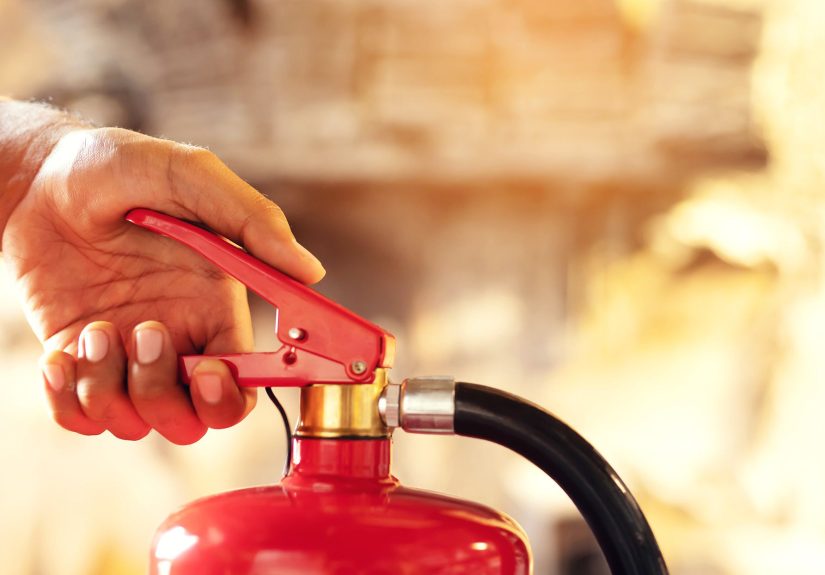
Keep a fire extinguisher in an accessible location near the kitchen, but not so close to the stove that you would have to reach through flames to grab it. Make sure adults in the home know where it is and how to use it. The common PASS method is easy to remember: pull the pin, aim at the base of the fire, squeeze the handle, and sweep side to side.
However, a fire extinguisher is not a superhero cape. If a fire is spreading, blocking your exit, or producing heavy smoke, leave immediately and call 911. Property can be replaced. People cannot.
7. Know What to Do If a Kitchen Fire Starts
Even careful cooks need a response plan. The first rule is to stay calm enough to make the safest choice. For a small grease fire in a pan, turn off the burner if you can do so safely. Then smother the flames by sliding a metal lid or baking sheet over the pan. Leave it covered until it cools completely. Do not move the pan, and never use water.
If a fire starts in the oven, turn off the oven and keep the door closed. Opening the door feeds the fire with oxygen and can make it worse. Let the fire die out inside the closed oven, then call for help if needed and have the appliance inspected before using it again.
When to call 911
Call 911 if the fire does not go out quickly, if it spreads beyond the pan, if you are unsure what to do, or if anyone may be in danger. Evacuate people and pets immediately. Close doors behind you if possible to slow smoke and flames. Do not go back inside for belongings, pie, phones, or the turkey. The turkey had a good run.
A Simple Thanksgiving Kitchen Fire Prevention Checklist
Use this checklist before guests arrive and again before cooking gets intense:
- Test smoke alarms and replace weak batteries.
- Clear towels, paper, packaging, and decorations away from the stove.
- Clean grease and crumbs from cooking appliances.
- Place a fire extinguisher where adults can reach it safely.
- Assign one adult to watch active stovetop cooking.
- Create a three-foot safety zone for kids and pets.
- Turn pot handles toward the back of the stove.
- Use timers for every dish, even the “impossible to forget” ones.
- Keep turkey fryers outdoors, away from buildings, and never unattended.
- Check that all burners, ovens, and small appliances are off before bed.
Real-Life Thanksgiving Kitchen Experience: What Actually Helps
In real Thanksgiving kitchens, fire prevention works best when it feels like part of the cooking routine, not a lecture from a safety pamphlet wearing sensible shoes. One of the most useful habits is starting the day with a clean counter and an empty sink. That sounds simple, but it changes everything. When counters are crowded, hot pans get placed wherever there is space, towels land too close to burners, and someone eventually balances a casserole dish on the edge of destiny. A clear workspace gives every hot item a safe landing zone.
Another practical experience is making a written cooking timeline. Thanksgiving fires often begin when the cook is rushing or multitasking. A timeline helps prevent that frantic moment when the rolls need warming, the turkey needs basting, and the stovetop has three pans going at once. Write down what cooks when, what temperature it needs, and who is watching it. Even a rough plan on a sheet of paper can reduce chaos. Bonus: it also reduces the number of people asking, “When do we eat?” which is a safety benefit for everyone’s nerves.
It also helps to appoint a “kitchen traffic manager.” This does not need to be formal. It can simply be the person who keeps guests from drifting into the cooking zone, redirects kids to table-setting jobs, and reminds the family dog that the kitchen is not a buffet with paws. Thanksgiving kitchens attract people because food smells amazing, but too many bodies increase the risk of bumps, spills, and distraction. A friendly traffic manager keeps the room calmer without making the holiday feel strict.
Experienced home cooks also learn to keep lids nearby. A metal lid or baking sheet can be the fastest way to smother a small pan fire. The trick is having it within reach before you need it. Searching for a lid while flames are rising is not a strategy; it is a very stressful scavenger hunt. Keep matching lids near active pans and make sure everyone knows not to throw water on grease.
Finally, the best Thanksgiving safety habit is a final shutdown check. After dinner, when everyone is full and sleepy, walk through the kitchen before relaxing. Confirm that burners are off, the oven is off, small appliances are unplugged, candles are out, and hot pans are cooling safely. This two-minute habit can prevent late-night trouble. Think of it as tucking in the kitchen after its busiest day of the year. It worked hard. It deserves a safe bedtime.
Conclusion: Keep the Feast Festive, Not Flammable
Thanksgiving should smell like roasted turkey, buttery potatoes, cinnamon, and victorynot smoke. The best way to prevent a kitchen fire on Thanksgiving is to combine attention, preparation, and common sense. Stay near active cooking, keep flammable items away from heat, respect grease and turkey fryers, create a kid-free and pet-free safety zone, clean appliances, test smoke alarms, and know how to respond if a small fire starts.
None of these steps will make your stuffing less delicious or your gravy less glorious. In fact, they help you enjoy the day with fewer surprises and more confidence. A safer kitchen means more time for family, laughter, leftovers, and the traditional post-dinner debate over who gets the last slice of pie.




 Close
Close